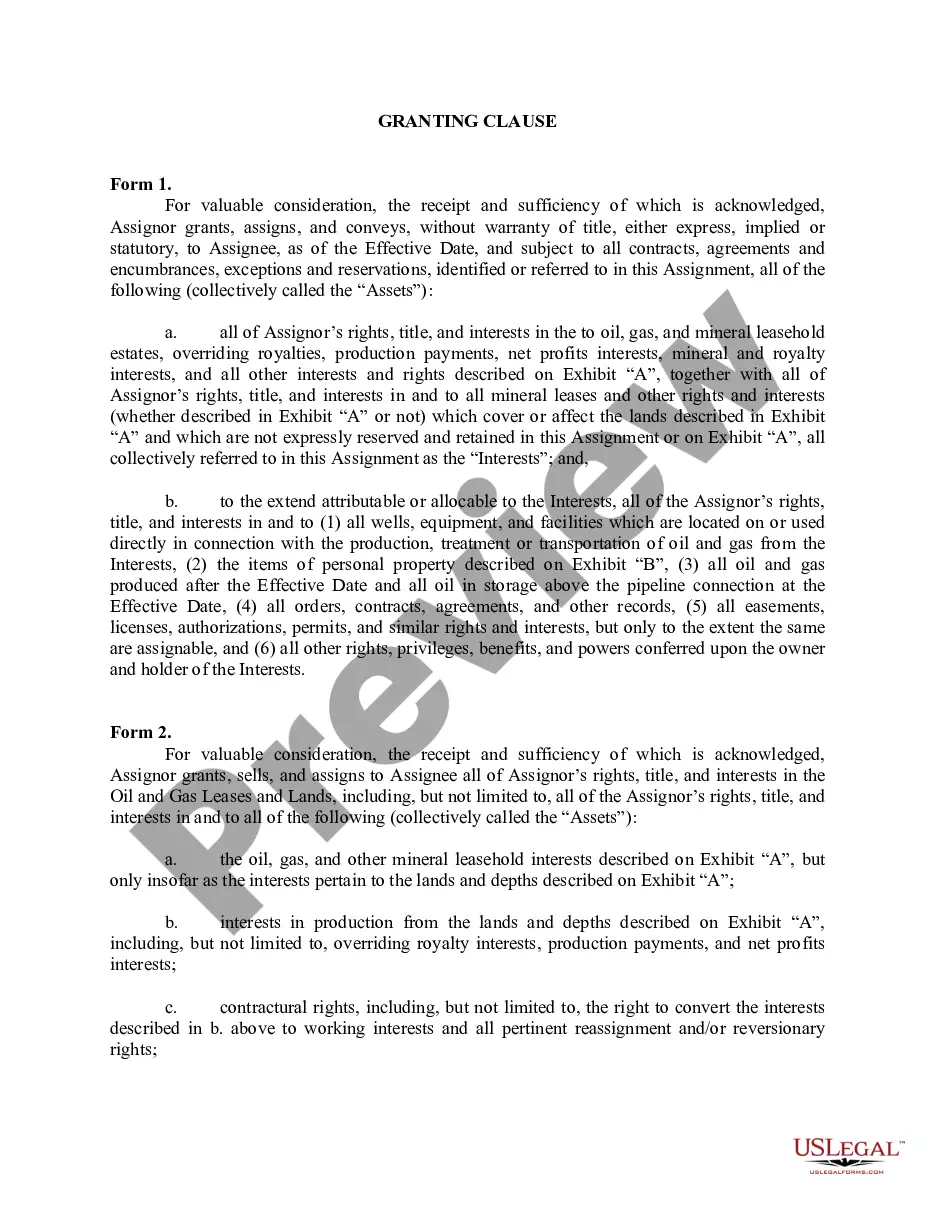
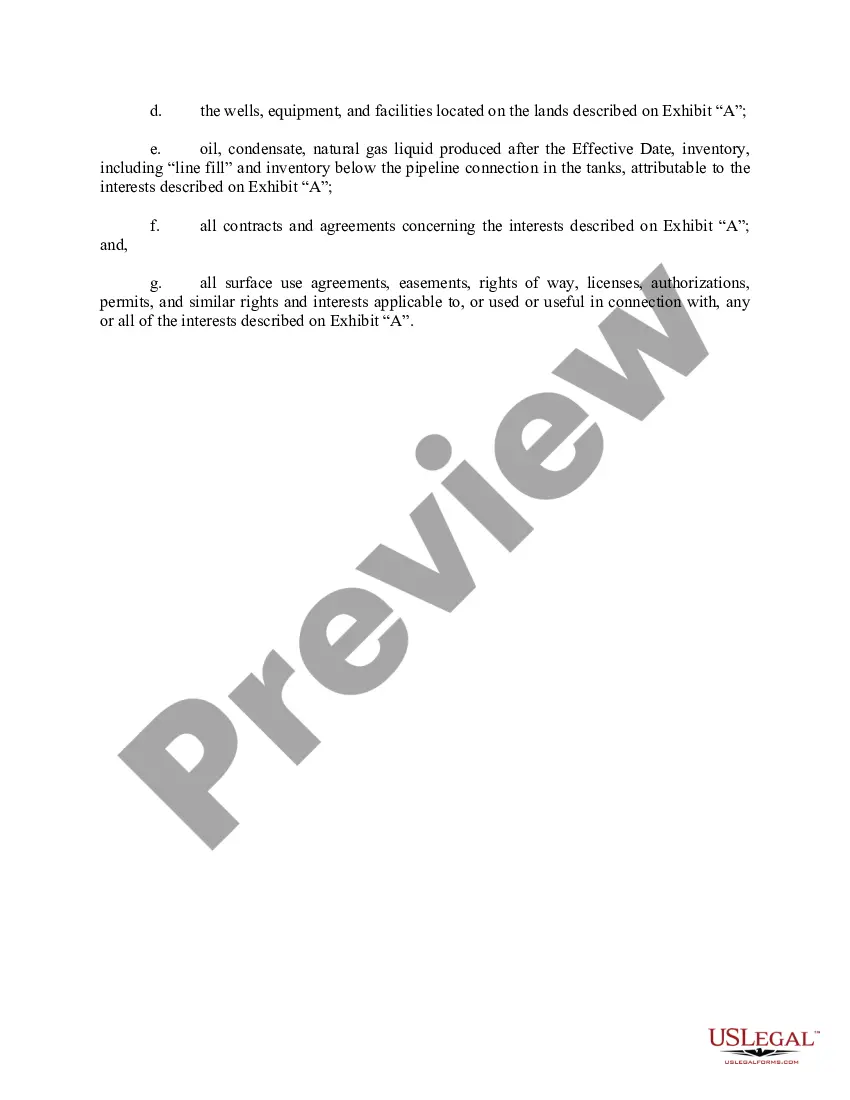
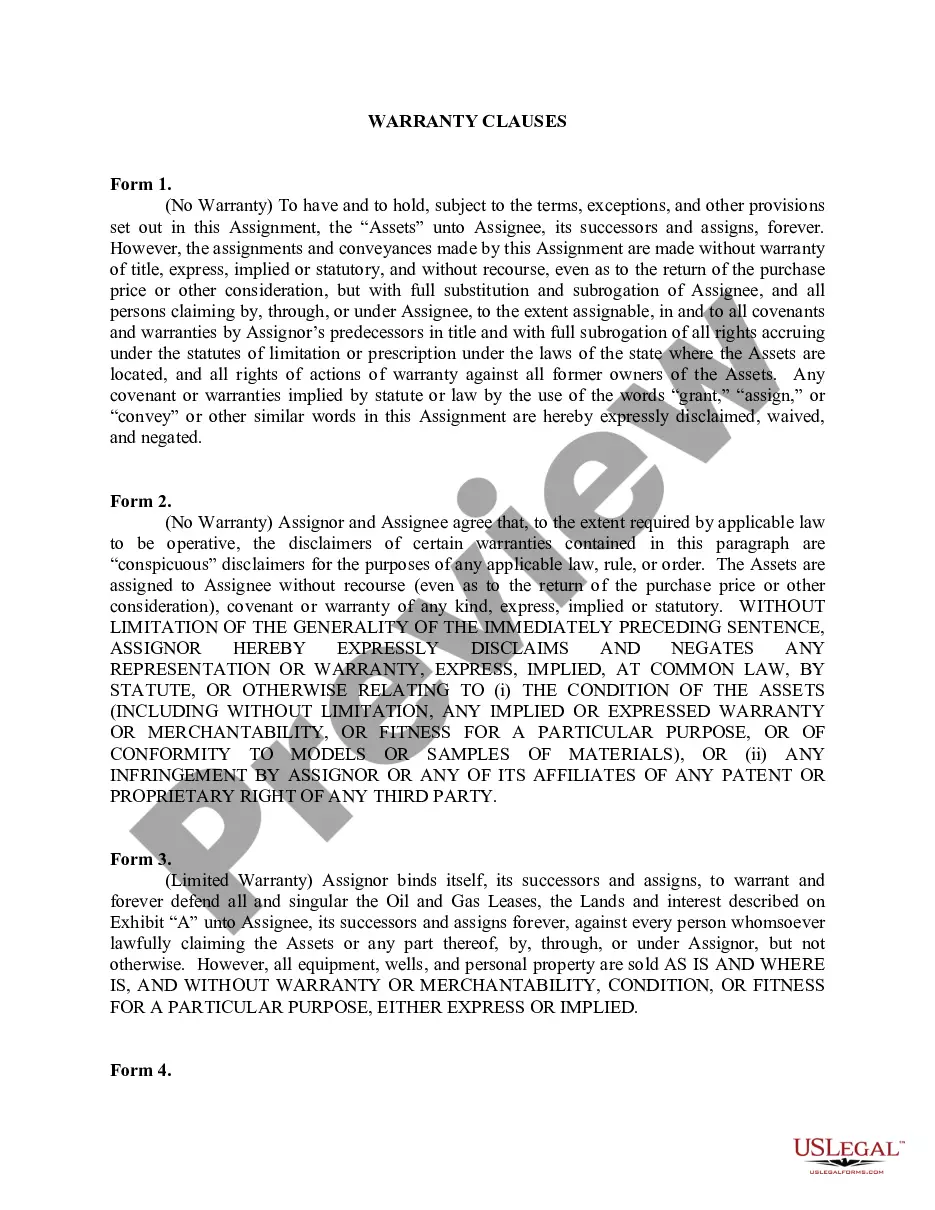
The Granting Clause form, the the receipt and sufficiency of which is acknowledged, assignor grants, assigns, and conveys, without warranty of title, either express, implied or statutory, to assignee.
While it's not mandatory, having a lawyer can be incredibly beneficial to navigate the complexities of granting clauses. They can help make sense of the legal jargon and ensure everything’s above board.
In case of a dispute, parties typically refer back to the original granting clause for clarification. If needed, they might seek legal help, like calling in a referee when scores are tied.
While there are no hard and fast rules, it's best to follow common practices in the area to keep things clear and straightforward. It’s like following a recipe; sticking to it helps avoid a messy outcome.
Yes, a granting clause can often be modified, but it usually requires mutual agreement from all parties involved. Just like a friendship, it thrives on good communication and understanding.
When reviewing a granting clause, keep an eye out for specific rights, restrictions, and any obligations. It's like reading the fine print before you sign, ensuring you're fully aware of your rights.
In Aurora, the granting clause shapes how property owners can use their land. Think of it as a rulebook that defines what's allowed and helps avoid misunderstandings down the line.
The granting clause is a part of a legal document that outlines the rights and permissions granted to property owners or other parties. It's like the key that unlocks the door to what you can and cannot do with your property.