A dispute resolution clause lays out how conflicts will be resolved, like mediation or arbitration, instead of heading straight to court. It’s a peace treaty that can save everyone a lot of time and trouble.
If someone doesn't hold up their end of the bargain, it’s considered a breach. You may be able to seek remedies like damages or forcing them to fulfill the contract, but it’s best to sort it out amicably first.
While it's not a must, having a lawyer can help you navigate the legal waters. They can catch small details that could sink your ship later on, so it’s often wise to consult one.
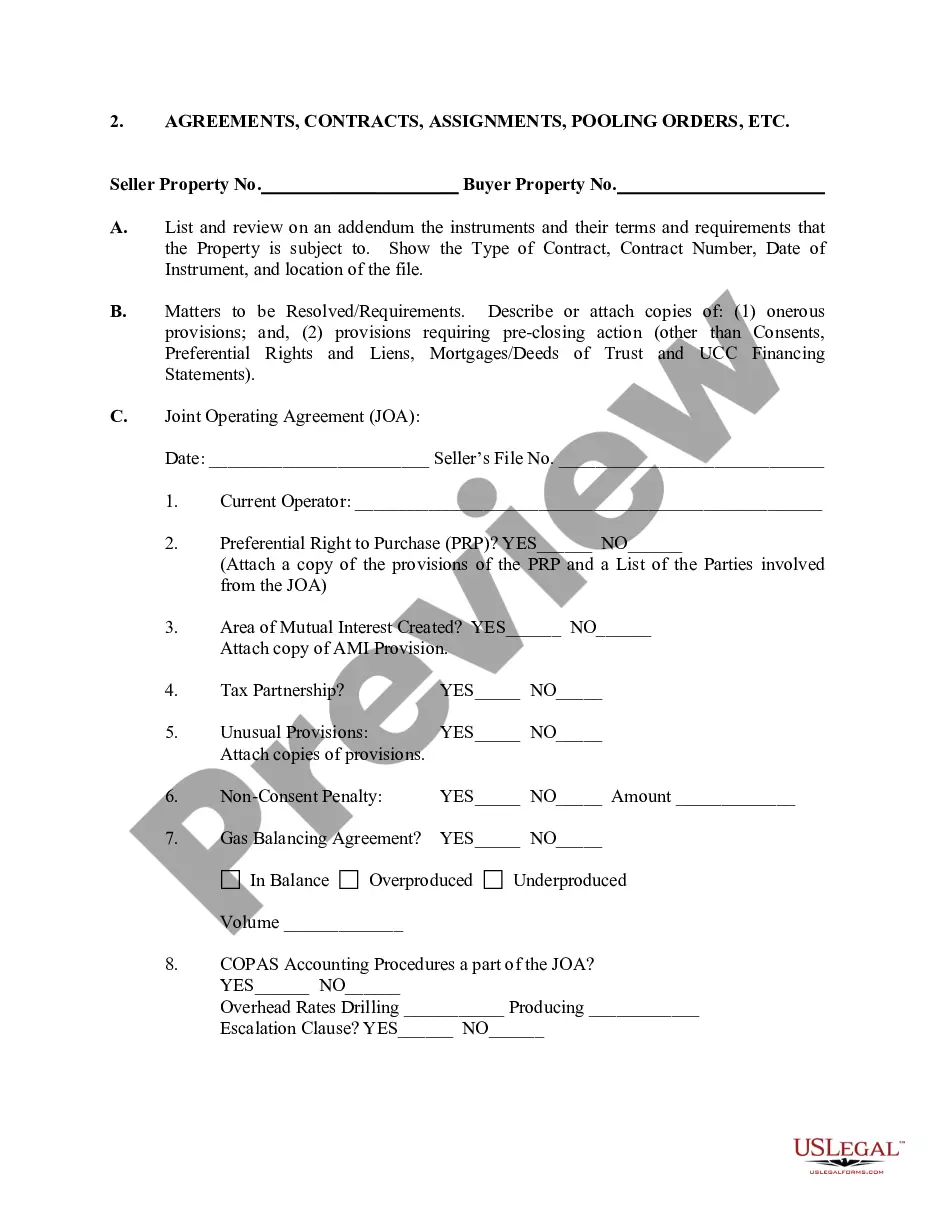
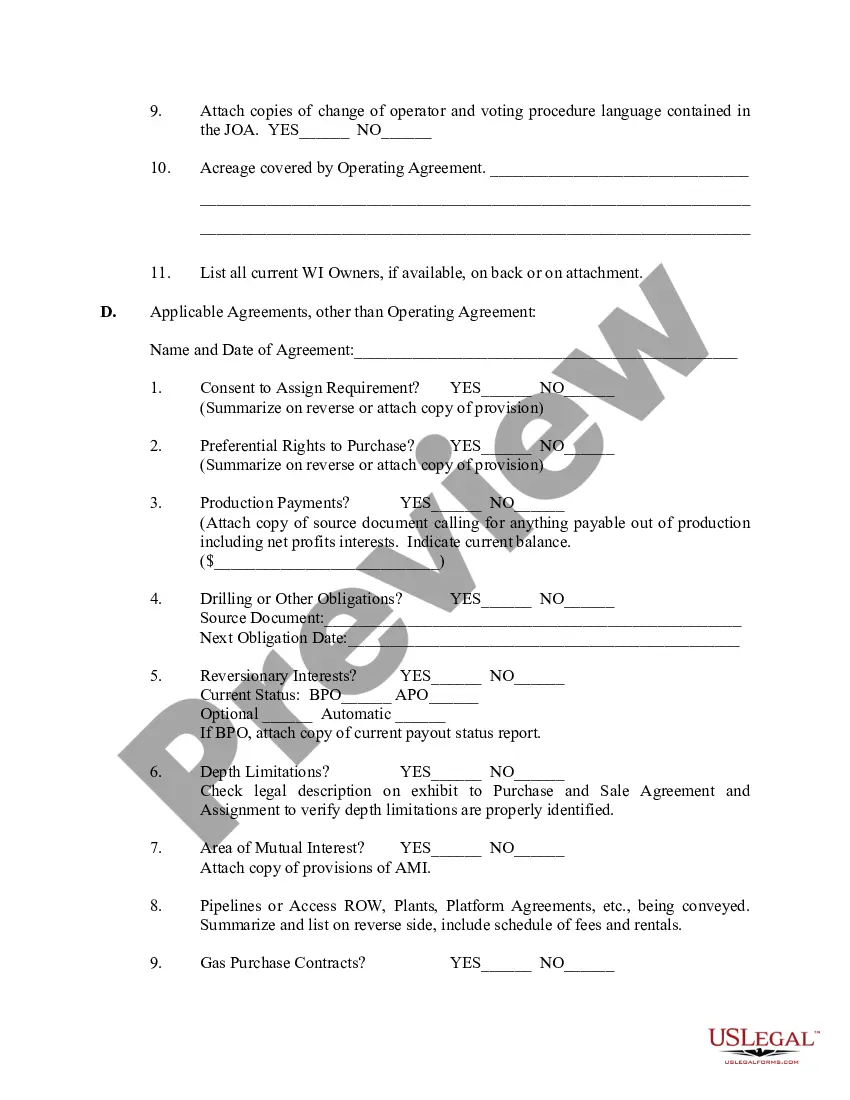
A pooling order usually includes the parties involved, the purpose of the pool, and how resources or benefits will be shared. Think of it as a recipe; you need all the right ingredients mixed together.
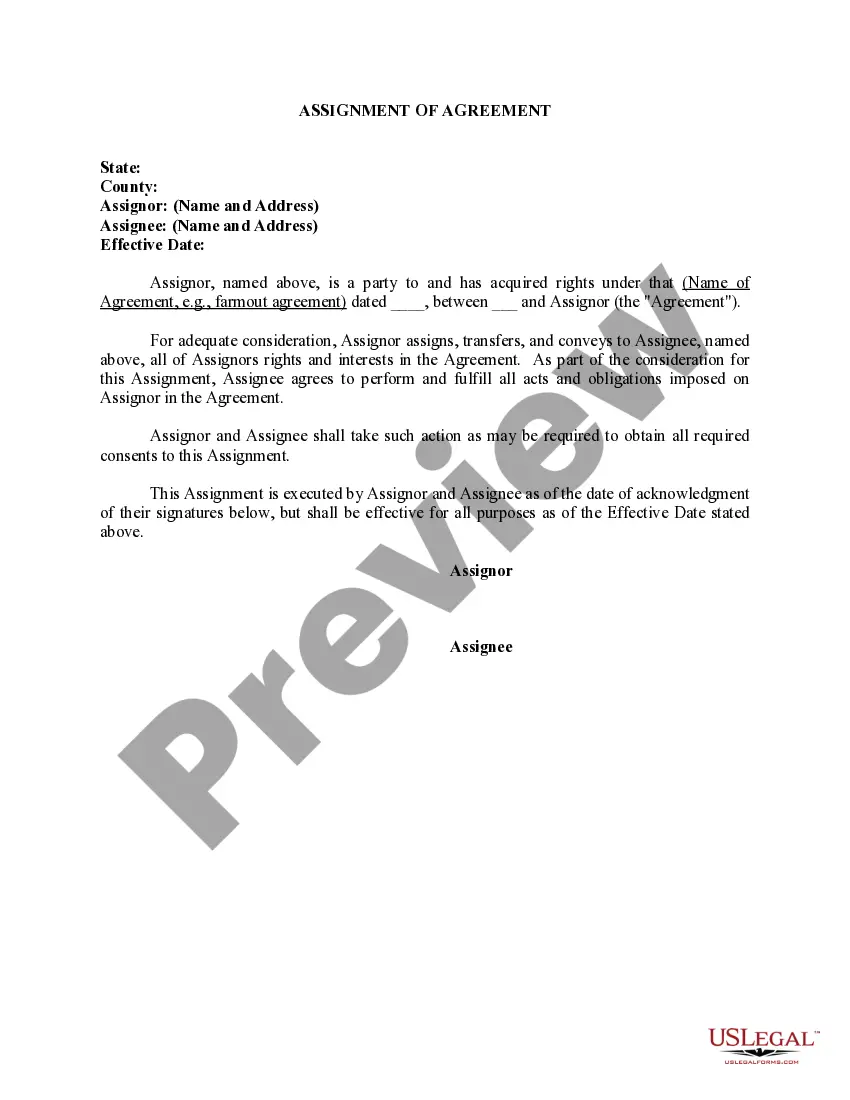
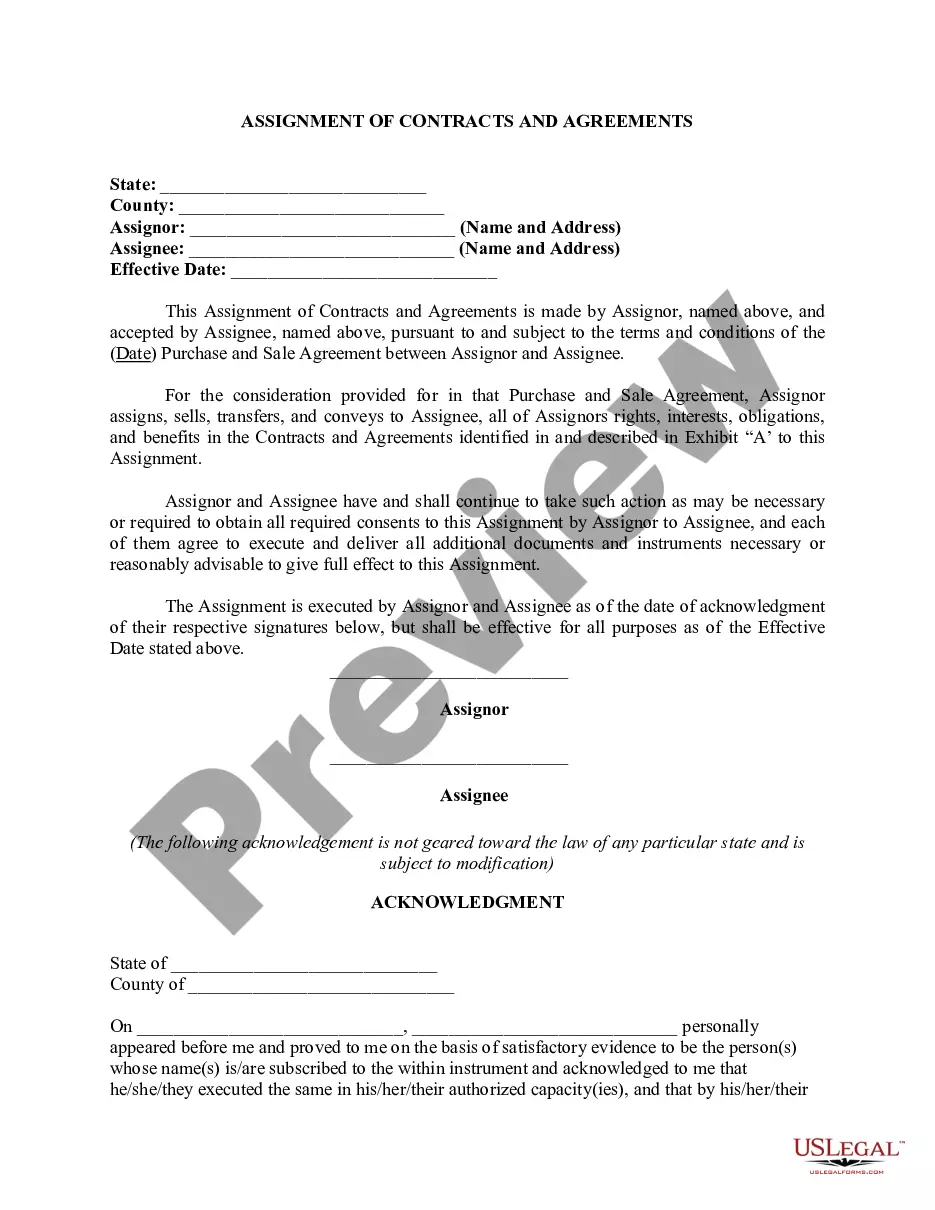
To assign your contract, you’ll typically need the original party's consent, unless the contract says otherwise. It’s like passing the baton in a relay race; you need to make sure everyone’s on the same page.
In simple terms, all contracts are agreements, but not all agreements are contracts. A contract is a legally enforceable agreement, whereas an agreement might just be a handshake without legal backing.