If you don’t stick to the guidelines of your groundwater lease, you could face penalties. It’s like breaking a promise—there may be some consequences to deal with down the road.
Absolutely! There are rules in place to make sure groundwater is used wisely and doesn’t run dry. Think of it as keeping a close watch on your garden—water it well, but don’t drown it.
Yes, you can transfer your lease to another party, but it’s good to check the terms of your specific lease agreement. It's like passing the baton in a relay race—you need to make sure the next runner is ready.
To snag a groundwater lease, you'll need to fill out some paperwork and meet specific conditions. It’s like preparing to bake a cake—follow the recipe, and you’ll be all set.
Most leases are set for several years, but they can have different lengths depending on the agreement. Think of it like a lease on an apartment—usually a few years, but it can vary.
Anyone who needs to use groundwater for business reasons, like farming or industry, can apply for a lease. It's open to folks who want to tap into that underground treasure.
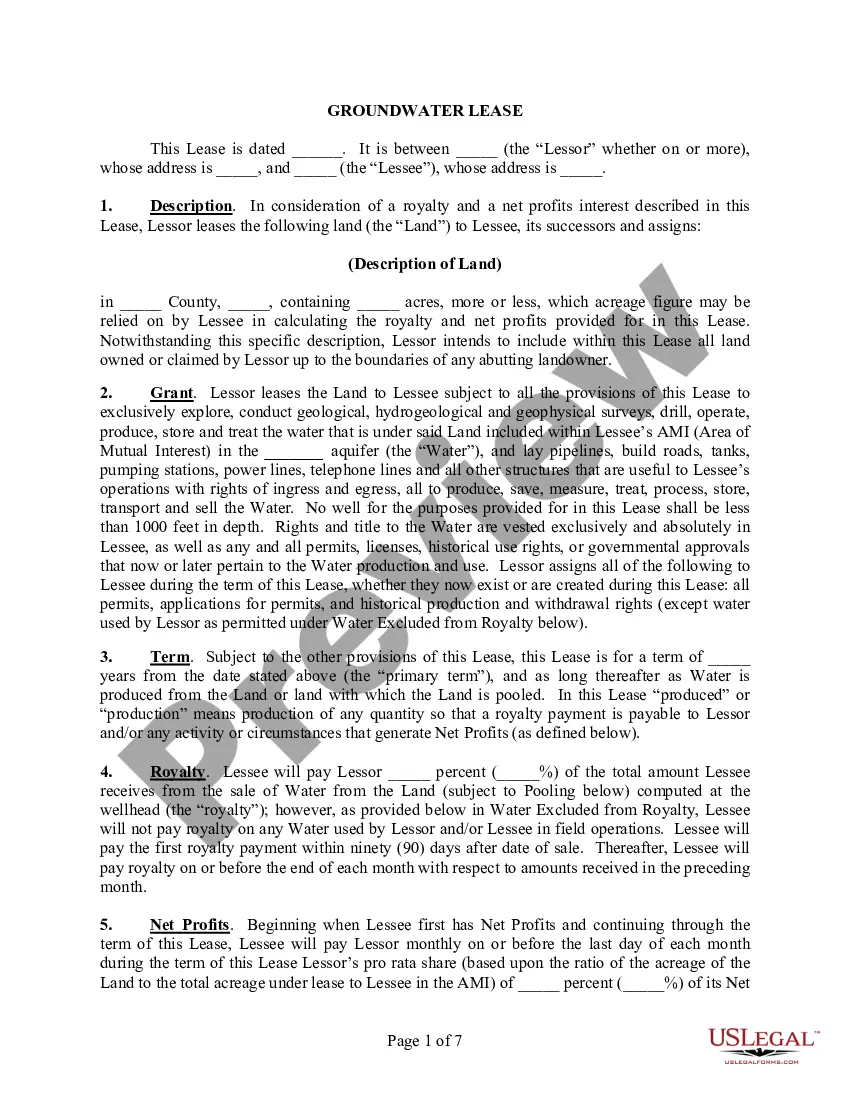
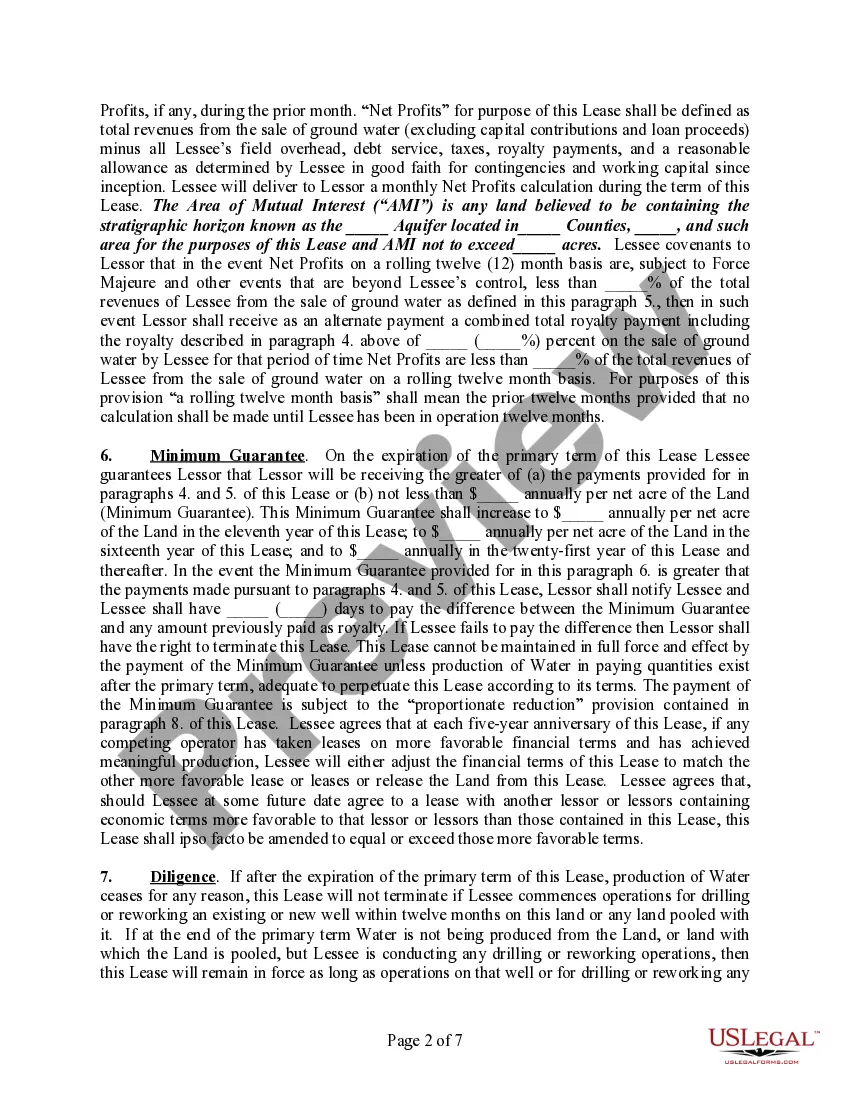
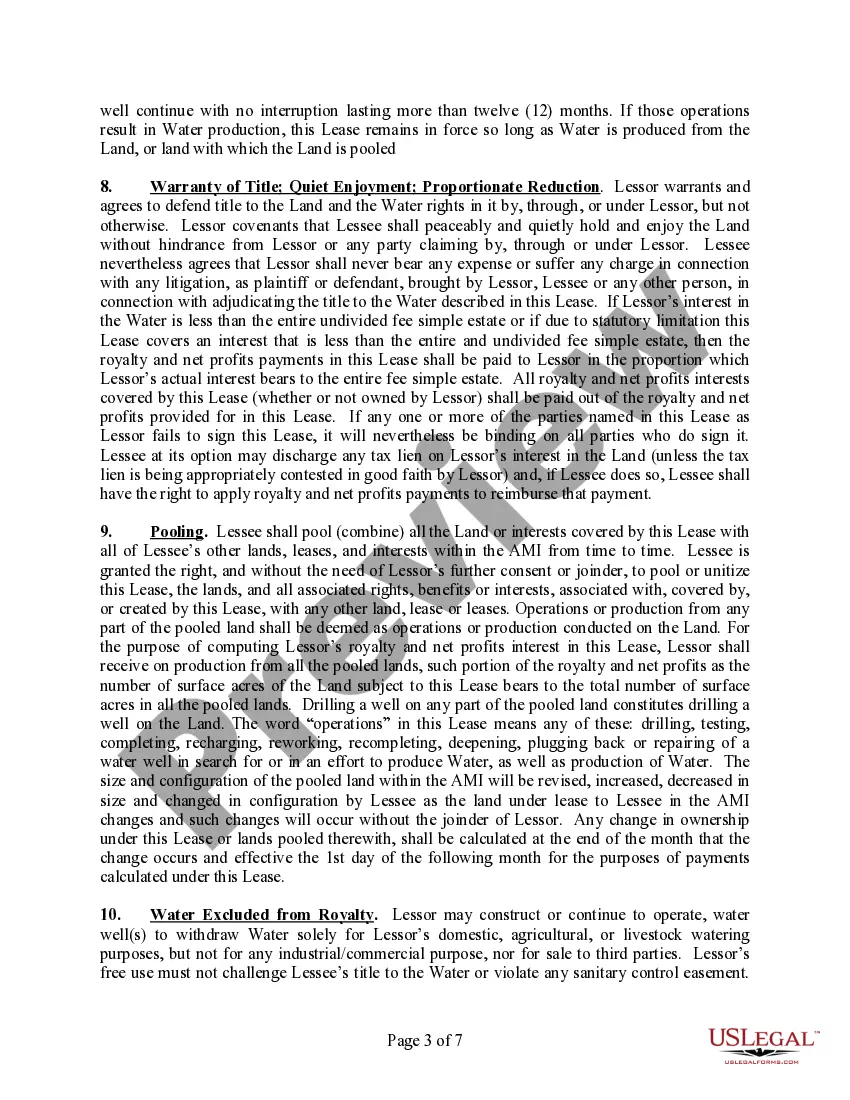
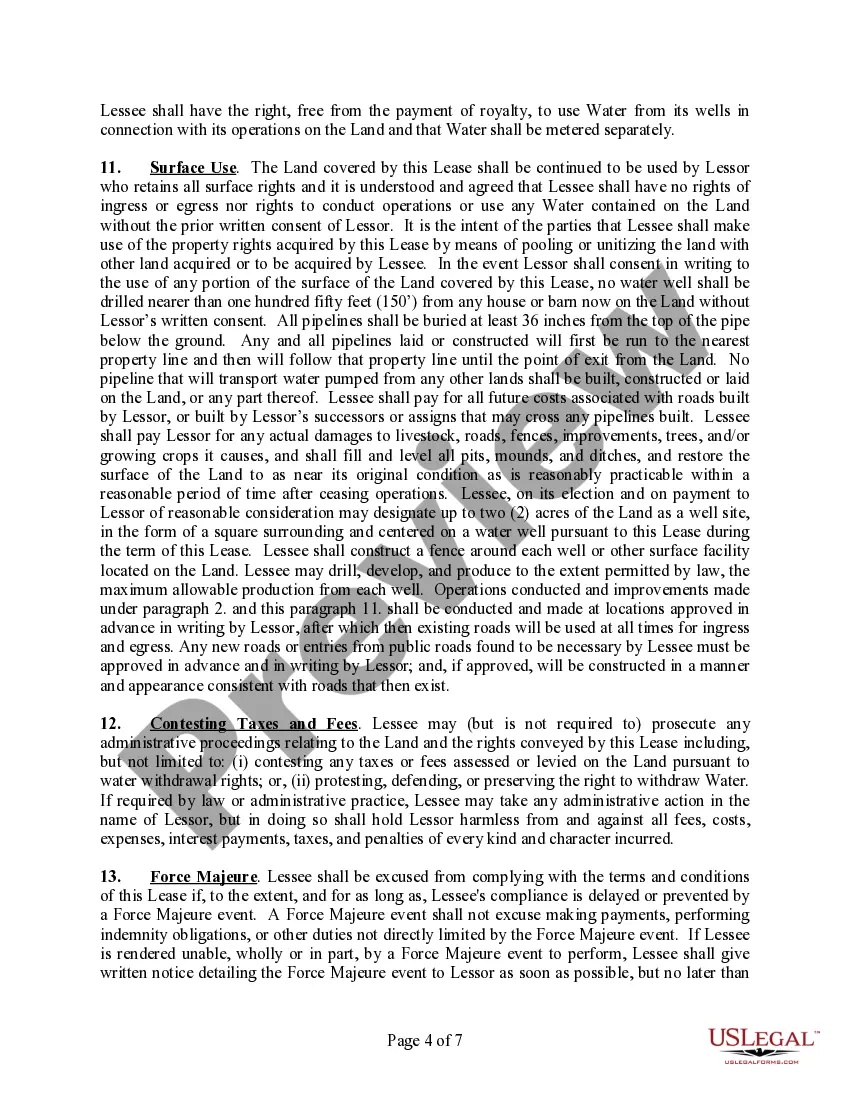
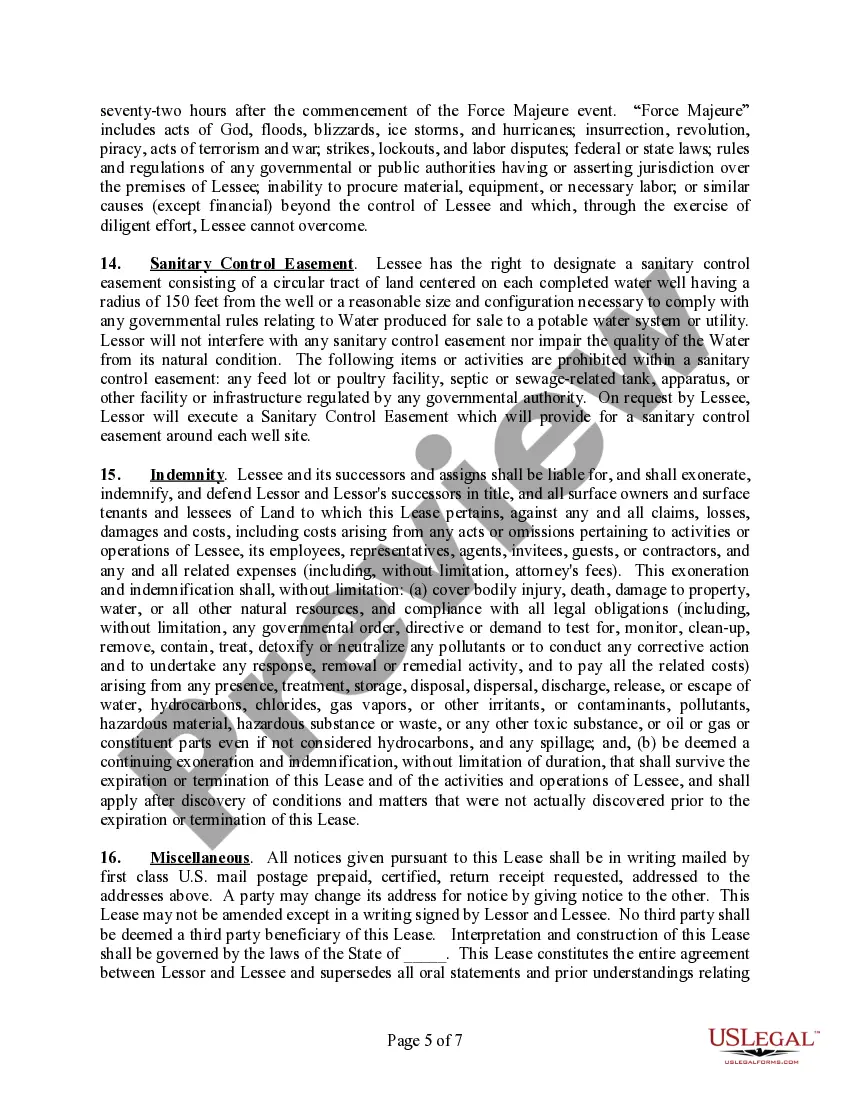
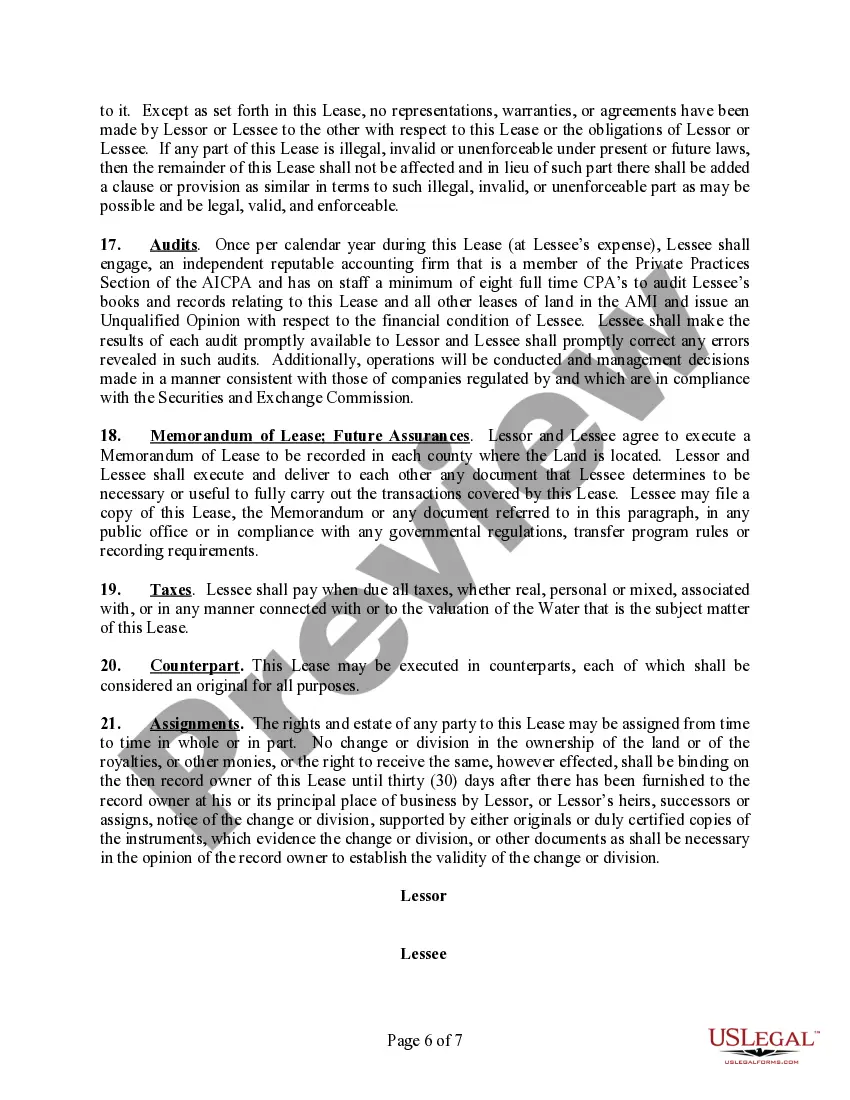
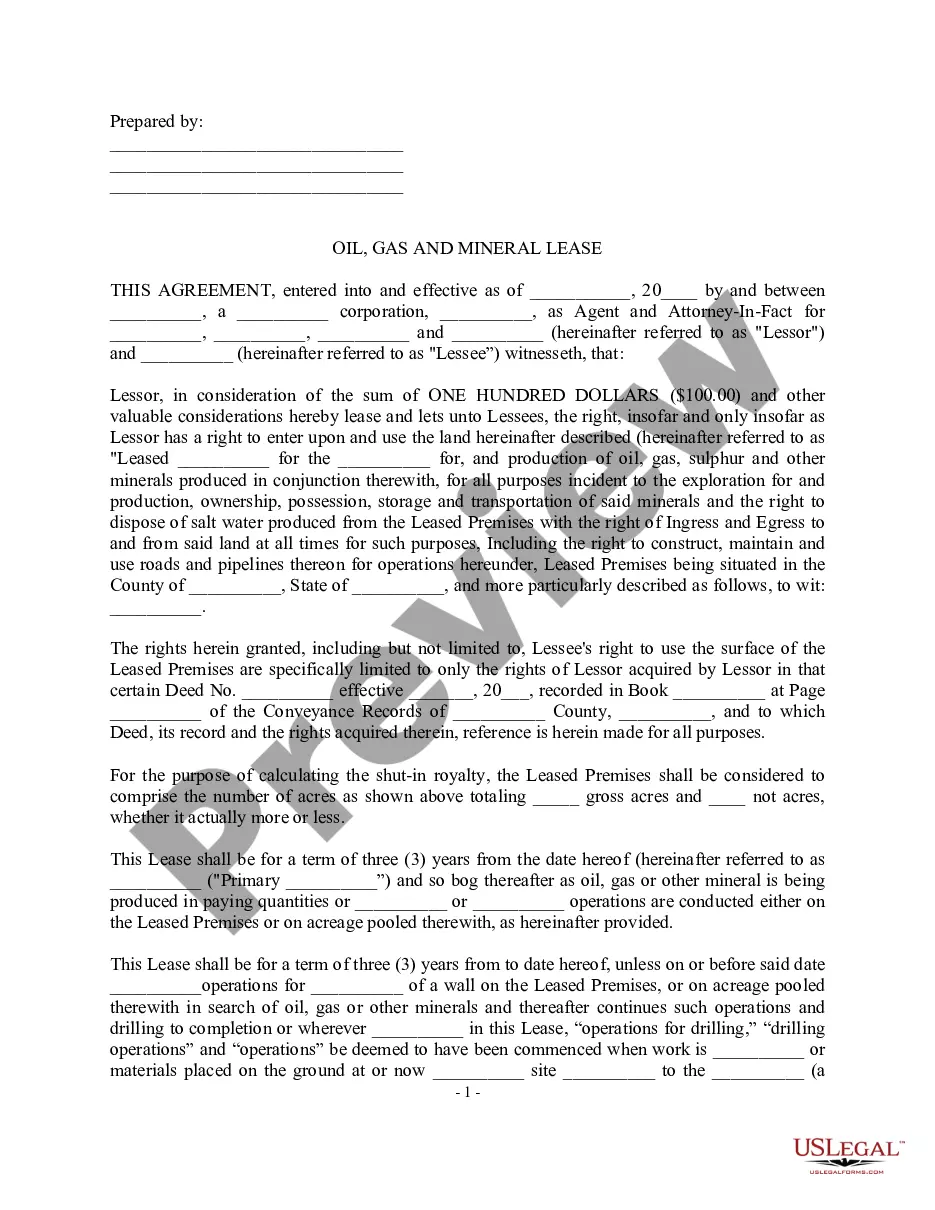
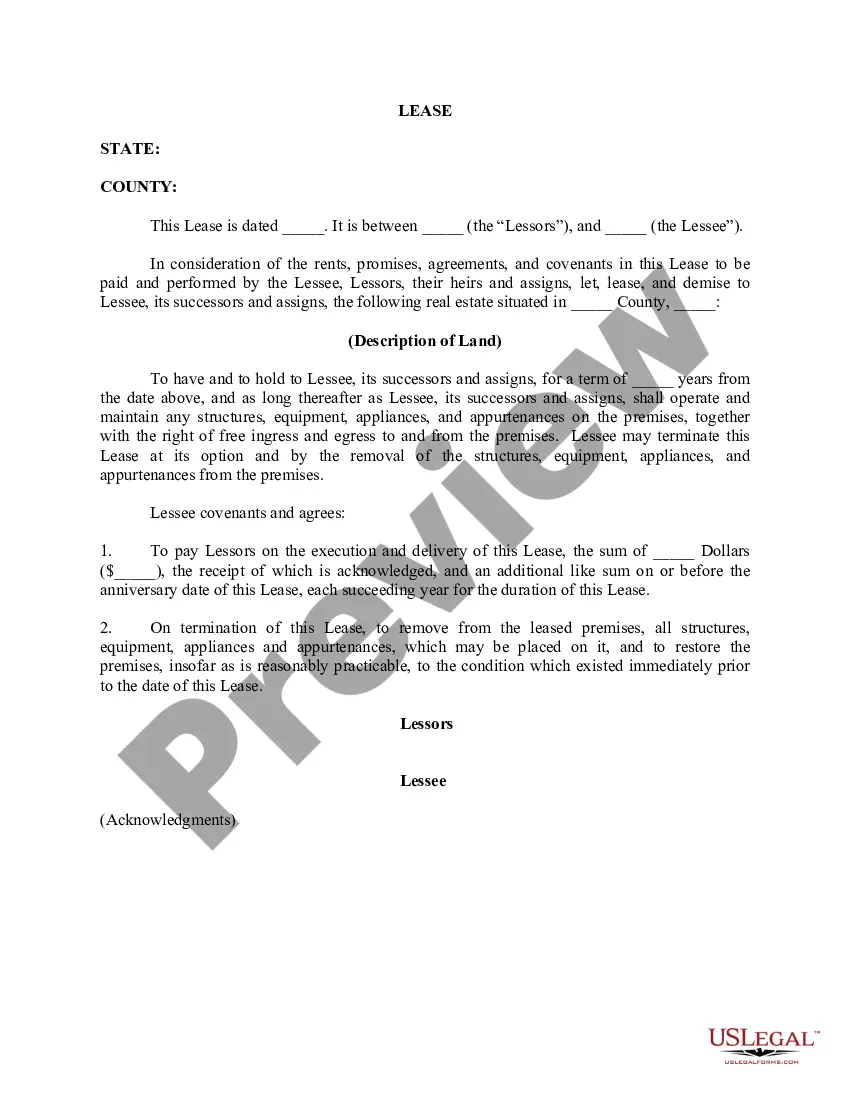
A groundwater lease is basically an agreement that lets a person or a company use the water resources underground for specific purposes. It’s like renting a cozy cottage—you're using it, but it still belongs to someone else.