If it’s not documented, it’s like trying to catch smoke with your bare hands – it just doesn’t work. You might end up with disputes later, so always make sure to put it in writing.
While there’s no set limit, too many Change Orders can complicate things. It's like adding too many spices to a soup - sometimes, less is more!
Just like any relationship, communication is crucial. A contractor can refuse a Change Order, but it’s best to discuss and reach a mutual agreement to keep the project rolling smoothly.
You don't need to write a novel, but having a solid reason helps everyone stay on the same page. Whether it's a design change or unforeseen issues, clarity is key.
Think of it this way: a Change Order can throw a little bit of a wrench in the works. It may extend the timeline, as changes need to be planned and executed properly.
If you find yourself needing more work done or if something needs to be changed during the project, that's your cue to request a Change Order.
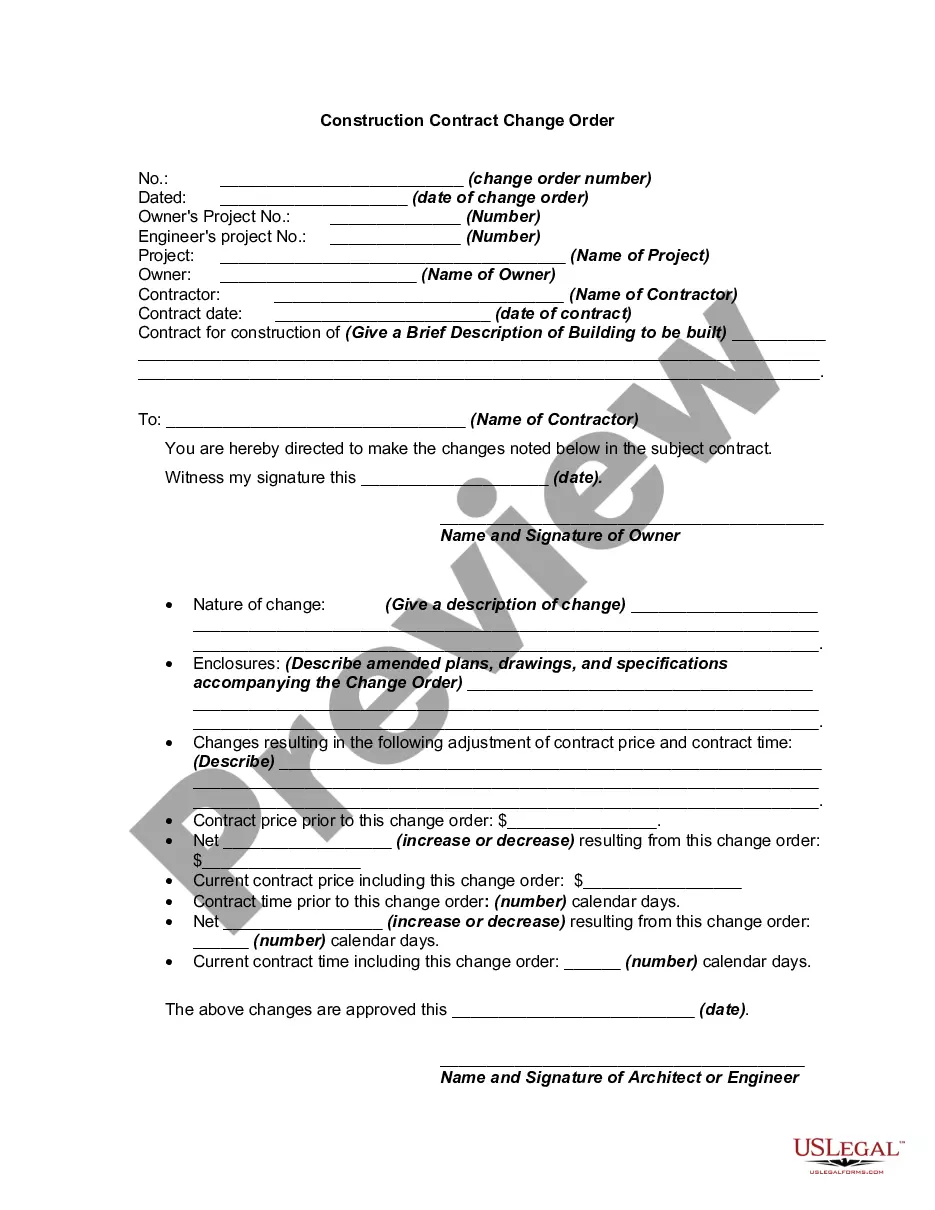
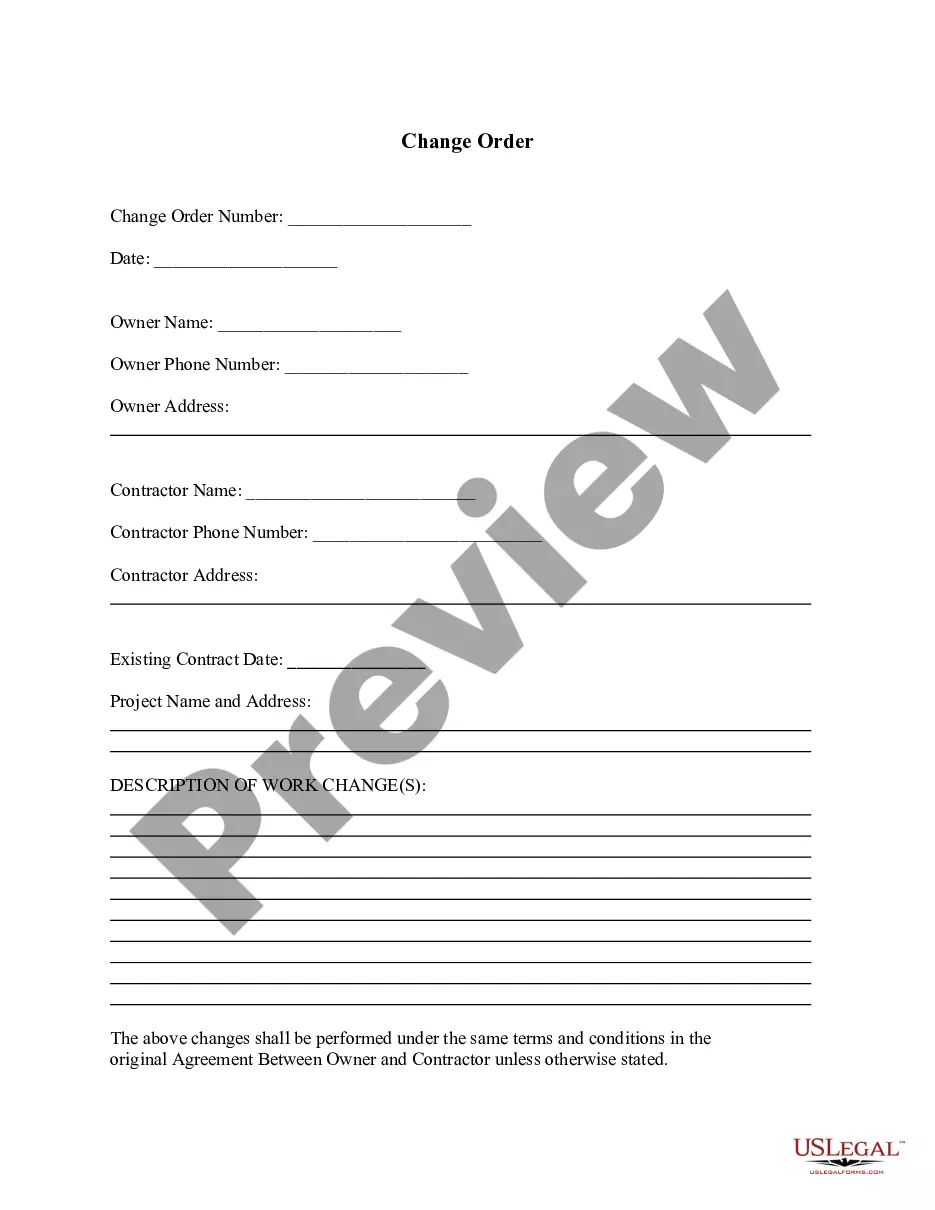
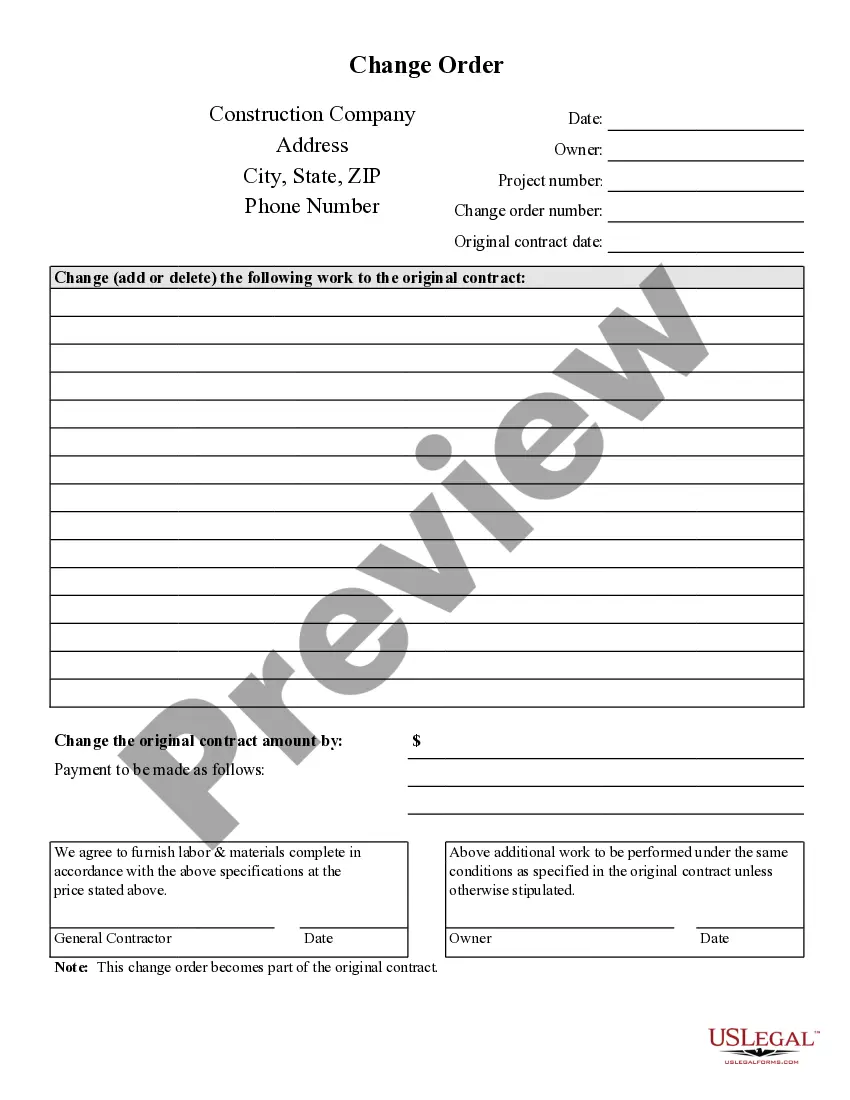
A Change Order is like a fine-tuning tool for a construction project. It’s a formal way to make adjustments to the original contract, whether it’s adding, modifying, or deleting aspects of the work.