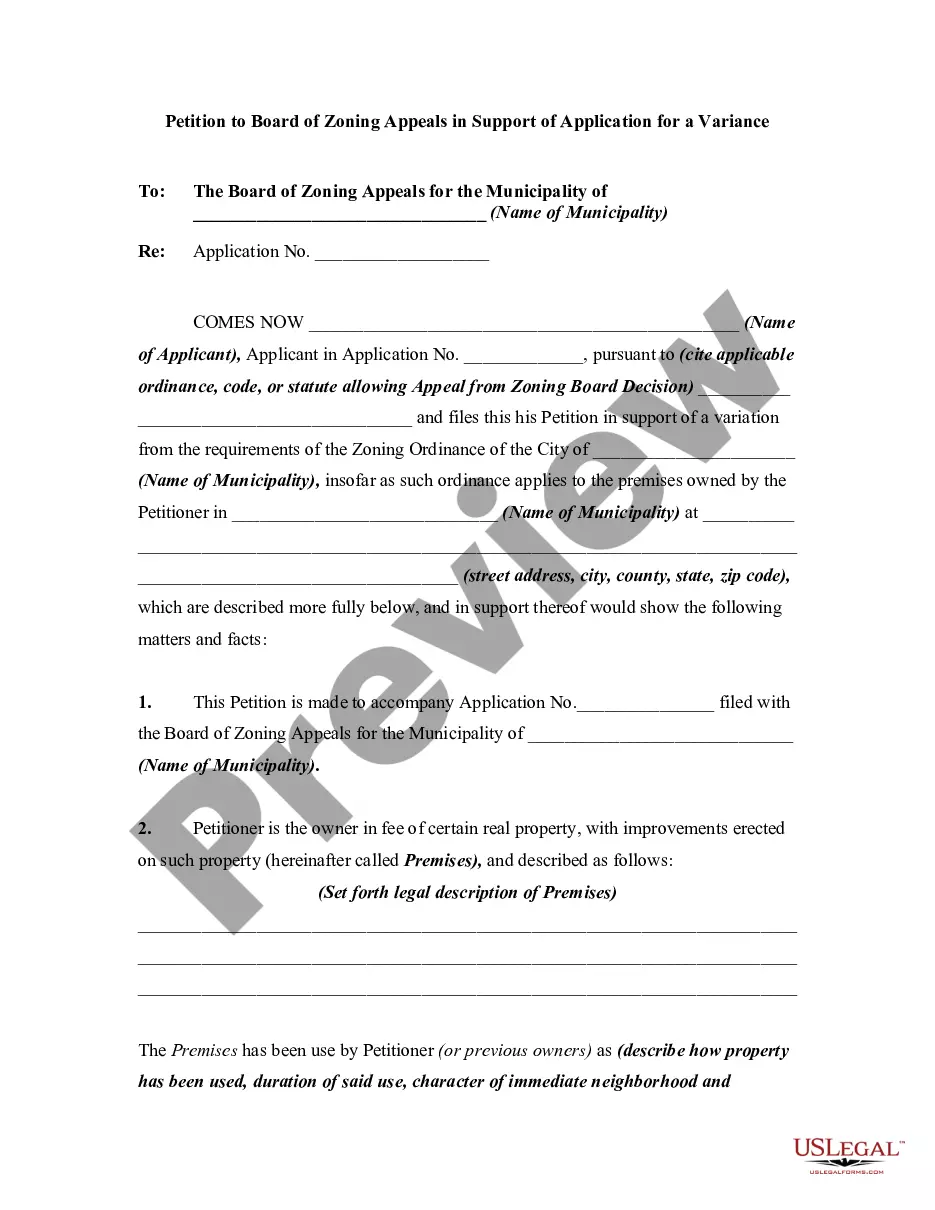
Include clear reasons for your request, any supporting documents, and comments from neighbors in favor. It's all about making a strong case to show why your plans should be approved.
Yes, you can appeal. If the first go-round doesn't go your way, there's still a chance to present your case again and try to turn things around.
The approval process can take several weeks to a few months, depending on the complexity and community feedback. Patience is key when navigating the city’s gears.
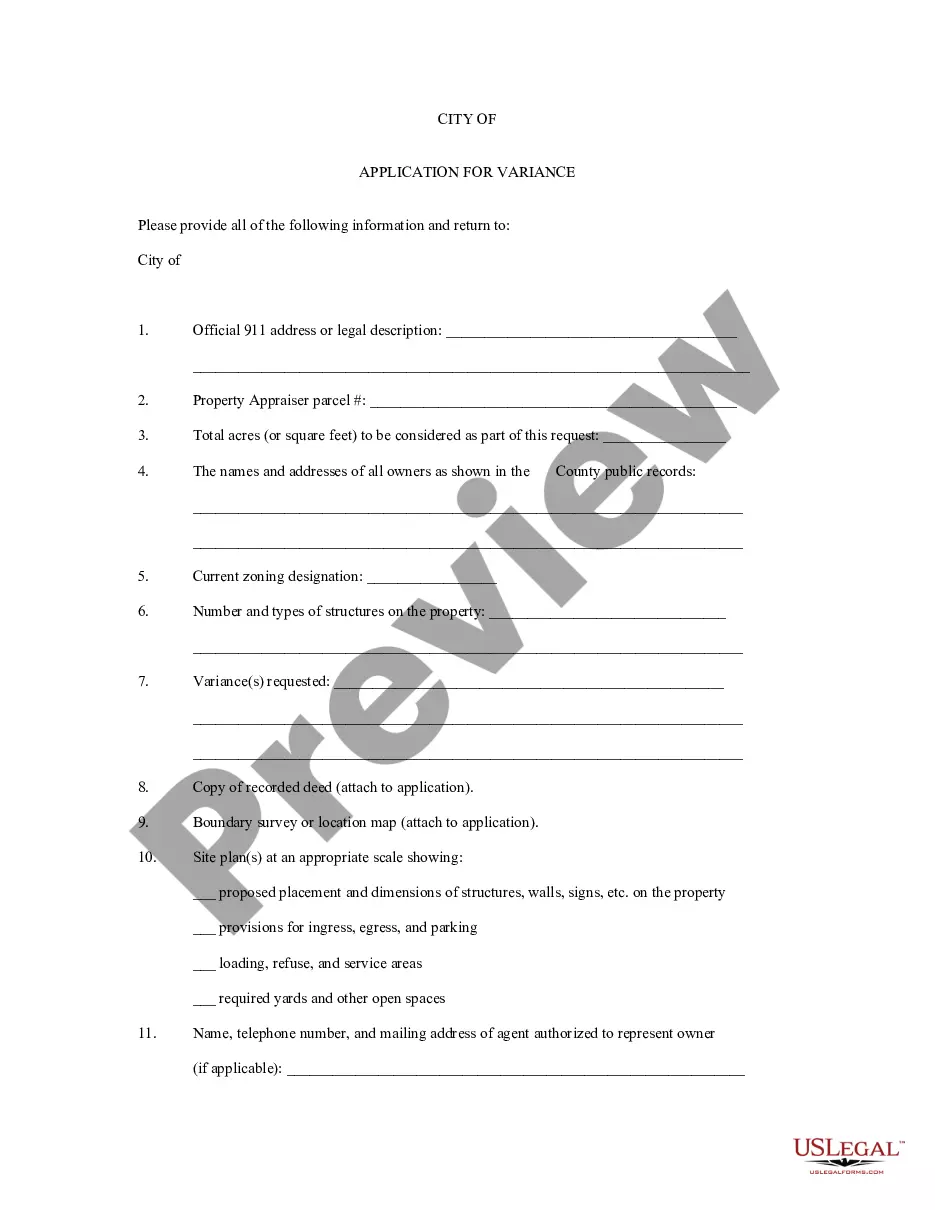
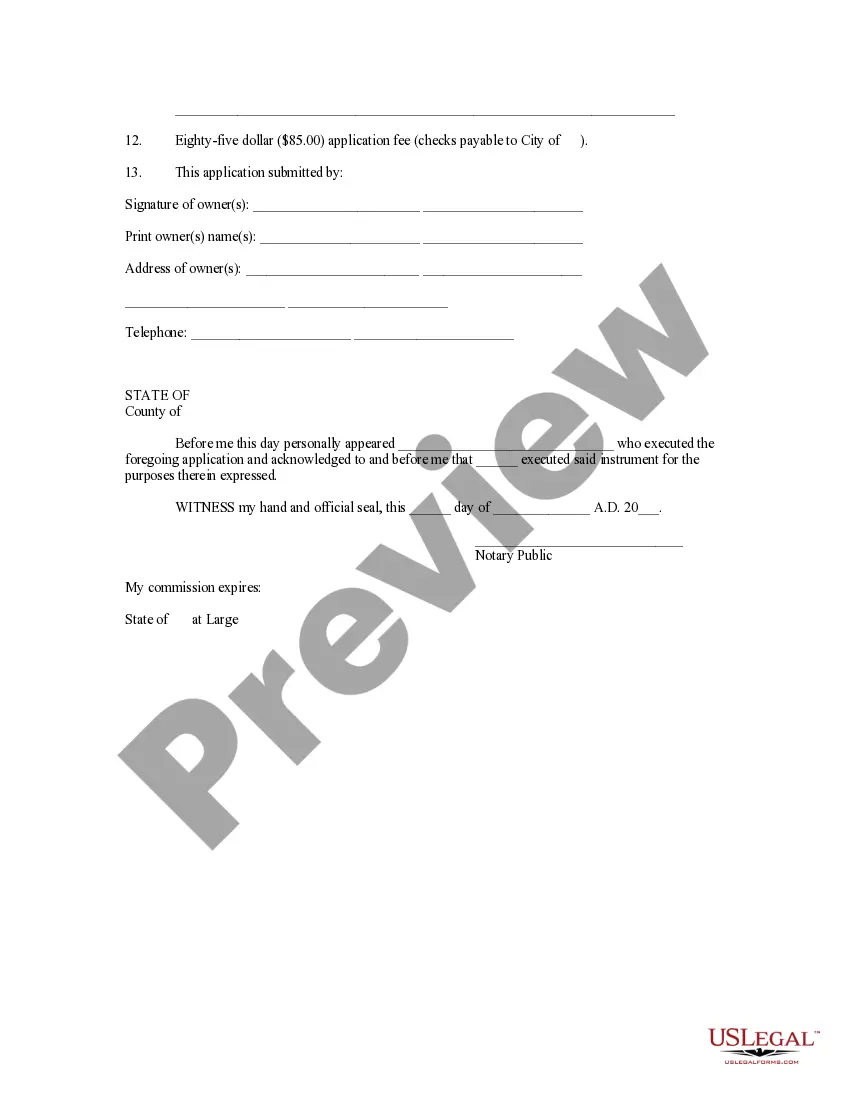
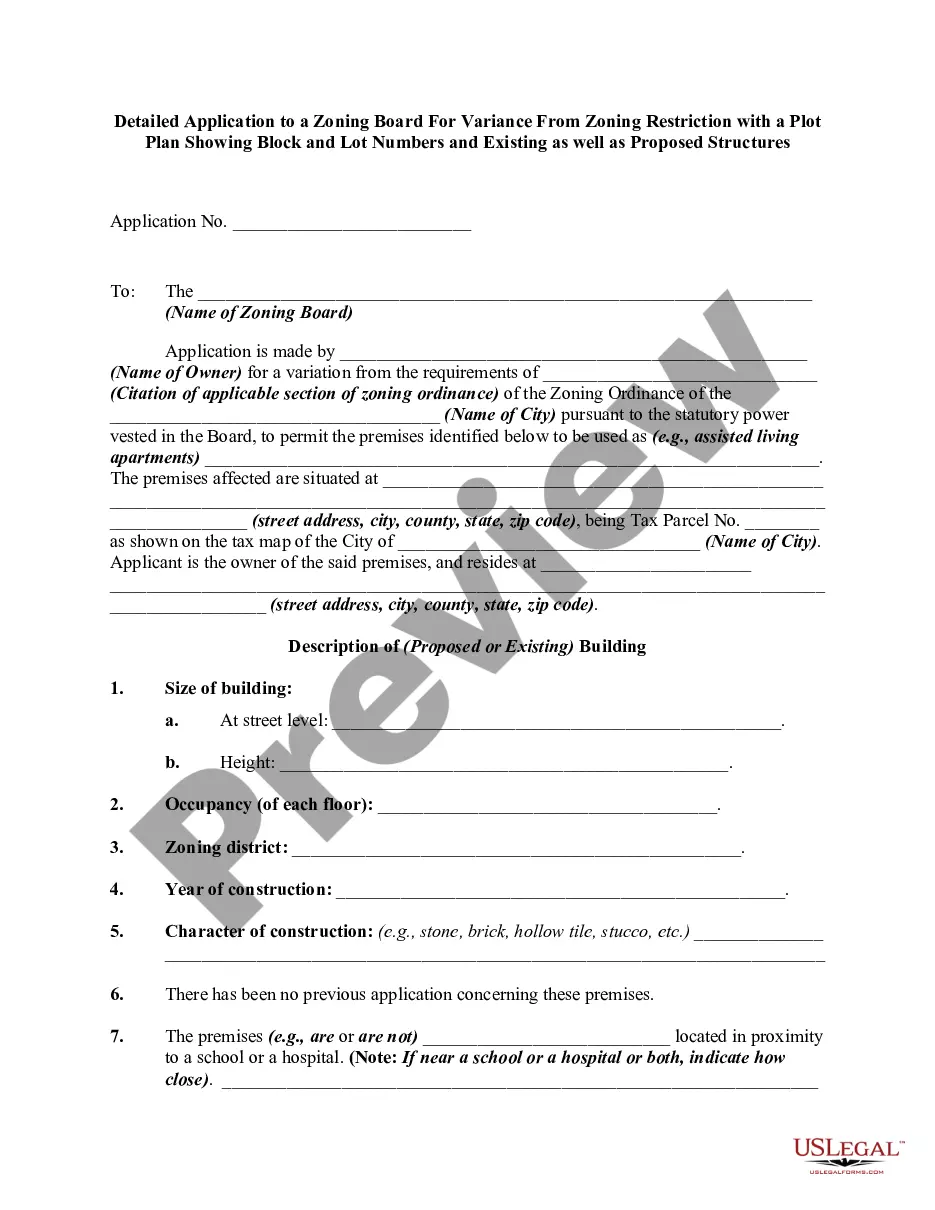
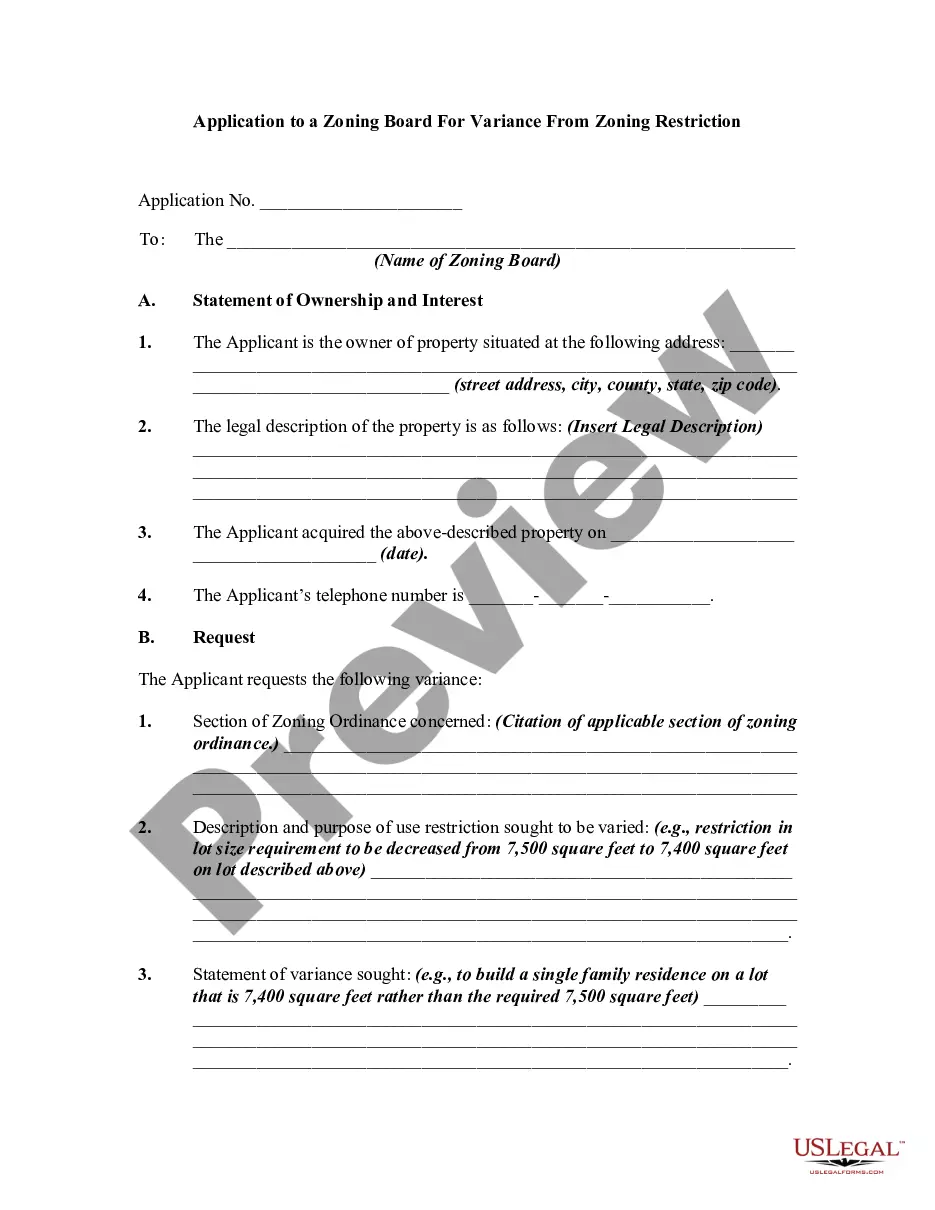
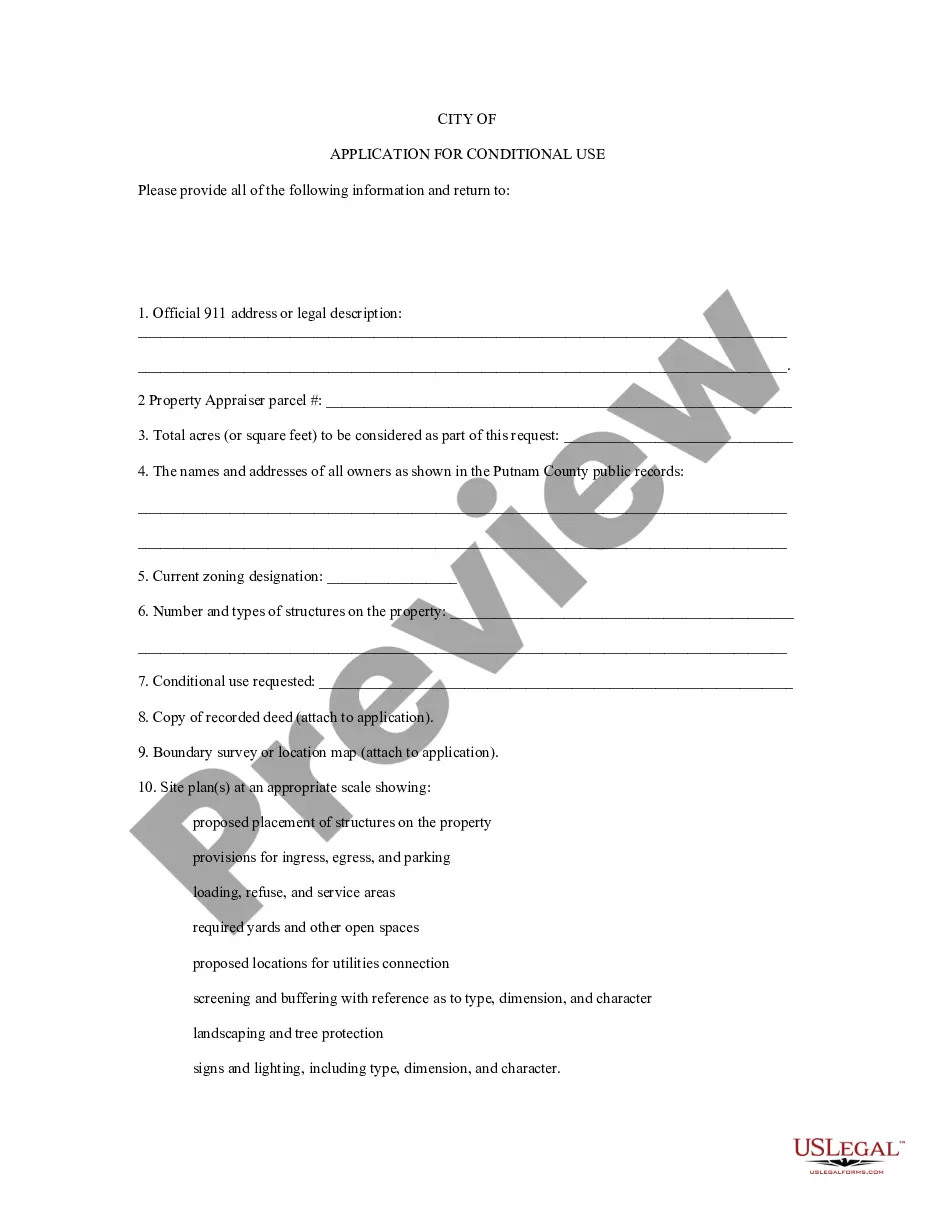
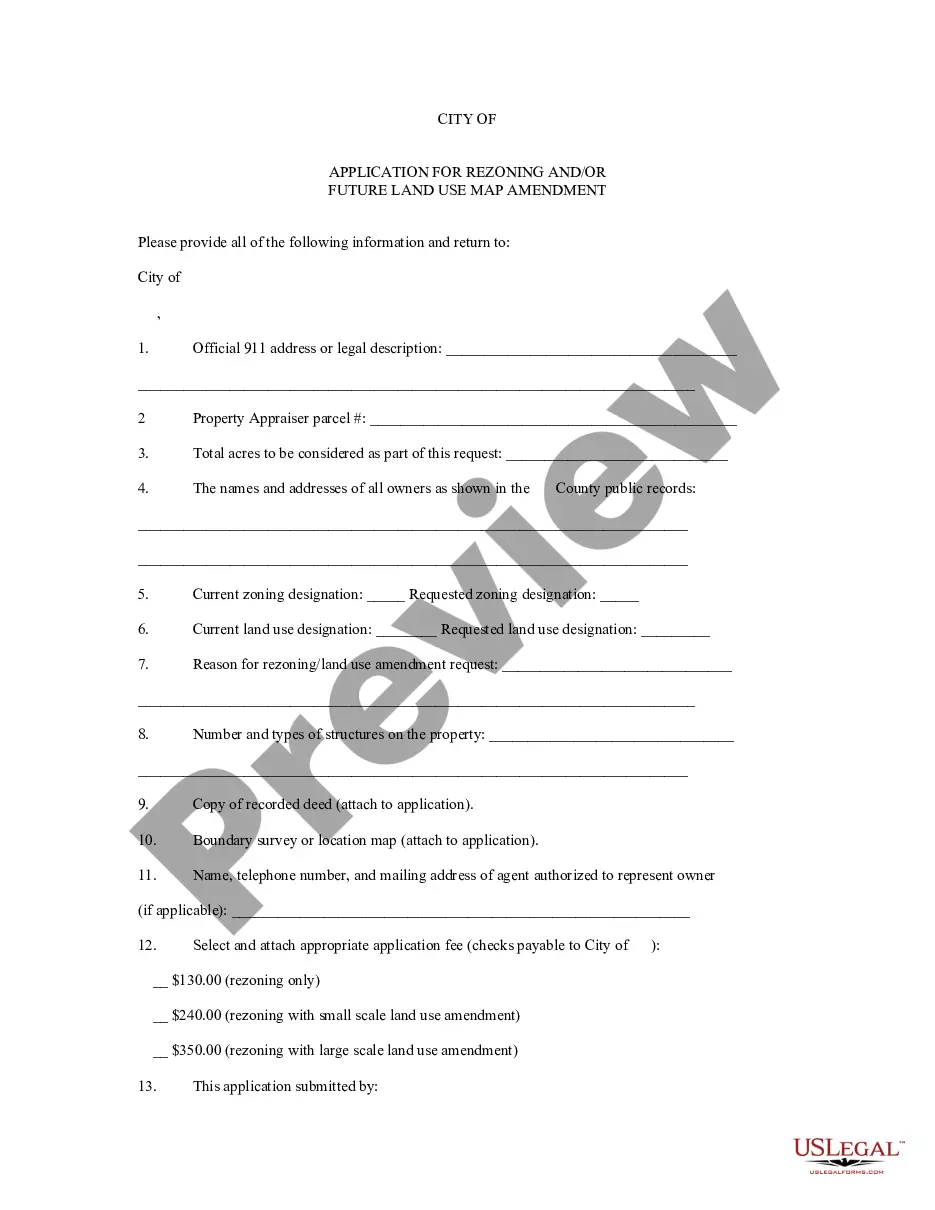
The process usually involves filling out an application, providing necessary documents, and attending a public hearing. It's like going through hoops before you can get that golden ticket.
Common types include setbacks, height limits, and use variances. If you're looking to change how land or buildings can be used, that's typically where variances come into play.
If your project doesn't align with zoning codes, it's worth considering a variance. If you want something unique that doesn't fit the usual mold, that's a sign you might need one.
A variance is special permission to deviate from zoning laws. You might need one if your plans don't quite fit the city's rules, like building a fence higher than allowed.