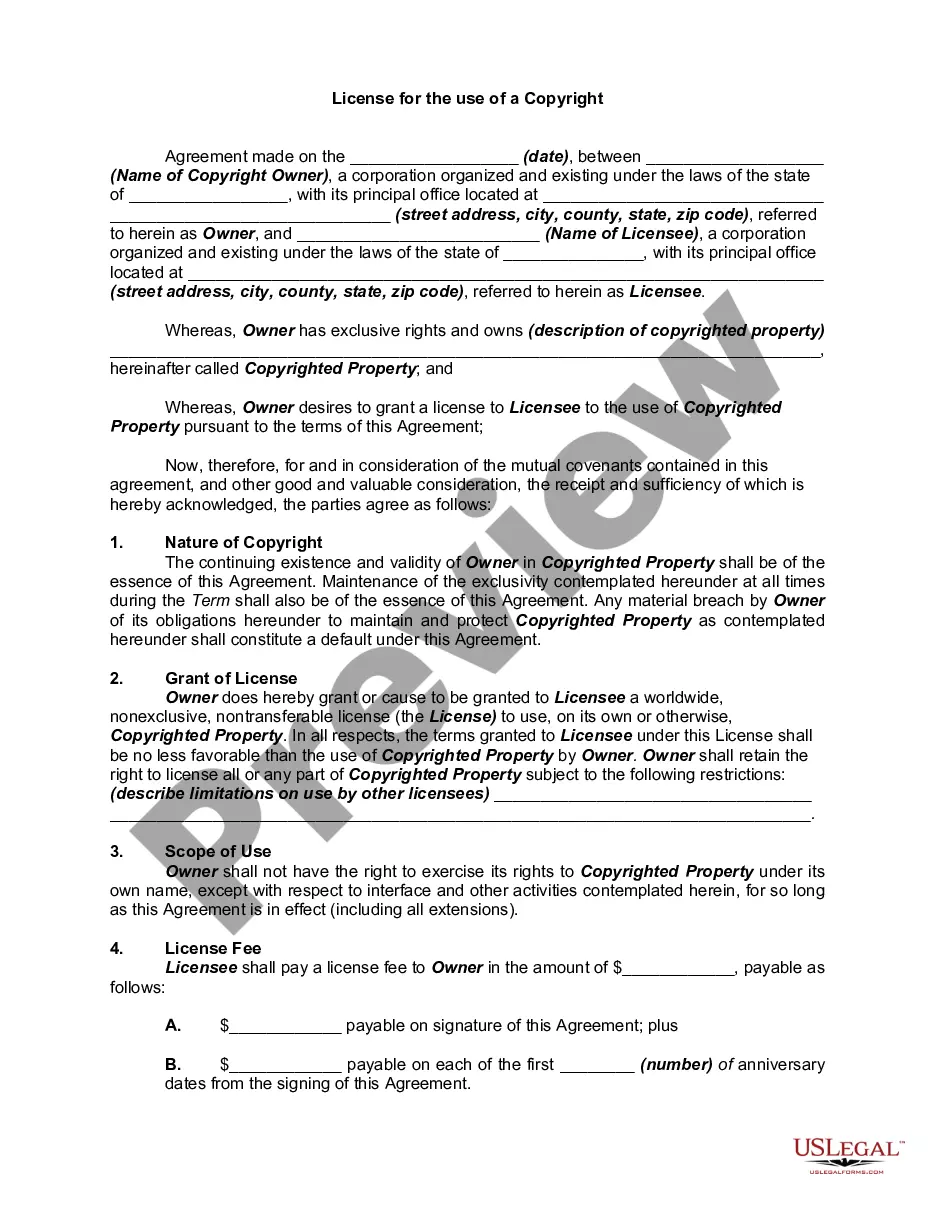
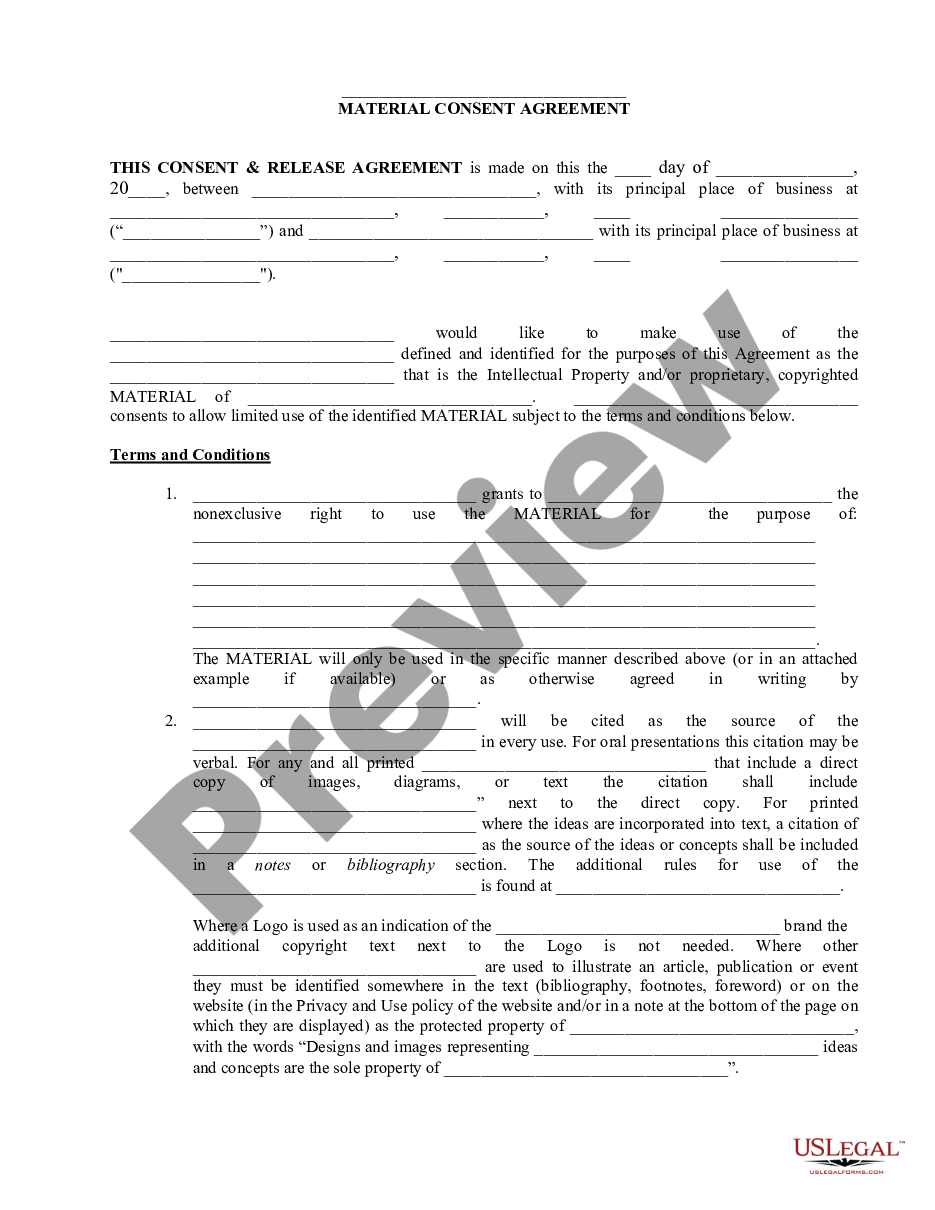
This form is a model adaptable for use in federal copyright law, licensing and related law. Adapt the form to your specific needs and fill in the information. Don't reinvent the wheel, save time and money.
You can check the U.S. Copyright Office database to see if a work is registered. If not, it might still be protected, so it's best to tread carefully.
Yes, there are exceptions like fair use, which allows limited use of copyrighted material without permission for purposes such as criticism, commentary, or education.
If someone steps on your toes and violates your copyright, you can take legal action to stop them and possibly seek damages.
While registering your copyright isn't required, it can offer extra benefits, like being able to sue for damages if someone uses your work without permission.
Absolutely! As soon as you create something original and fix it in a tangible form, like writing it down or recording it, you automatically have copyright protection.
Copyright protection in Jacksonville typically lasts for the life of the creator plus 70 years. After that, the work enters the public domain, where anyone can use it freely.
Sure thing! There are exceptions like fair use, which allows limited use of copyrighted material without permission. Just remember, it’s a gray area—better safe than sorry!