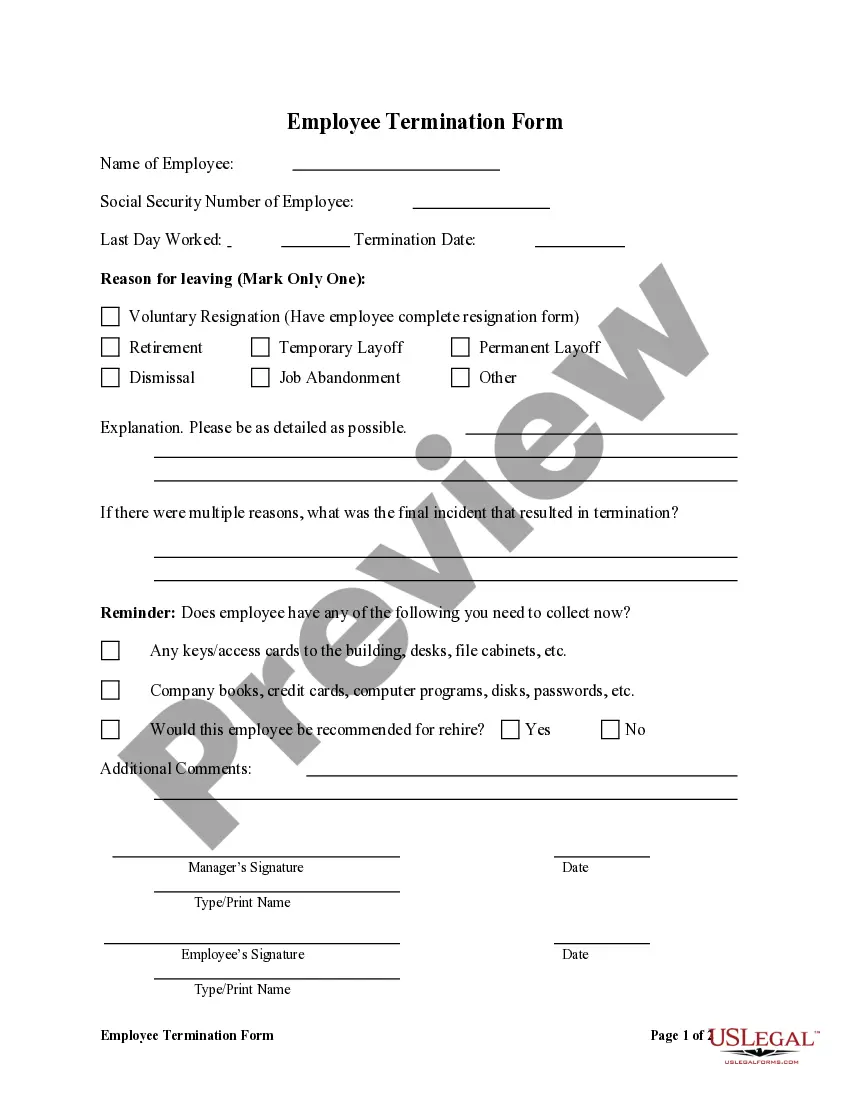
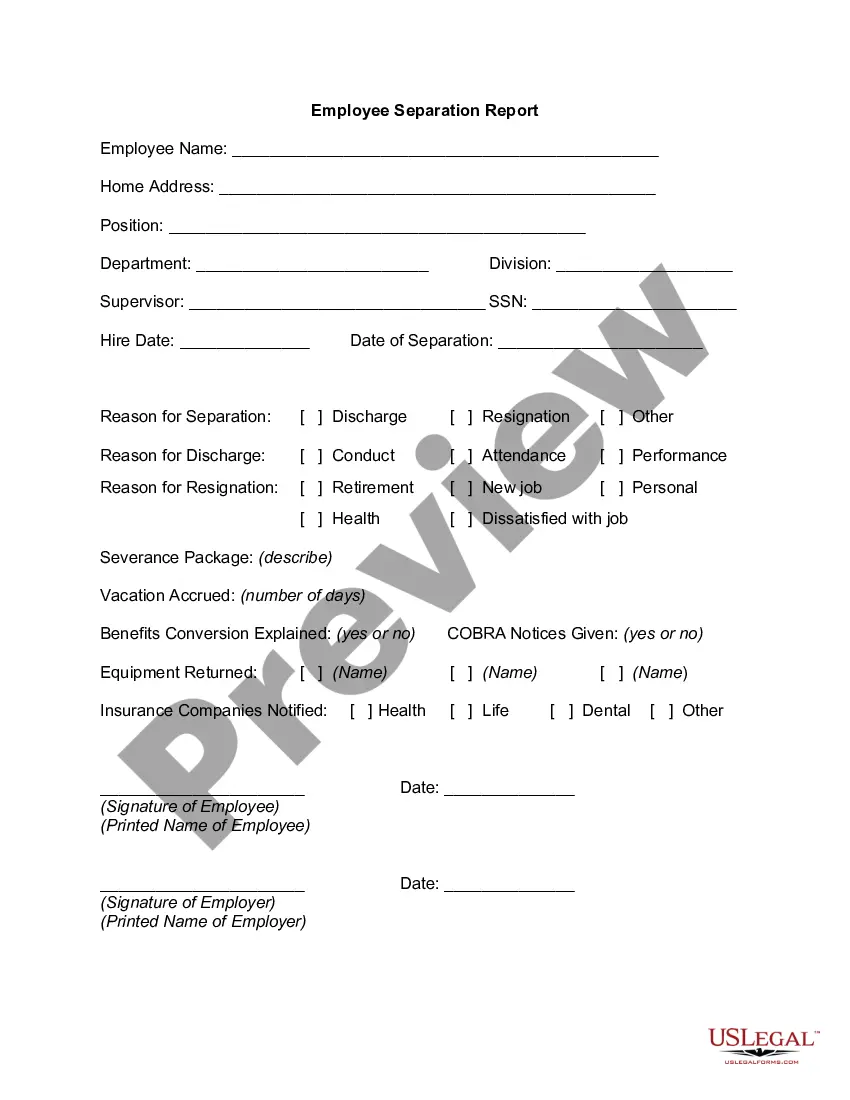
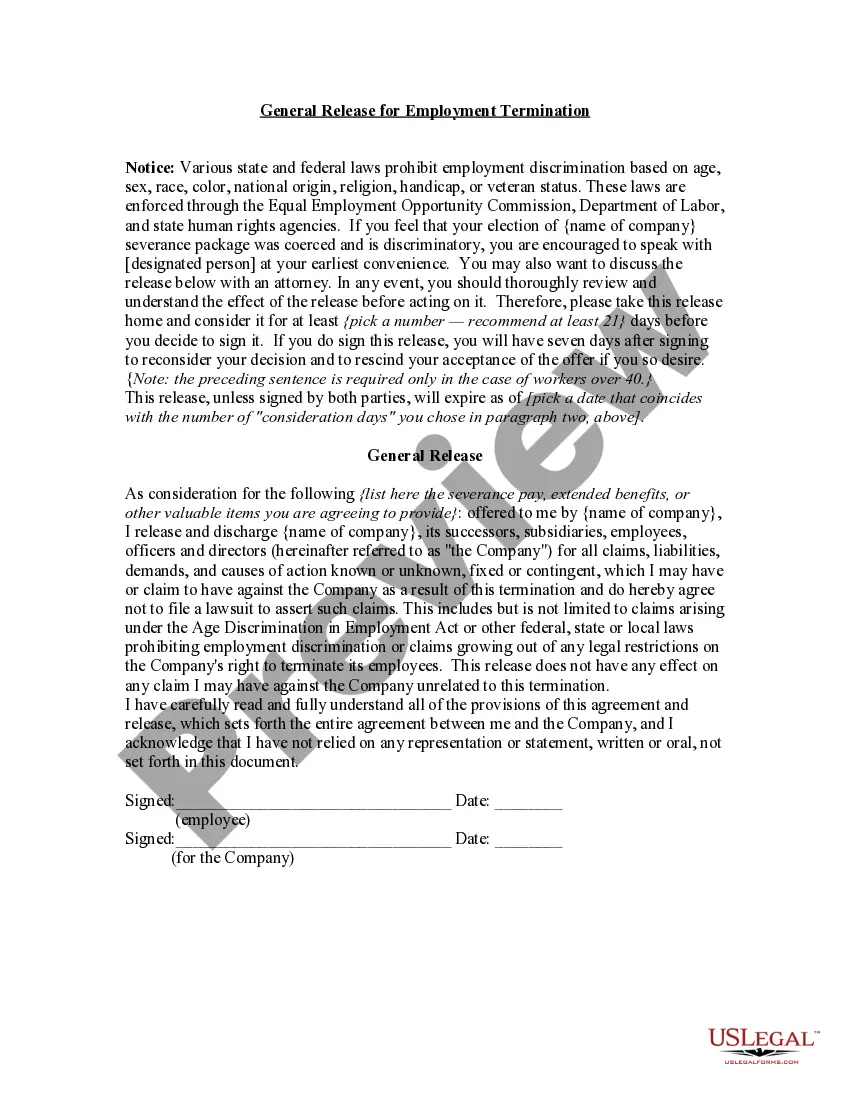
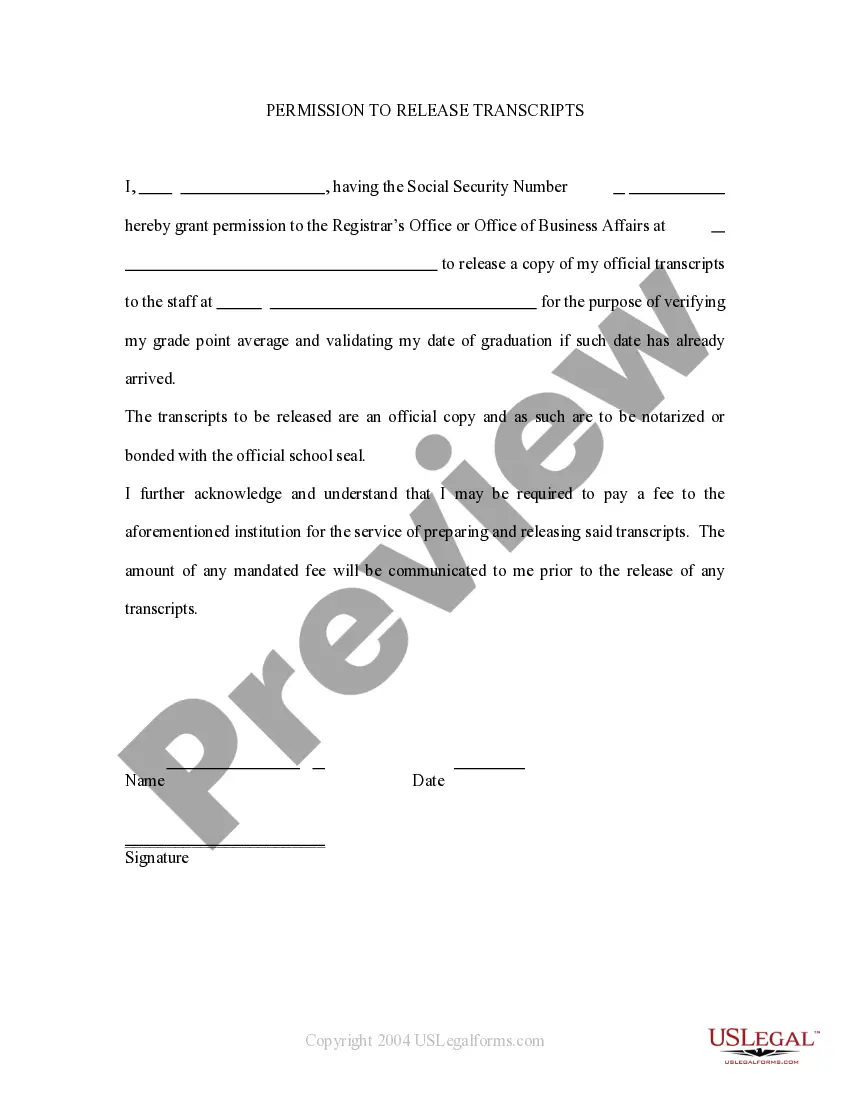
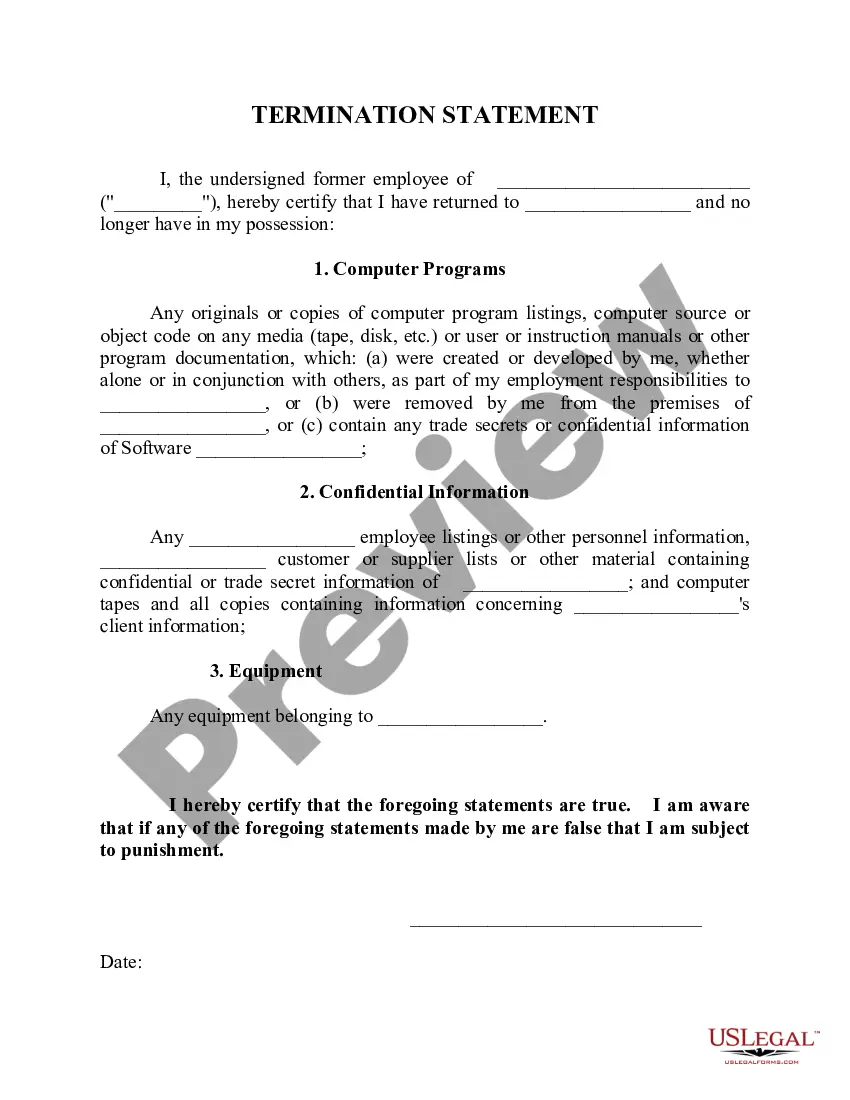
This form is a Termination Statement. The former employee certifies that he/she has returned to his/her former employer all originals and copies of computer programs, confidential information, and equipment upon termination of employment.
If you don’t provide one, it may lead to confusion or disputes later on. It's better to have everything documented, so you don’t end up in hot water.
Yes, employees can dispute what’s written if they feel it’s inaccurate. It's wise to discuss any disagreements openly to clear the air.
While there’s no strict law mandating it, having one is a good practice. It helps protect both the employer and employee, like having an umbrella when it’s cloudy outside.
The statement should include the employee's name, job title, reasons for leaving, and the last day of work. It’s basically the who, what, and when of the situation.
You should provide the statement at the time of termination or shortly after. It's best to get it done promptly, so everyone's on the same page.
It's important because it provides clarity for both the employer and the employee about the terms of termination, helping avoid misunderstandings down the line. Think of it as tying up loose ends.
An Employee Termination Statement is a document that outlines the reasons and details surrounding an employee's exit from a company. It's like a final handshake that captures what happened.