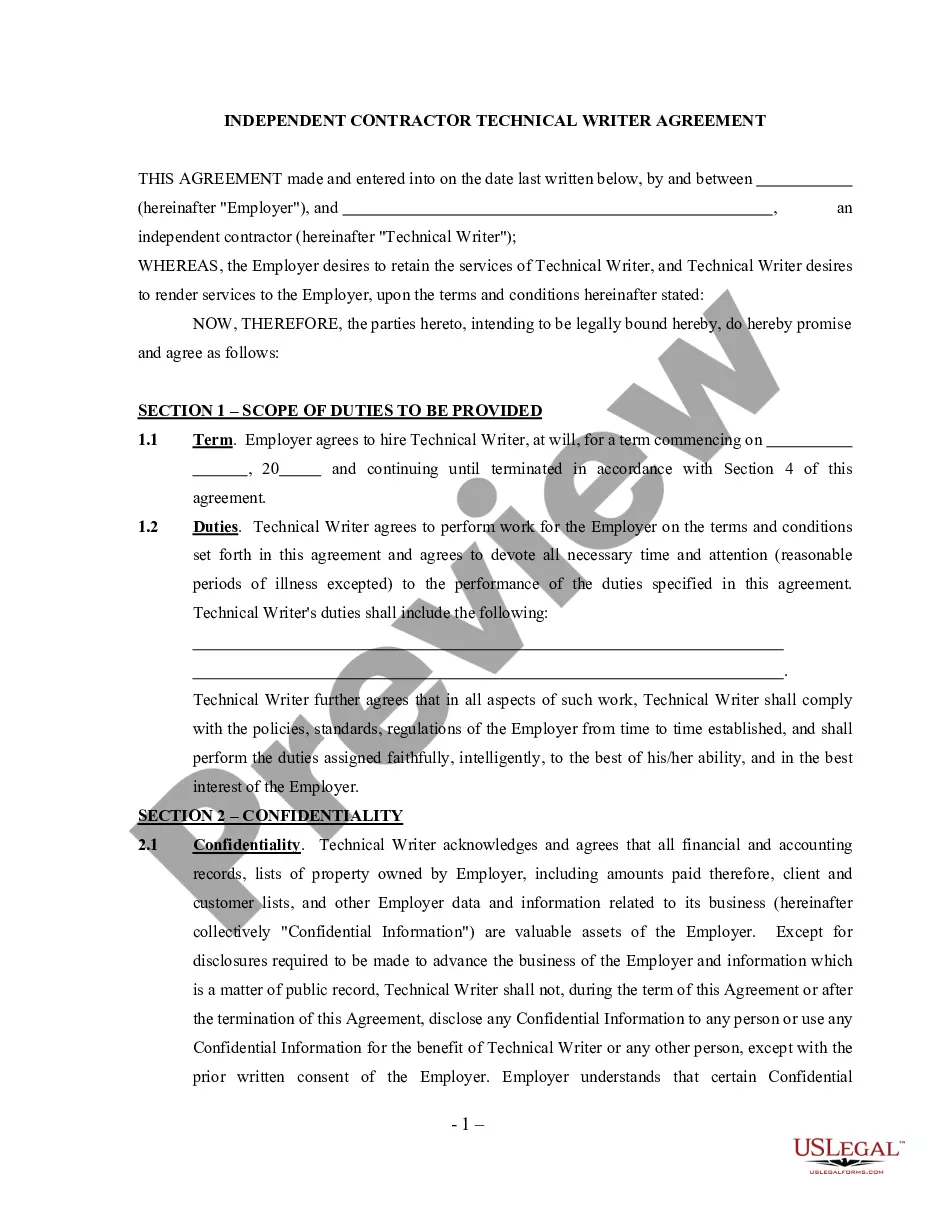
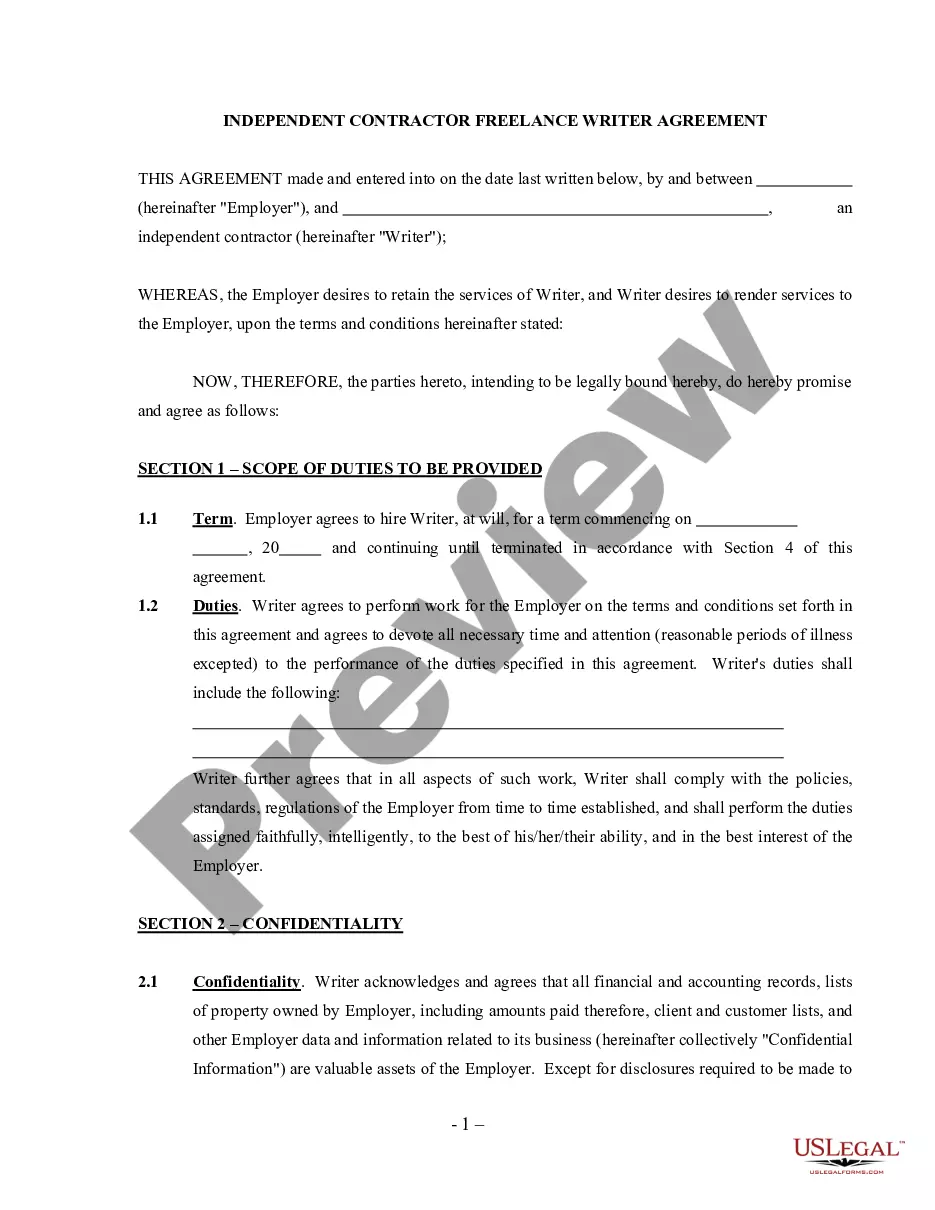
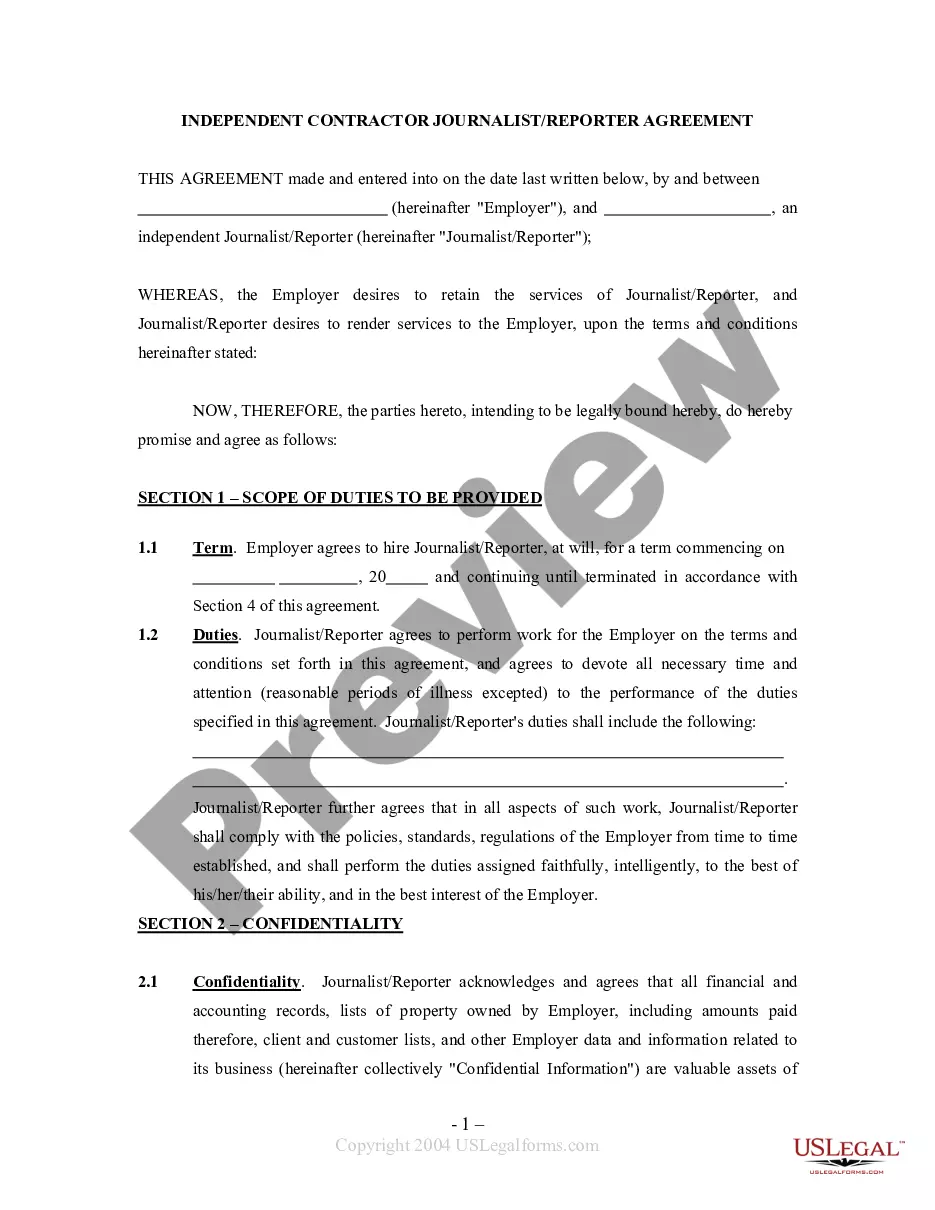
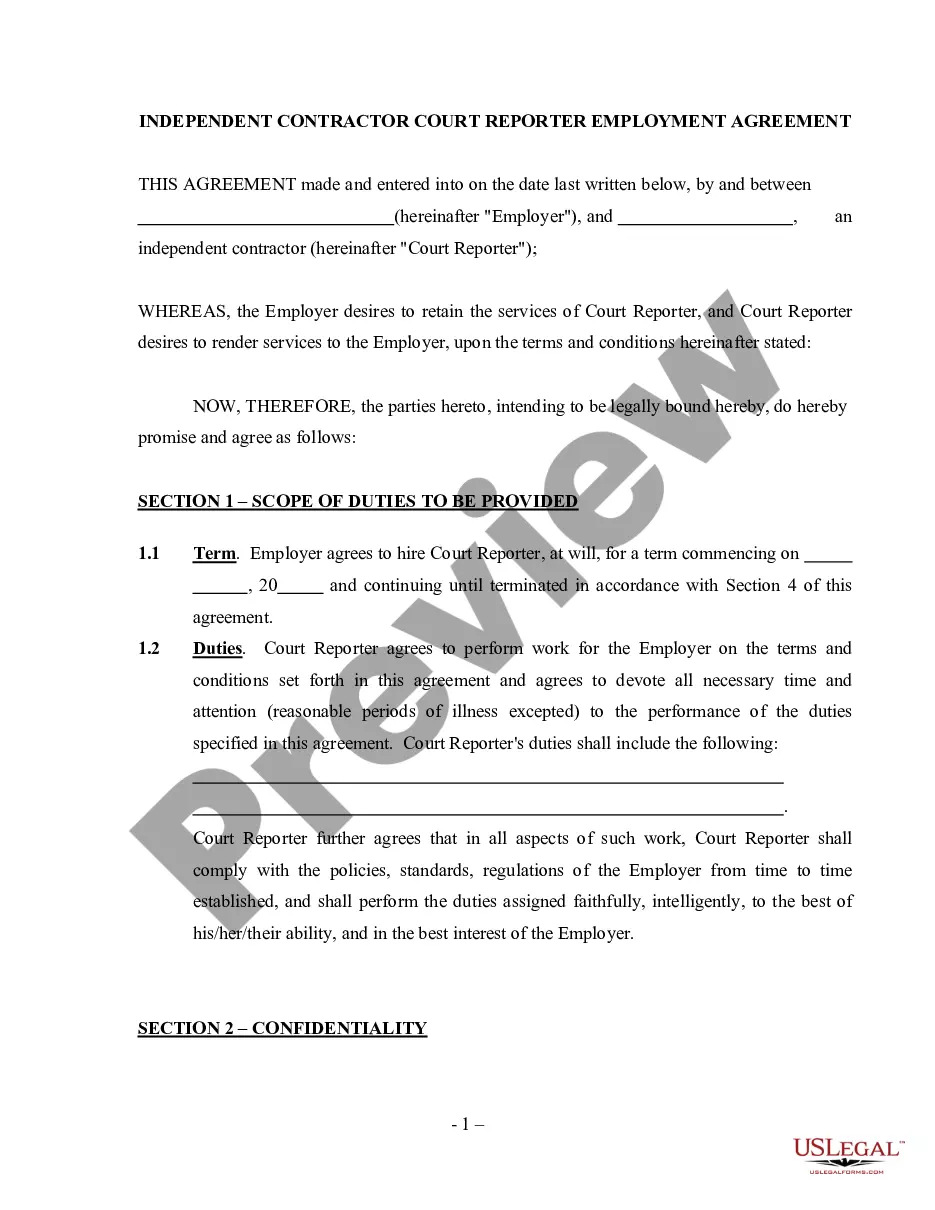
Absolutely! Using a template can get you started. Just be sure to tweak it to fit your specific situation, because one size doesn't fit all.
While it's not always necessary, having a lawyer take a look can be a real lifesaver. They can help you spot any potential traps before you sign on the dotted line.
If changes come up, it's good to have a clause in your agreement that addresses revisions. It keeps things clear and helps avoid any fuss later on.
Make sure your agreement states who owns the final work. This way, you’re covered and won’t find yourself in a pickle down the line.
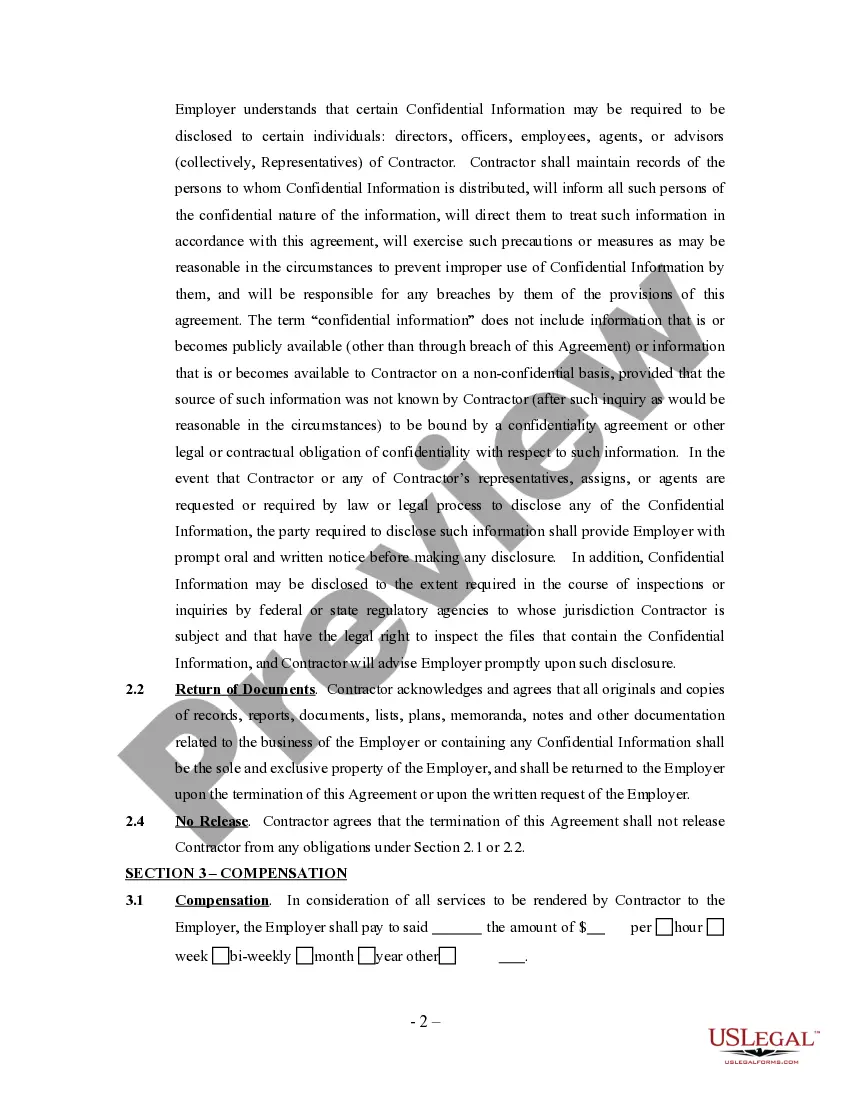
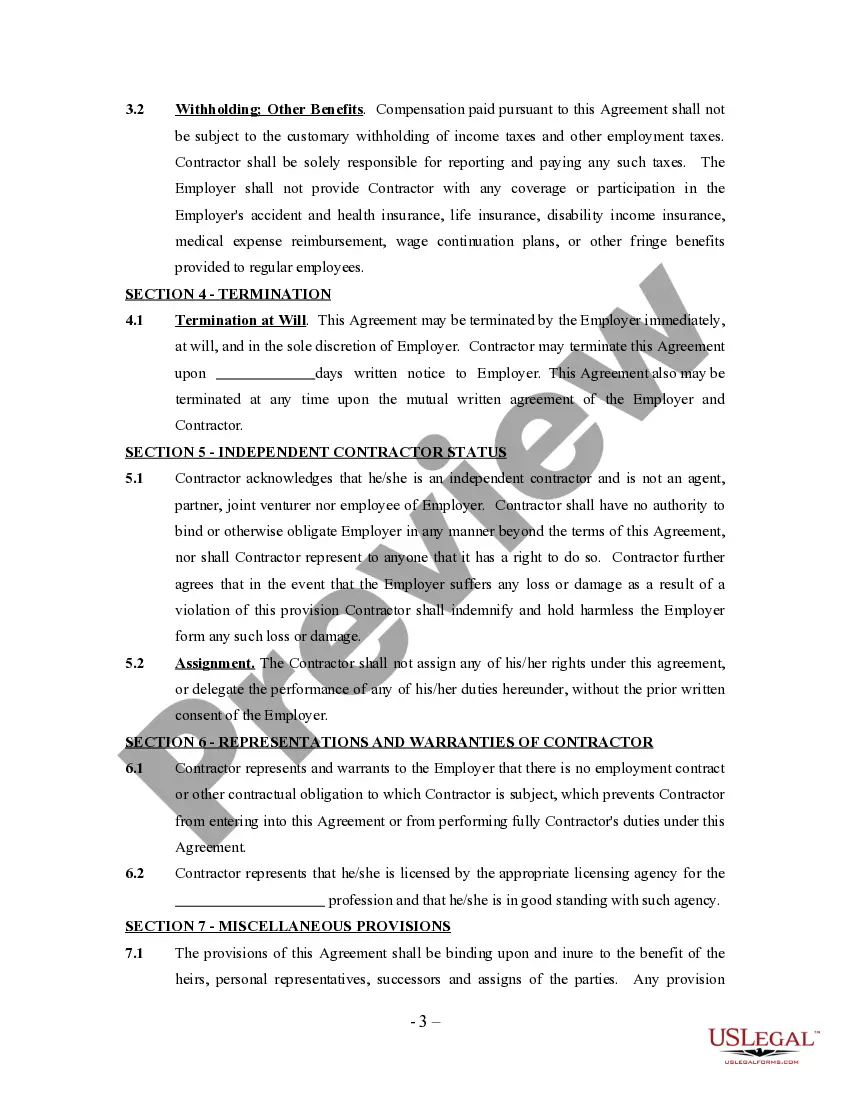
You should include things like the scope of work, deadlines, payment terms, and rights to the work. Think of it as setting the rules of the game before you start playing.
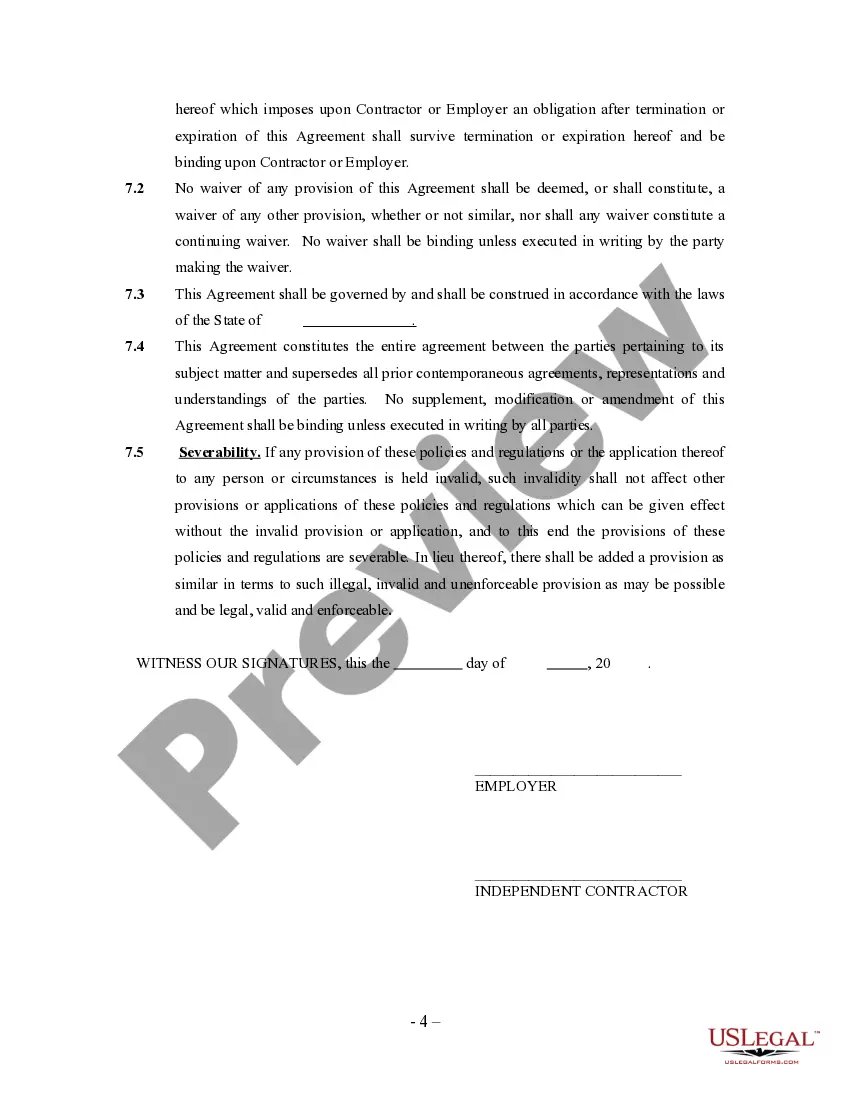
Having a written agreement makes sure both you and your client are on the same page. It's like having a roadmap; it helps prevent bumps in the road and misunderstandings later on.
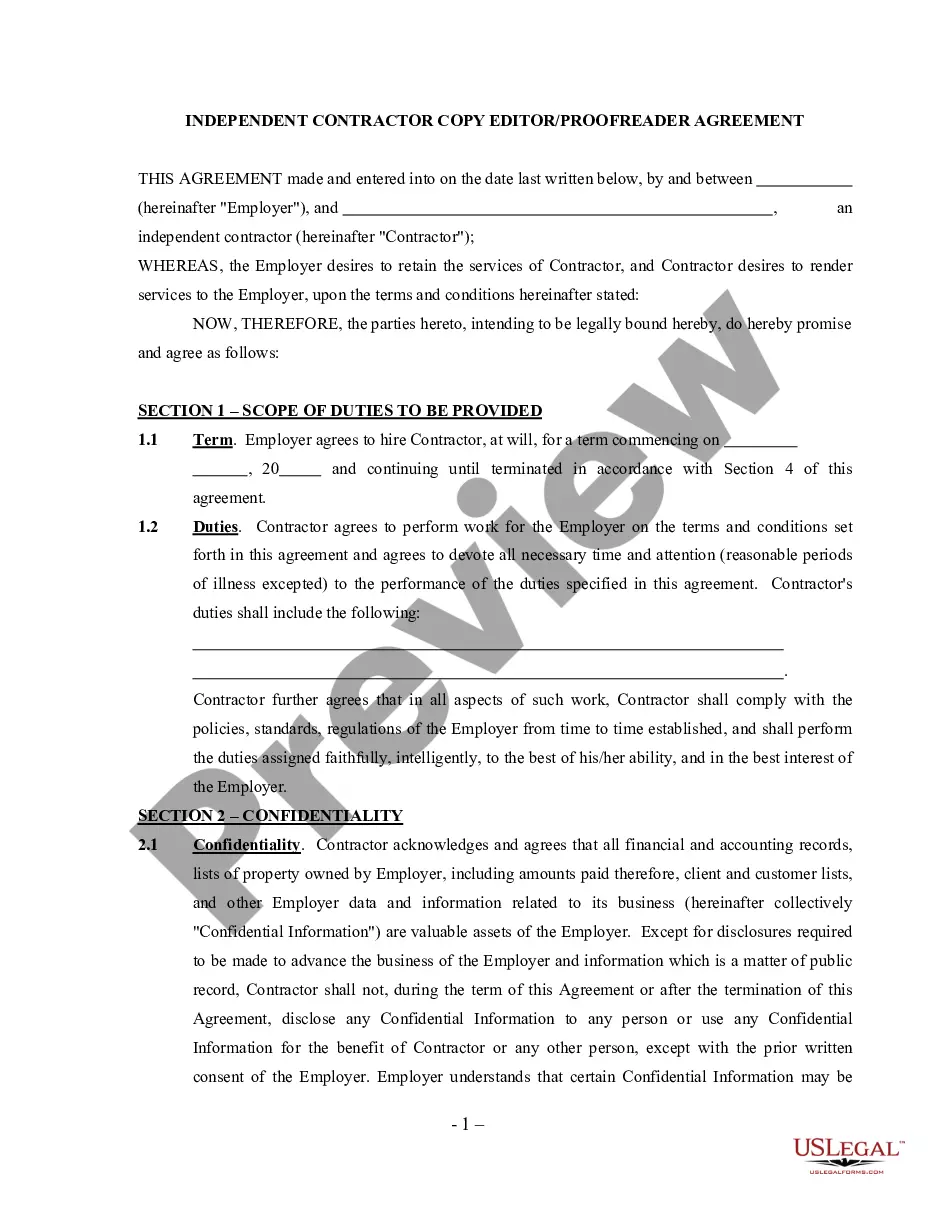
A Copy Editor and Proofreader Agreement is a contract between you and your client that outlines the work you'll do as a self-employed independent contractor. It spells out the nitty-gritty details so everyone knows what's what.