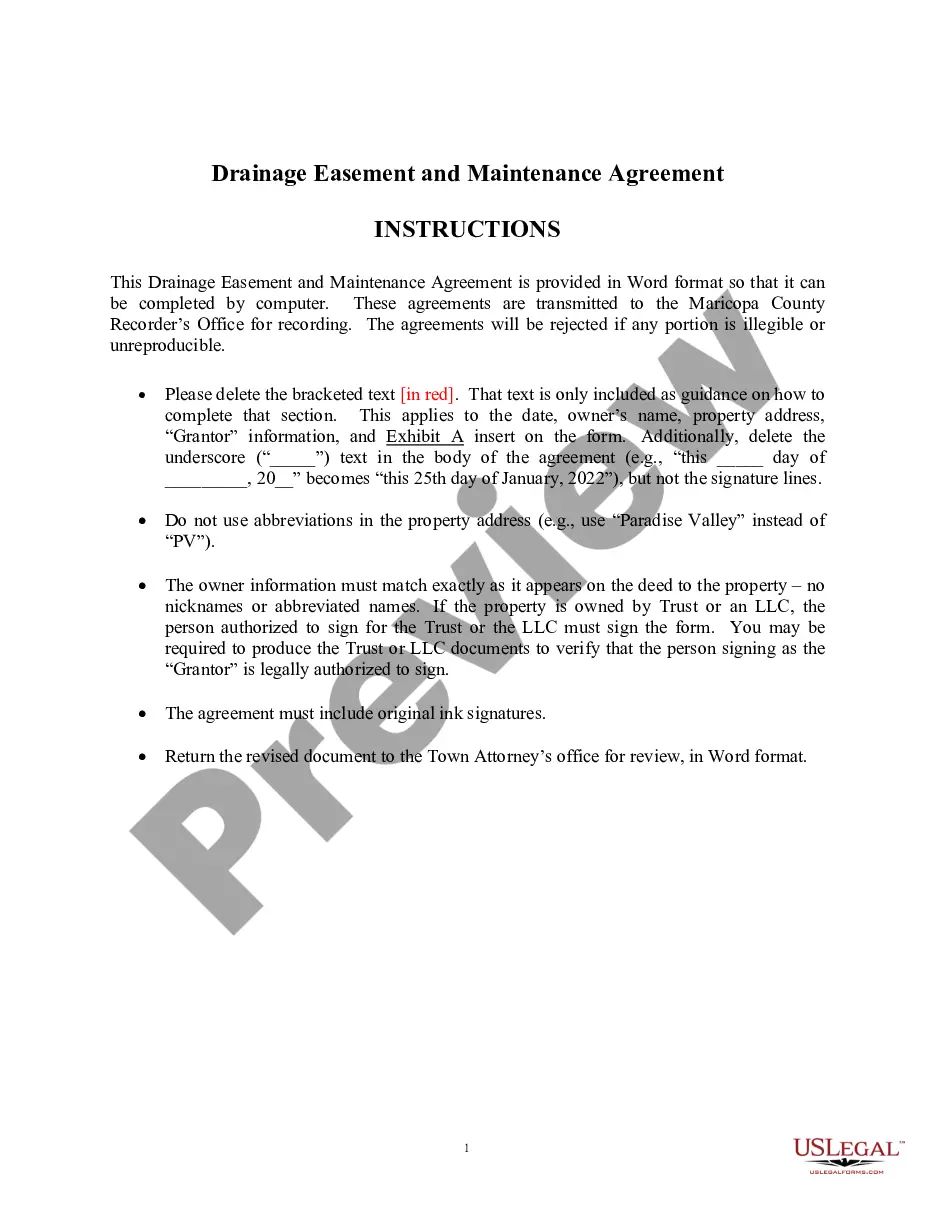
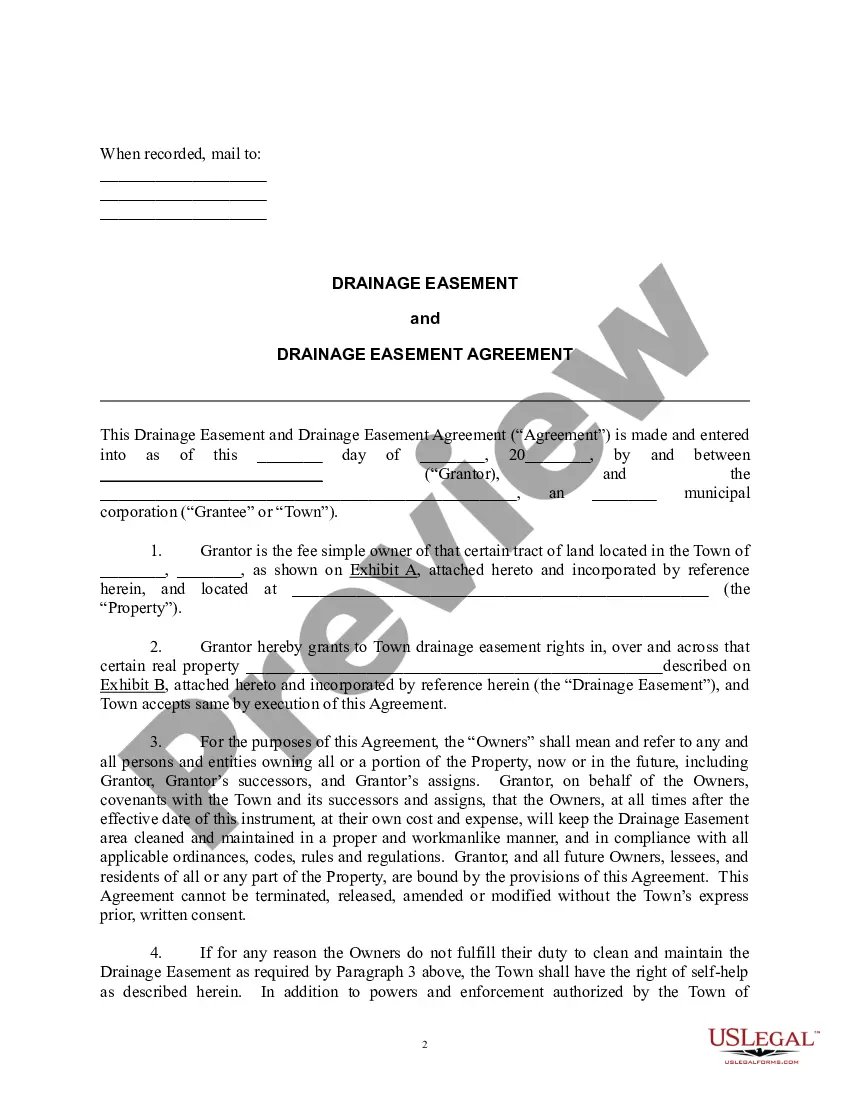
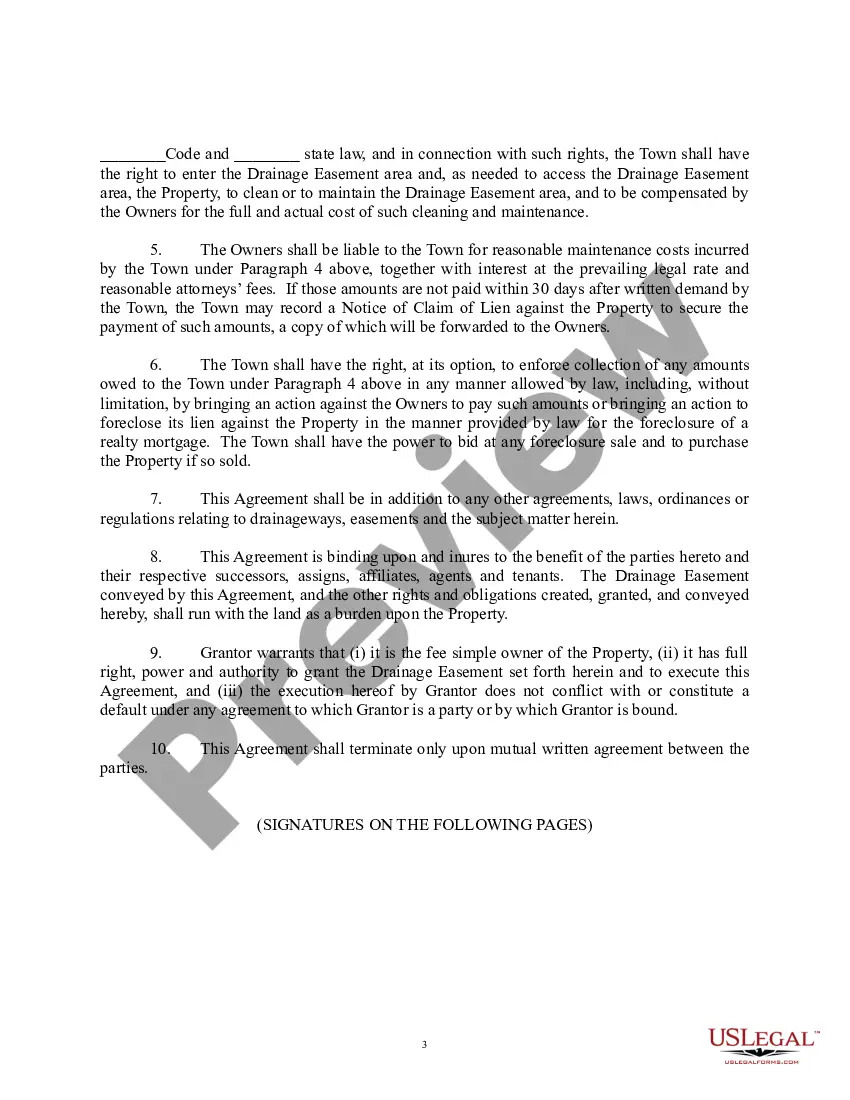
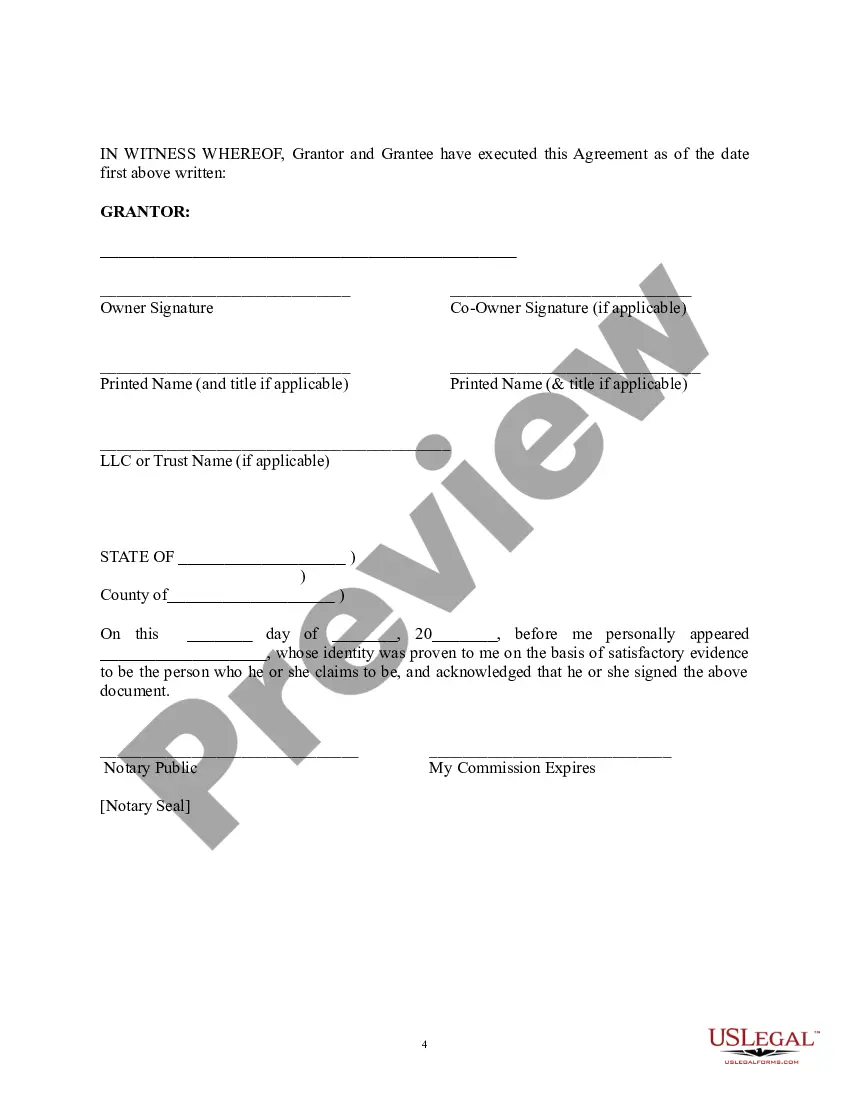
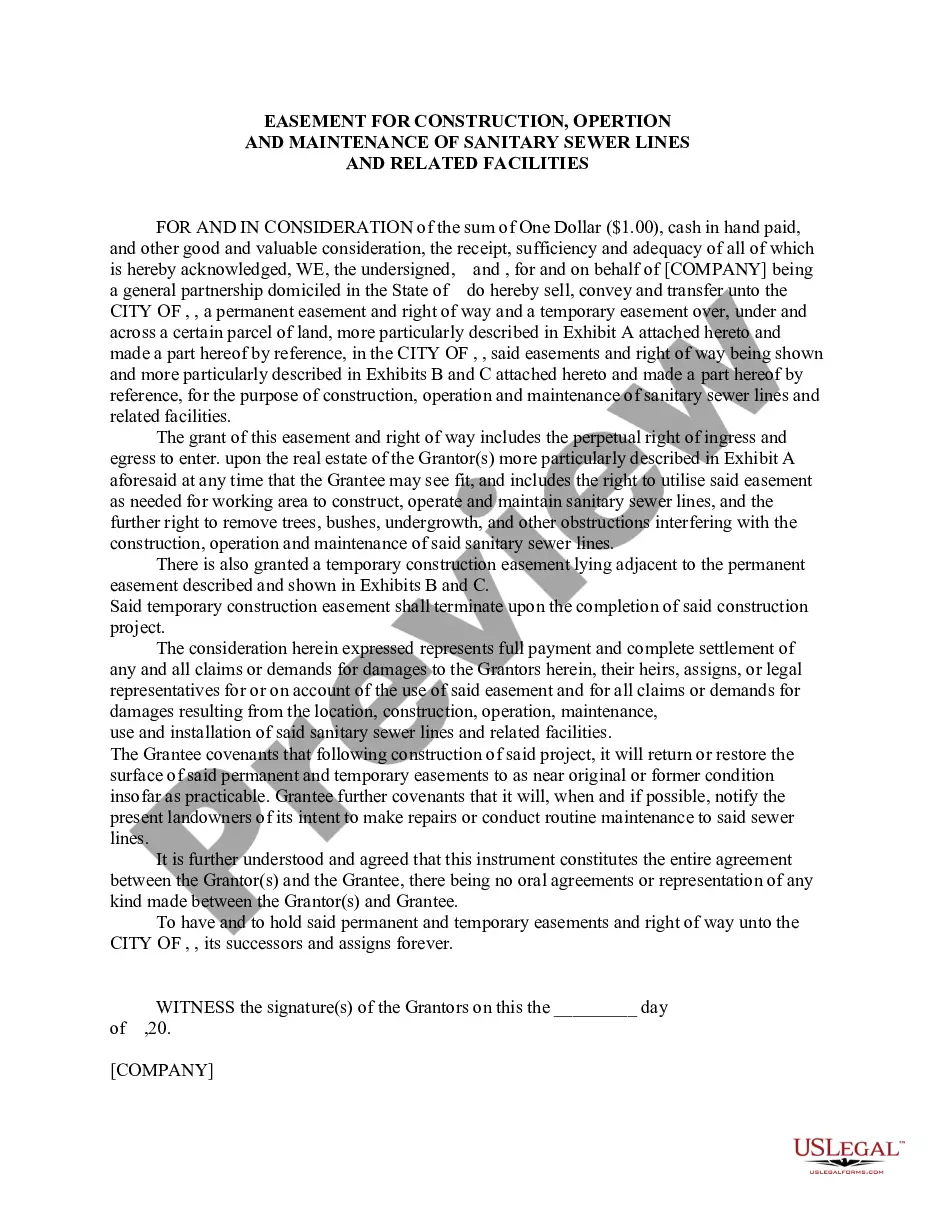
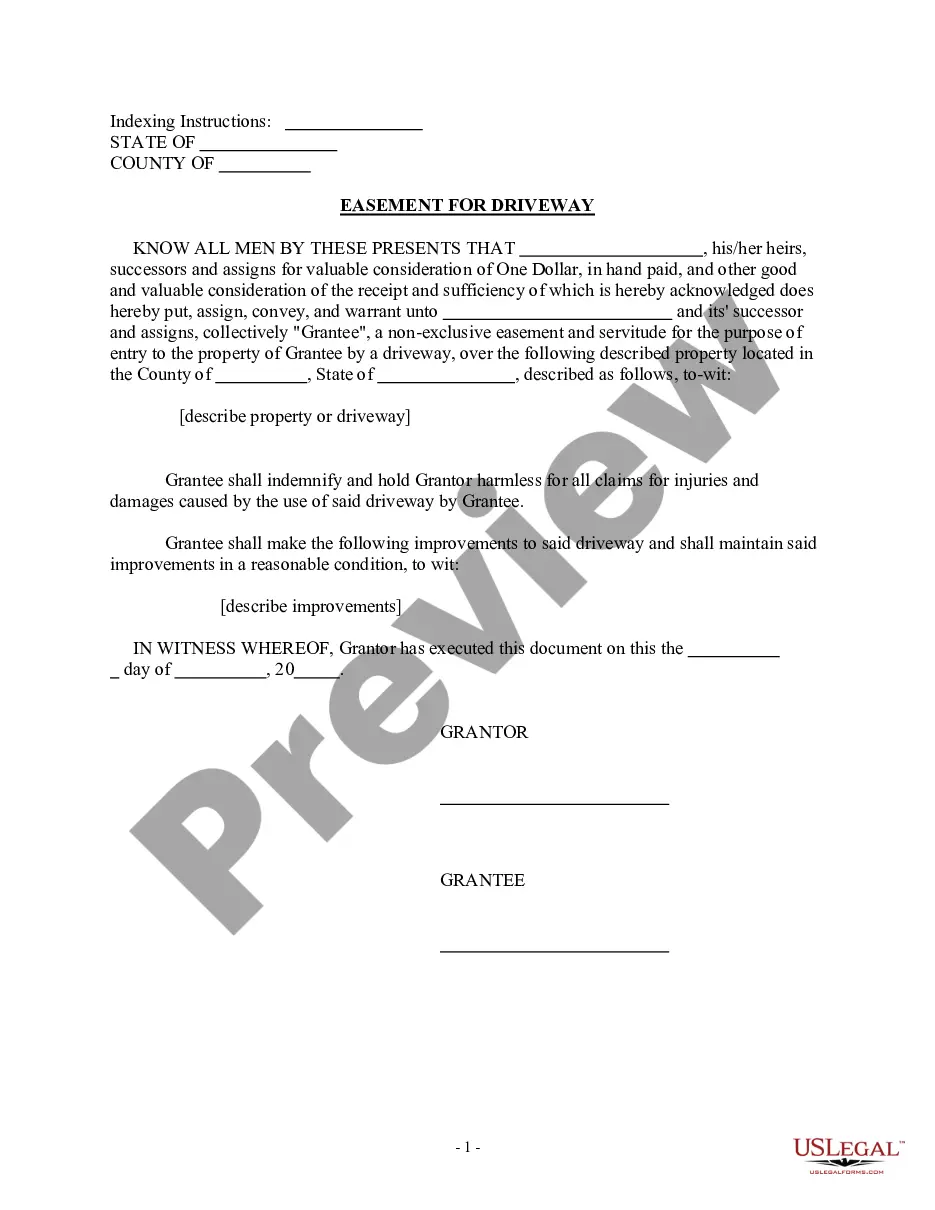
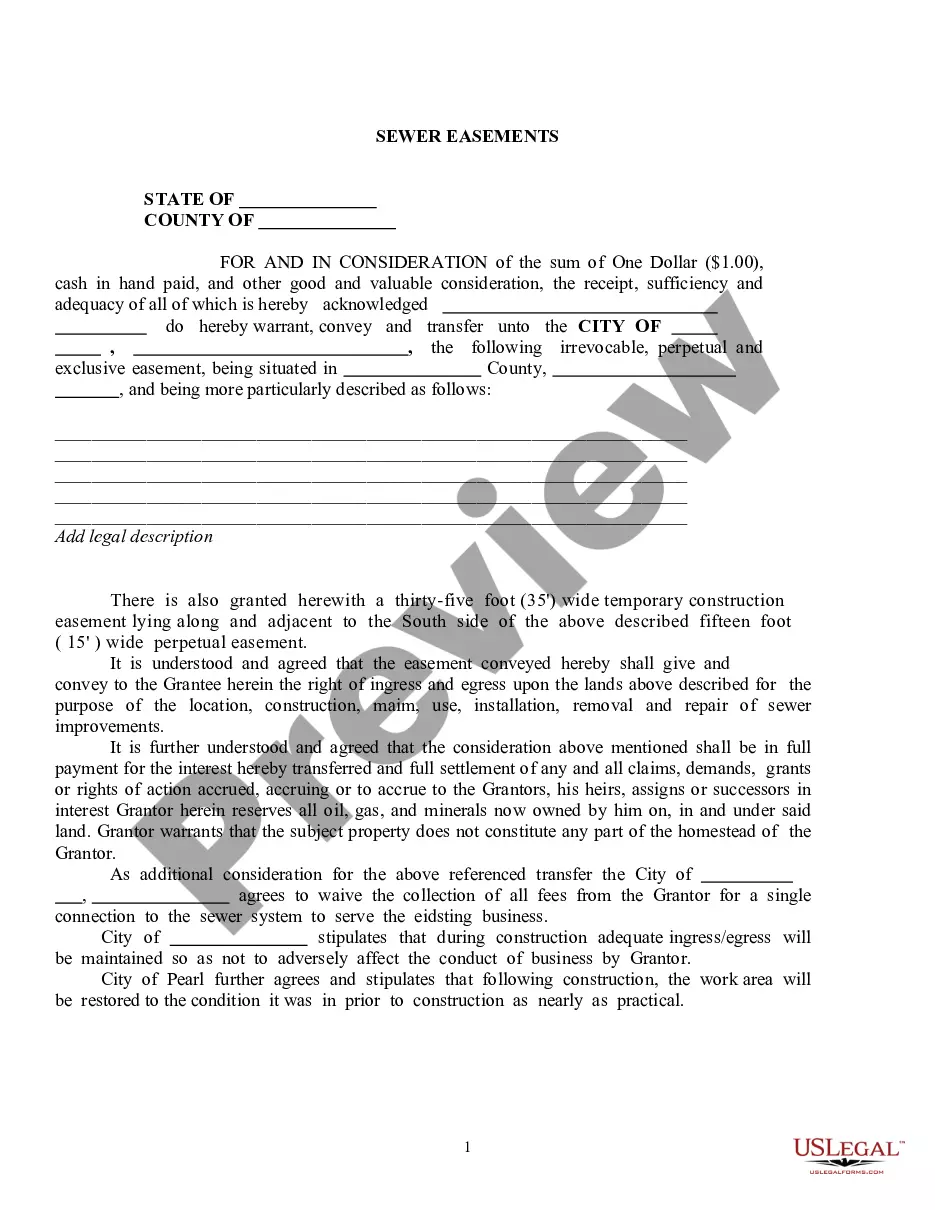
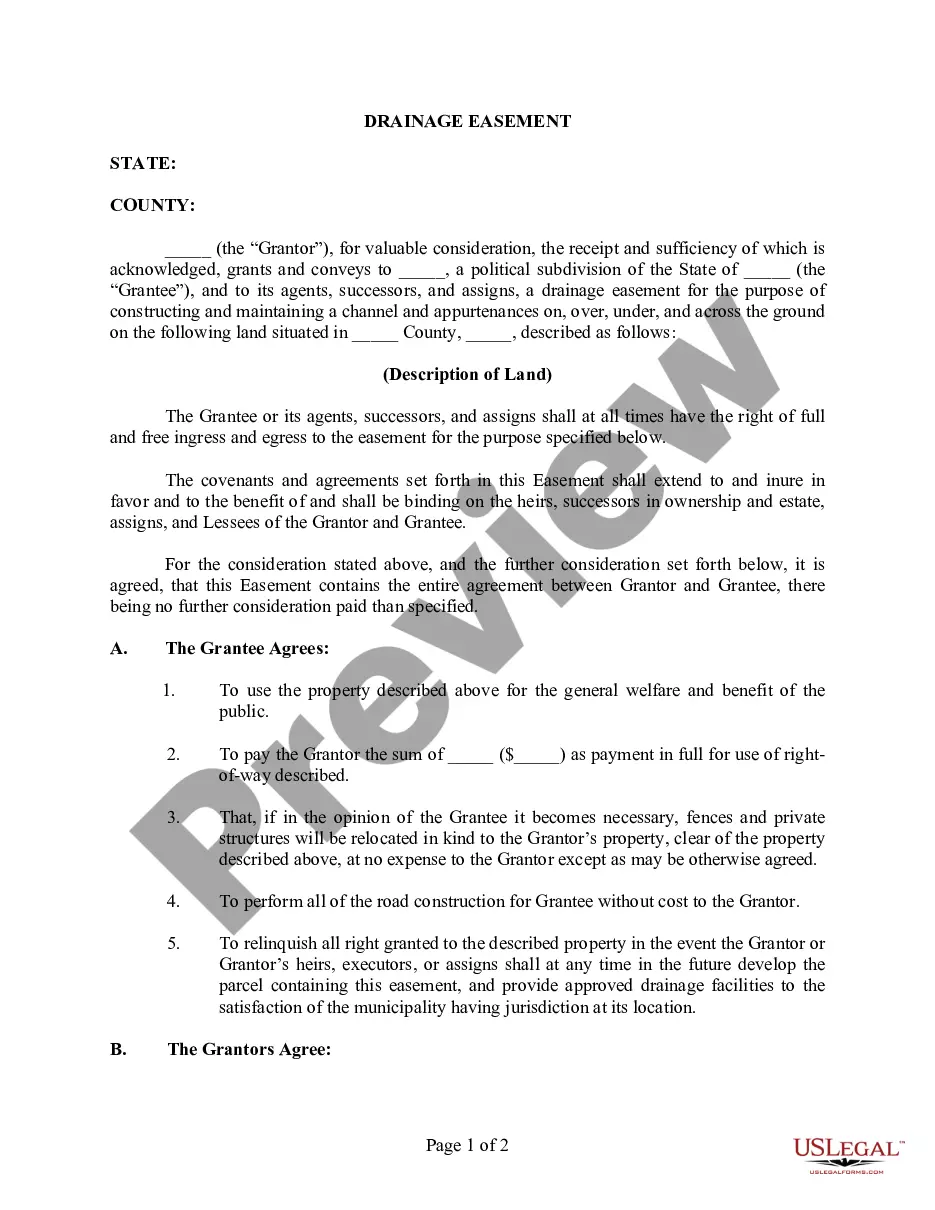
This form is an agreement to convey the use or benefit of a tract of land to another party for a specific limited purpose without giving the party the right to possess, take from, improve or sell the tract of land.
If someone blocks a drainage easement, it can lead to legal issues or flooding. It’s really a case of 'what goes around, comes around,' so respecting these easements helps keep the peace in the neighborhood.
Keeping the area clear of debris, like leaves and trash, goes a long way. Regular maintenance is like keeping your garden tidy—it ensures everything runs smoothly and looks good!
If you see water pooling, it's best to contact local authorities or a drainage expert. They can help figure out the problem and get things flowing again, like clearing a clogged sink.
Building on a drainage easement is generally a no-go. These lands are meant for water flow, so putting up fences or structures could block the water's path, like putting up a wall in a river.
You can check your property records or contact the local planning department. They’ll have the scoop on any easements tied to your property, kind of like finding hidden treasure in the paperwork.
In Bakersfield, drainage easements are crucial because they help manage stormwater and prevent flooding. They’re like the community's safety net, ensuring everyone stays dry and safe when the rain comes pouring down.
A drainage easement is a legal right granted to allow water to flow across a specific piece of land. Think of it like lending your backyard to a neighbor so rainwater can pass through without causing a pond.