Yes, you can pull back a Motion or Objection if you change your mind or find a better route to take. It's like hitting the brakes when you realize you're heading the wrong way.
After you file it, the court sets a date for a hearing where both sides can present their arguments. It’s the stage where the real showdown happens!
Serving means delivering the notice to the other party. You can do this by mailing it or handing it directly to them, ensuring they know you mean business – like sending an invitation but with a serious tone.
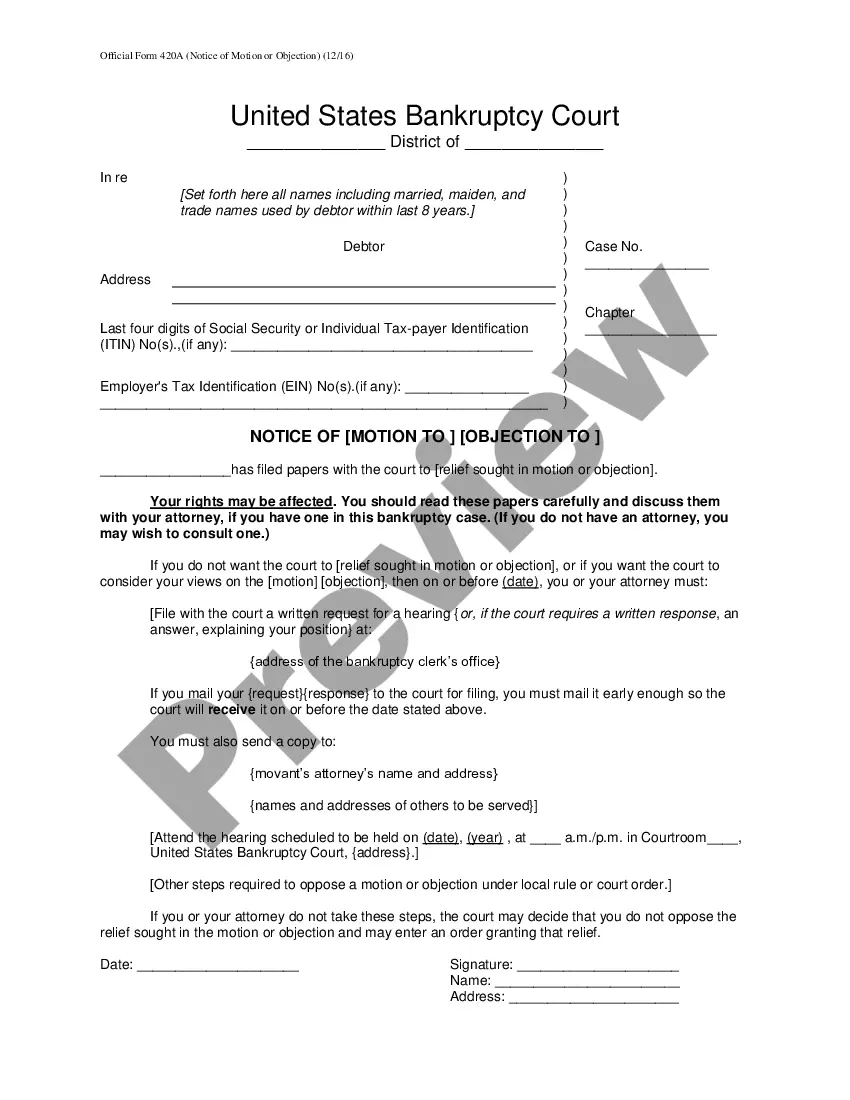
Filling out the form is straightforward. You just need to provide details about your request, who you're addressing, and why it's important. Think of it like filling out a form to enter a contest – you want to be clear and concise!
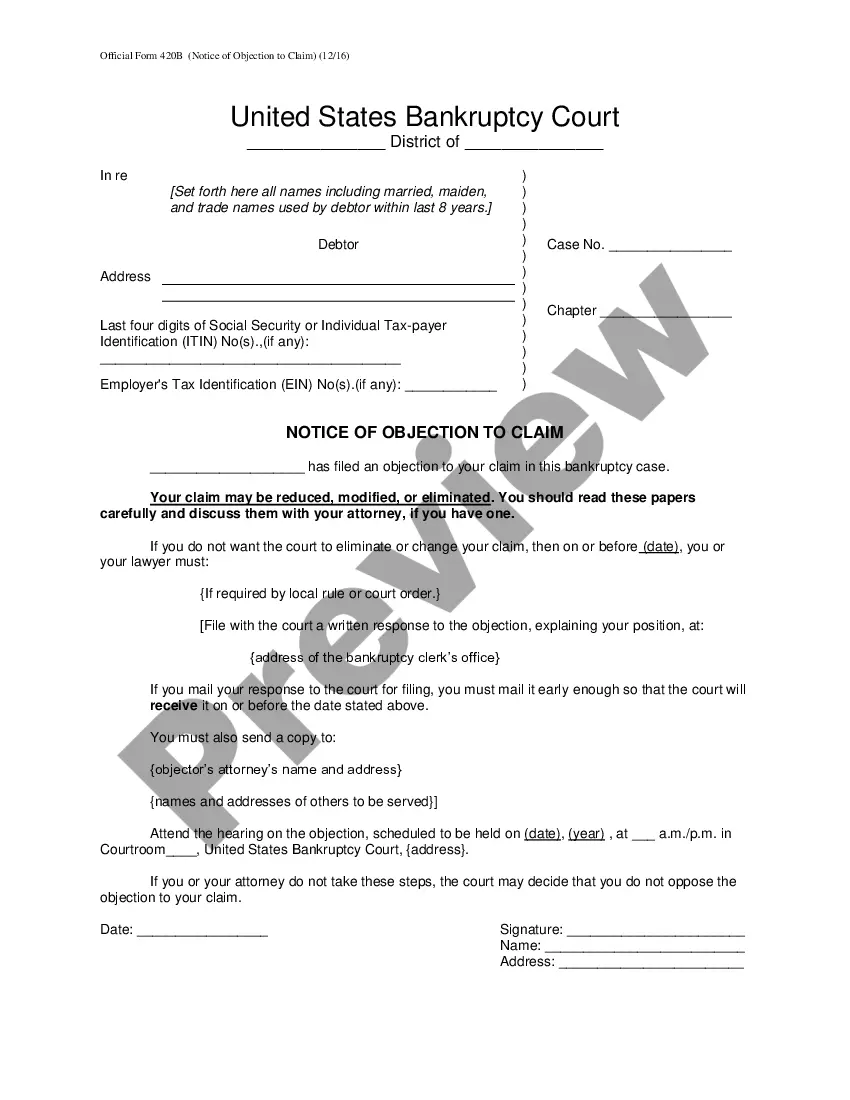
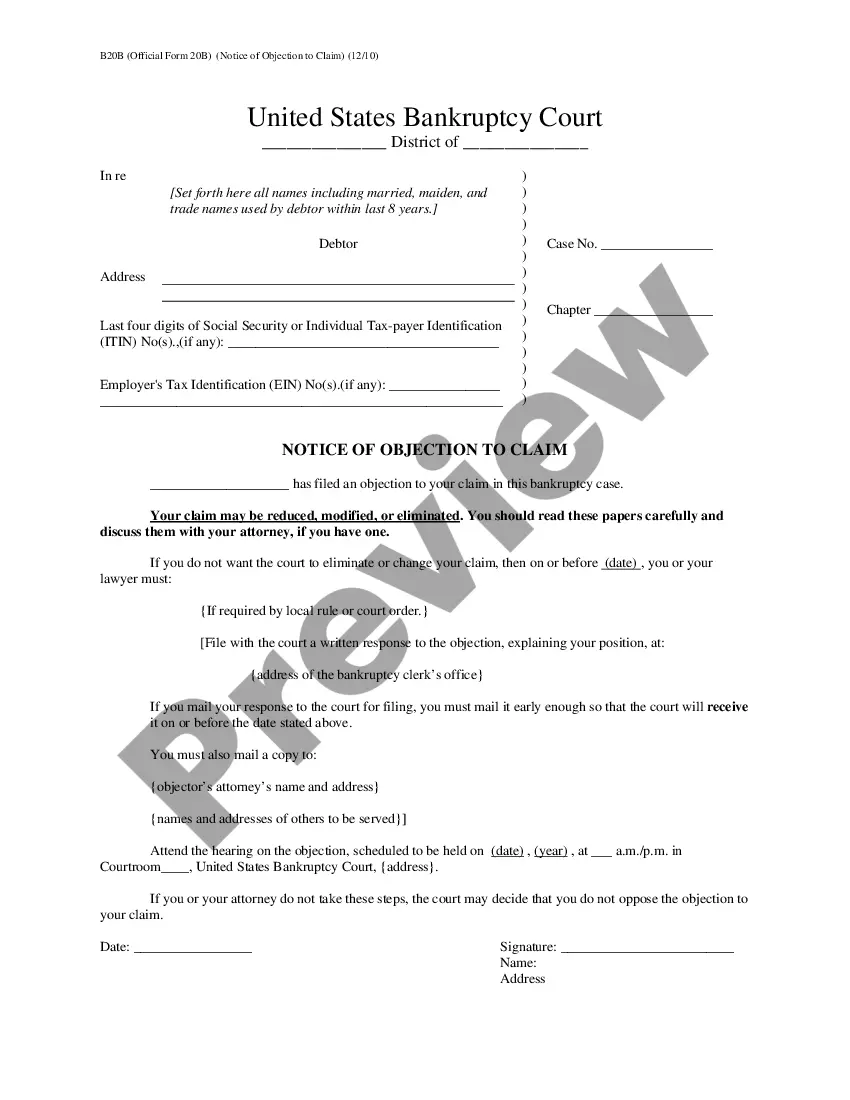
An Objection is your chance to say 'no thanks' to something that doesn't sit right with you in court. It's your way of voicing concerns about what the other party is asking for.
You typically file a Notice of Motion when you need the court to make a decision on an issue before the hearing. It’s like saying, 'Hey, judge, I need your help with this right away!'
A Notice of Motion is a formal request made to the court asking for a specific ruling or order. It's like waving a flag to get the judge's attention for something you need.