It’s best for a witness to review any documents related to the case and think about the questions they might be asked. Preparation is key, just like studying for a big test.
Absolutely! A witness can have their lawyer present to ensure their rights are protected, much like having a coach to guide you through the tough plays.
If a witness doesn’t want to answer, they could face legal consequences. It’s like refusing to play by the rules, which can lead to a time-out or worse.
The examination is usually done under oath and takes place in a formal setting, like a conference room. It’s a bit like a courtroom but without all the drama.
It's useful when more information is needed about the financial situation or transactions of a debtor. It helps paint the full picture, so everyone knows what’s really going on.
Anyone who has information relevant to the case can be called as a nondebtor witness. Think of it as inviting a key player to the game who has valuable insights.
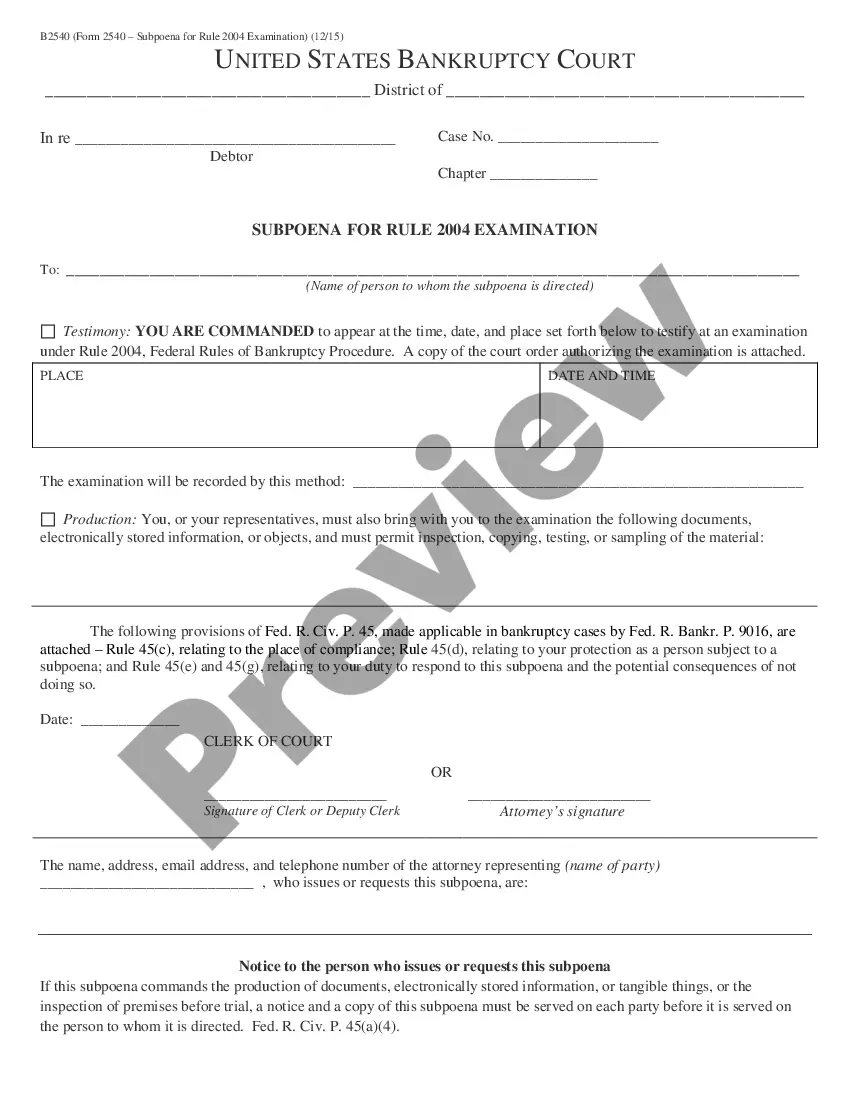
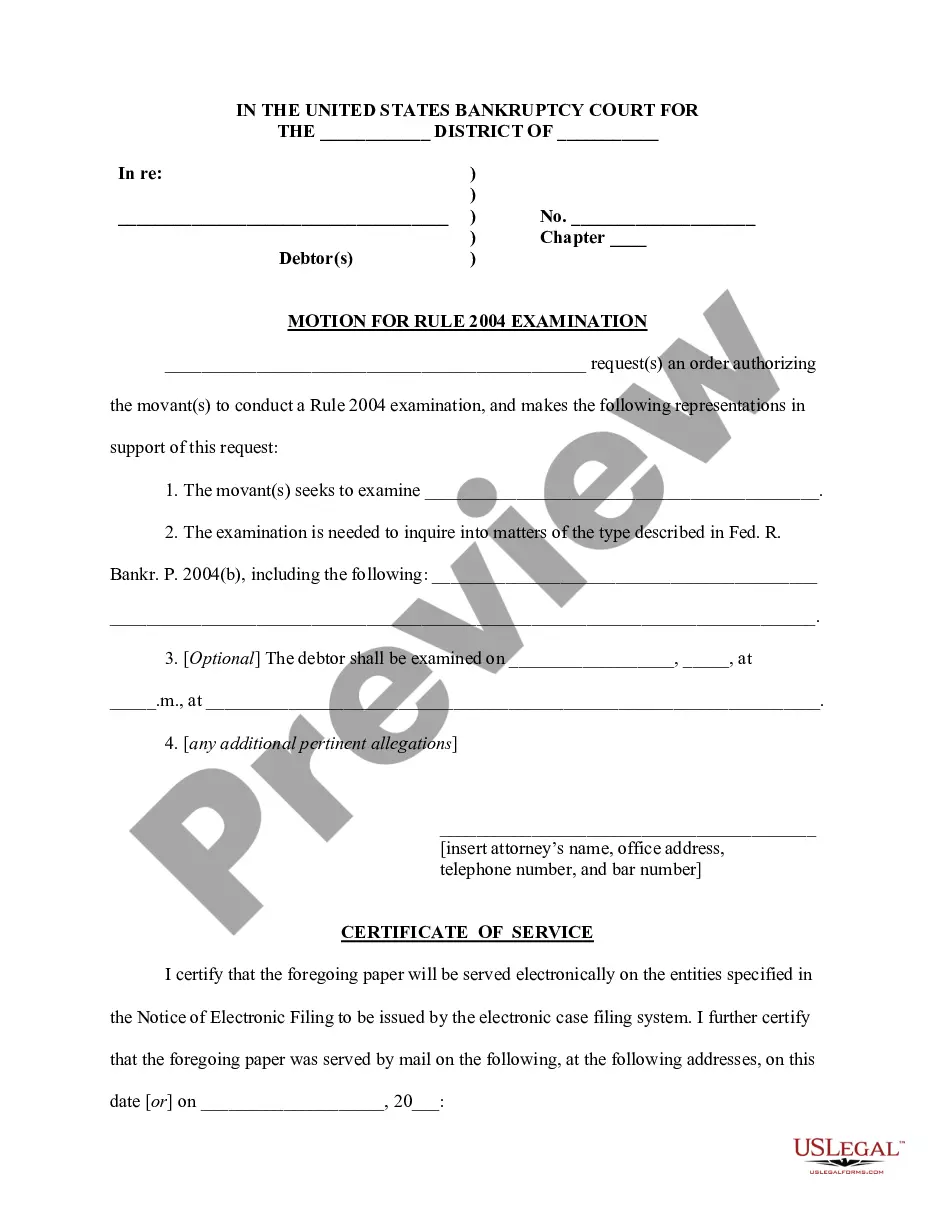
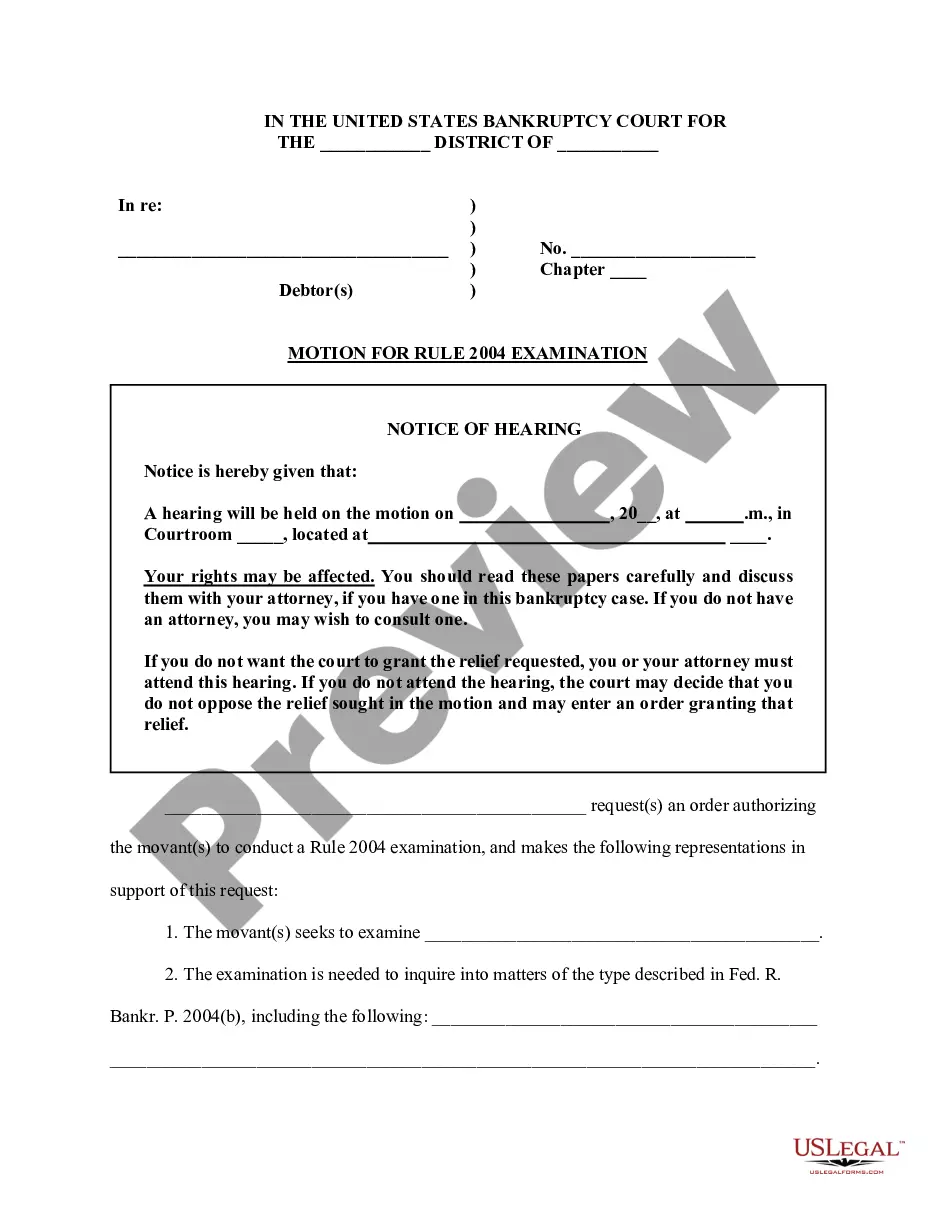
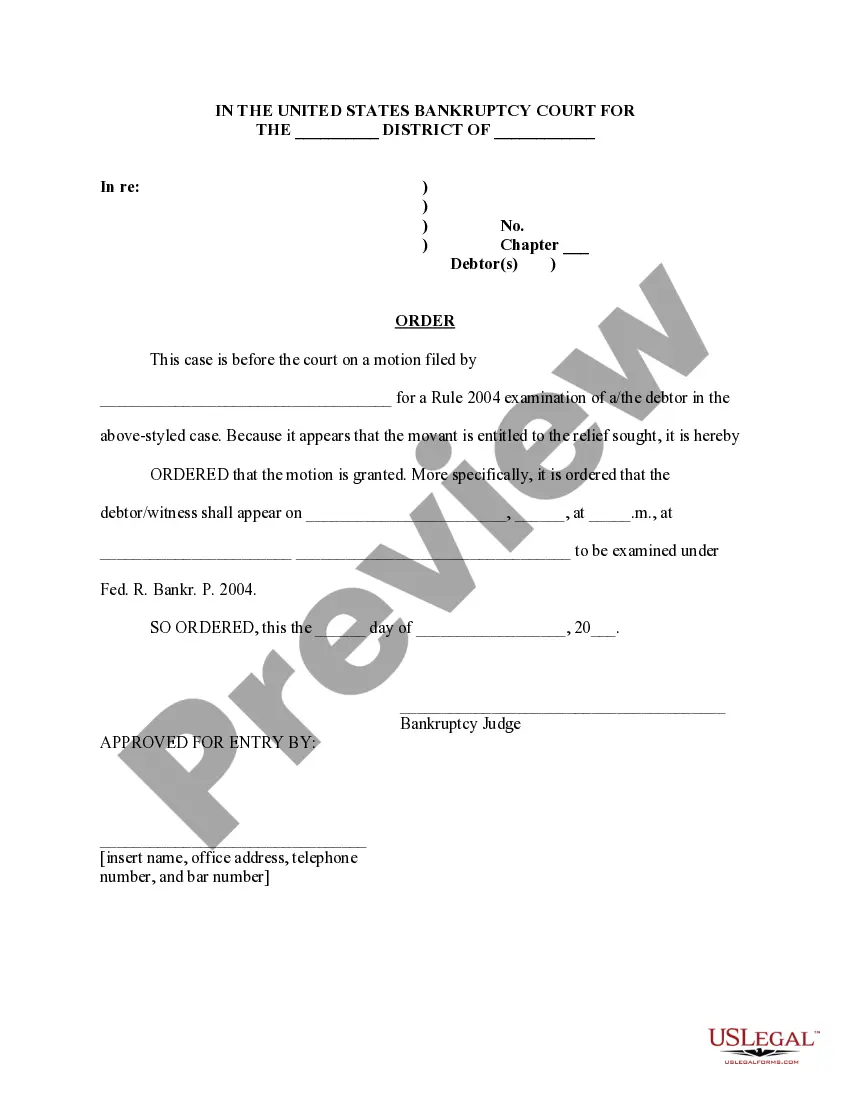
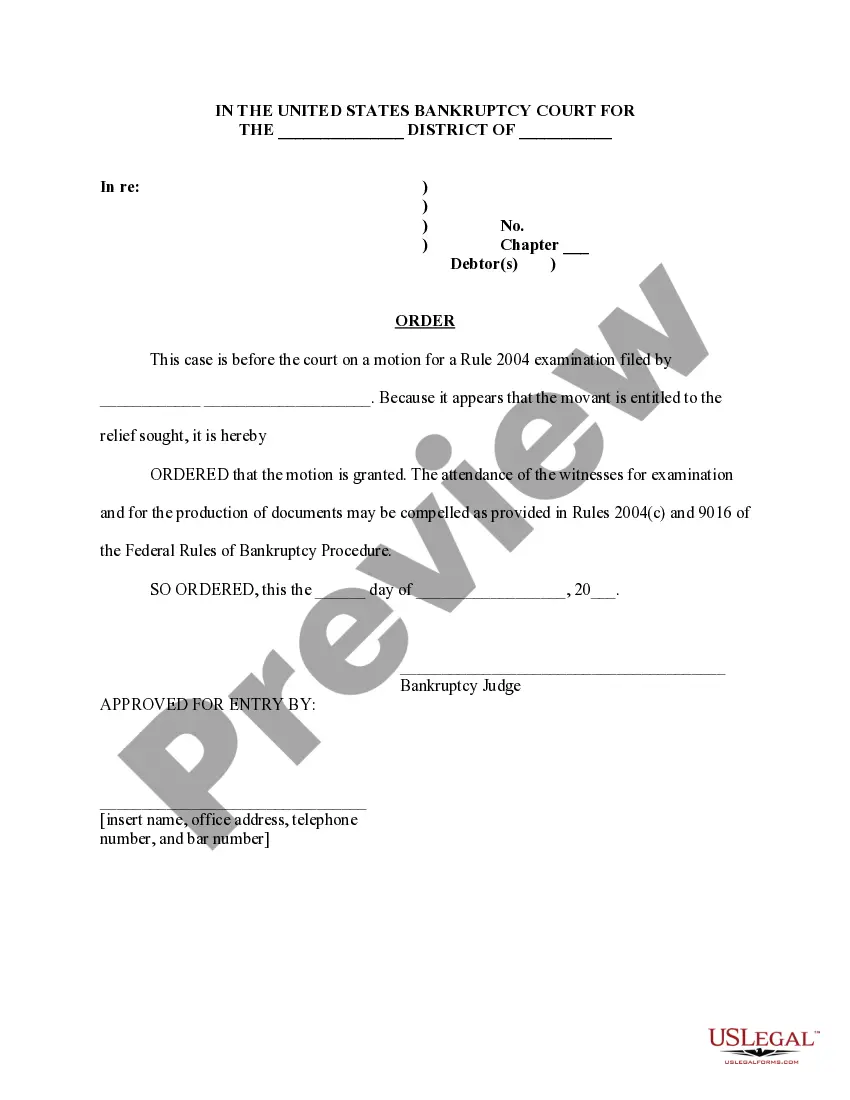
A Rule 2004 examination is a legal process where a party can ask questions and gather information from a nondebtor witness. It’s like an open book test, where you can dig deep for the facts.