Not exactly! A Termination Release is a mutual agreement to end a lease, while breaking a lease usually implies one party is going against the terms, which could lead to penalties.
If the landlord is unwilling to sign, you may need to discuss your situation with them, considering mediation or legal advice if necessary to reach an agreement.
In most cases, you don’t need to give a reason to terminate your lease, but it’s always good to check your lease agreement and have open communication with your landlord.
Once the Termination Release is signed, landlords typically have a set time frame to return your security deposit, which is usually around 14 to 30 days, depending on local laws.
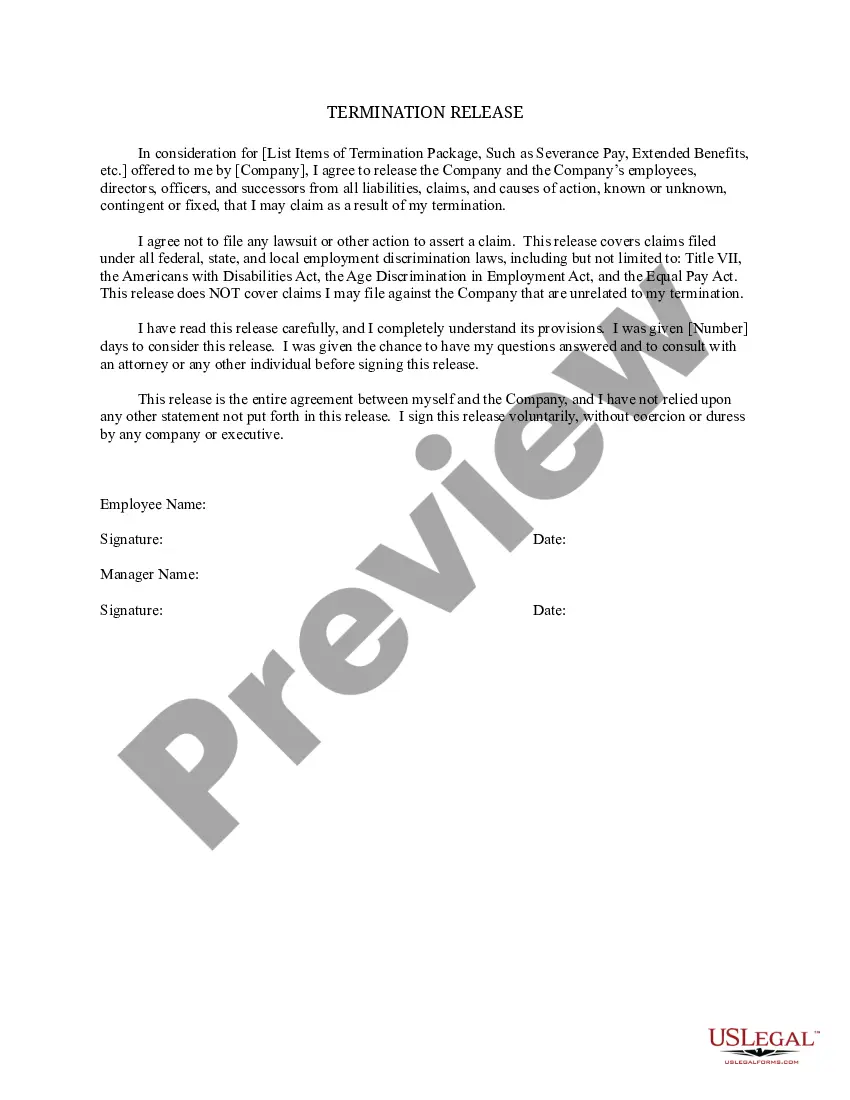
Both the landlord and the tenant need to sign the Termination Release to make it valid and ensure that both parties agree to the terms.
People use a Termination Release to ensure that they can end a lease early without facing any penalties, avoiding any further obligations or headaches.
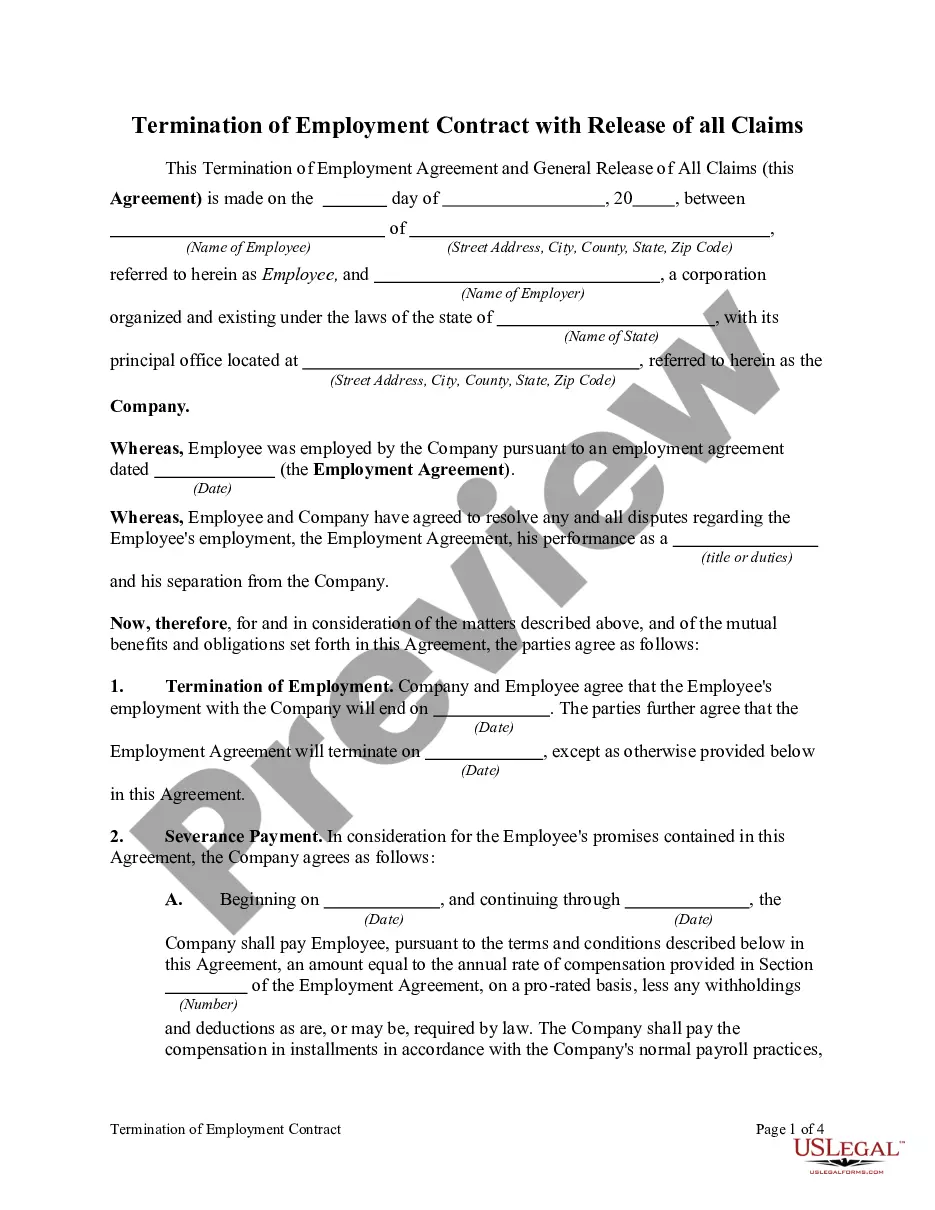
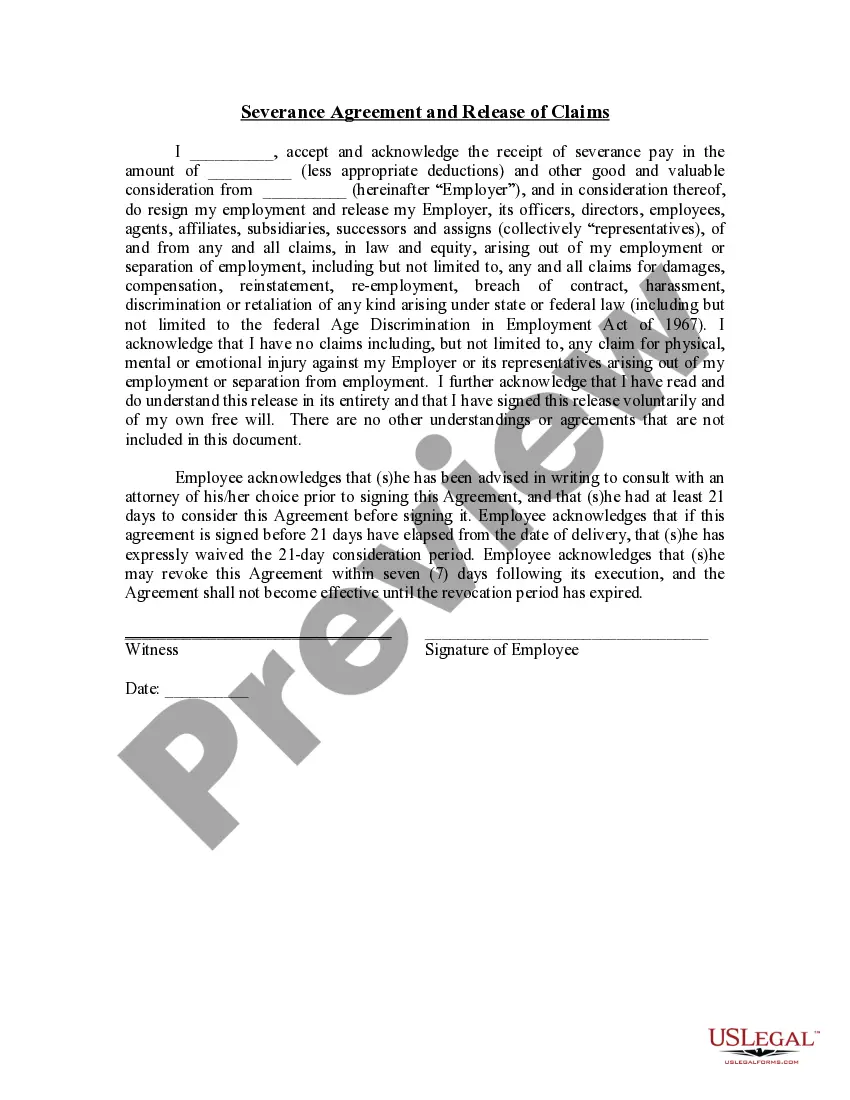
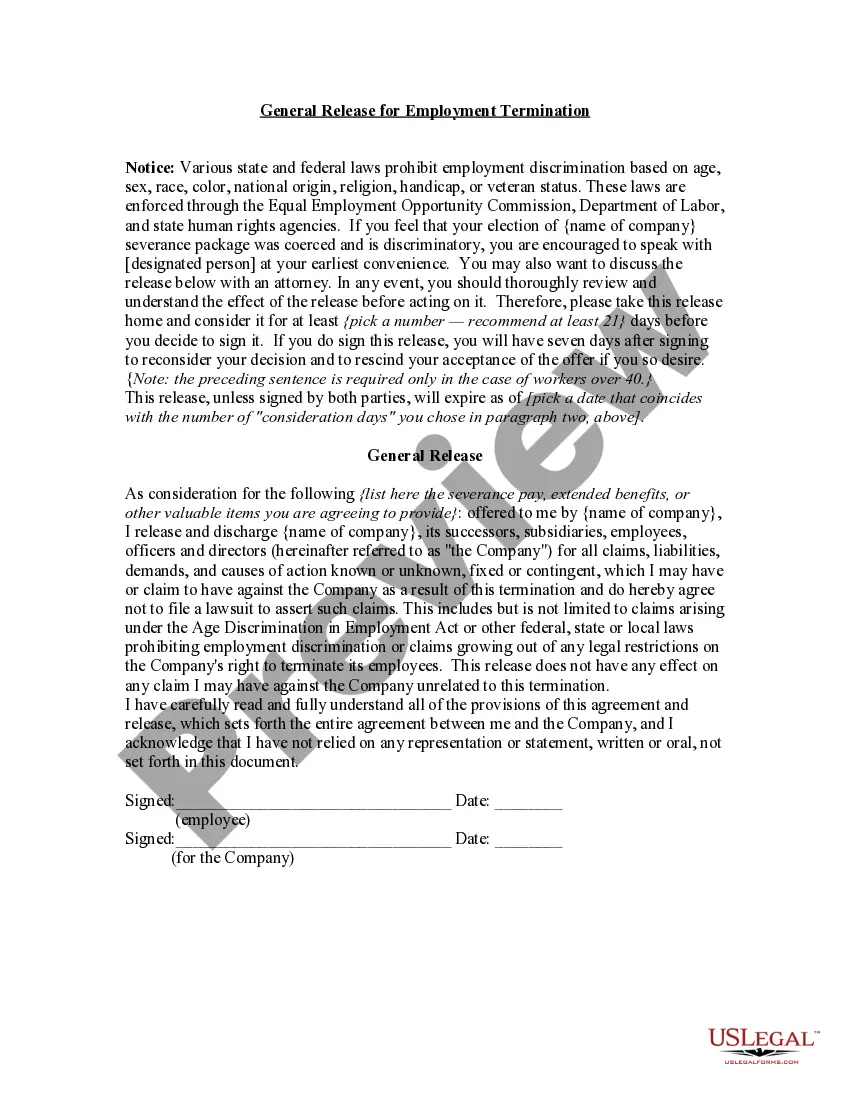
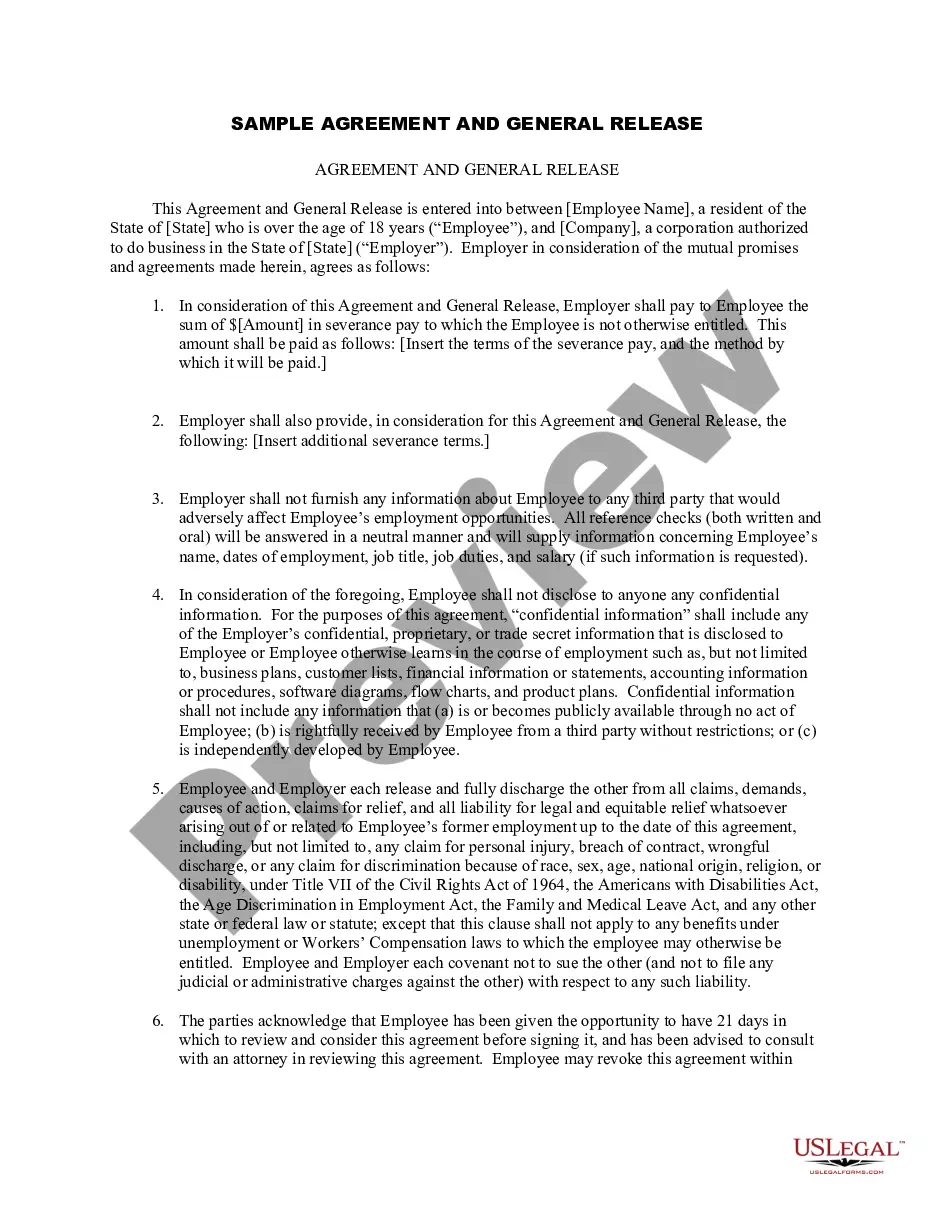
A Termination Release is a document that officially ends a lease agreement between a landlord and tenant, allowing both parties to part ways without any strings attached.