If an employee doesn’t see eye to eye with the warning, it's best to have an open conversation. Listening to their side can sometimes clear the air and make things right as rain.
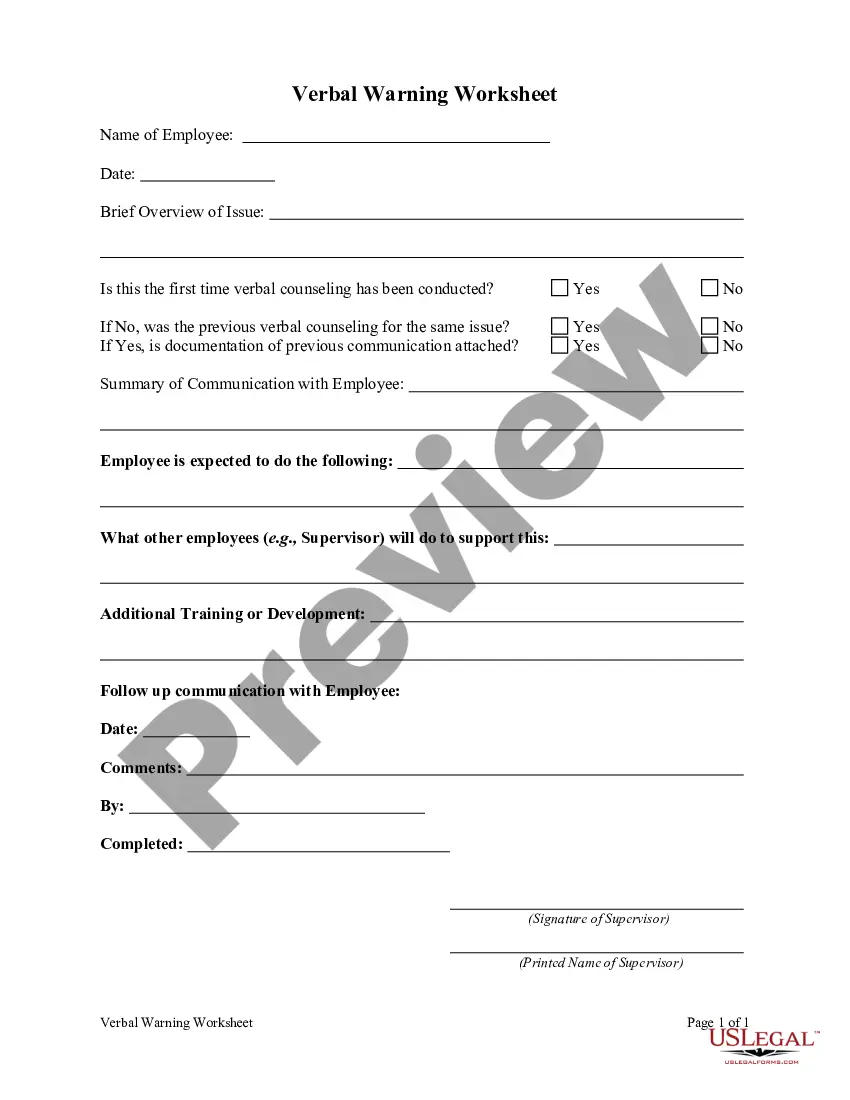
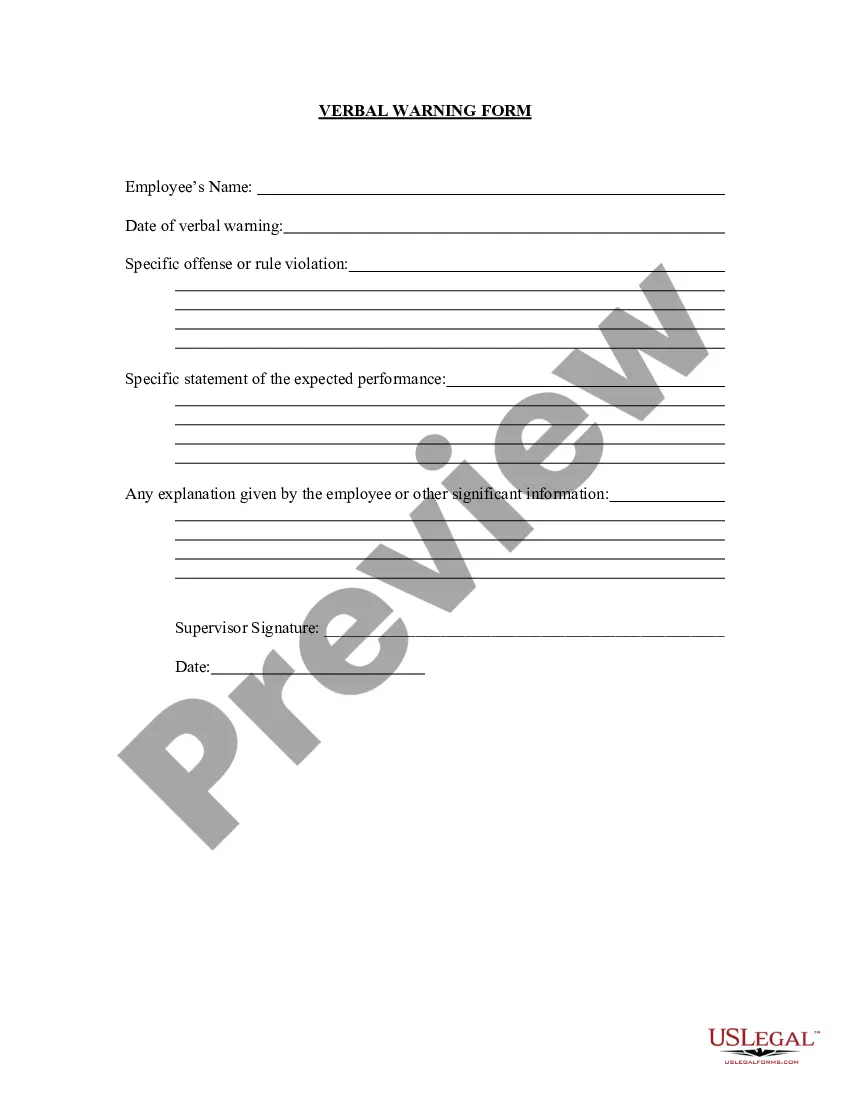
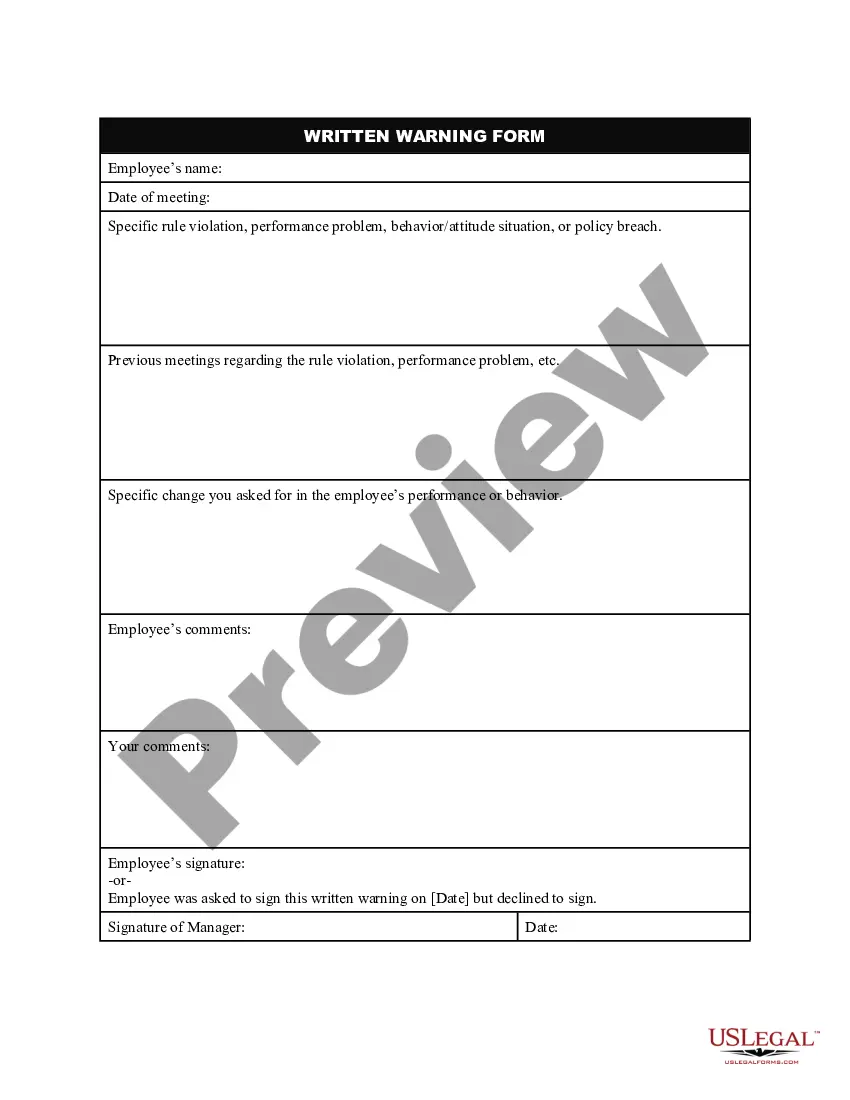
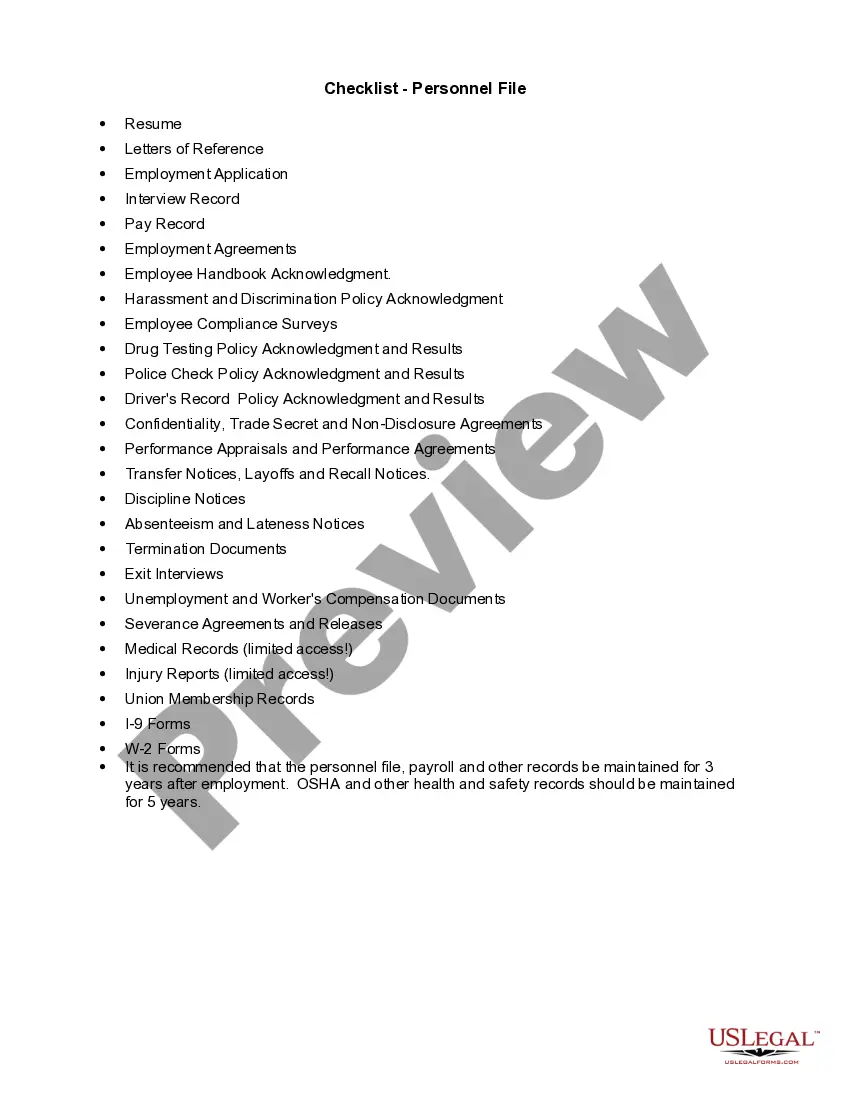
Generally, a verbal warning might not go on an official record, but it's good practice to keep track of them internally—like a diary of sorts—so everyone’s on the same page.
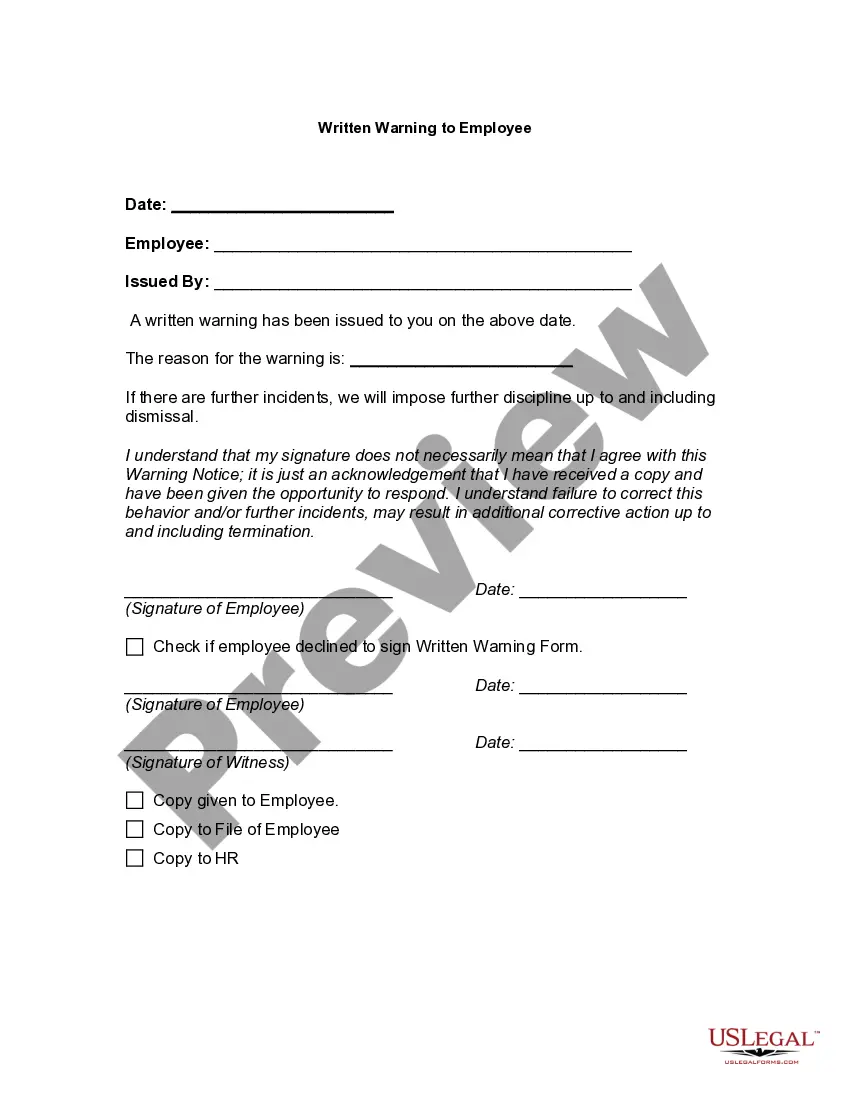
Absolutely! If the behavior doesn’t change after a verbal warning, it can lead to written warnings or even termination. It’s like a warning sign on the road—if you don’t heed it, you might run into trouble.
Not quite! A verbal warning is more of a gentle nudge, while official disciplinary actions are a bit more serious, like a slap on the wrist. It’s the first step before any heavy-duty measures.
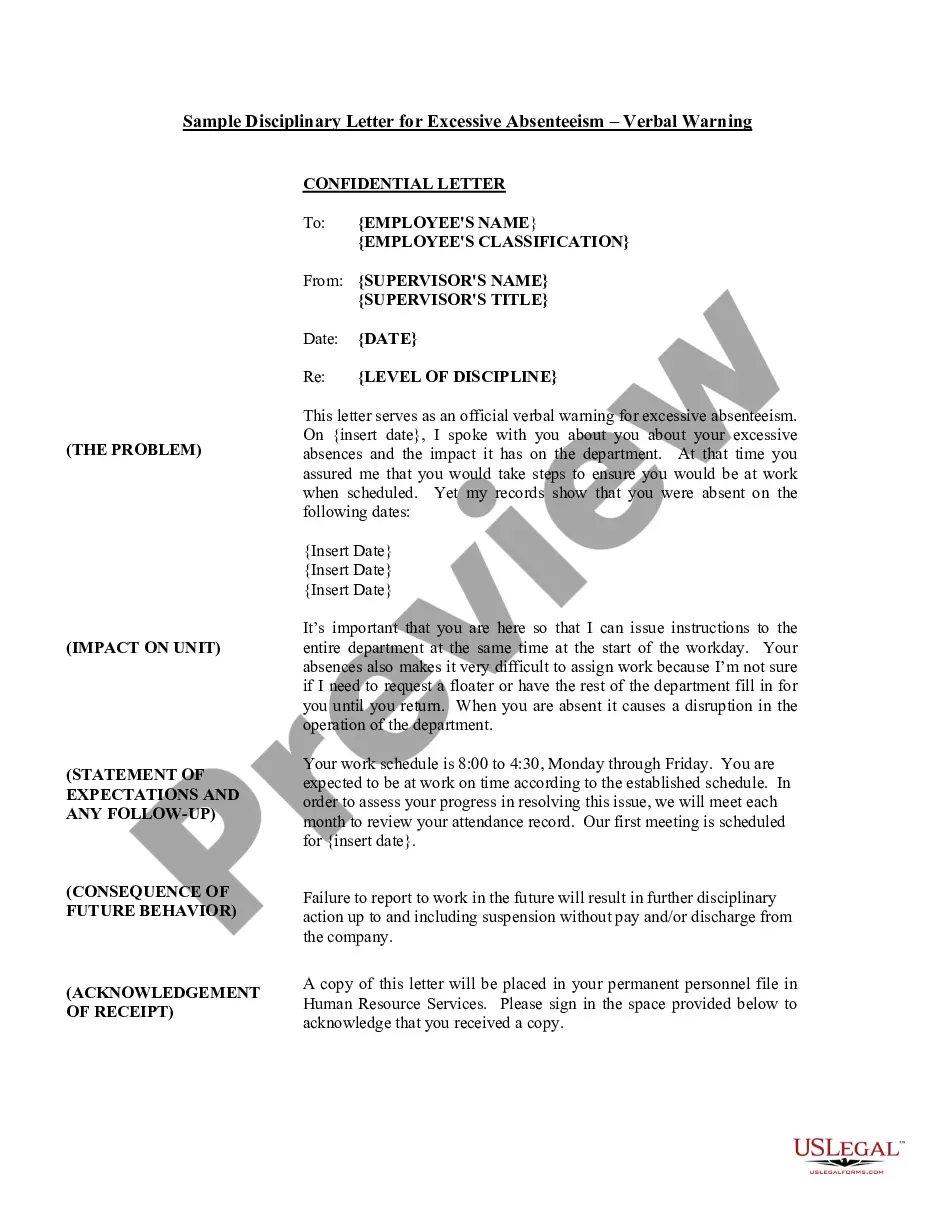
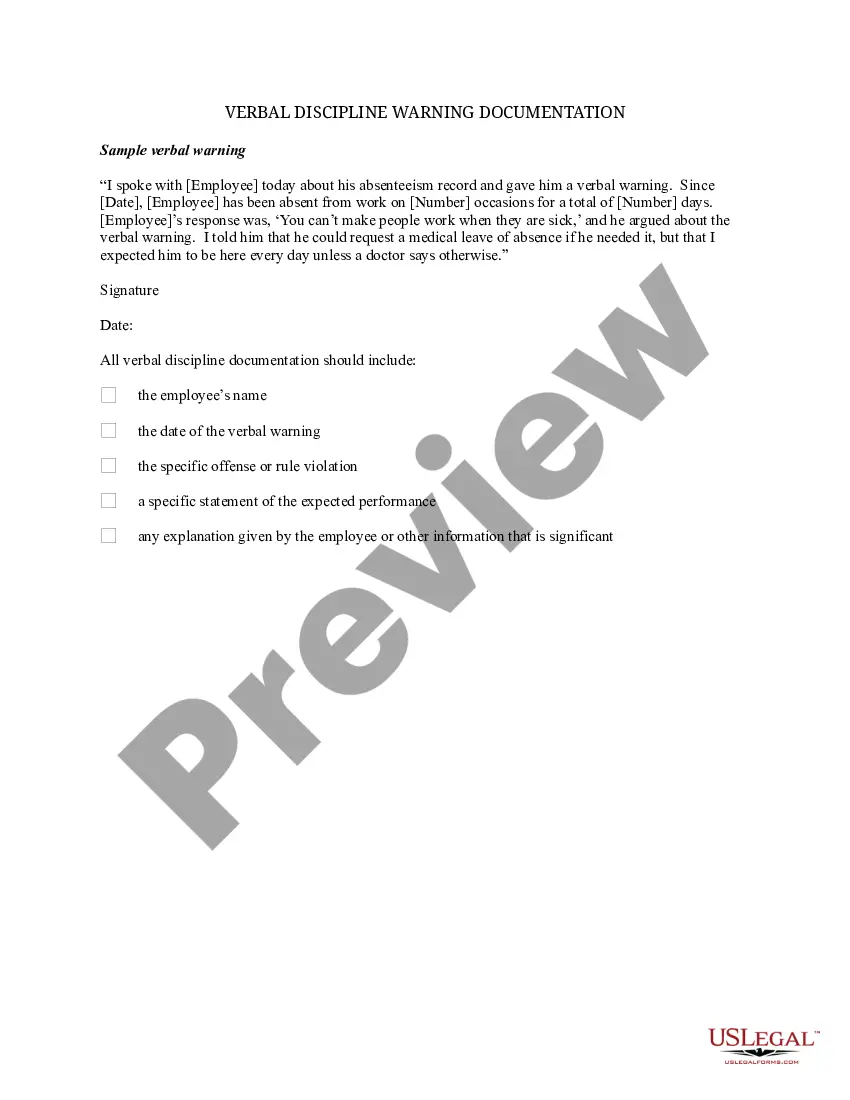
Documentation should be simple but clear. Just jot down the date, what was discussed, and the steps the employee needs to take. It's like taking notes for a road trip—makes sure you don’t get lost!
You’d want to give a verbal discipline warning right after you notice an issue. It’s best served fresh, so they can understand what needs fixing without beating around the bush.
A verbal discipline warning is basically a heads-up for employees when their performance isn't quite hitting the mark. It’s a way to let them know they need to step up their game.