Franklin Ohio Pot Testamentary Trust
Description

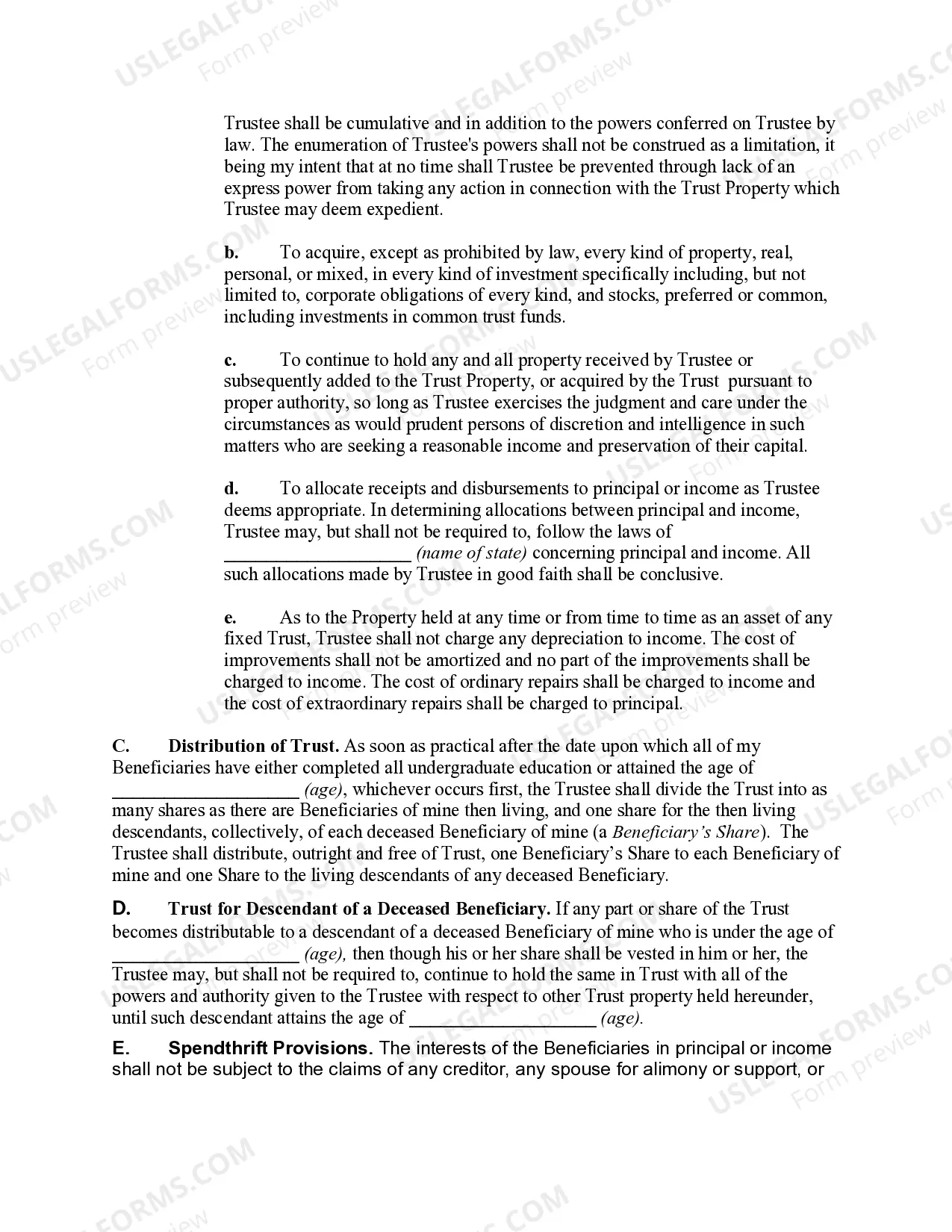

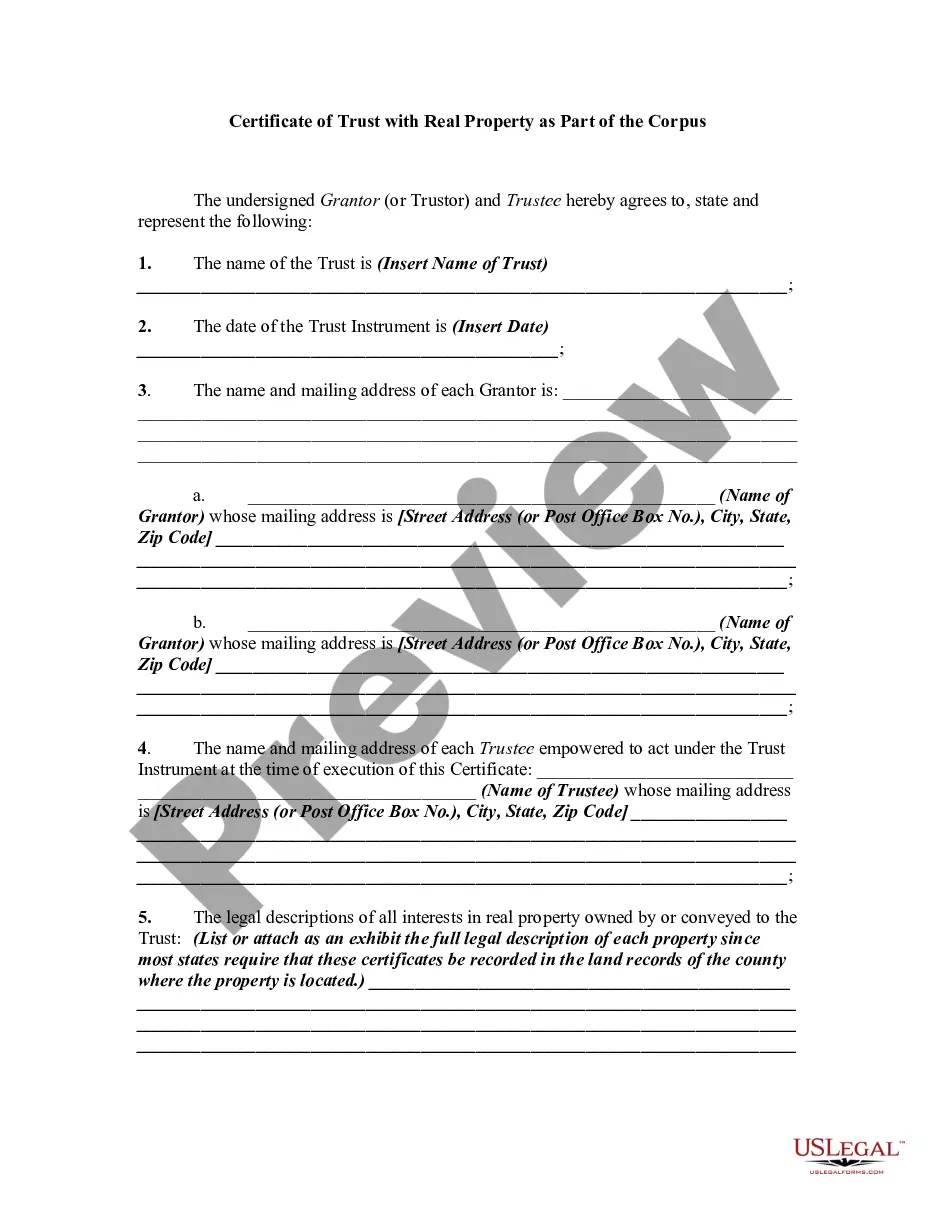
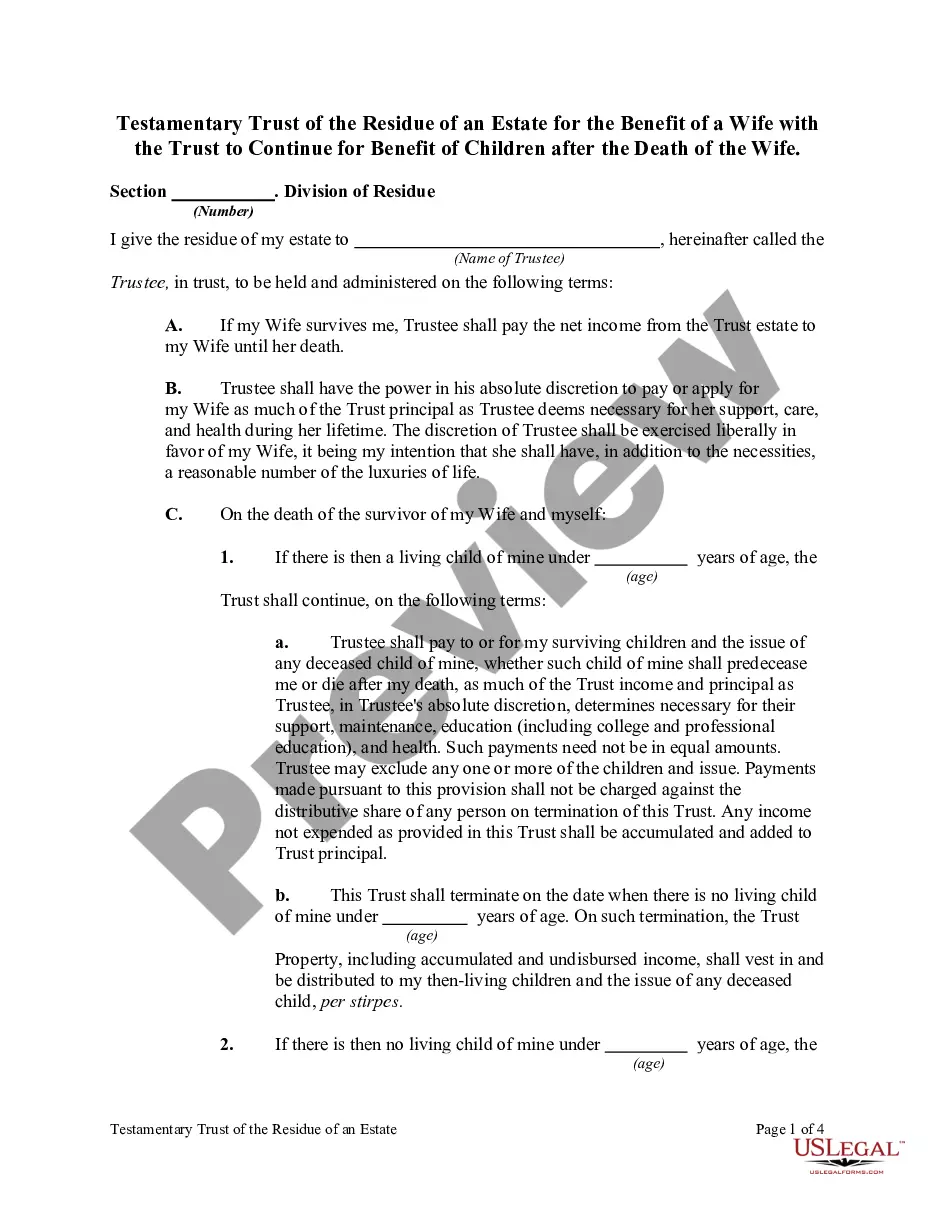
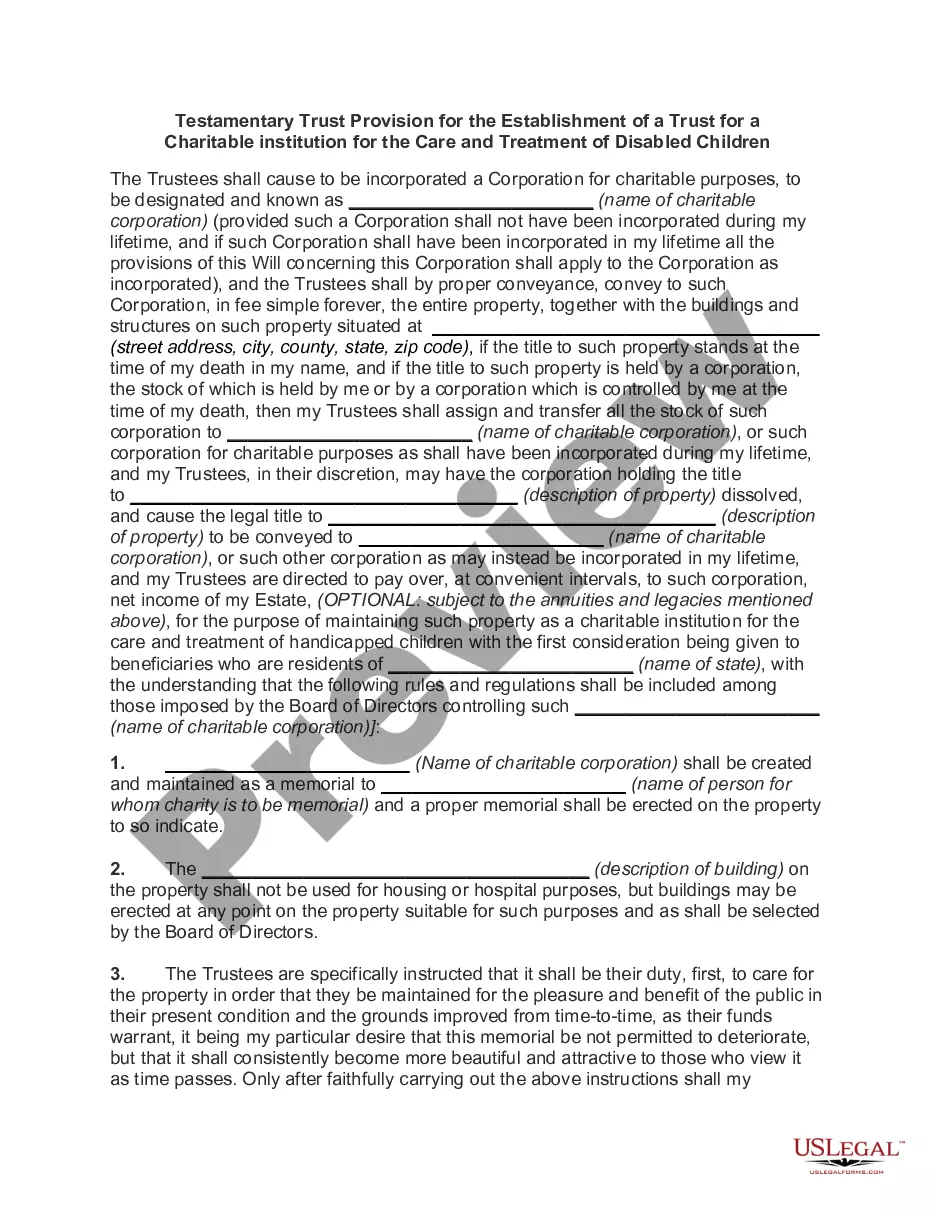

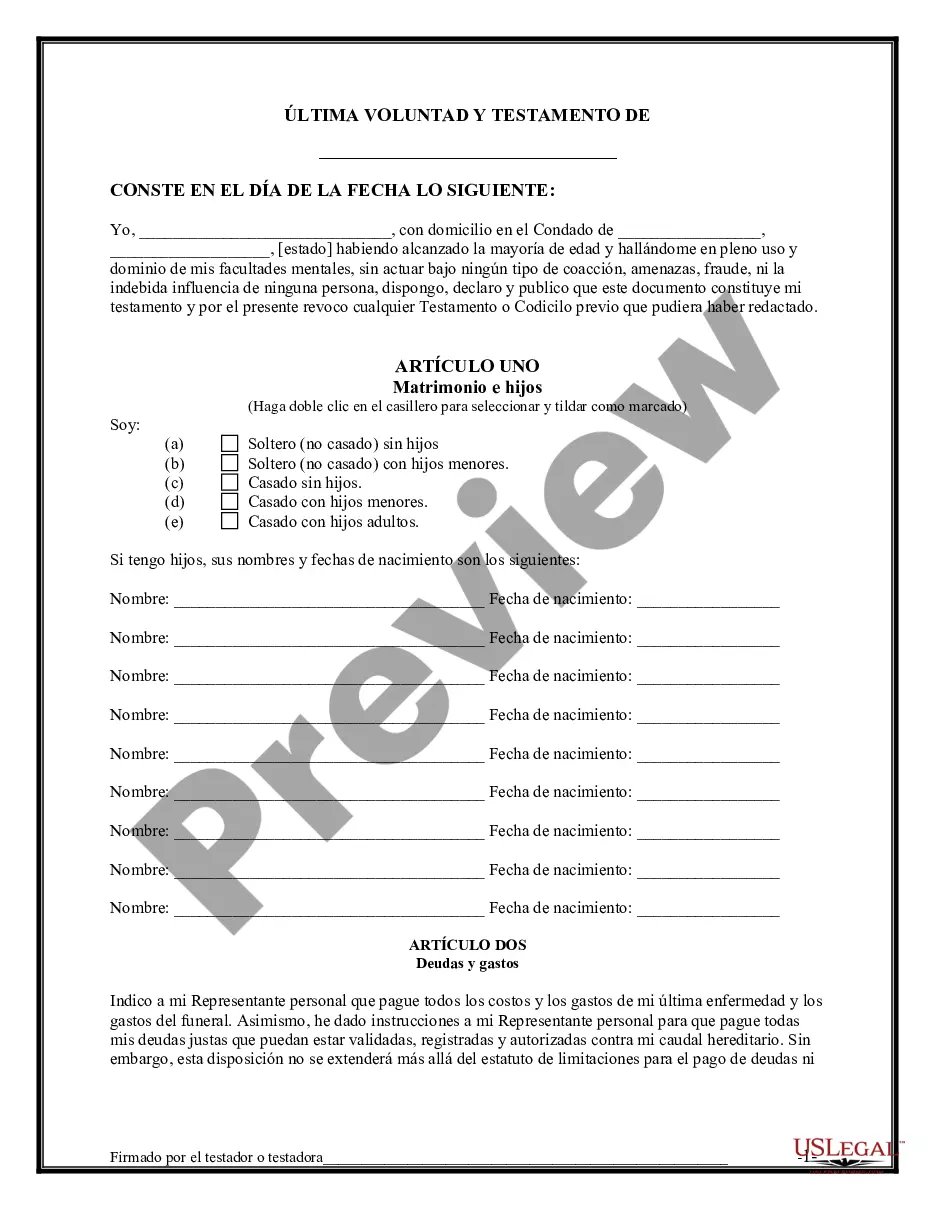

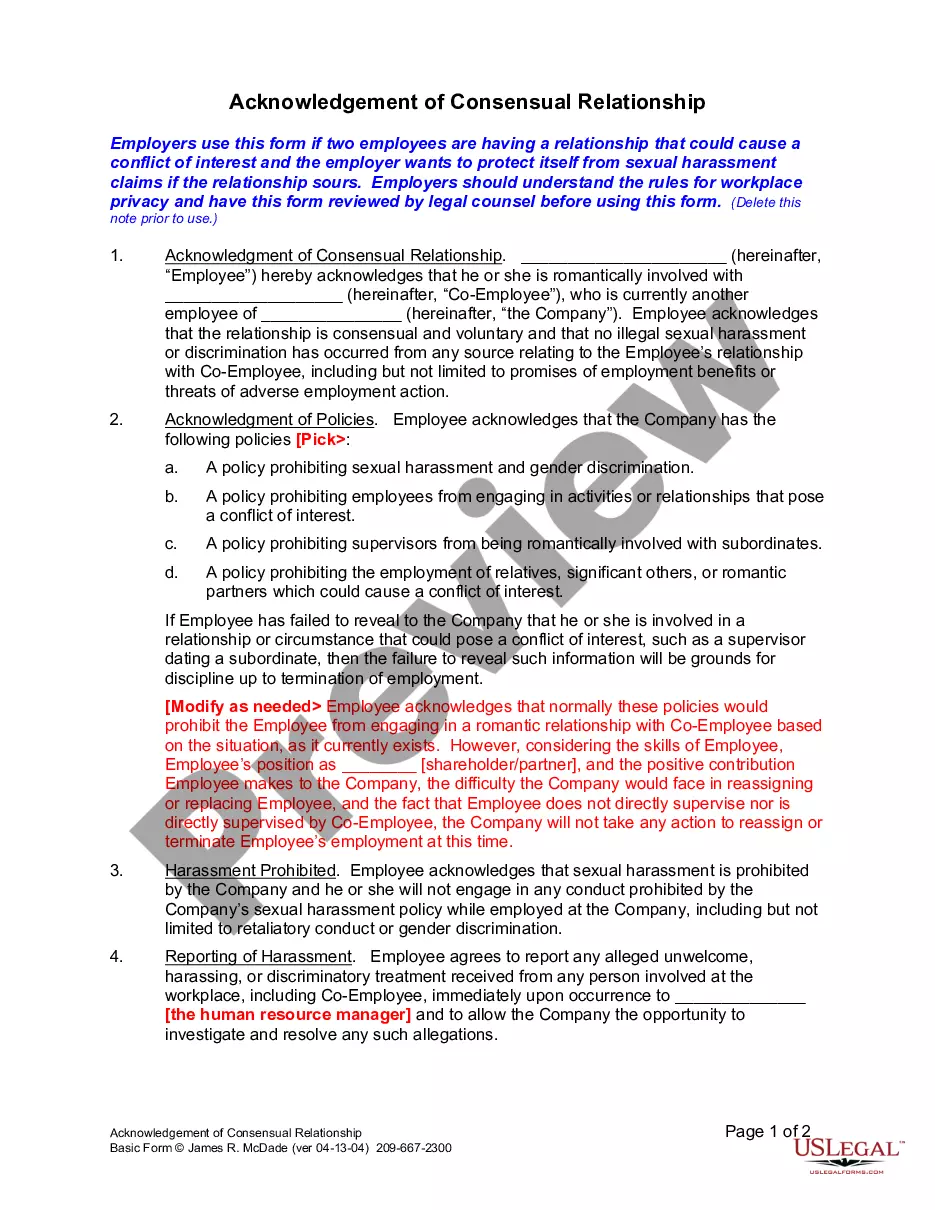
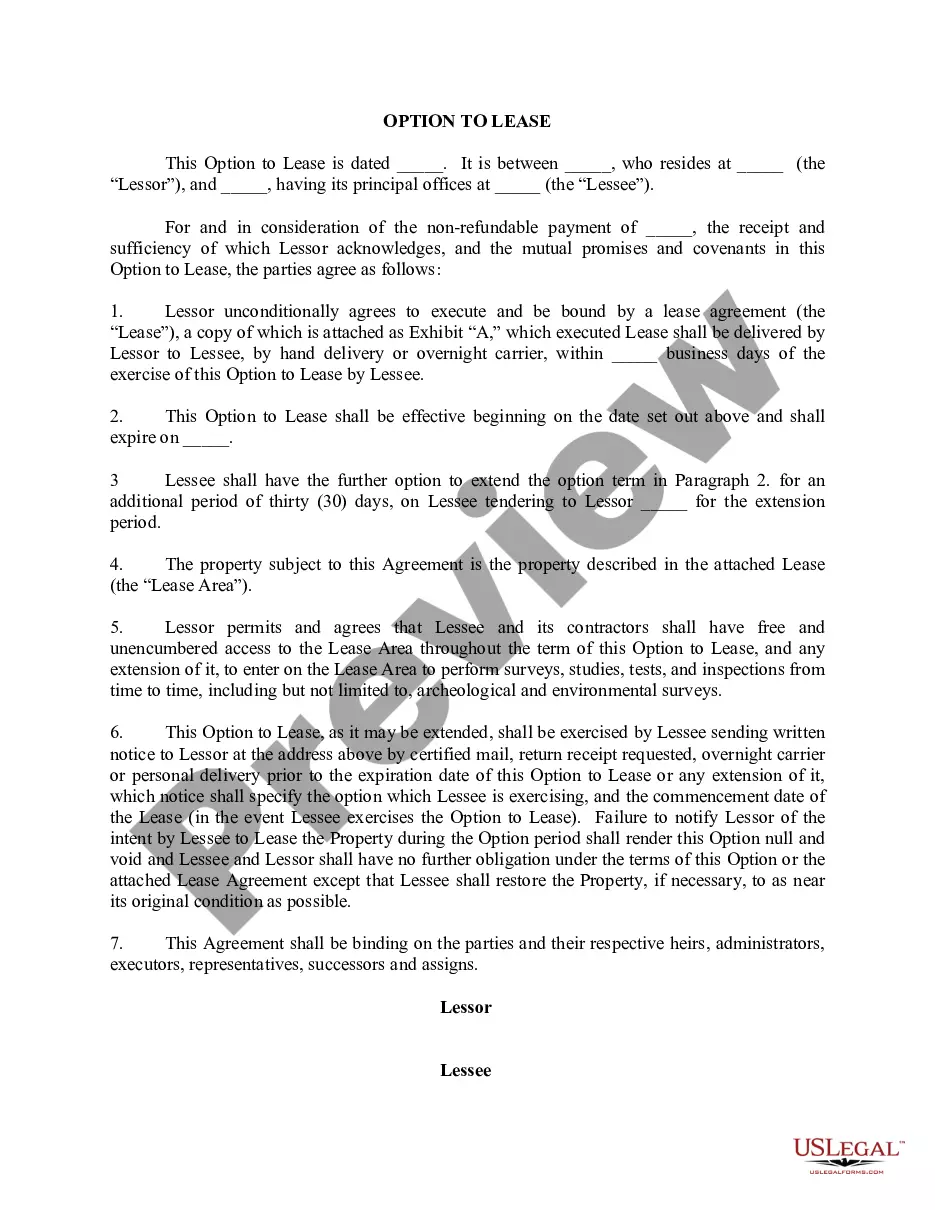
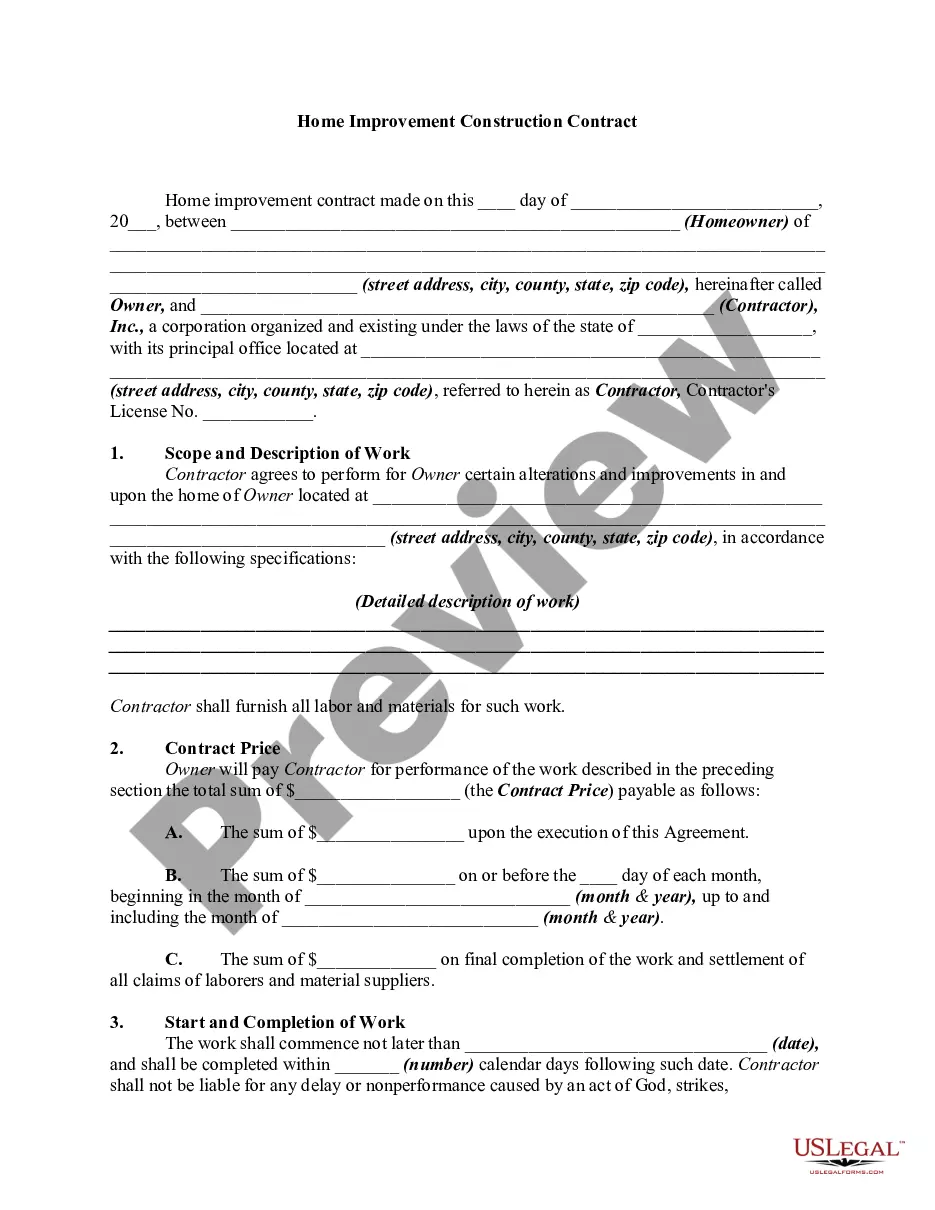
How to fill out Pot Testamentary Trust?
Drafting documents for business or personal requirements is always a significant obligation.
When formulating a contract, a public service application, or a power of attorney, it's crucial to consider all federal and state laws of the specific region.
However, small counties and even municipalities also have legislative regulations that you must take into account.
The remarkable aspect of the US Legal Forms library is that all the documents you've ever obtained are never lost - you can access them in your profile via the My documents tab at any time. Join the platform and conveniently secure verified legal documents for any circumstance with just a few clicks!
- All these factors make it challenging and time-consuming to prepare a Franklin Pot Testamentary Trust without expert help.
- It's straightforward to avoid unnecessary expenses on lawyers creating your documents and establish a legally recognized Franklin Pot Testamentary Trust independently, utilizing the US Legal Forms online repository.
- It is the largest online collection of state-specific legal documents that are professionally verified, ensuring their legitimacy when selecting a template for your county.
- Previous subscribers only need to Log In to their accounts to retrieve the necessary form.
- If you do not yet possess a subscription, follow the step-by-step instructions below to acquire the Franklin Pot Testamentary Trust.
- Review the page you have accessed and confirm if it contains the document you require.
- To do this, utilize the form description and preview if these features are available.
Form popularity
FAQ
Living trusts and testamentary trusts A living trust (sometimes called an inter vivos trust) is one created by the grantor during his or her lifetime, while a testamentary trust is a trust created by the grantor's will. Only a funded living trust avoids probate court.
A pot trust is a type of trust that lists children as beneficiaries, with the trustee using his or her discretion as to how trust assets should be spent. If you have minor children, you might consider setting up a pot trust to meet their financial needs, if something should happen to you.
Generally, testamentary trusts are created for young children, relatives with disabilities, or others who may inherit a large sum of money that enters the estate upon the testator's death.
Everyone needs a living revocable trust, says Suze Orman. In response to several emails and tweets asking why a trust is so mandatory, Orman spells it out. "A living revocable trust serves as far more than just where assets are to go upon your death and it does that in an efficient way," she said.
A testamentary trust is created to manage the assets of the deceased on behalf of the beneficiaries. It is also used to reduce estate tax liabilities and ensure professional management of the assets of the deceased.
Trusts are a crucial element to Estate Planning as they help provide more control over asset distribution after death. Among the various types available, a Testamentary Trust can be one of the best options for those thinking of their young children or grandchildren.
You can name your own testamentary trust as your beneficiary by including it on the beneficiary form in the following format. You cannot name someone else's testamentary trust.
A Testamentary Trust is often a simple trust for taxes purposes. Generally speaking this means the trust cannot generate income, be designated for charity, or distribute out of corpus.