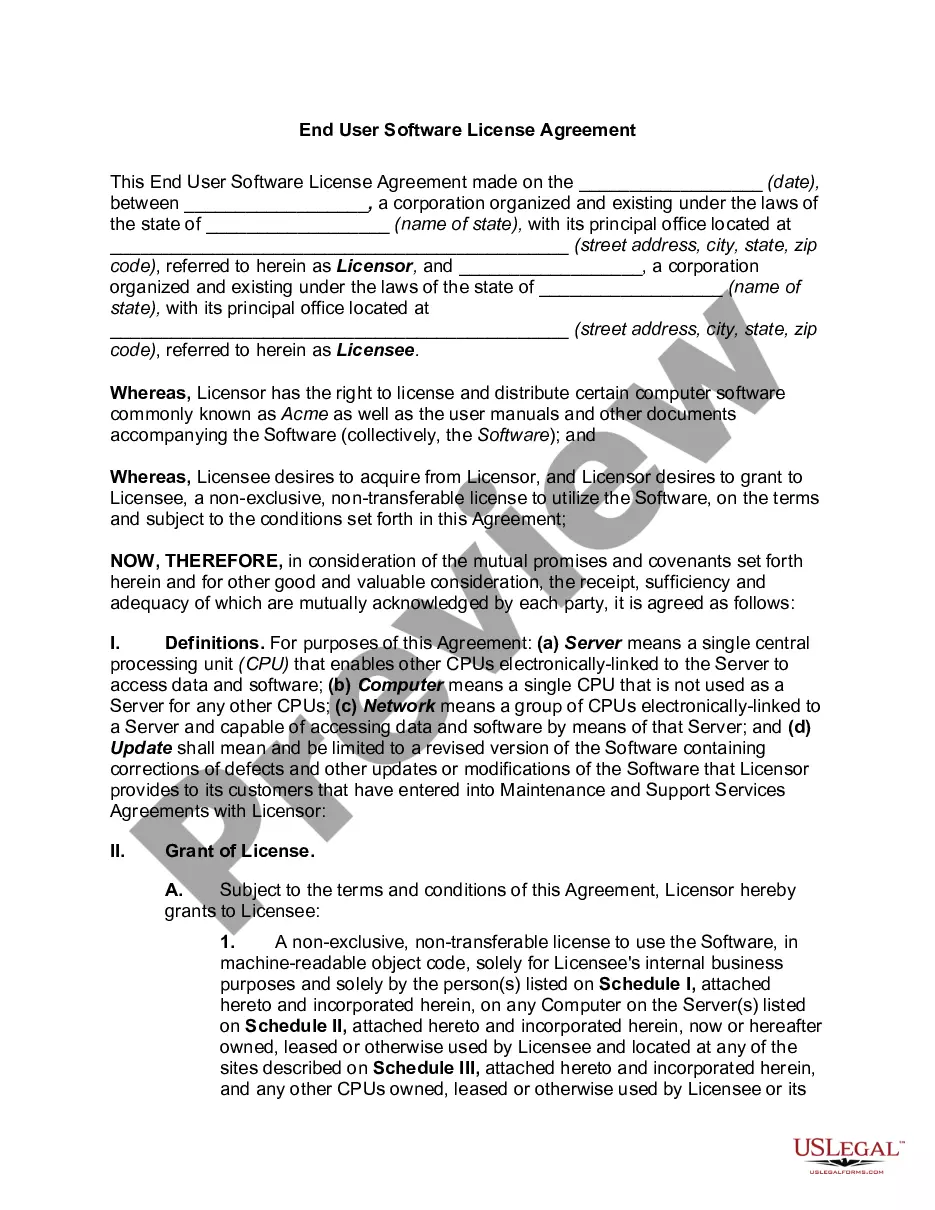
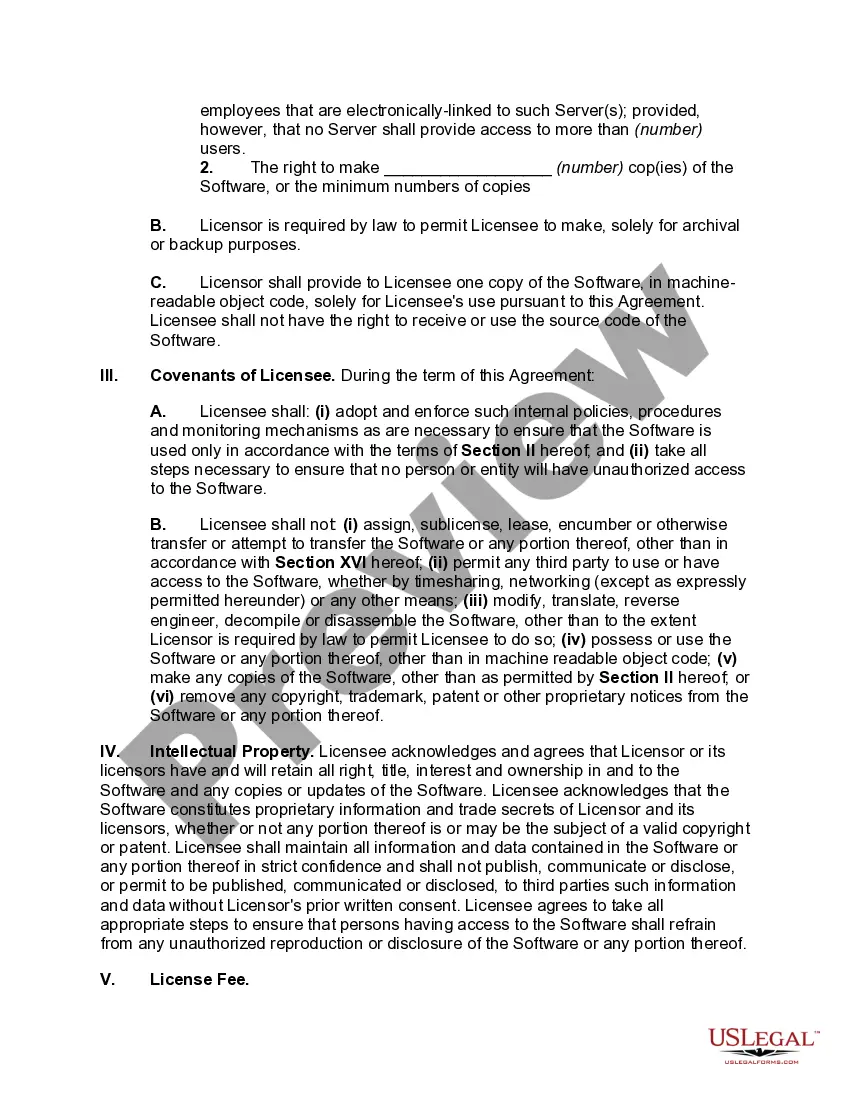
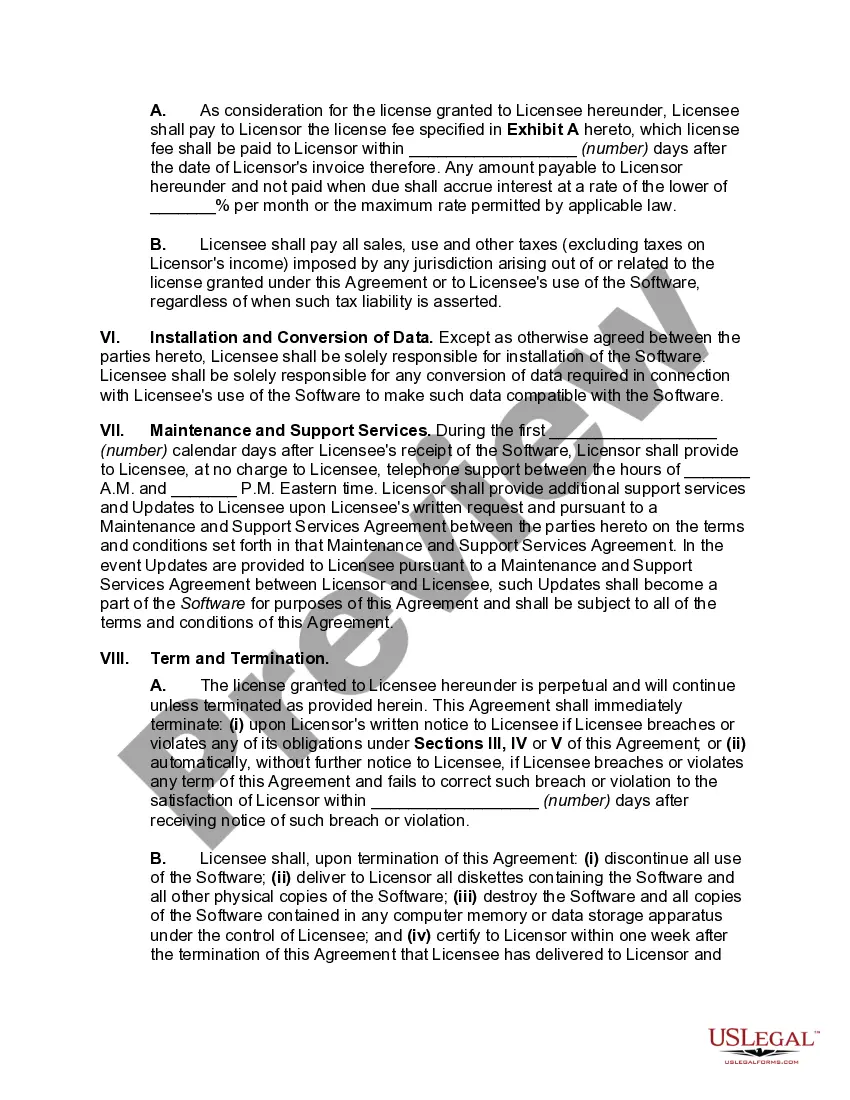
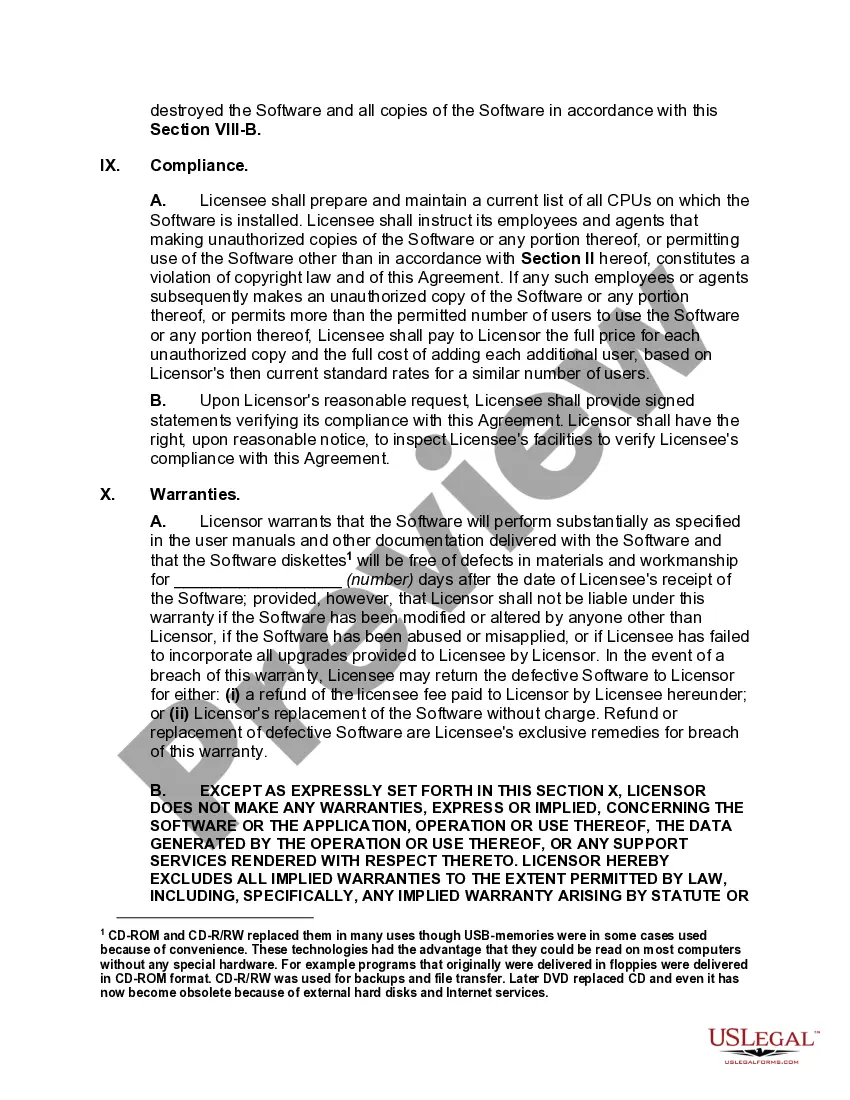
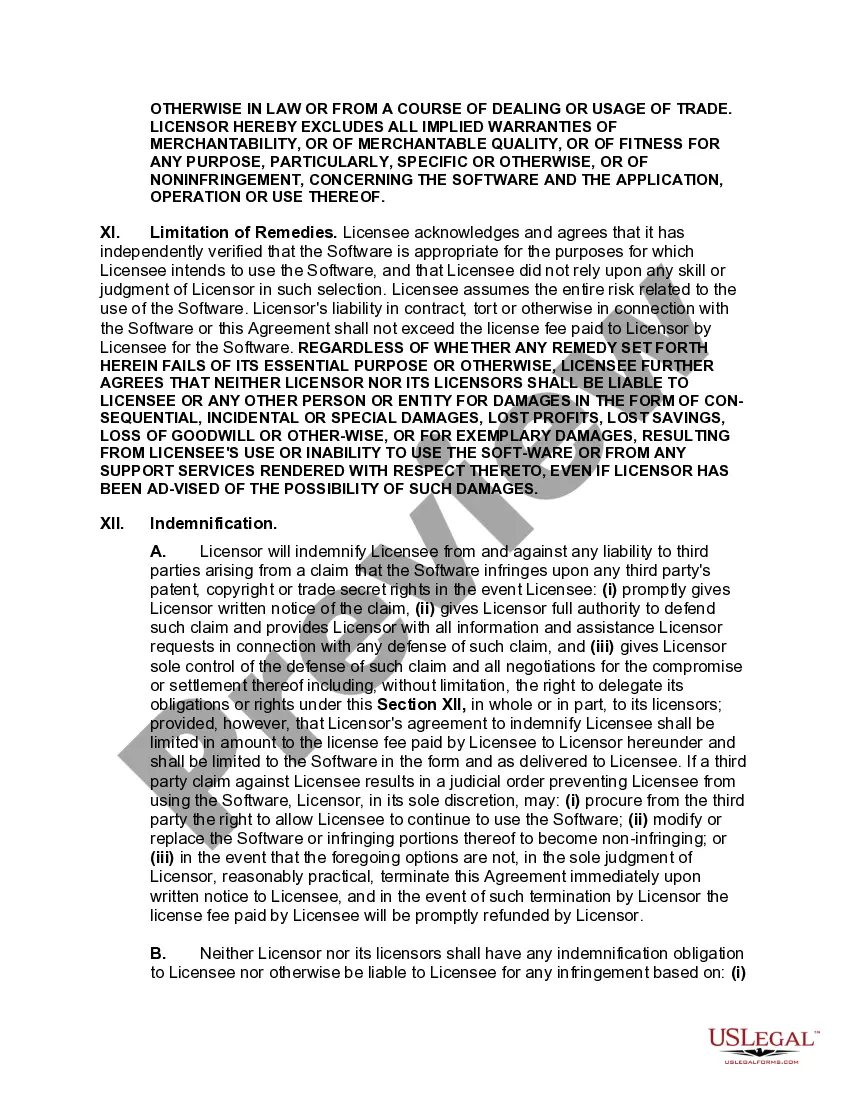
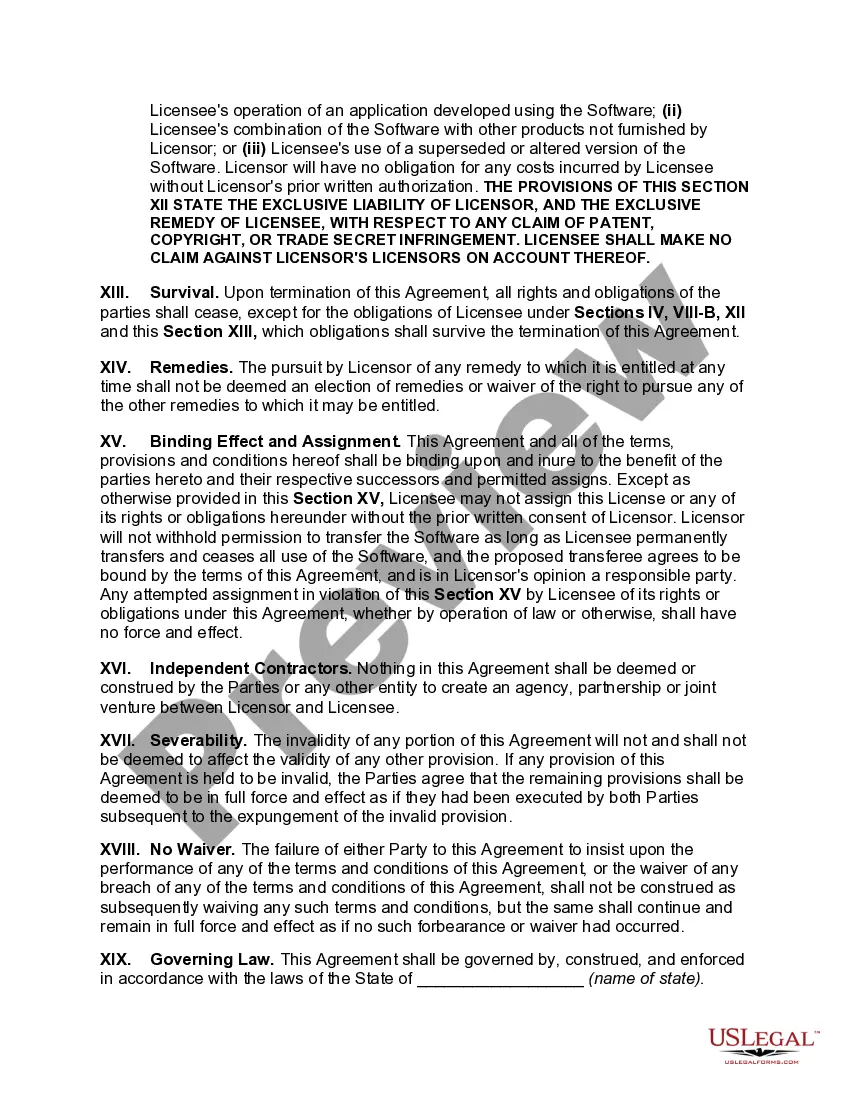
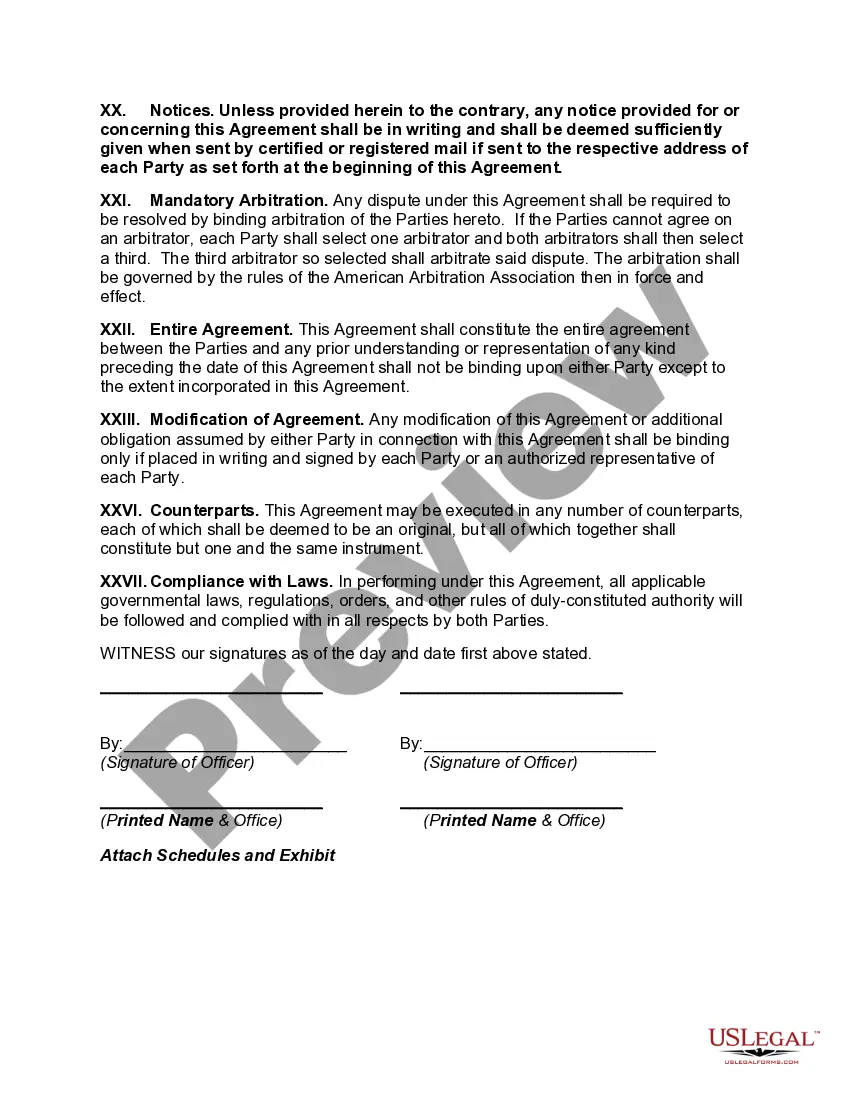
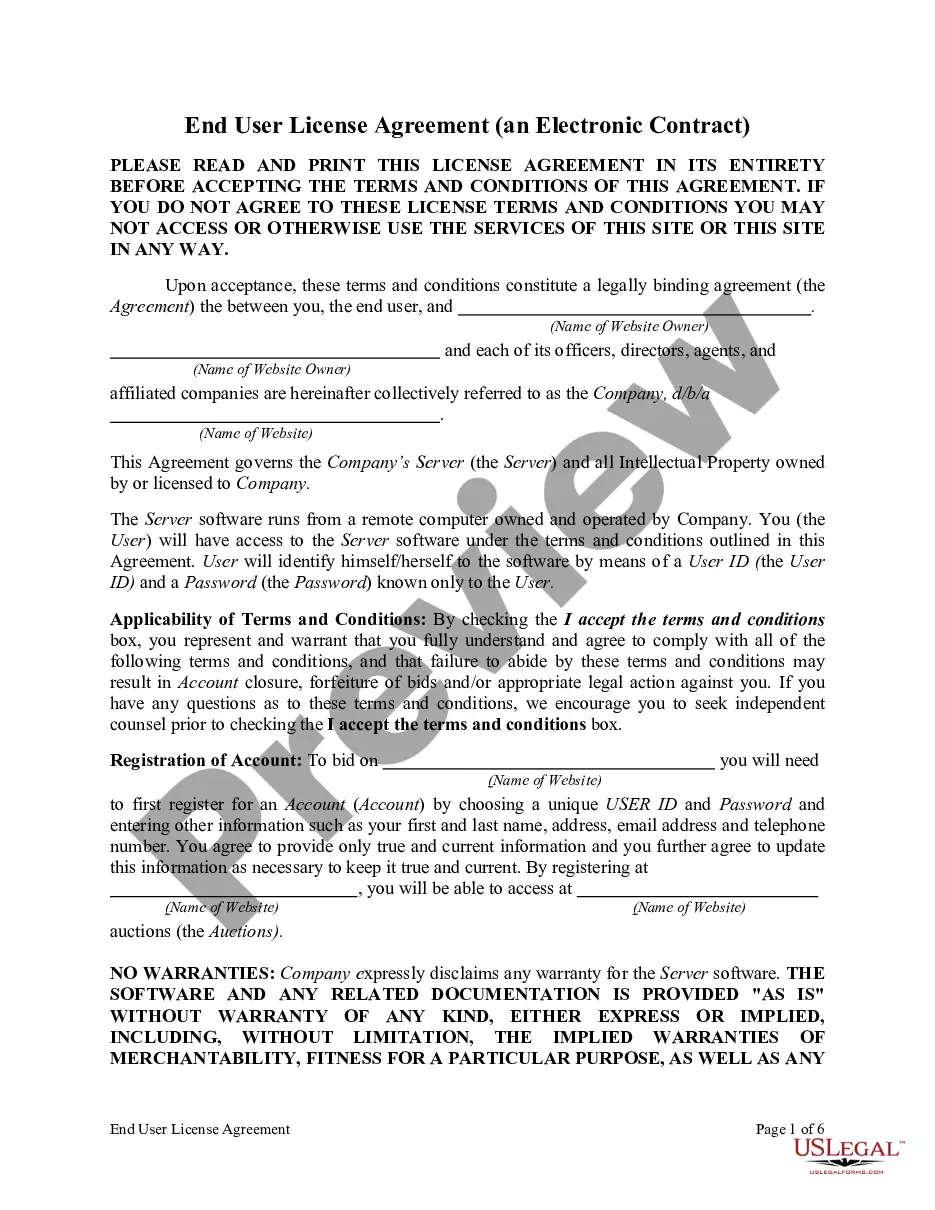
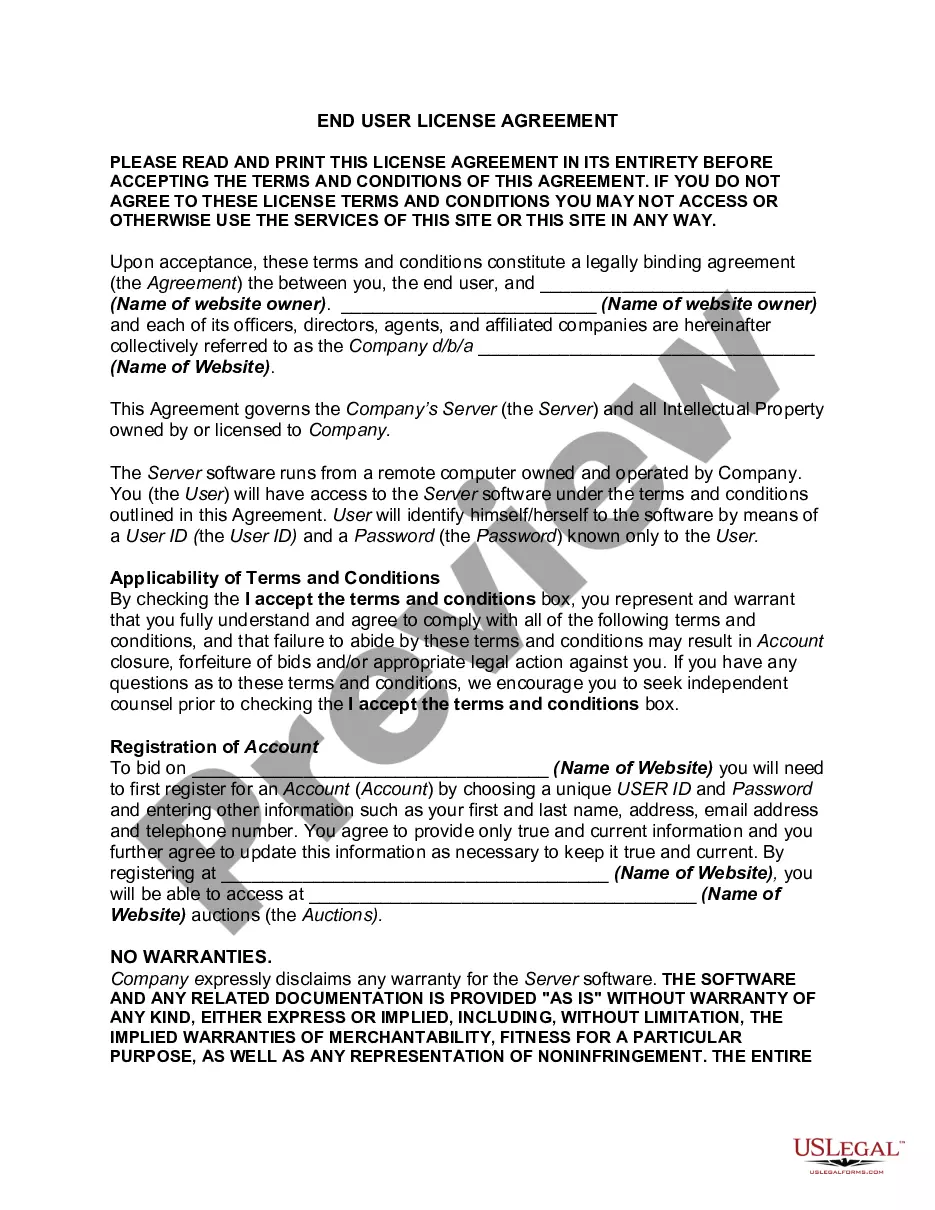
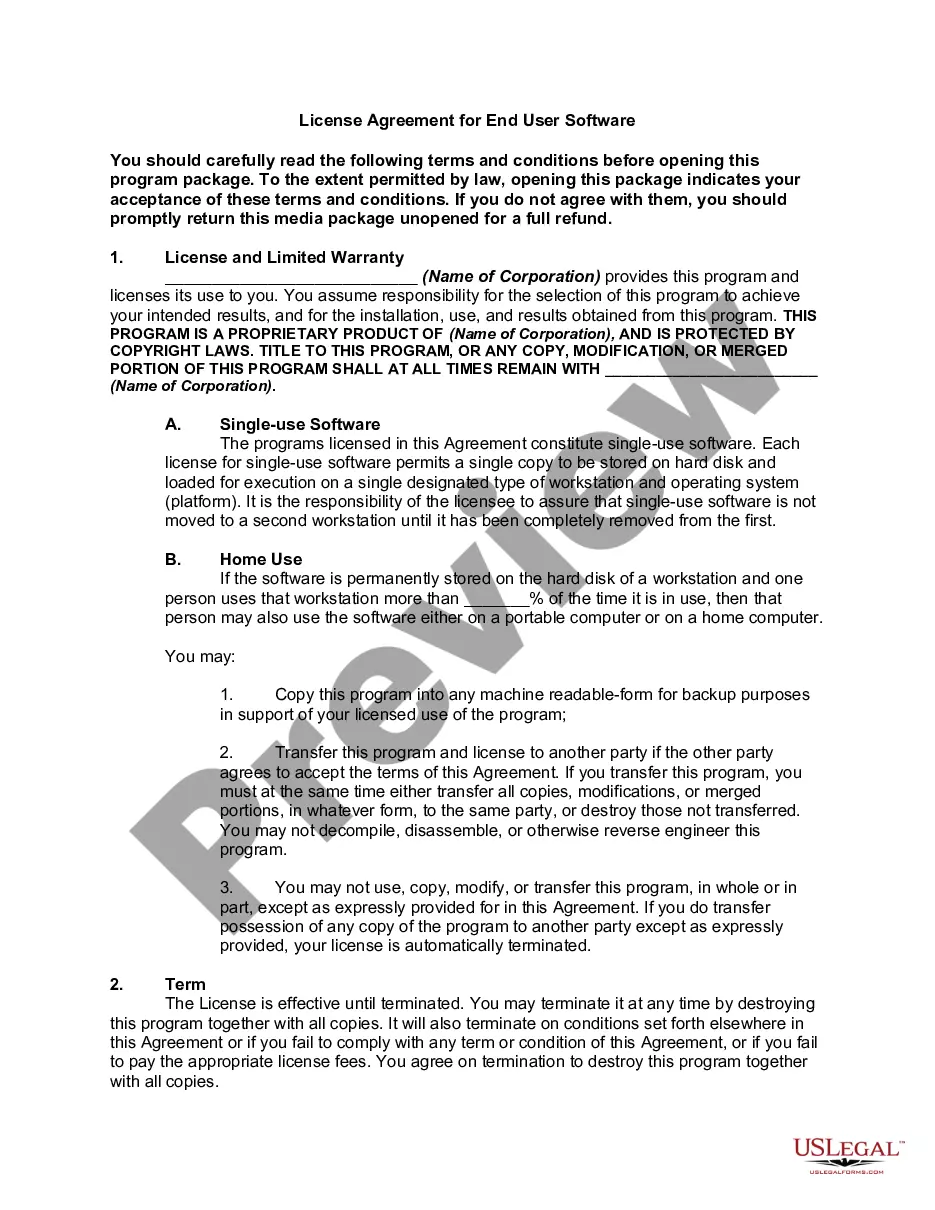
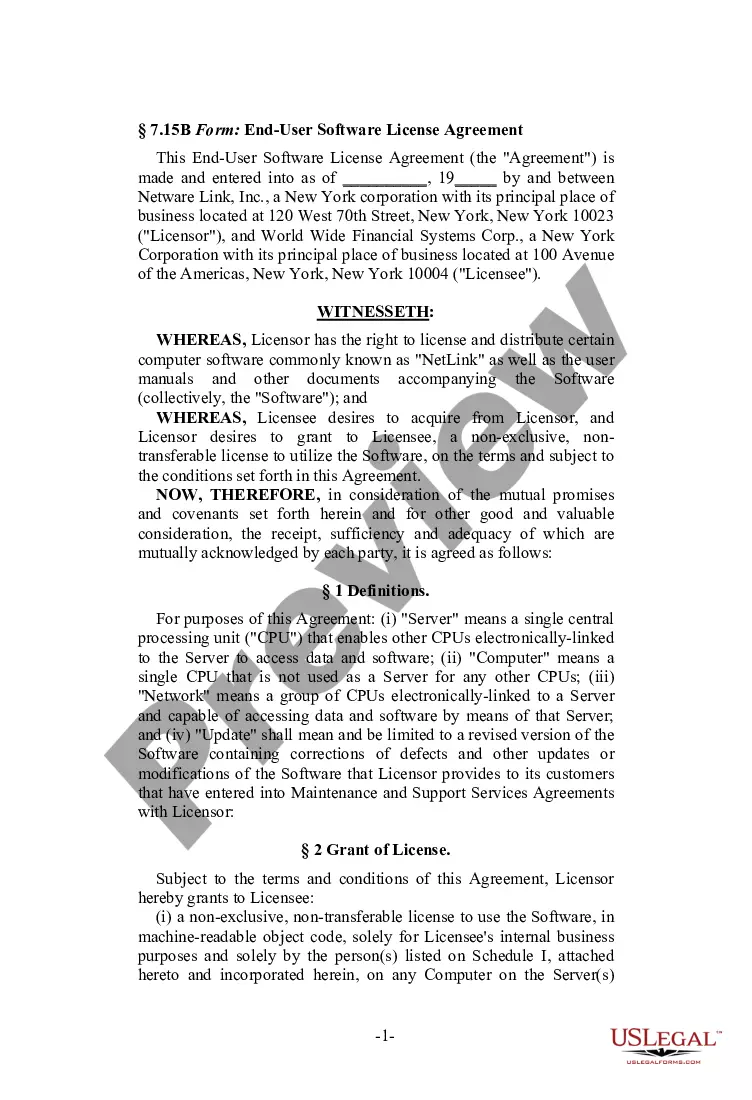
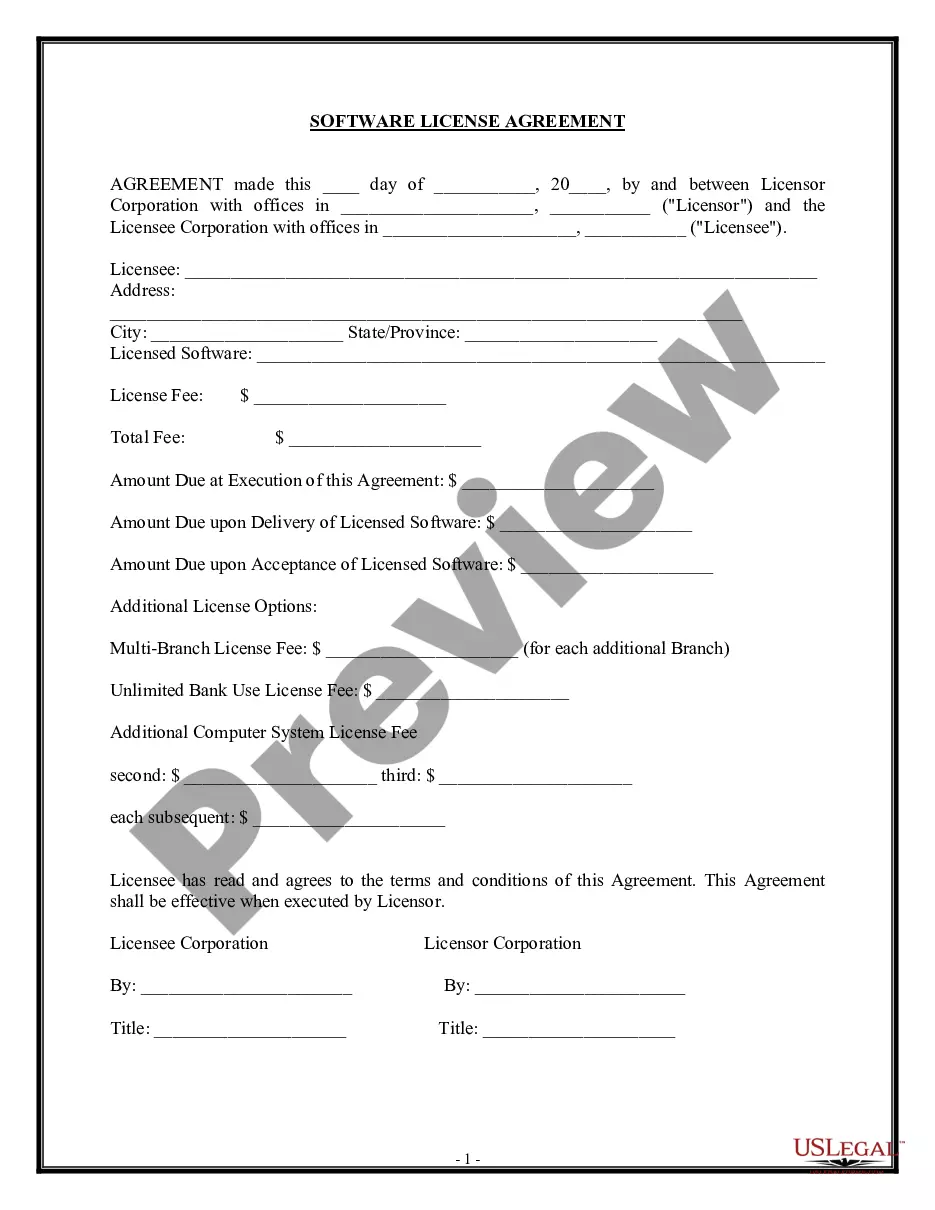
An end user licensing agreement (EULA) is a software licensing agreement entered into between a software publisher and the user. It includes specific information about the software, the rights of the company, and the rights of the user.
If you don't agree, it's simple—don't use the software. You always have the option to look for alternatives that align better with your preferences. There are plenty of fish in the sea!
Not at all! Each software has its own EULA that reflects its specific use and rights. It's a bit like different recipes—each one has its own unique ingredients!
You can usually find the EULA during the installation process or in the ‘Help’ section of the software. It might also be available on the publisher's website—just a few clicks away!
If you break the rules in a EULA, you could face consequences like losing access to the software or even getting hit with legal action. It's best to play it safe and read the fine print!
Generally, no. EULAs often say that you can't share or distribute the software without permission. It's like lending a book, but you can't make copies of it!
Not necessarily! Most software requires you to agree to the EULA the first time you use it. After that, you're usually all set until there's an update or a new version.
An End User License Agreement, or EULA, is a legal contract between the software creator and the user, outlining how the software can be used and what rights the user has.