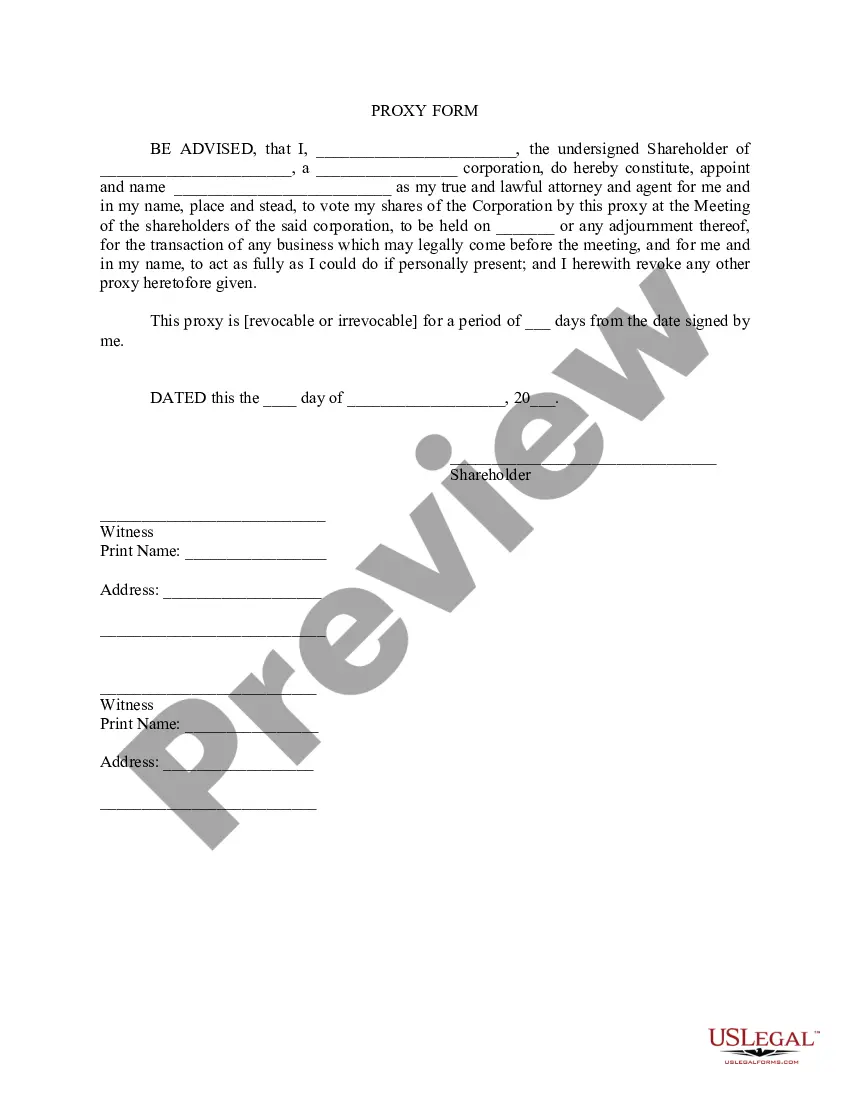
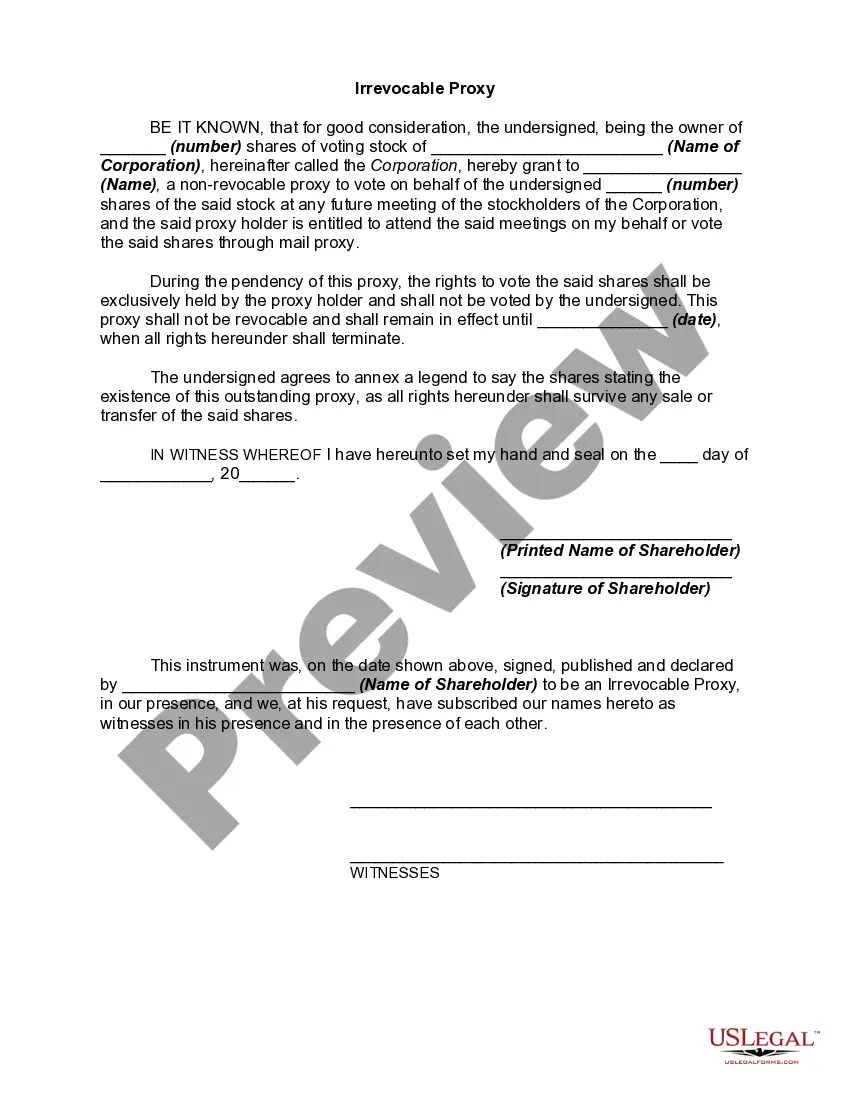
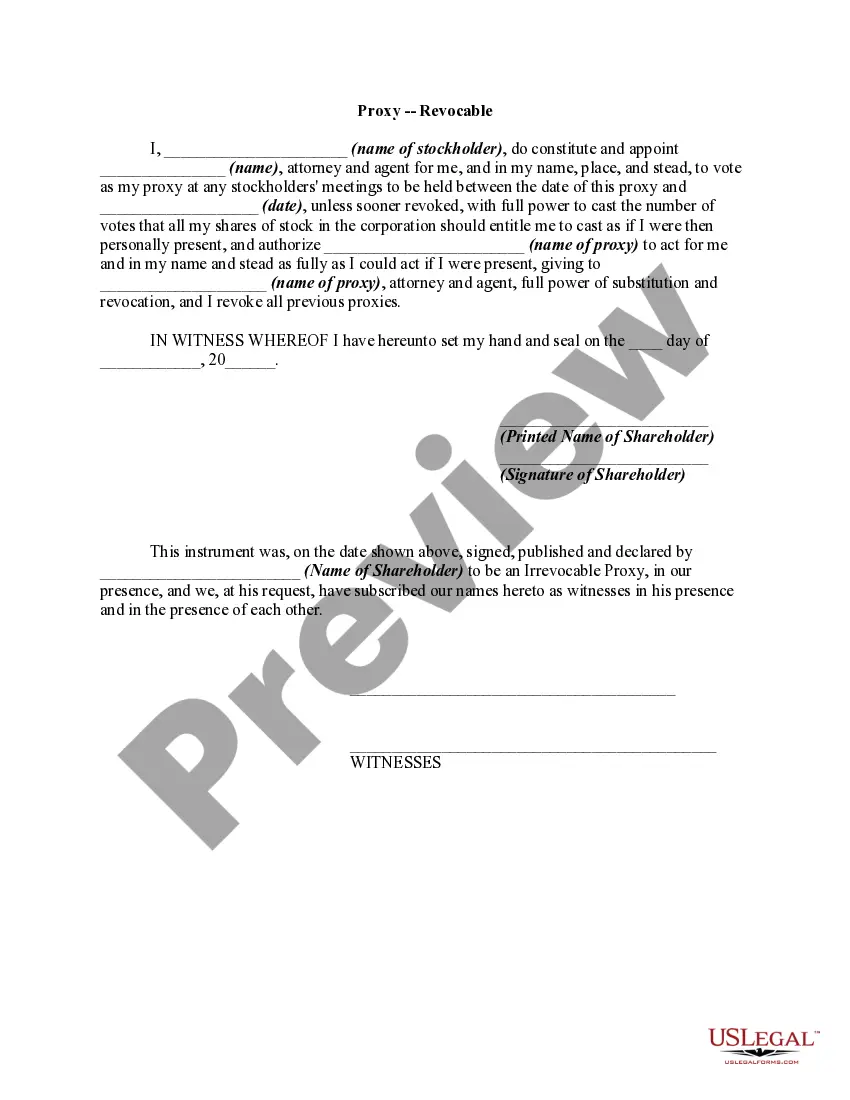
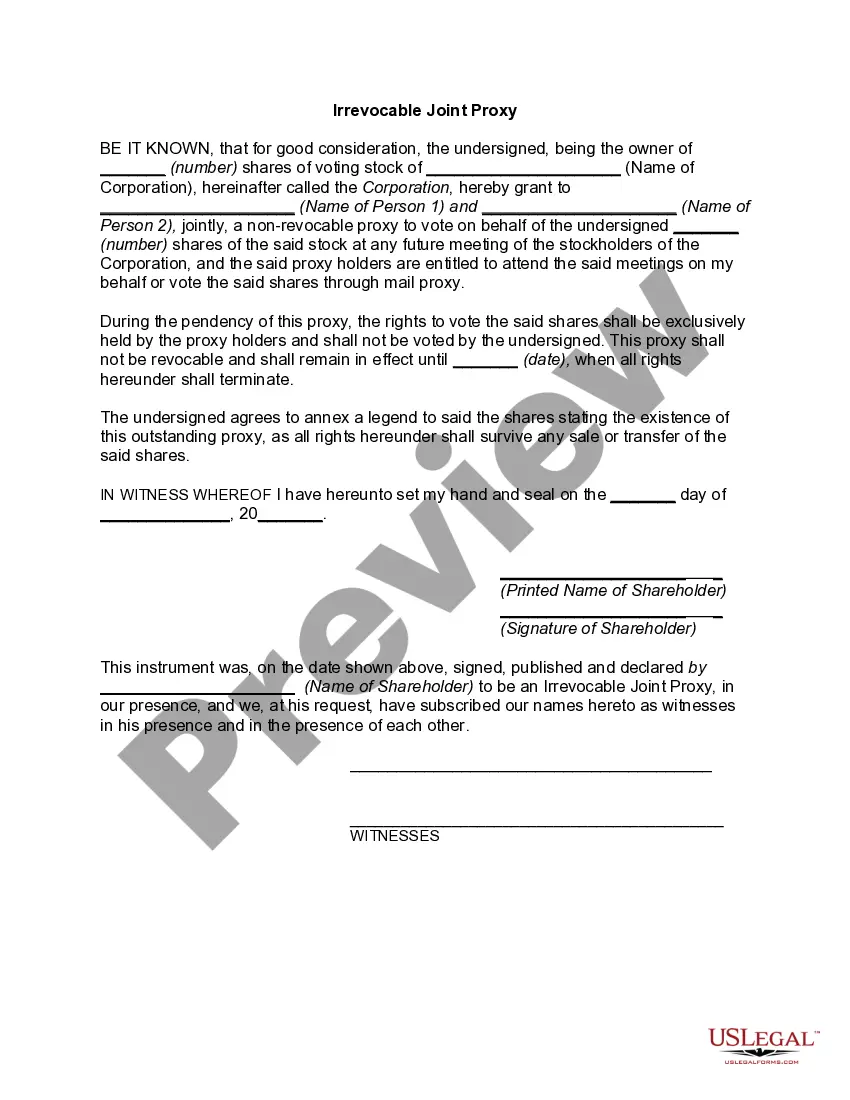
Proxy voting refers to the procedure of delegating the right to vote by one person to another. In proxy voting in the absence of a person his/her vote will be secured by some other person. A person so designated to cast the vote of another is called a "proxy" and the person who delegates the power is called a principal. A voter must have a trust in the proxy. Any person including the official of the chosen party can be appointed as the proxy.
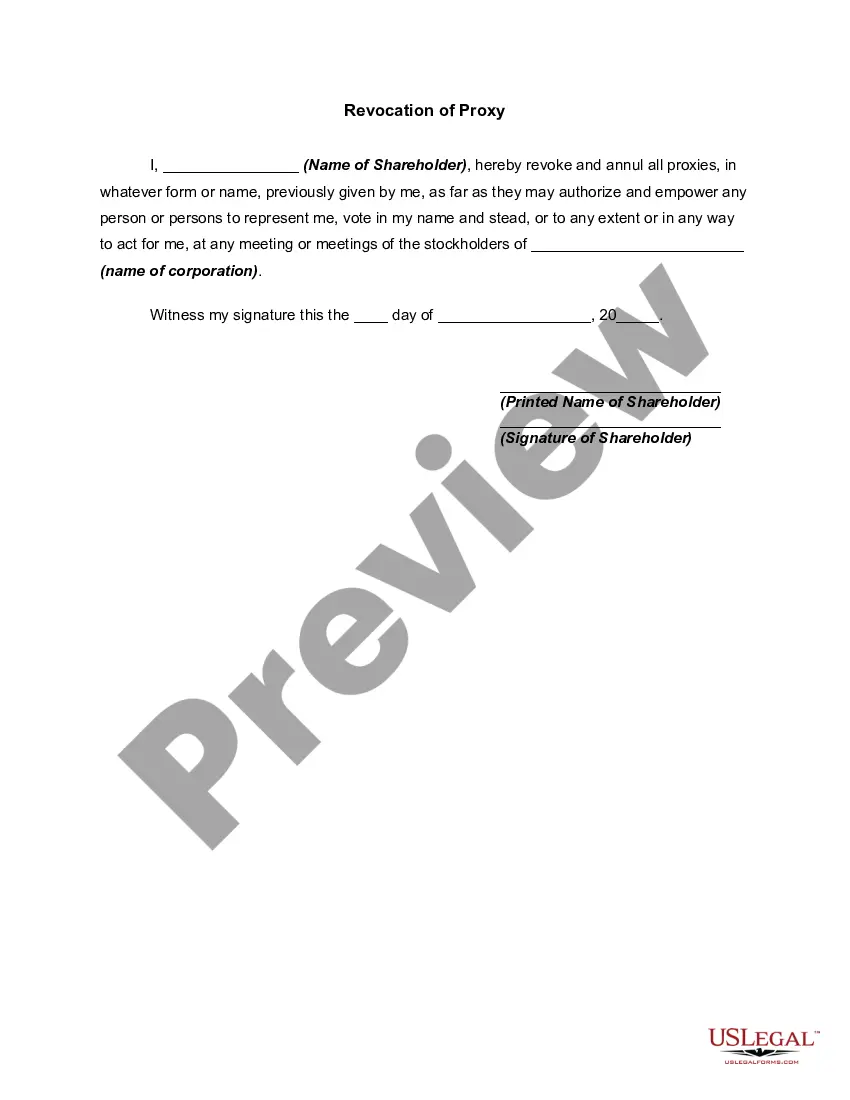
A proxy can also be revoked unless the terms of the proxy say otherwise.
While a verbal revocation might work in informal situations, it’s best to have it in writing for clarity and to avoid any miscommunication down the line.
If they refuse, don’t sweat it. As long as you follow the right steps to revoke it, your new direction stands, and the previous proxy has to respect that.
You don’t have to hire a lawyer, but having one can help make sure you’re dotting your i’s and crossing your t’s, especially if the situation is complicated.
While there’s no fancy process, it's important to follow any specific rules laid out in the original proxy document and to keep records of the revocation.
To revoke a proxy, you usually just need to write a letter stating that you’re canceling it. It’s wise to notify both the person you appointed and any organizations involved.
Revoking a proxy means taking back the authority you gave someone to act on your behalf. In Mesa, this is often done when you no longer want a person to make decisions for you.
There’s no specific time limit to revoke a proxy as long as it’s before the proxy is used. It’s all about being timely, like catching a train before it leaves the station.