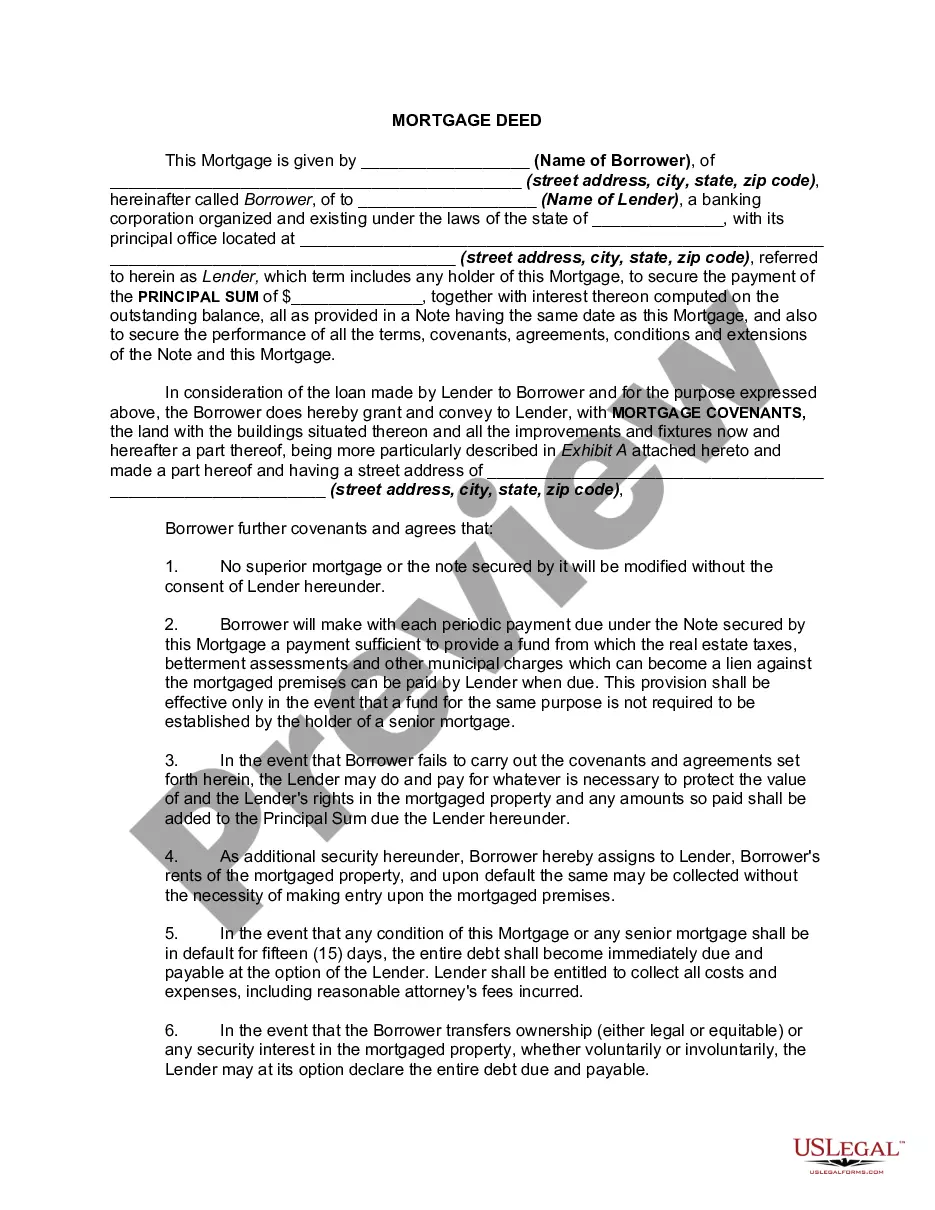
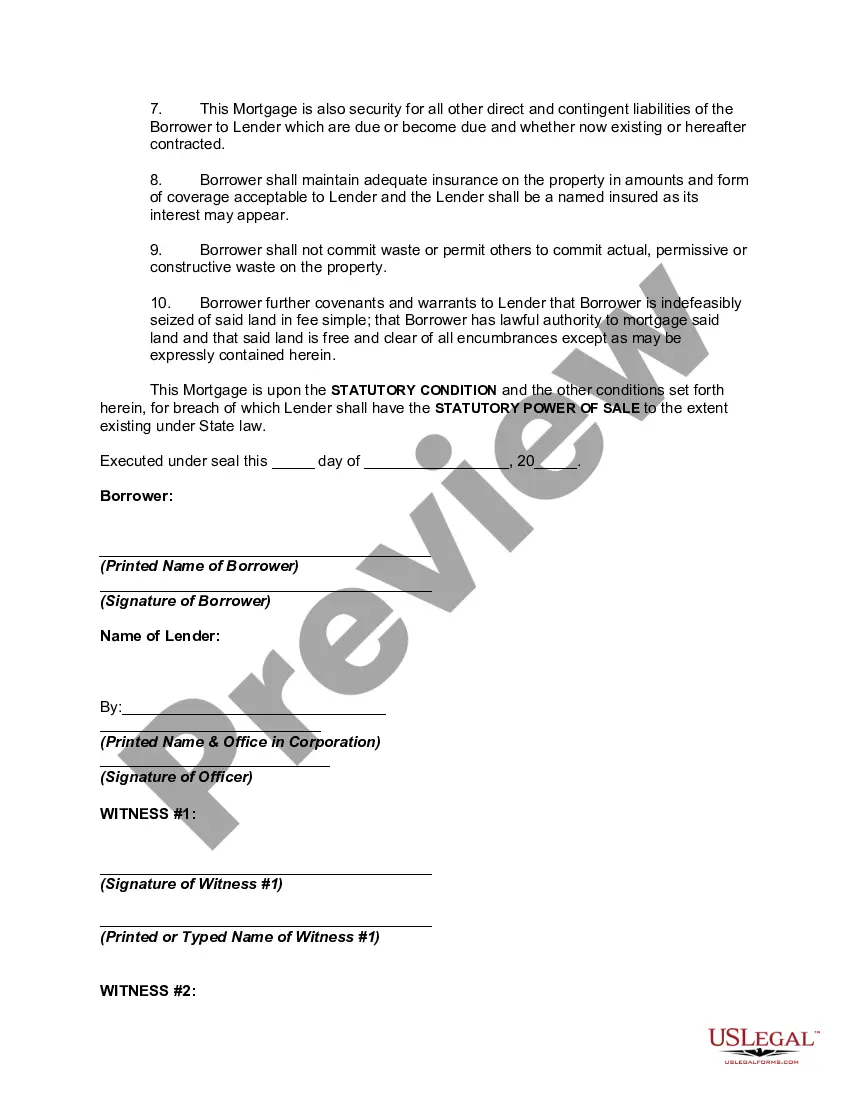
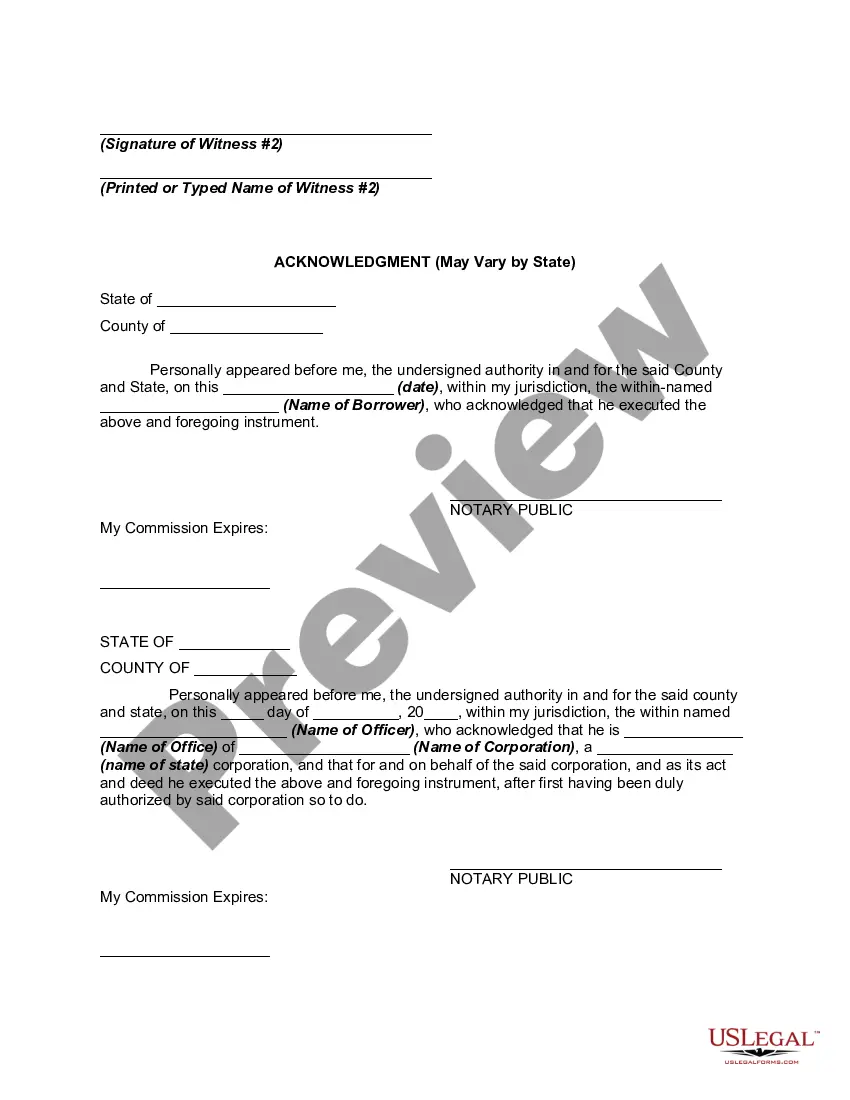
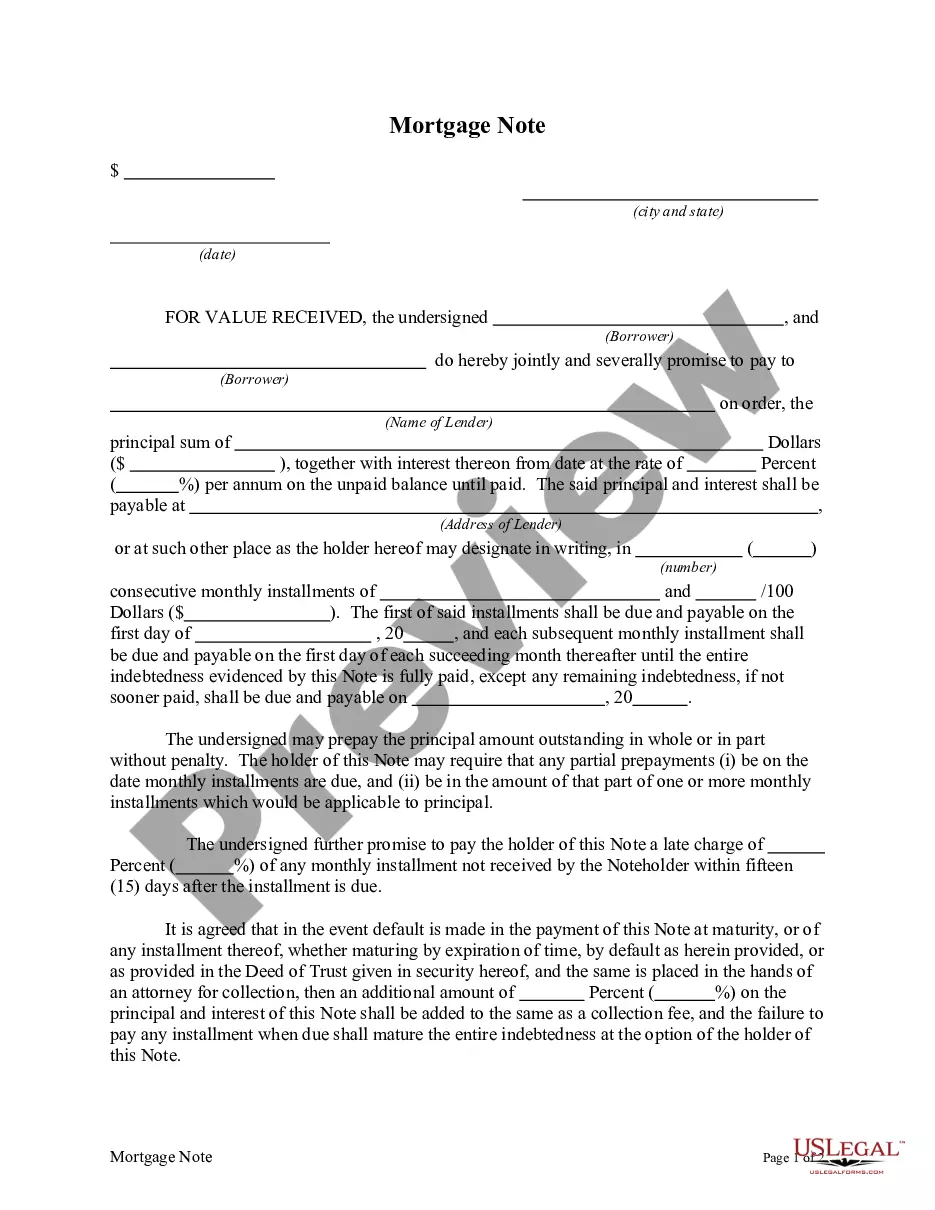
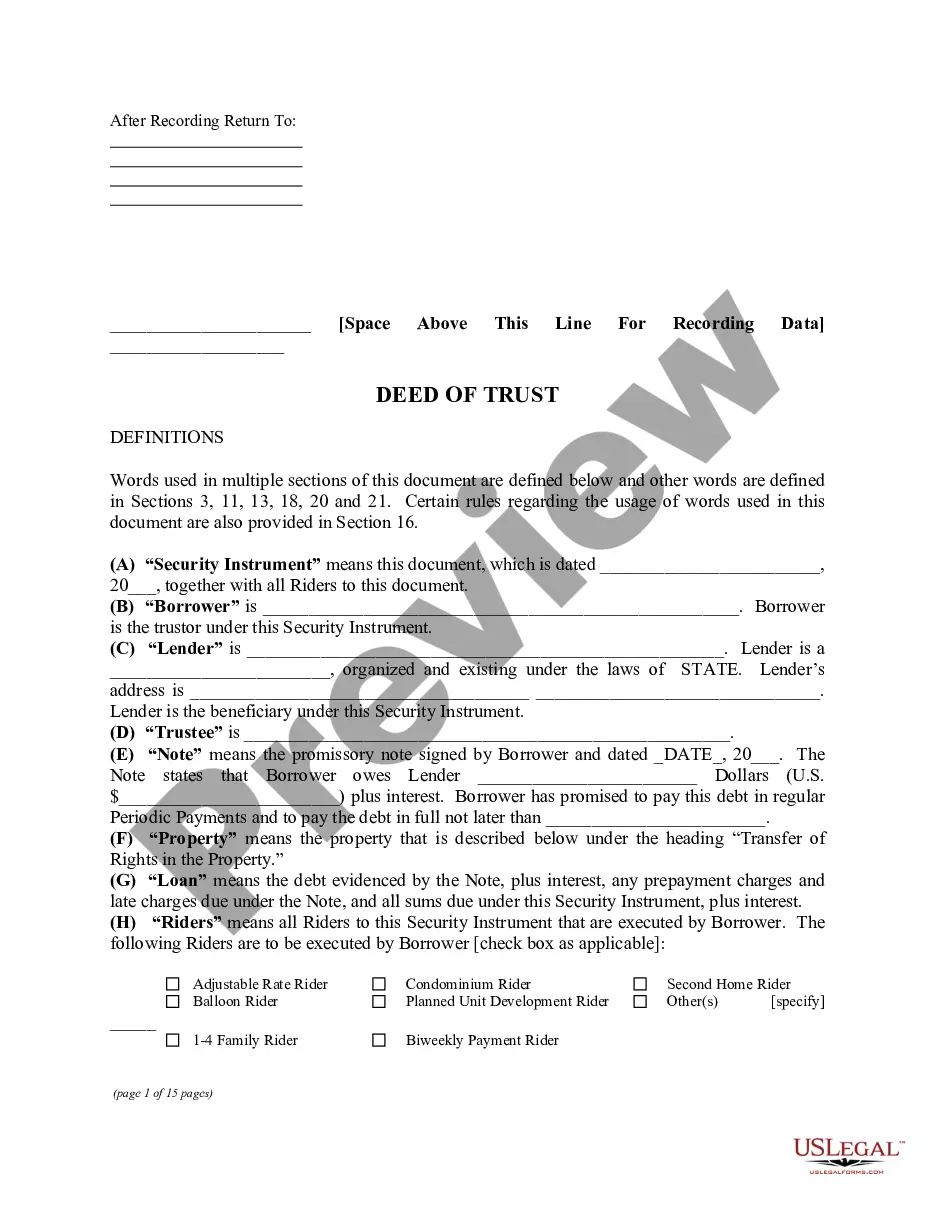
A mortgage deed is a document which gives a lender legal right and interest in a property. Generally, a borrower is pledging his home as security for a loan. The mortgage deed evidences the lender's ownership in the property. It operates very much the same as a mortgage or deed of trust. The lender can foreclose on the property if the debtor does not make timely payments.
If you have questions, don’t hesitate to ask your lender or seek help from a real estate attorney. Better safe than sorry when dealing with something as serious as a mortgage!
Absolutely! If your financial situation changes, you might be able to negotiate a modification with your lender to change the terms of your mortgage deed.
Yes, in Seattle, you should file your mortgage deed with the county to make sure the public record shows who owns the mortgage. It's a step you don’t want to skip!
If you default, the lender can start foreclosure proceedings, which means they can take your home to recover what you owe. It’s a tough pill to swallow, so it's best to keep your payments up.
Before you sign, read the terms carefully. Make sure you understand the interest rates, monthly payments, and any other conditions. It's a good idea to ask questions if something's unclear.
Yes, there are generally two types: a mortgage and a deed of trust. Washington mostly uses deeds of trust, which involve a third party, called a trustee.
When you get a mortgage in Seattle, you'll sign the mortgage deed at closing. This document is then recorded with the county, making your ownership and lender's interest a matter of public record.