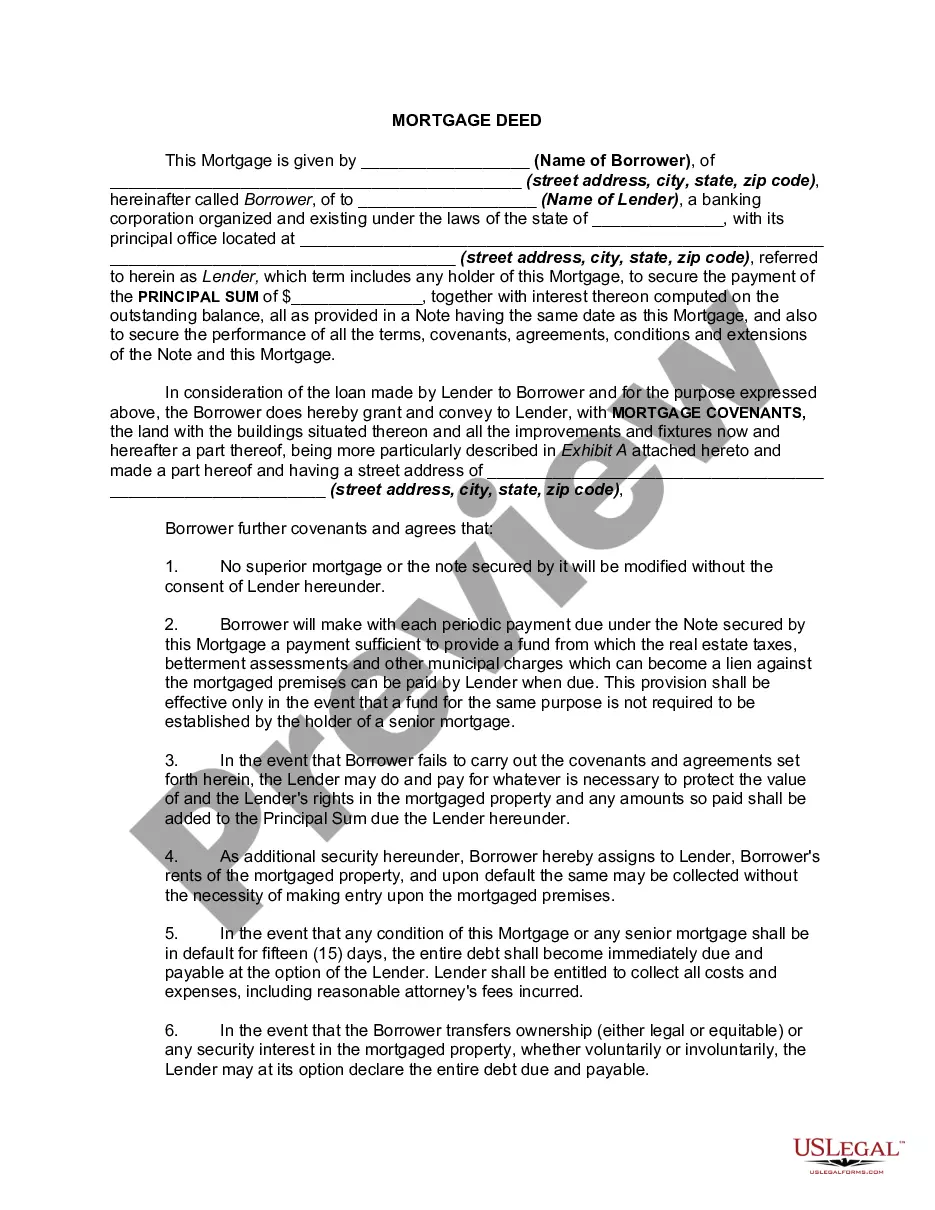
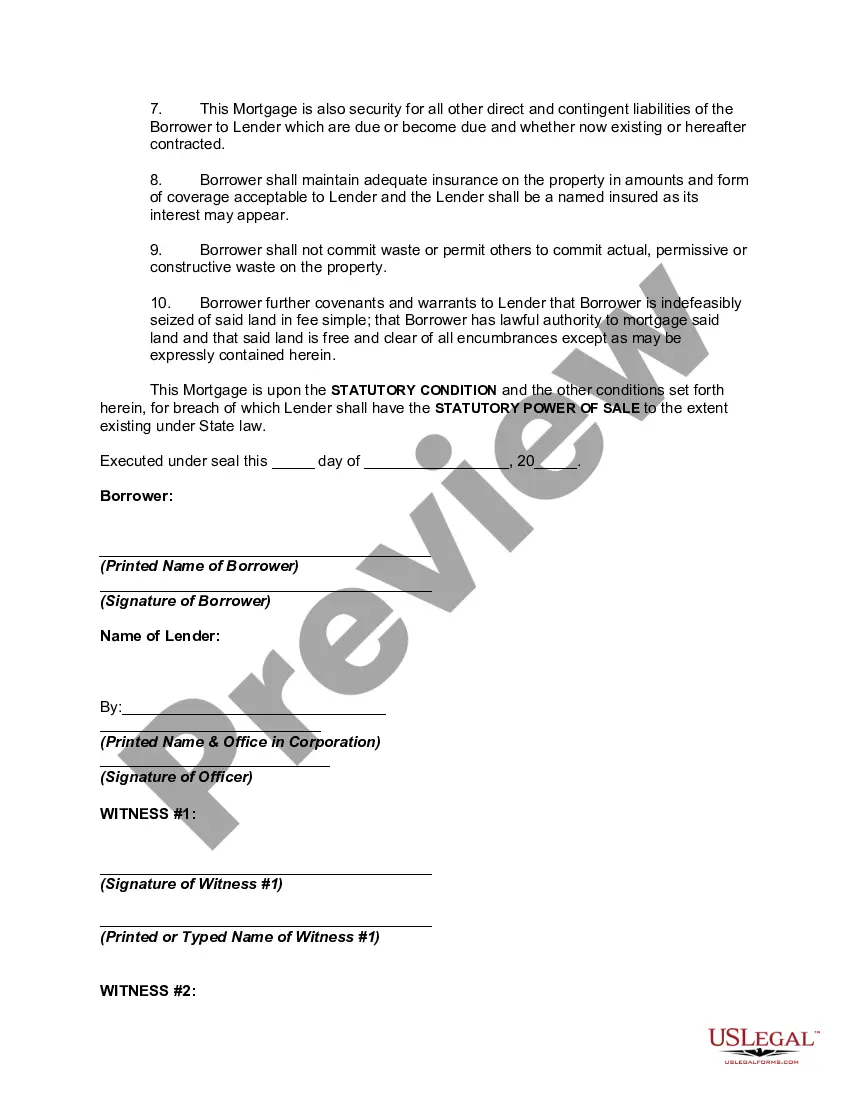
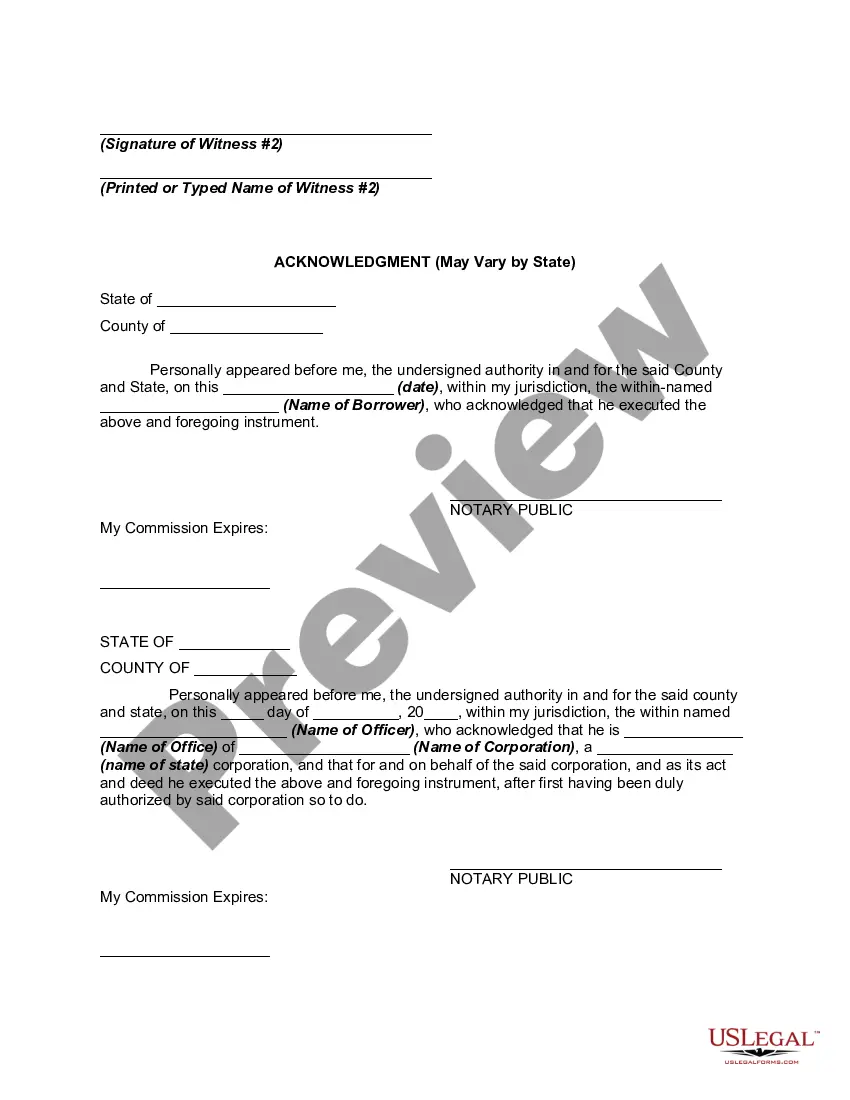
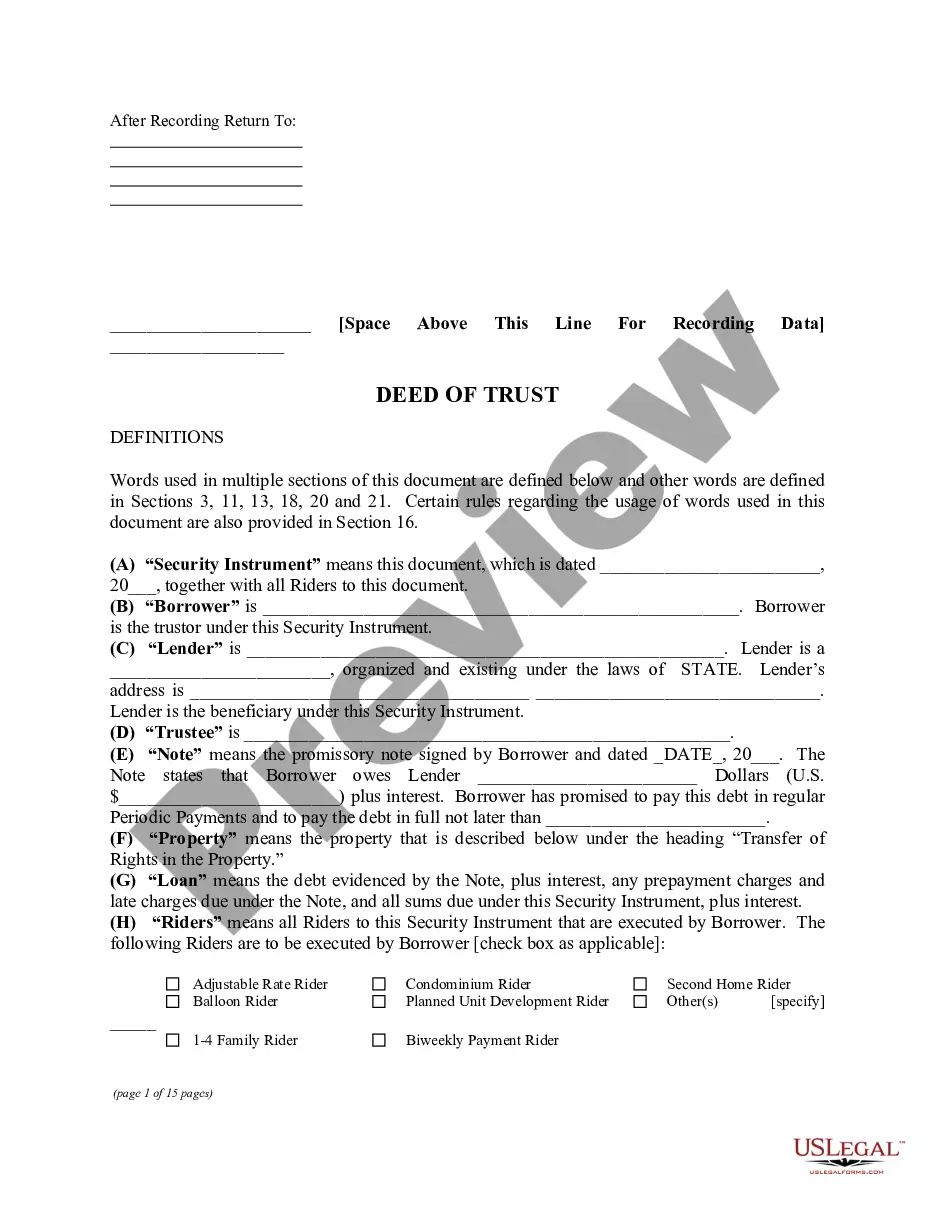
A mortgage deed is a document which gives a lender legal right and interest in a property. Generally, a borrower is pledging his home as security for a loan. The mortgage deed evidences the lender's ownership in the property. It operates very much the same as a mortgage or deed of trust. The lender can foreclose on the property if the debtor does not make timely payments.
If there's a mistake, it's best to address it quickly, like correcting a typo in an important letter. You can usually file a request to amend the deed with your local office.
While it's not a must, having a lawyer review your mortgage deed can save you from future headaches. It’s like having a coach help you with your game plan before the big match.
Changing a mortgage deed after it’s signed is like trying to edit a book that's already printed. It can be tricky, but sometimes it's possible with the right paperwork and processes.
Before signing, make sure to read everything carefully. Understand the terms and ask questions if you're unsure about anything. It's better to be safe than sorry!
If you miss a payment, you might face late fees. If you keep missing payments, the lender could start the foreclosure process, which means they can take your home.
Changing a mortgage deed can be tricky. You'll typically need to work with your lender to make any changes, and it may involve some legal steps.