Orange California Benchmarking Considerations
Description
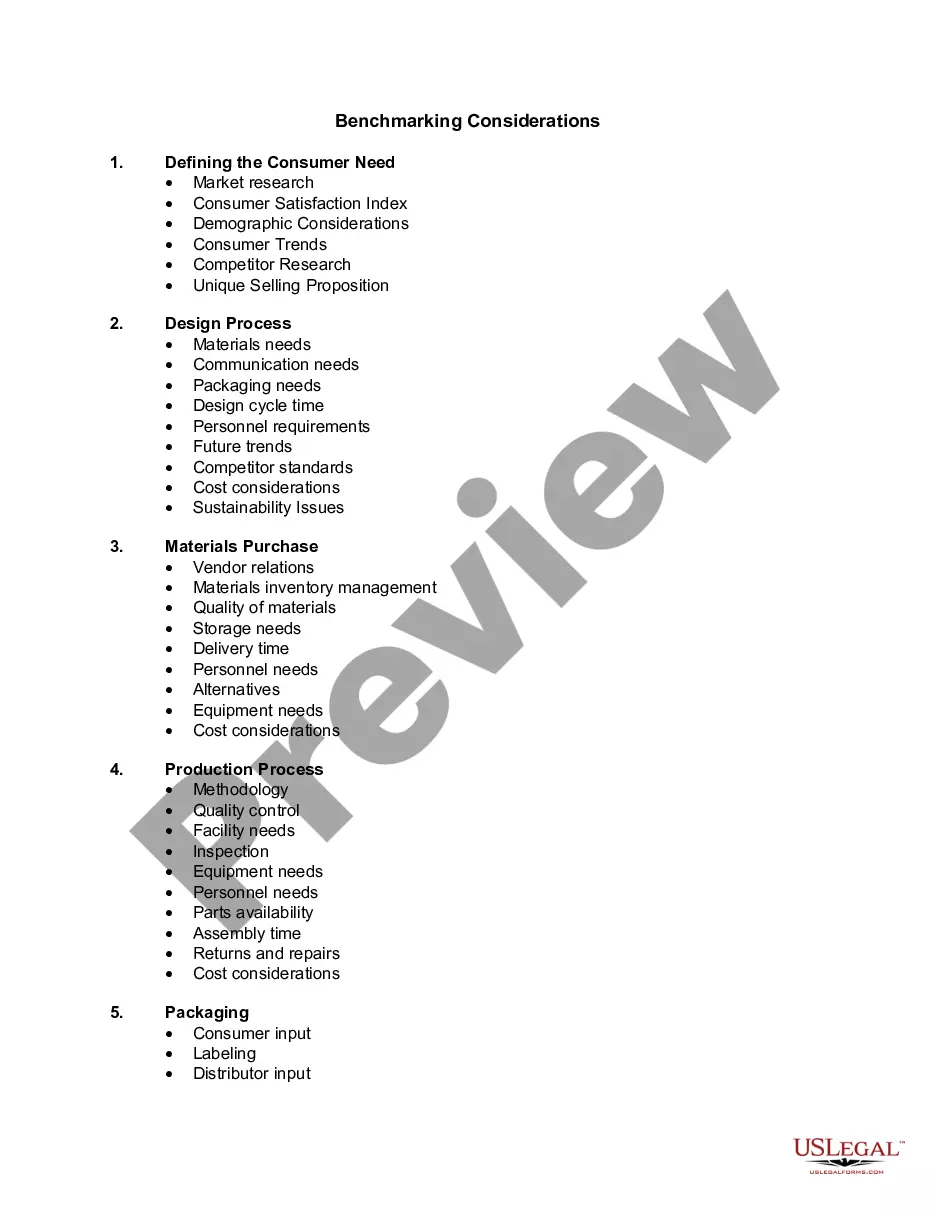
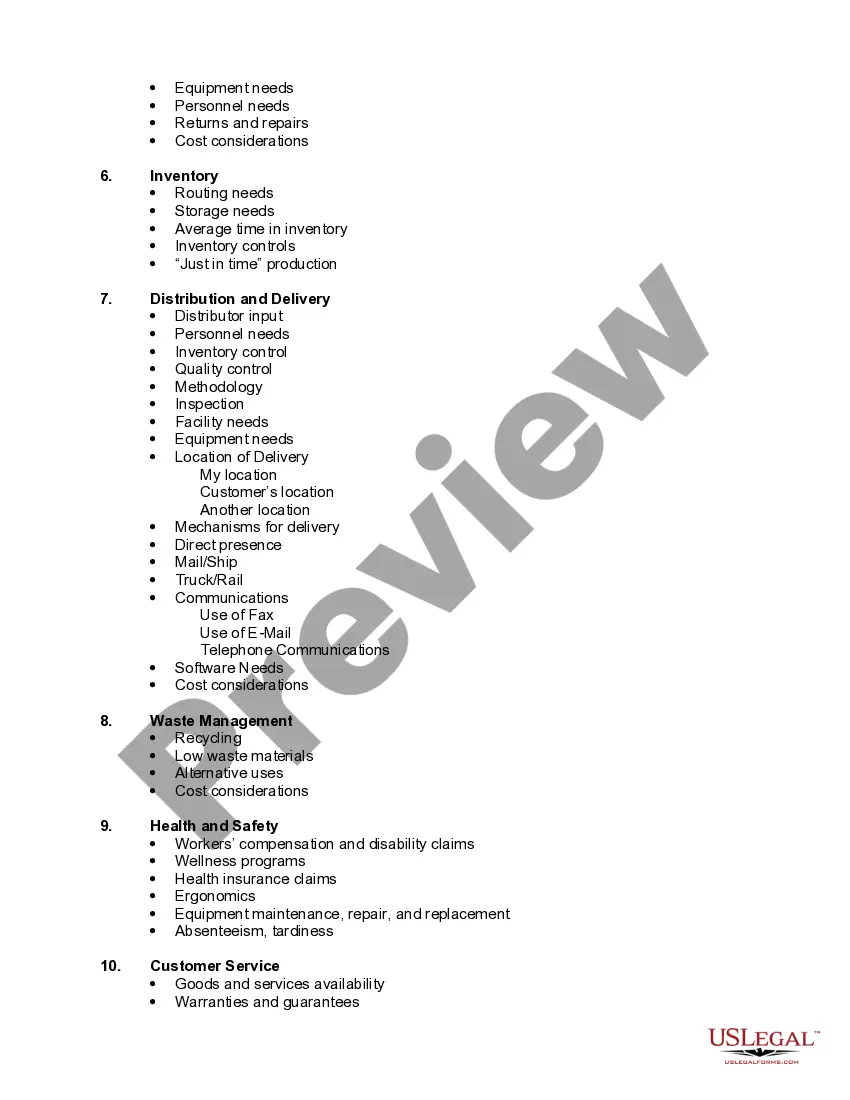
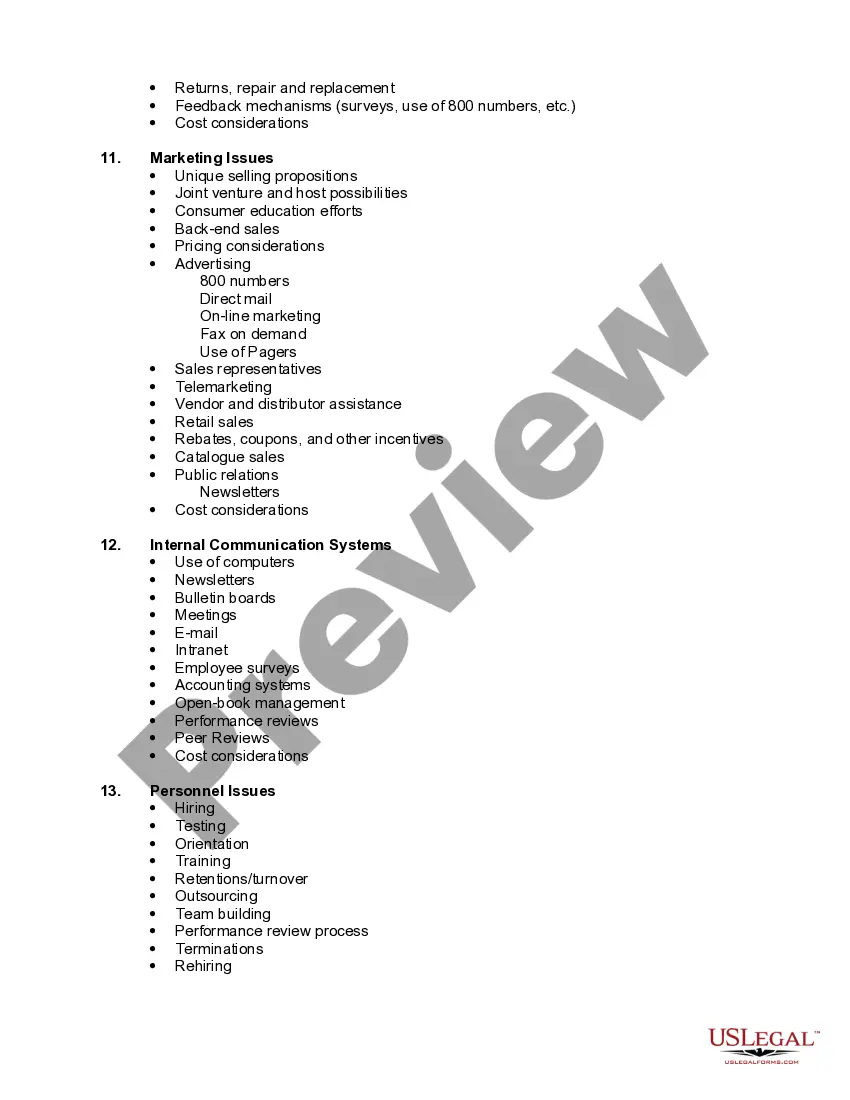
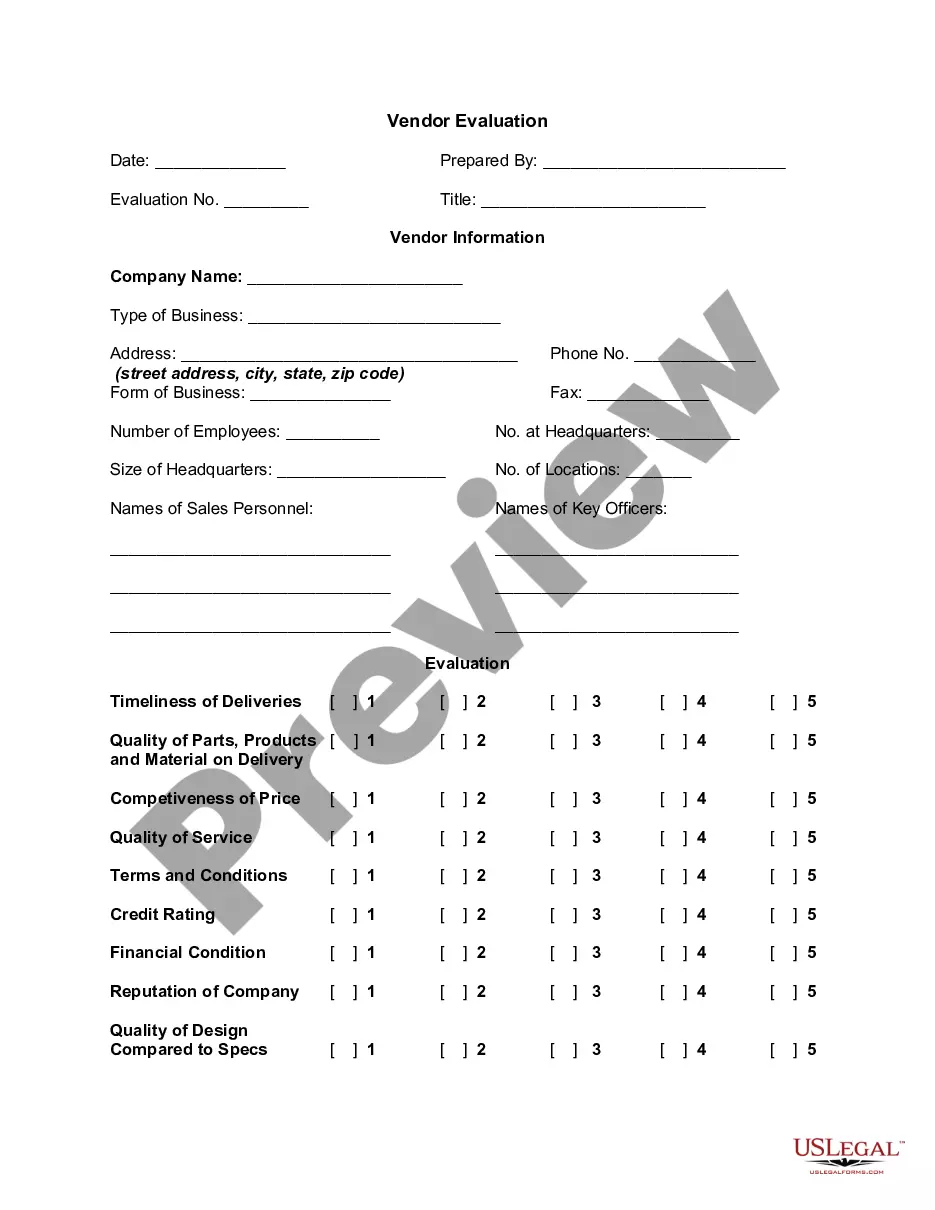
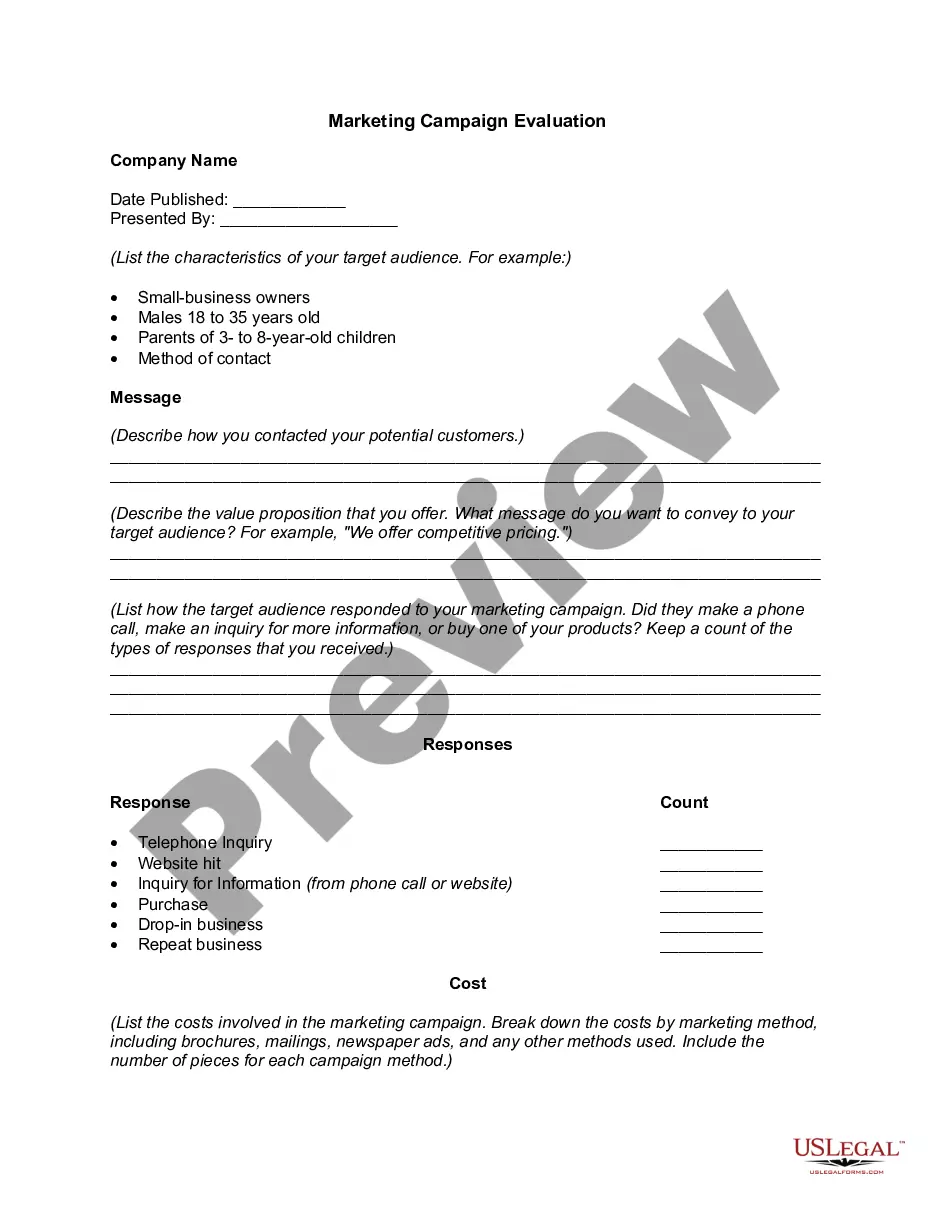
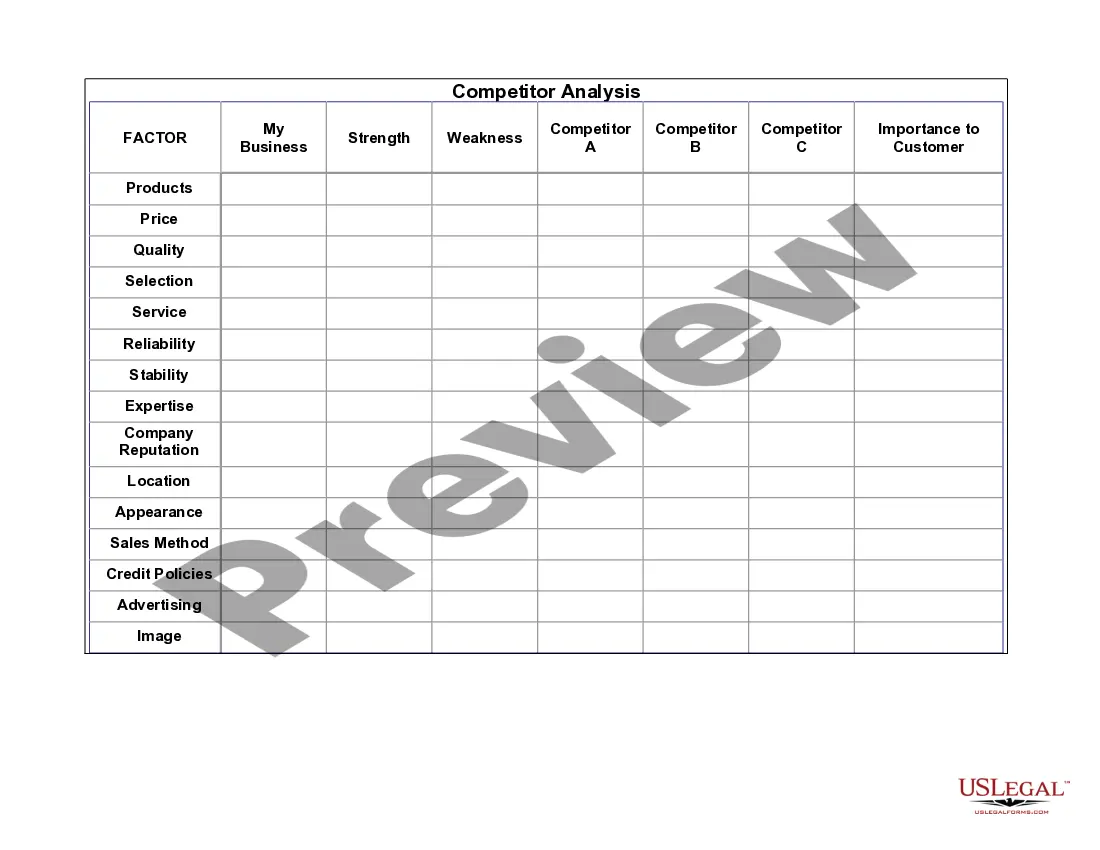
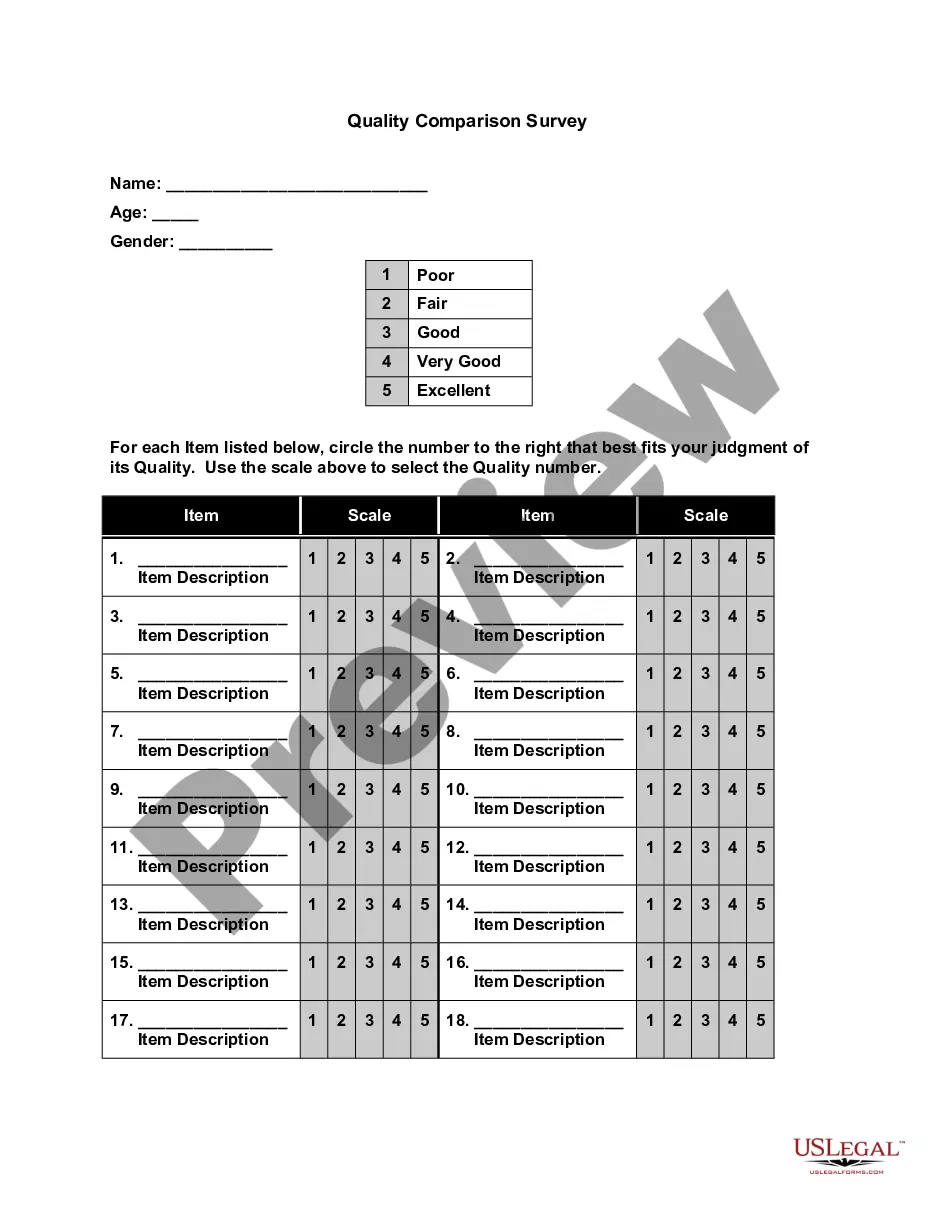
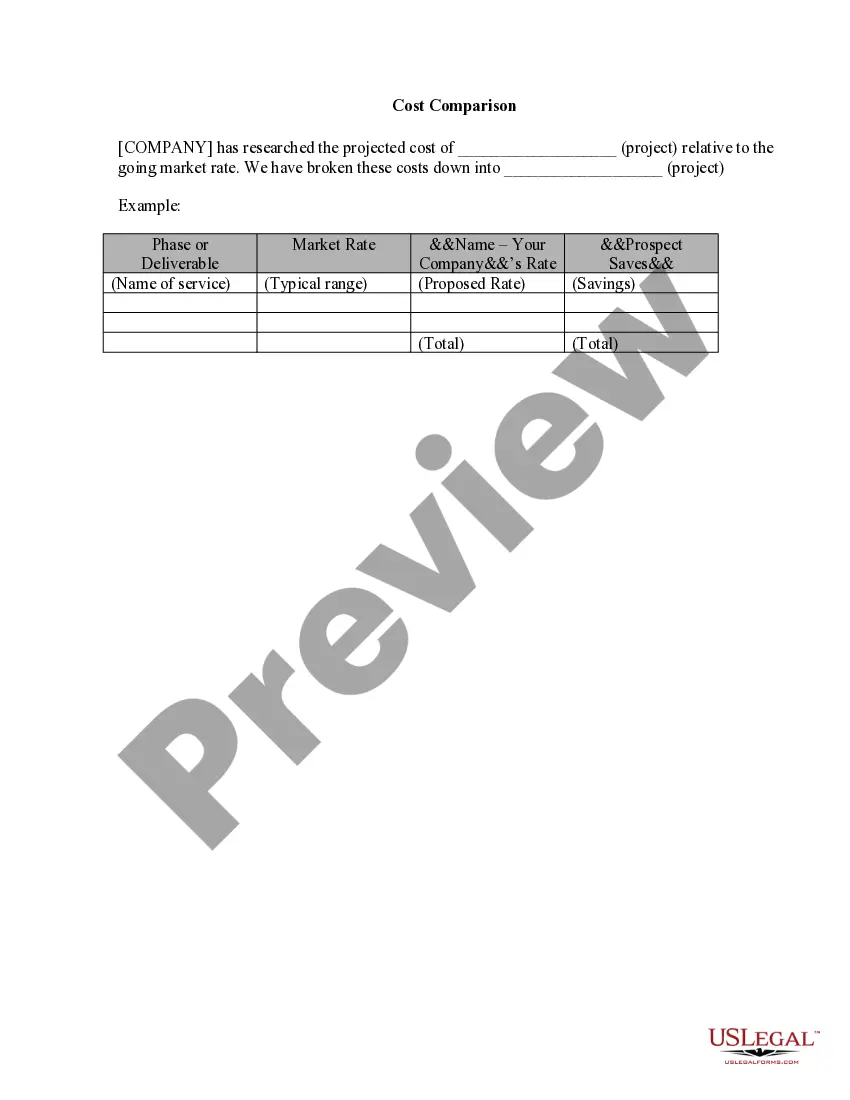







How to fill out Benchmarking Considerations?
How long does it usually take you to draft a legal document.
Taking into account that each state has its own laws and regulations for every aspect of life, finding a Orange Benchmarking Considerations that meets all local criteria can be tiring, and obtaining it from a qualified attorney is frequently costly.
Several online platforms provide the most common state-specific templates for download, but utilizing the US Legal Forms library is the most beneficial.
Create an account on the platform or Log In to proceed to the payment methods. Pay through PayPal or with your credit card. Change the file format if necessary. Click Download to store the Orange Benchmarking Considerations. Print the document or use any preferred online editor to complete it electronically. Regardless of how many times you require the purchased template, you can find all the samples you’ve ever saved in your profile by accessing the My documents tab. Give it a try!
- US Legal Forms is the largest online collection of templates, organized by states and areas of application.
- Besides the Orange Benchmarking Considerations, you can find any particular document needed to manage your business or personal affairs, adhering to your county regulations.
- Professionals verify all samples for their relevance, ensuring you can prepare your documents accurately.
- Using the service is exceptionally straightforward.
- If you already possess an account on the platform and your subscription is active, you just need to Log In, select the necessary sample, and download it.
- You can access the document in your profile at any time afterward.
- Conversely, if you are a newcomer to the site, there will be a few additional steps to complete before you acquire your Orange Benchmarking Considerations.
- Review the information on the page you’re visiting.
- Study the description of the template or Preview it (if available).
- Search for another document using the related option in the header.
- Click Buy Now once you’re confident in your selected document.
- Choose the subscription plan that best fits your needs.
Form popularity
FAQ
Benchmarking Process Steps #1. Identify the components to benchmark.#2. Analyze the components.#3. Integrate operational goals.#4. Formulate an action plan.#5. Incorporate the best practices.Improve the quality of the product.Monitor organization's performance effectively.Maximize sales and profits.
Benchmarks are reference points that you use to compare your performance against the performance of others....They are: Process benchmarking.Strategic benchmarking.Performance benchmarking.
There are four main types of benchmarking: internal, external, performance, and practice.
Some of the most popular benchmarking methods include: Peer benchmarking.Best practice benchmarking.SWOT analysis. Process benchmarking.Performance benchmarking.Collaborative benchmarking.Call center.Technology.
There are two primary types of benchmarking: Internal benchmarking: comparison of practices and performance between teams, individuals or groups within an organization. External benchmarking: comparison of organizational performance to industry peers or across industries.
How to benchmark your business performance Identify what you're going to benchmark. Create targeted and specific questions that:Identify your competitors. Write down a list your competitors.Look at trends.Outline your objectives.Develop an action plan for your objectives.Monitor your results.
Identify the Data Input Requirements. Select a Benchmarking Tool. Determine a Collection Method. Consider the Data Verification Process. Evaluate Analysis Techniques. Communicate the Plan and Formalize the Process. Planning for Change.
8 steps in the benchmarking process Select a subject to benchmark.Decide which organizations or companies you want to benchmark.Document your current processes.Collect and analyze data.Measure your performance against the data you've collected.Create a plan.Implement the changes.Repeat the process.
Internal benchmarking. Internal benchmarking is pretty straightforward.External benchmarking. External benchmarking is comparing an internal process to that of a competitor or even several other organizations.Competitive benchmarking.Performance benchmarking.Strategic benchmarking.Practice benchmarking.
Four phases are involved in a normal benchmarking process planning, analysis, integration and action.