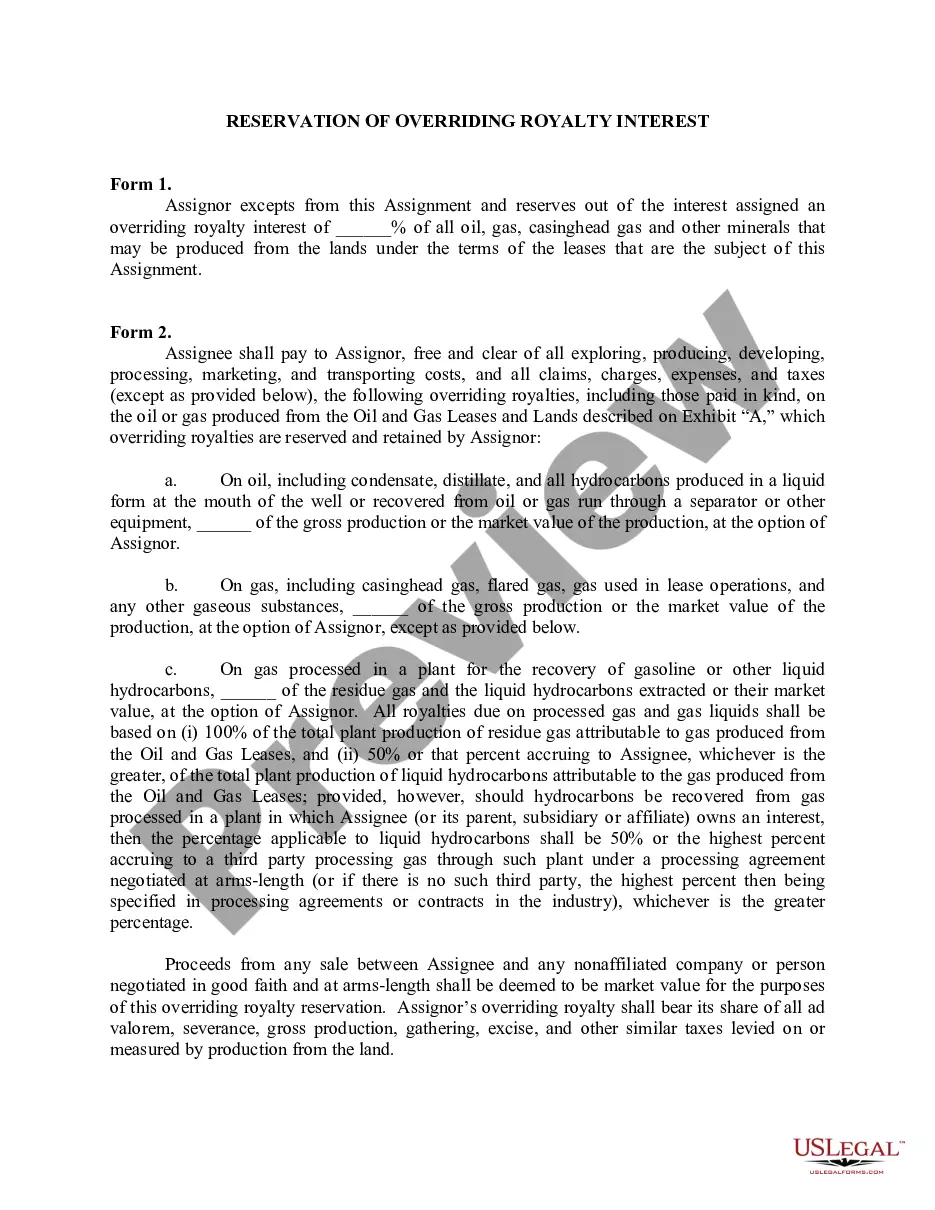
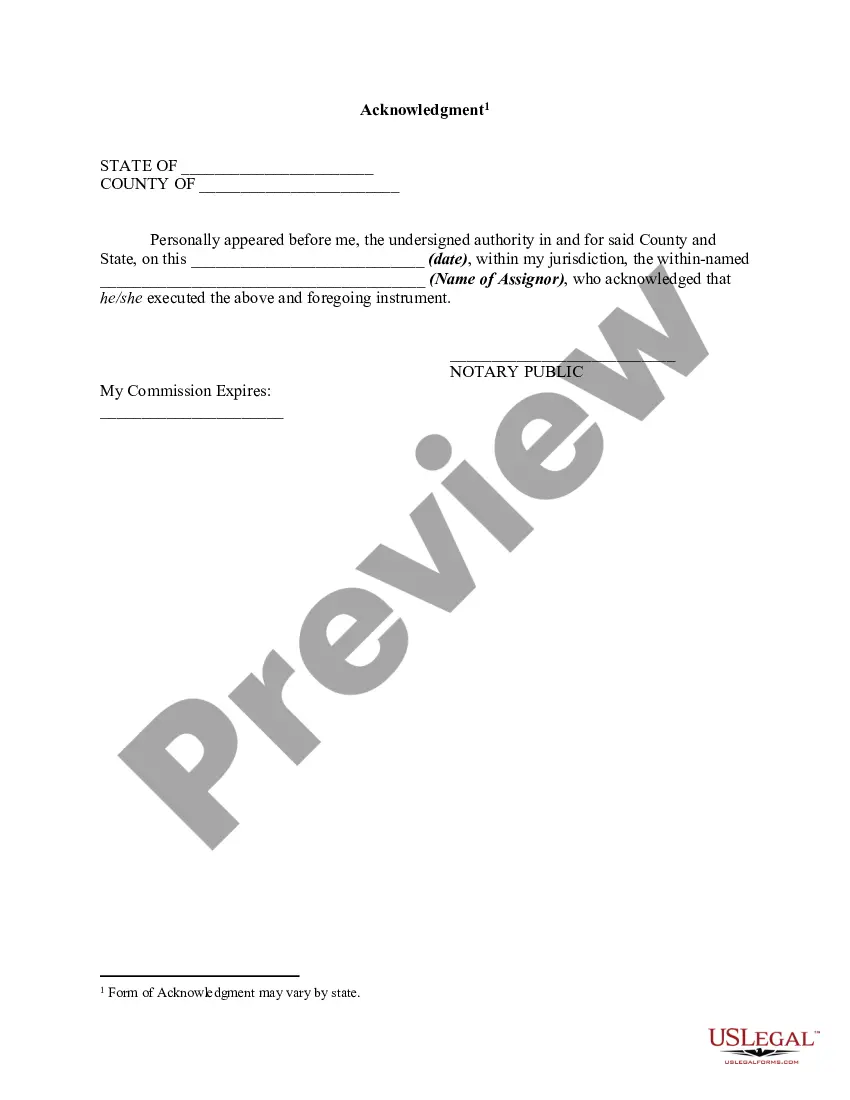
This form is a generic example that may be referred to when preparing such a form for your particular state. It is for illustrative purposes only. Local laws should be consulted to determine any specific requirements for such a form in a particular jurisdiction.
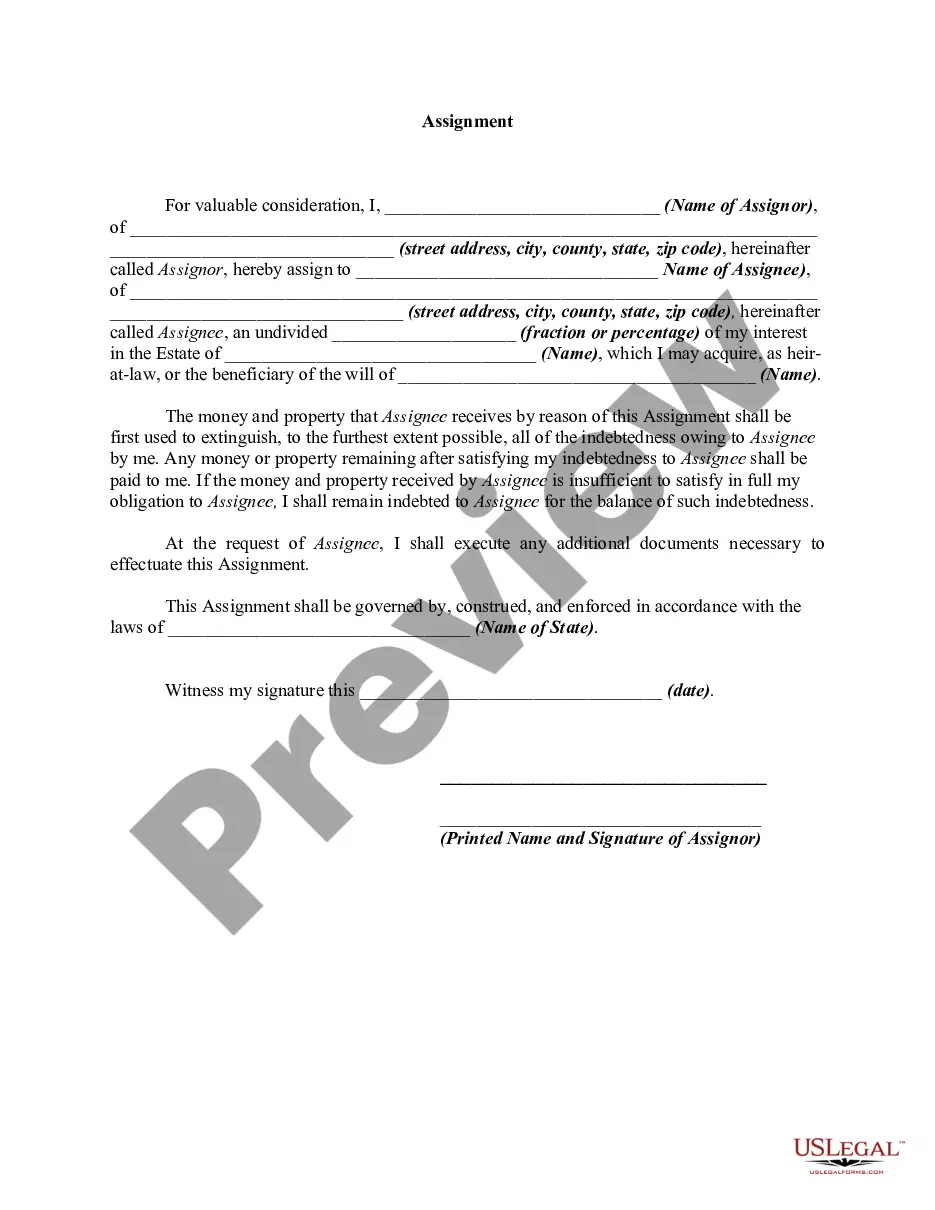
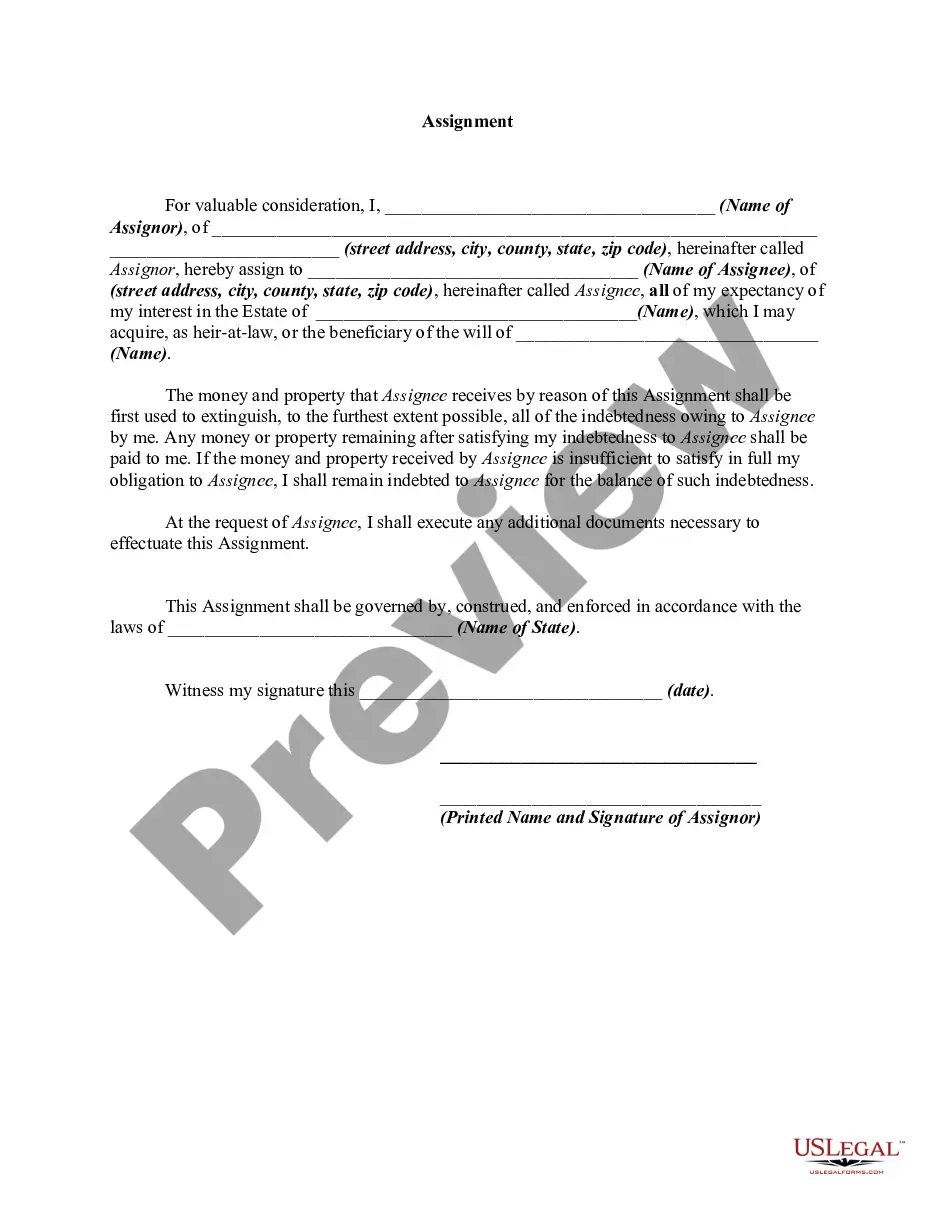
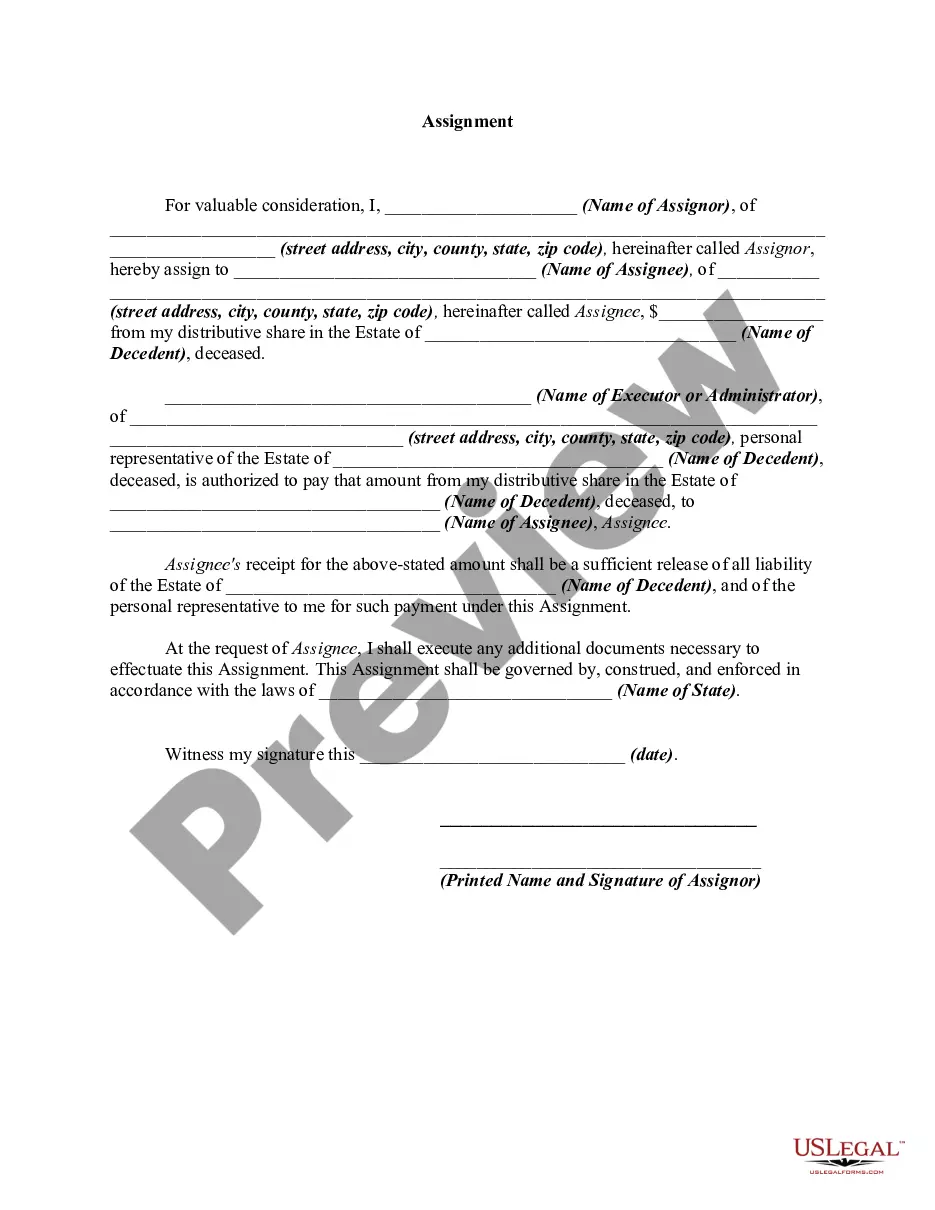
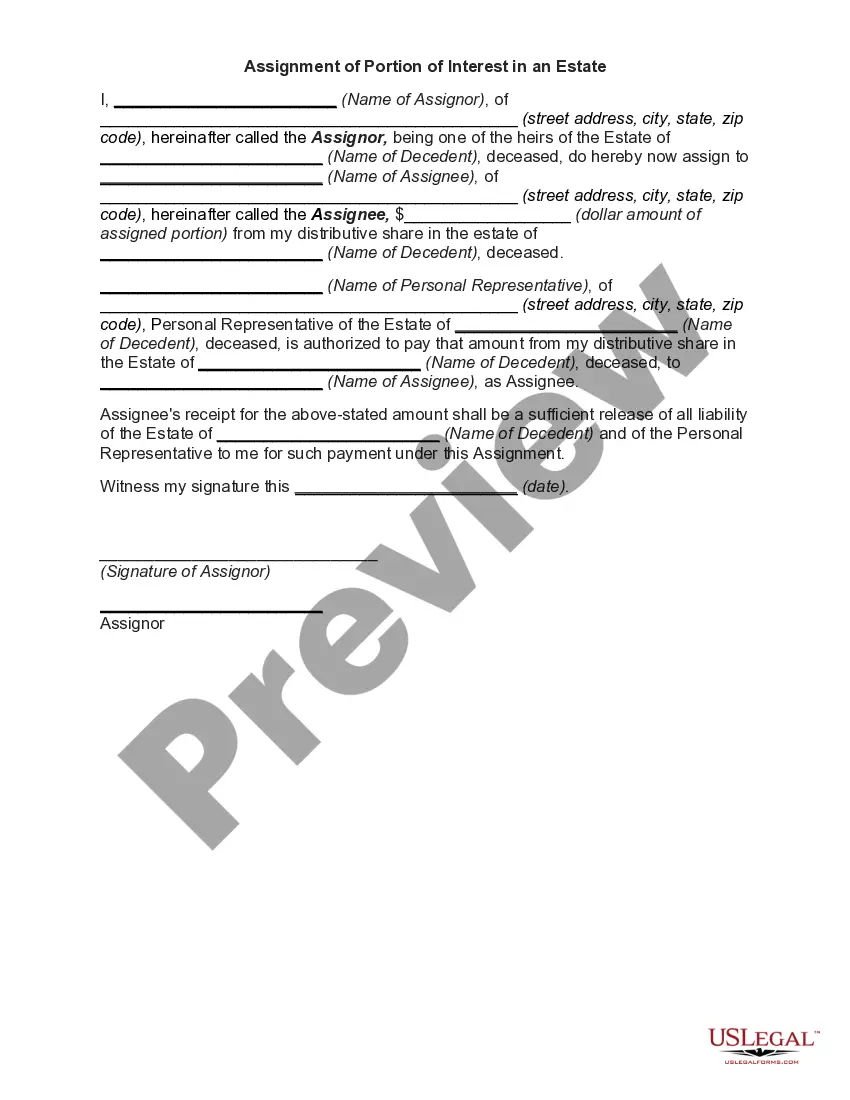
Austin Texas Assignment of Portion of Expected Interest in Estate in Order to Pay Indebtedness
Category:
State:
Multi-State
City:
Austin
Control #:
US-01754BG
Format:
Word;
Rich Text
Instant download
Description
Free preview
Form popularity
FAQ
Section 360.001 of the Texas Estates Code outlines the provisions for the sale of estate property to pay debts. This section is particularly relevant when considering an Austin Texas Assignment of Portion of Expected Interest in Estate in Order to Pay Indebtedness, as it provides a legal framework for liquidating assets. Understanding this section can help executors and beneficiaries navigate financial obligations effectively. For more in-depth information, uslegalforms offers comprehensive resources to clarify these legal aspects.
Yes, in Texas, an executor must provide an accounting to beneficiaries, offering transparency about the estate's management. This accounting helps beneficiaries understand the distribution of assets and the payment of debts. If you're navigating an Austin Texas Assignment of Portion of Expected Interest in Estate in Order to Pay Indebtedness, clear communication and accounting are vital. You can find useful templates and guidance on uslegalforms to assist in preparing these documents.
Section 203.001 of the Texas Estates Code addresses the rights of an independent executor in Texas. This section allows the independent executor to manage the estate with minimal court supervision, promoting efficiency in the estate settlement process. If you are dealing with an Austin Texas Assignment of Portion of Expected Interest in Estate in Order to Pay Indebtedness, understanding this section can be beneficial. For detailed insights, consider exploring resources on uslegalforms, which can guide you through the legal frameworks.
Section 256.003 C in the Texas Estates Code outlines the procedure for an Austin Texas Assignment of Portion of Expected Interest in Estate in Order to Pay Indebtedness. This provision allows individuals to assign their expected interest in an estate to creditors, ensuring debts are settled promptly. By understanding this section, you can navigate the complexities of estate management and debt resolution more effectively. For assistance, consider using uslegalforms, which provides resources and templates tailored to help you with this process.
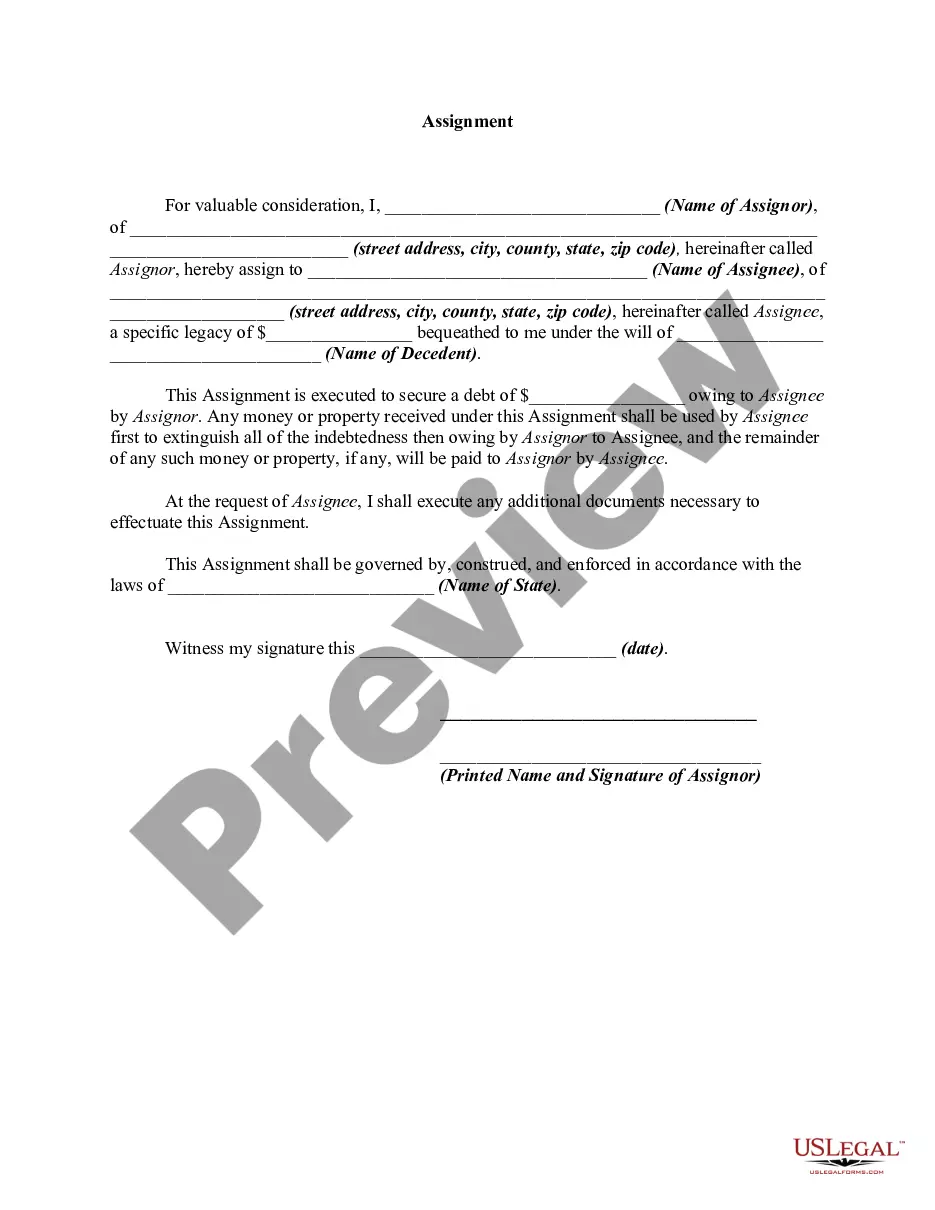
Yes, a beneficiary can assign their interest in an estate, but certain conditions may apply. The assignment must comply with state laws and the specific terms of the estate. This is particularly relevant in cases involving an Austin Texas Assignment of Portion of Expected Interest in Estate in Order to Pay Indebtedness, as it may allow beneficiaries to access funds to settle debts. Utilizing platforms like uslegalforms can simplify the process of drafting the necessary documentation for such assignments.
The order of priority for estate debts is essential for determining how debts are settled. Generally, the estate pays funeral expenses, administrative costs, secured debts, and then unsecured debts in that order. This process ensures that all claims against the estate are addressed fairly. When considering an Austin Texas Assignment of Portion of Expected Interest in Estate in Order to Pay Indebtedness, knowing your position can help you make informed decisions.
In liquidation, the order of priority for paying debts typically follows a structured approach. First, secured debts are settled, followed by priority unsecured debts such as taxes and wages. Lastly, general unsecured debts receive payment. Understanding the order of priority is crucial, especially when considering an Austin Texas Assignment of Portion of Expected Interest in Estate in Order to Pay Indebtedness, as it can affect how much you receive.
Section 308.053 of the Texas Estates Code deals with the assignment of rights or interests in an estate, particularly in the context of settling debts. This section can be instrumental in facilitating the process of using estate assets to pay off liabilities. By effectively utilizing the Austin Texas Assignment of Portion of Expected Interest in Estate in Order to Pay Indebtedness, you can streamline the debt settlement process. Explore our resources at USLegalForms to find forms and information tailored to your estate planning needs.
In Texas, the order of payment for estate debts typically follows a specific hierarchy, prioritizing funeral expenses, administration costs, and then creditor claims. This order helps ensure that debts are settled fairly and in accordance with state laws. Understanding this process is vital for executors and beneficiaries alike, especially when dealing with the Austin Texas Assignment of Portion of Expected Interest in Estate in Order to Pay Indebtedness. At USLegalForms, we provide comprehensive guides and forms to assist you in managing these obligations.
Section 53.104 of the Texas Estates Code addresses the rights of creditors regarding the assignment of an expected interest in an estate. This section is important for those involved in estate planning, as it clarifies how creditors can claim their dues from an estate. By leveraging the Austin Texas Assignment of Portion of Expected Interest in Estate in Order to Pay Indebtedness, you can protect your interests while ensuring compliance with Texas law. USLegalForms offers resources to help you understand and apply this section effectively.