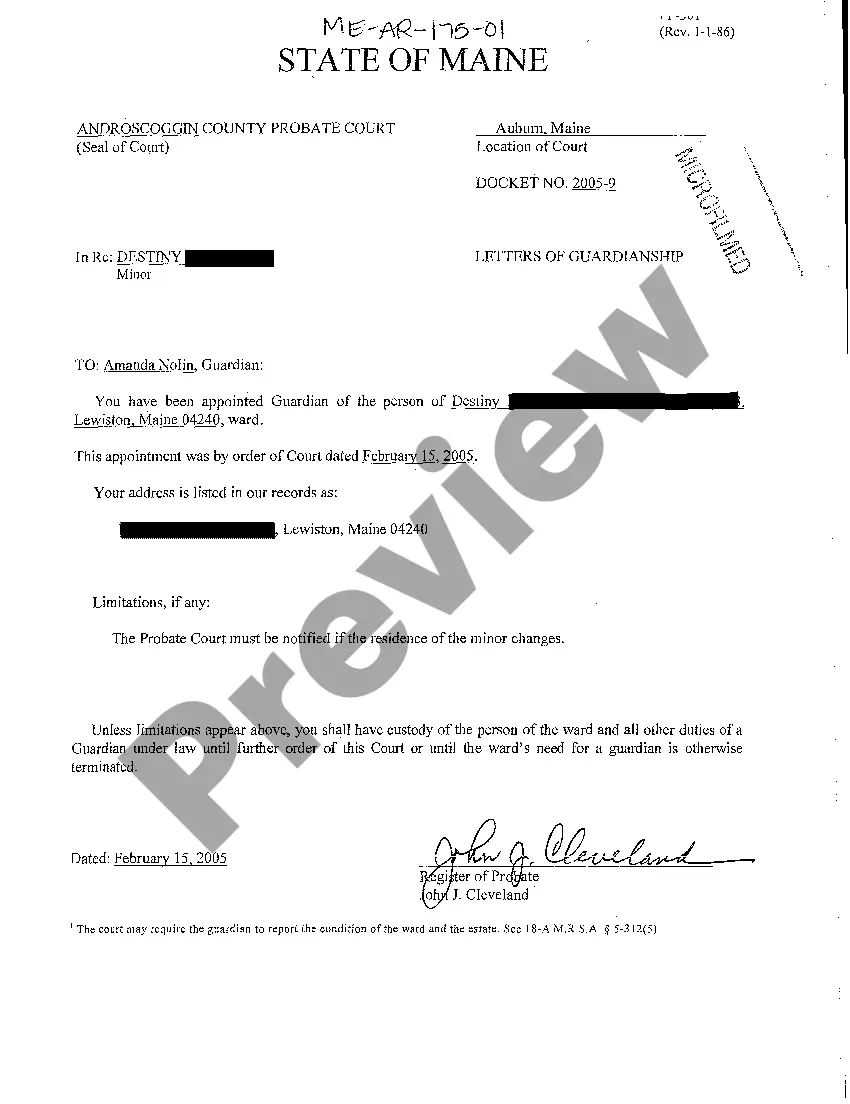
Transcript of Foreign Language - Tape Recorded Conversation
About this form
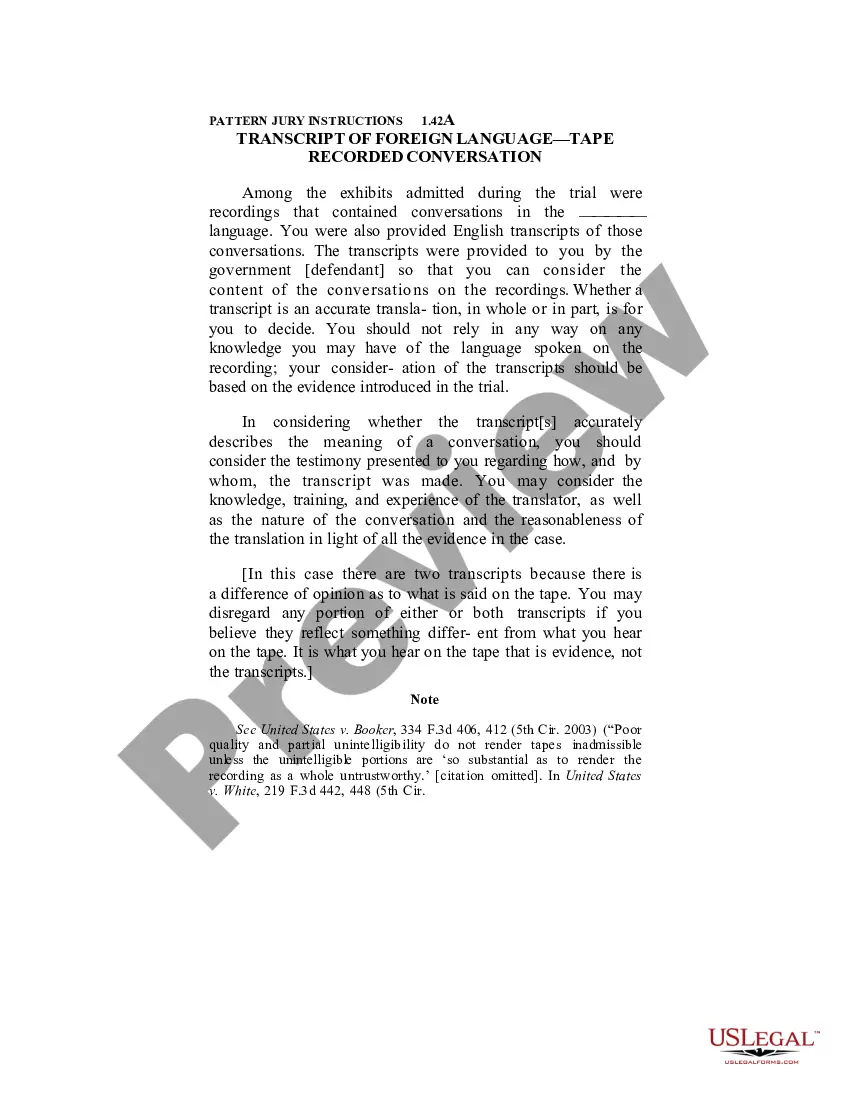
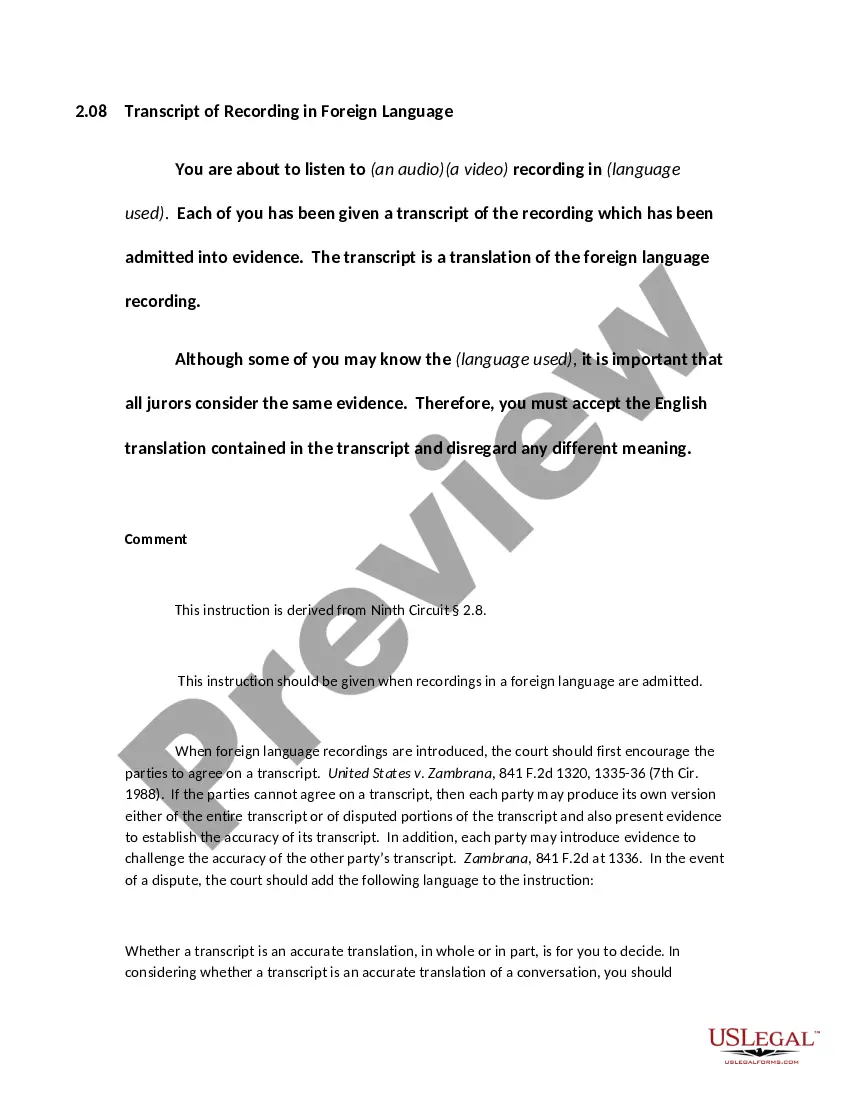
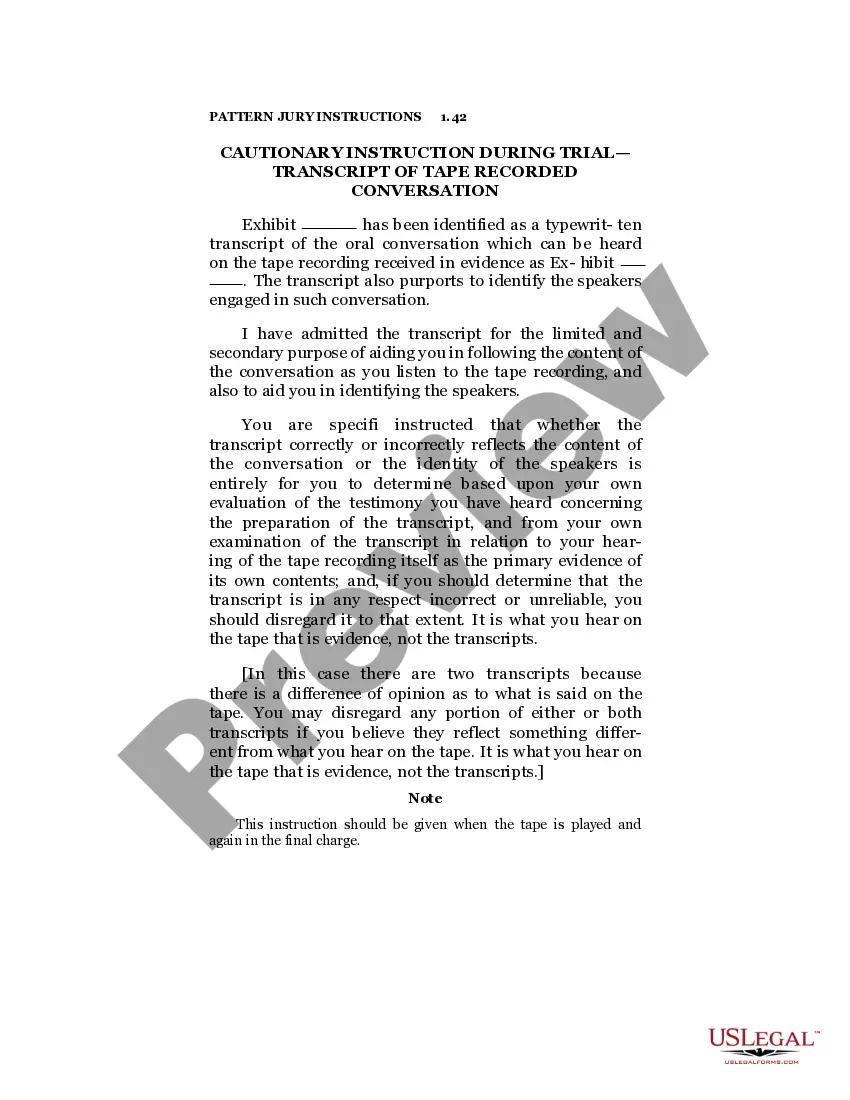
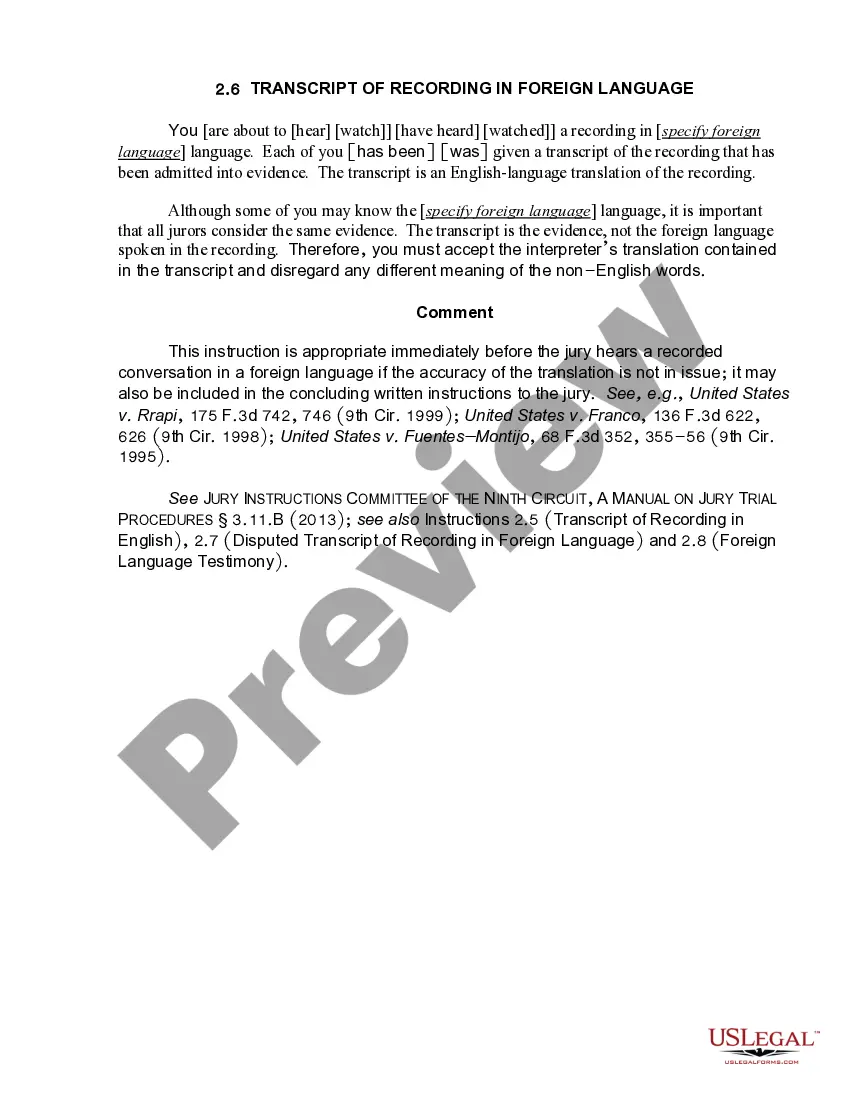
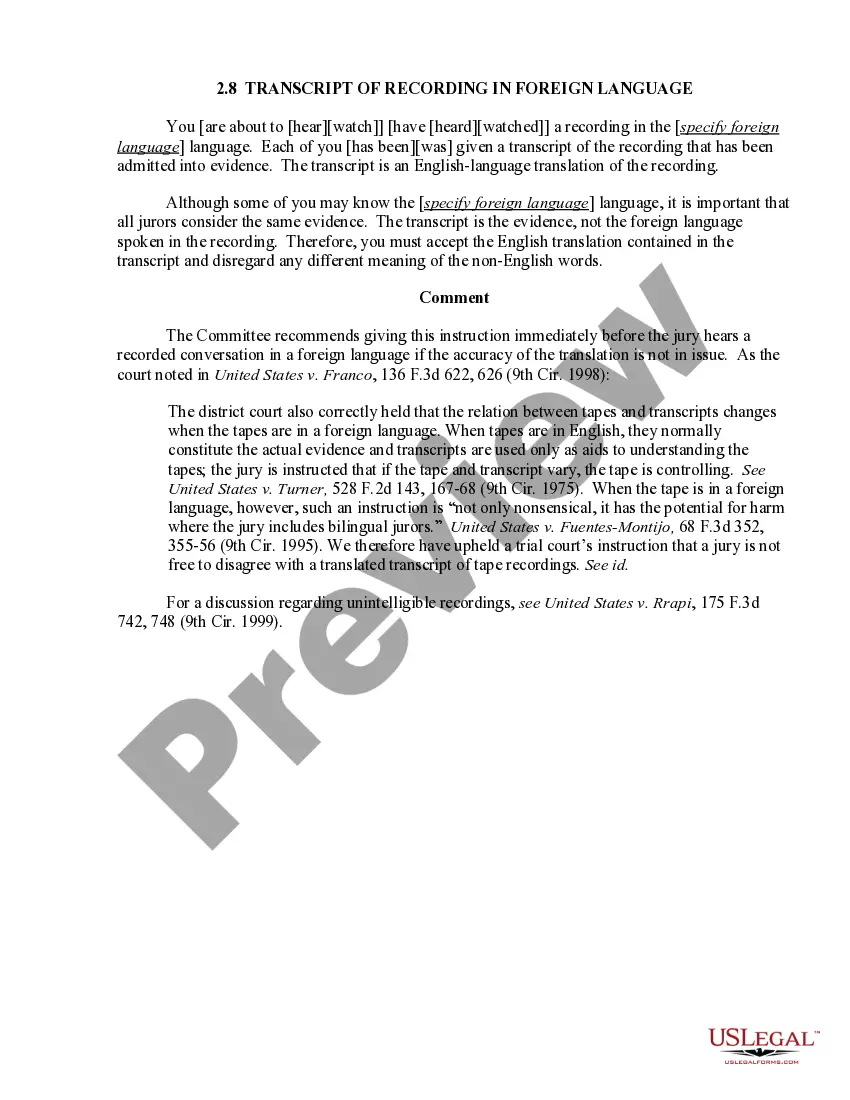
This form is a Transcript of Foreign Language - Tape Recorded Conversation, which serves to provide an accurate translation of recorded conversations in a specific foreign language. It is essential in legal contexts where the content of these recordings plays a critical role. This form differs from standard transcripts as it specifically addresses the translation of foreign language content, ensuring that non-English speaking evidence can be presented fairly in court proceedings.
Form components explained
- The language of the original tape recorded conversation.
- The translated English version provided as evidence.
- Guidance for jurors on evaluating the accuracy of the transcripts.
- Instructions on disregarding any part of the transcripts if they conflict with what is heard.
- References to relevant legal precedents for context and reliability.



When this form is needed
This form should be used in situations where recorded conversations in a foreign language have been presented as evidence in a trial. It is necessary when the legal proceedings require an accurate understanding of these conversations, particularly if there are disputes regarding the translation or interpretation of the dialogue. This form is critical for ensuring that all parties fully grasp the evidence being discussed, which can significantly impact the trial's outcomes.
Who needs this form
This form is primarily intended for:
- Attorneys representing clients in cases involving foreign language recordings.
- Judges and jurors who need to reference accurate translations of conversations.
- Legal professionals reviewing evidence that includes foreign language elements.
Instructions for completing this form
- Enter the details of the tape recorded conversation including the language used.
- Provide the translated transcript, ensuring accuracy in the translation.
- Include context regarding who created the transcript and their qualifications.
- Specify any conflicting opinions or differences in translation if applicable.
- Finalize the document by signing and dating it, ensuring it is ready for court presentation.
Notarization guidance
Notarization is generally not required for this form. However, certain states or situations might demand it. You can complete notarization online through US Legal Forms, powered by Notarize, using a verified video call available anytime.
Get your form ready online
Our built-in tools help you complete, sign, share, and store your documents in one place.
Make edits, fill in missing information, and update formatting in US Legal Forms—just like you would in MS Word.
Download a copy, print it, send it by email, or mail it via USPS—whatever works best for your next step.
Sign and collect signatures with our SignNow integration. Send to multiple recipients, set reminders, and more. Go Premium to unlock E-Sign.
If this form requires notarization, complete it online through a secure video call—no need to meet a notary in person or wait for an appointment.
We protect your documents and personal data by following strict security and privacy standards.

Make edits, fill in missing information, and update formatting in US Legal Forms—just like you would in MS Word.

Download a copy, print it, send it by email, or mail it via USPS—whatever works best for your next step.

Sign and collect signatures with our SignNow integration. Send to multiple recipients, set reminders, and more. Go Premium to unlock E-Sign.

If this form requires notarization, complete it online through a secure video call—no need to meet a notary in person or wait for an appointment.

We protect your documents and personal data by following strict security and privacy standards.
Common mistakes
- Failing to verify the qualifications of the translator.
- Not providing context or background on the recording.
- Assuming the transcript is definitive without reference to the actual recording.
- Neglecting to address differences in interpretations if there are conflicting transcripts.
Why use this form online
- Convenient download and use from any location.
- Easy editing and customization to fit specific needs.
- Access to professionally drafted content by licensed attorneys.
- Instant availability, which can expedite legal procedures.
Looking for another form?
Form popularity
FAQ
Audio evidence may be available from 911 calls, telephone answering machines, voicemail recordings, video cameras, cell phones and computer files.
If an alleged victim records a crime in progress or if the alleged perpetrator accidentally records the event, the audio recording could get used in court. Also, there are additional exceptions for the media, emergencies, threats, and harassment.
IN ORDER TO SUBMIT SOUND RECORDINGS AS EVIDENCE IN court, a prosecutor or other attorney must establish that the tape is an authentic representation of the conversation it is said to record.
Audio evidence can include but is not limited to confidential informant recordings, confession recordings, telephone intercept, voicemail, and 911 calls.
A transcript of a conversation or speech is a written text of it, based on a recording or notes.
Go to Home > Dictate > Transcribe. In the Transcribe pane, select Start recording.
How to Record and Transcribe a Conversation Use a recording app to record the audio conversation. Rev has a handy Online Voice Recorder that works on both mobile devices and desktop computers.Upload the file to an online transcription service.Check out and your transcript will be delivered within a few hours.
Can You Use Secret Recordings in Court? In general, the courts in California rule illegally obtained recordings inadmissible as evidence in court proceedings. This means the party with the recordings will be unable to use them during a divorce case unless a judge gives him or her special permission.