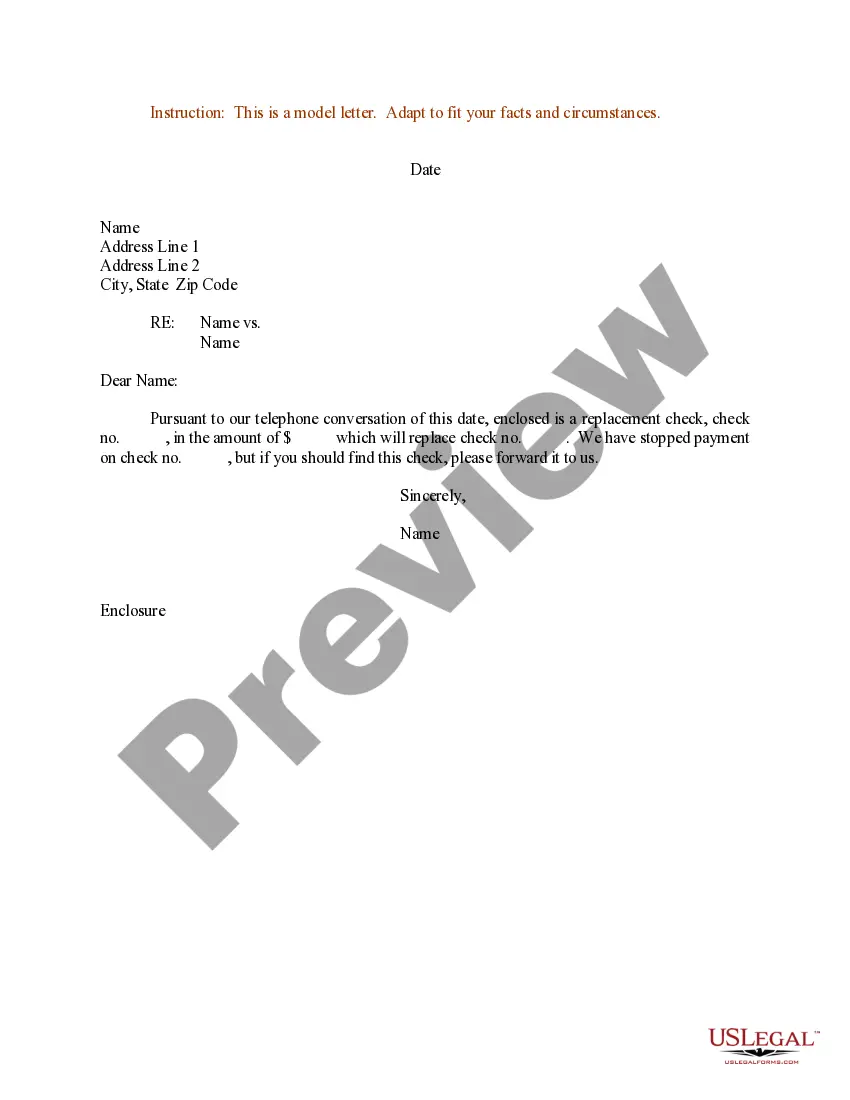
Chula Vista California Request for Replacement of Check on Pending Order
Description
Form popularity
FAQ
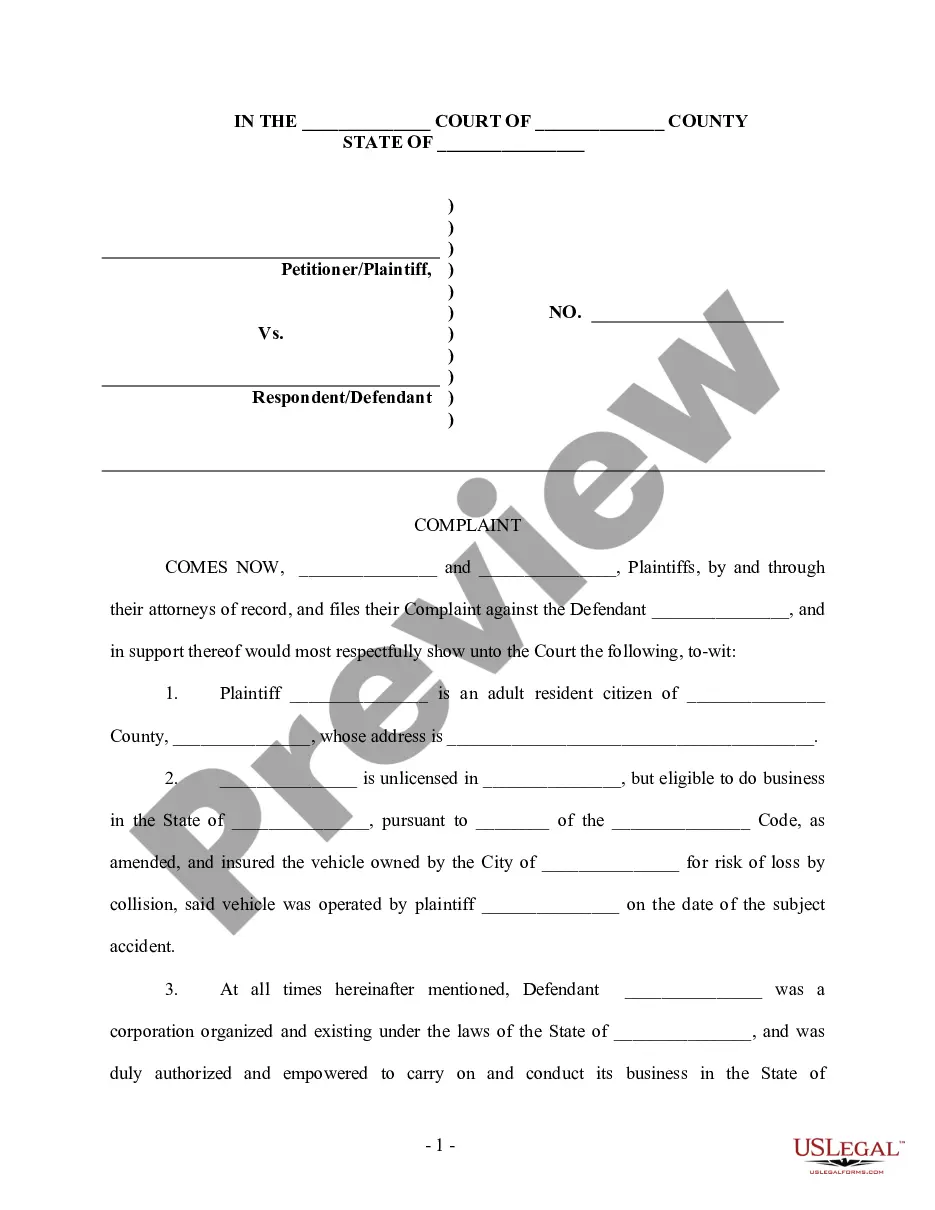
The Request for Order form FL 300 is a specific form used in California courts to request various types of orders, such as child custody or support modifications. This form helps outline the specific relief you are seeking from the court. Completing this form accurately is essential for a successful request. U.S. Legal Forms can assist you in finding the FL 300 template to ensure you fill it out correctly.
In California, you typically have 16 court days to serve a Request for Order after filing it. However, this may vary based on the type of case and the method of service used. It is essential to be aware of these timelines to ensure your request is considered. U.S. Legal Forms can provide you with the necessary information and templates to help you meet these deadlines.
To request a court order, you must fill out the appropriate Request for Order form and submit it to the court. Be sure to include a clear explanation of the order you are seeking and any relevant evidence supporting your request. After filing, ensure you serve the other parties involved in the case. U.S. Legal Forms offers helpful templates to streamline your request.
Rule 3.110 D of the California Rules of Court outlines the requirements for serving documents related to motions and requests for orders. This rule emphasizes the importance of timely service to ensure all parties have adequate notice. Following these guidelines is crucial for maintaining the integrity of the legal process. For more clarity on these rules, you can utilize resources from U.S. Legal Forms.
Yes, you can serve a request for order by mail in California. However, you must ensure that the papers are sent to the correct address and that you follow the California Rules of Court regarding service. After serving the documents, you should file a proof of service with the court to confirm that all parties received the request. U.S. Legal Forms provides guides to help you navigate this requirement.
Filing a response to a request for order in California involves completing the Response to Request for Order form. You must file this response with the court within the specified time frame and provide copies to all parties involved in the case. It is essential to address each point raised in the request to ensure your concerns are considered. U.S. Legal Forms can help you find the right templates to make this process easier.
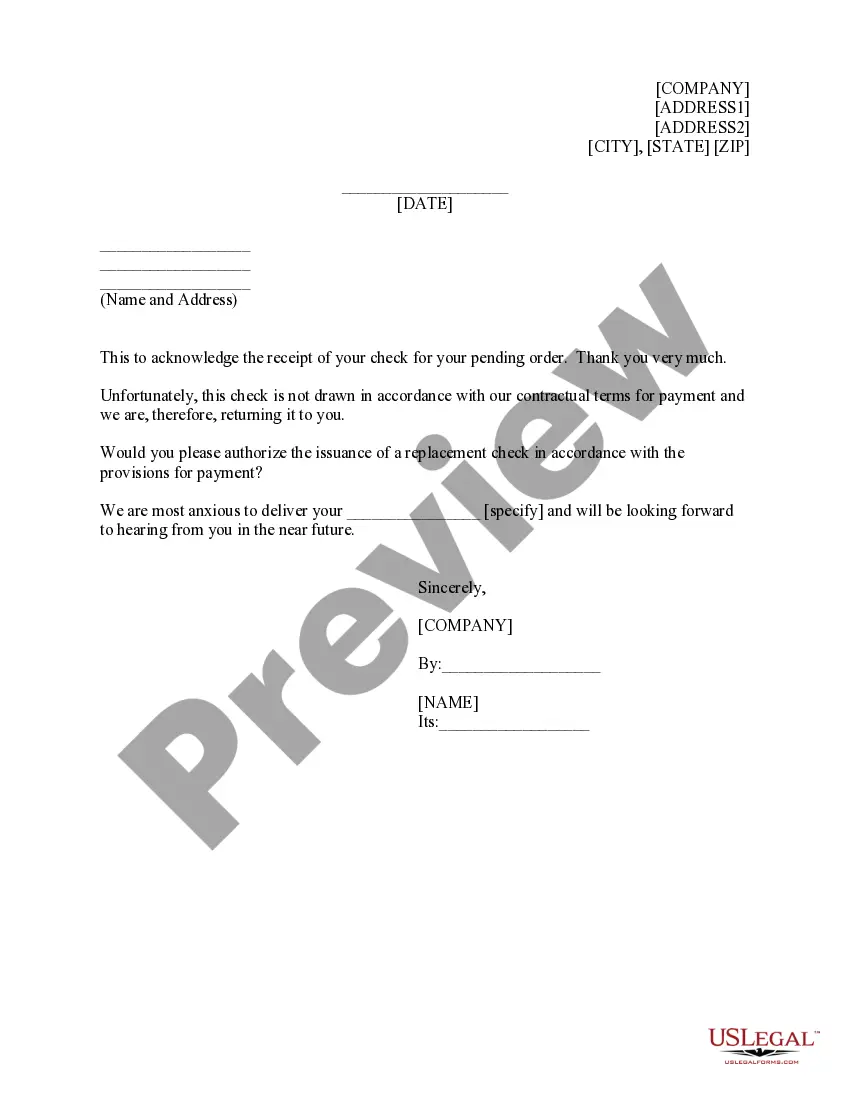
Yes, the California state controller issues checks for various reasons, such as refunds or disbursements. If you are expecting a check from the state and it has not arrived, you may need to check on its status. The Chula Vista California Request for Replacement of Check on Pending Order is a useful tool to help you follow up on pending orders.
Companies typically have policies in place for handling uncashed checks, which may include voiding them after a certain period. They are also required to report uncashed checks to the state as abandoned property. If you encounter an uncashed check, consider the Chula Vista California Request for Replacement of Check on Pending Order to resolve any issues.
California law dictates that unclaimed checks must be reported and eventually turned over to the state after a specified time. This law ensures that funds are safeguarded for the owner. If you have an unclaimed check, the Chula Vista California Request for Replacement of Check on Pending Order can help you reclaim your funds.
In California, uncashed checks are considered abandoned property after a certain period. The state may hold these funds until the rightful owner claims them. If you find yourself with an uncashed check, you can use the Chula Vista California Request for Replacement of Check on Pending Order to address the situation effectively.