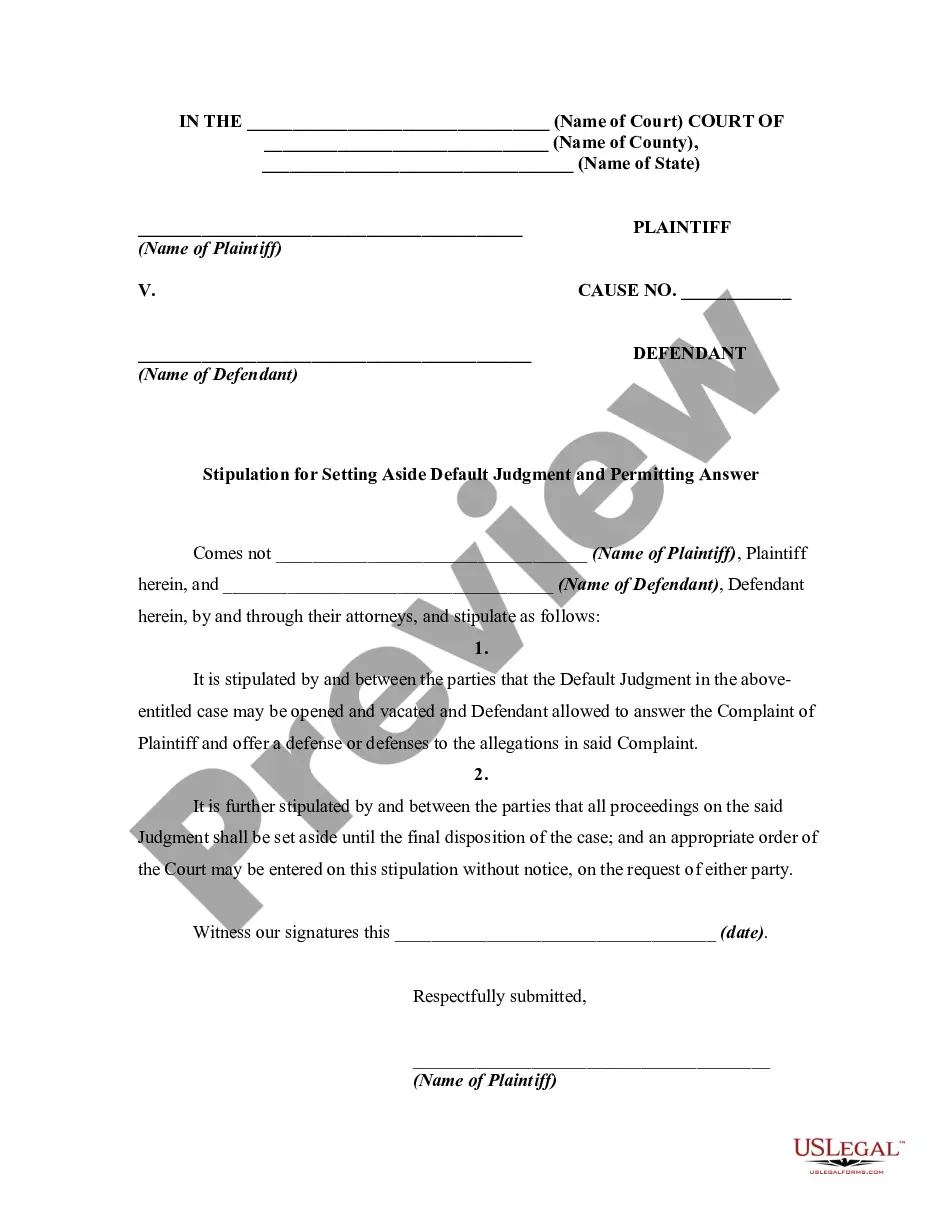
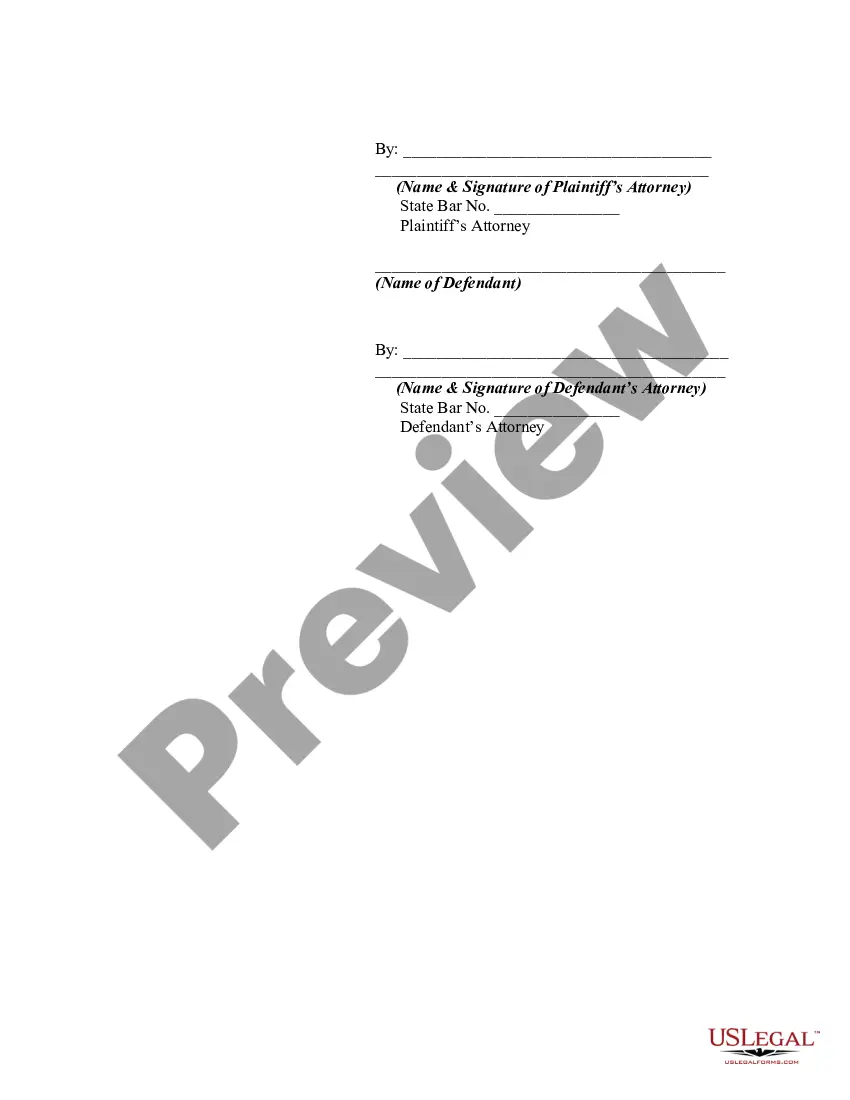
Matter relating merely to the conduct of a pending proceeding or to the designation of the issues involved, which affects only the rights or convenience of the parties and does not involve any interference with the duties and functions of the court, may be the subject of a stipulation.
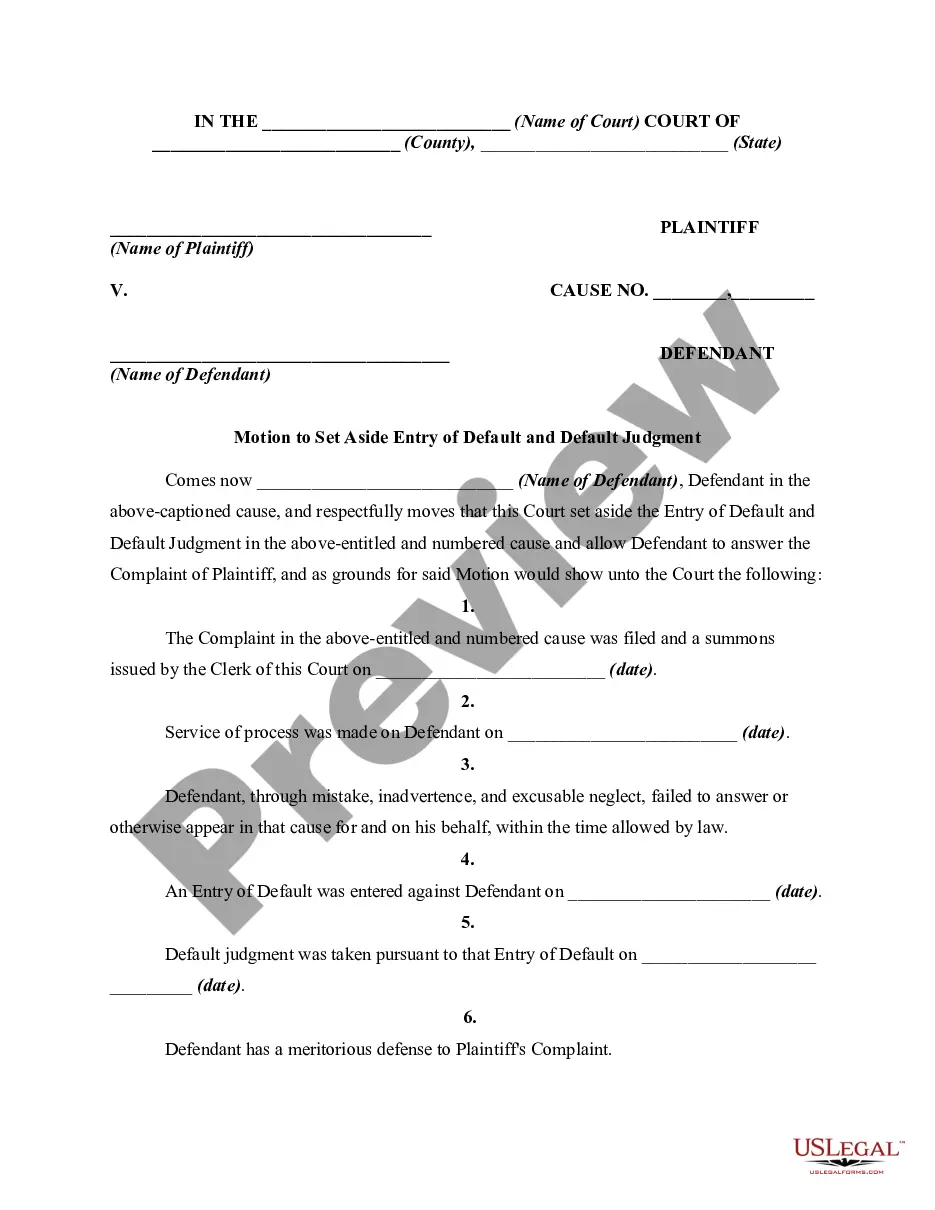
Minneapolis Minnesota Stipulation for Setting Aside Default Judgment and Permitting Answer
Category:
State:
Multi-State
City:
Minneapolis
Control #:
US-01526BG
Format:
Word;
Rich Text
Instant download
Description
Free preview

Form popularity
FAQ
Rule 69 in Minnesota involves the enforcement of judgments, particularly focusing on execution. This rule outlines how creditors can collect debts following a judgment, ensuring that debtors understand their rights. It plays a significant role in actions related to the Minneapolis Minnesota Stipulation for Setting Aside Default Judgment and Permitting Answer. For clear guidance on how to navigate this process, US Legal Forms offers insightful options that can help you.
Rule of Practice 521 in Minnesota addresses the procedures for setting aside a default judgment. This rule allows individuals to seek relief from a default judgment under specific circumstances, which is crucial for those looking to present their case. Understanding this rule is essential when considering a Minneapolis Minnesota Stipulation for Setting Aside Default Judgment and Permitting Answer. For detailed guidance, consider using platforms like US Legal Forms, which provide helpful resources.
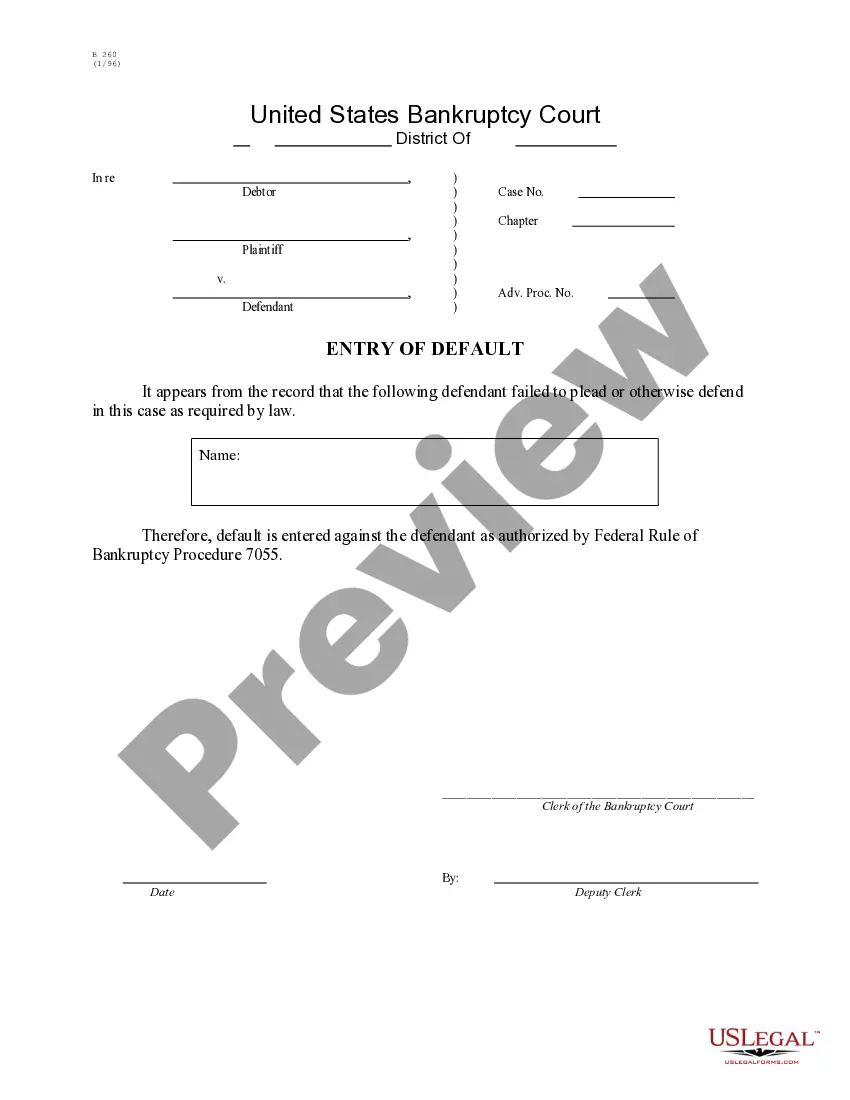
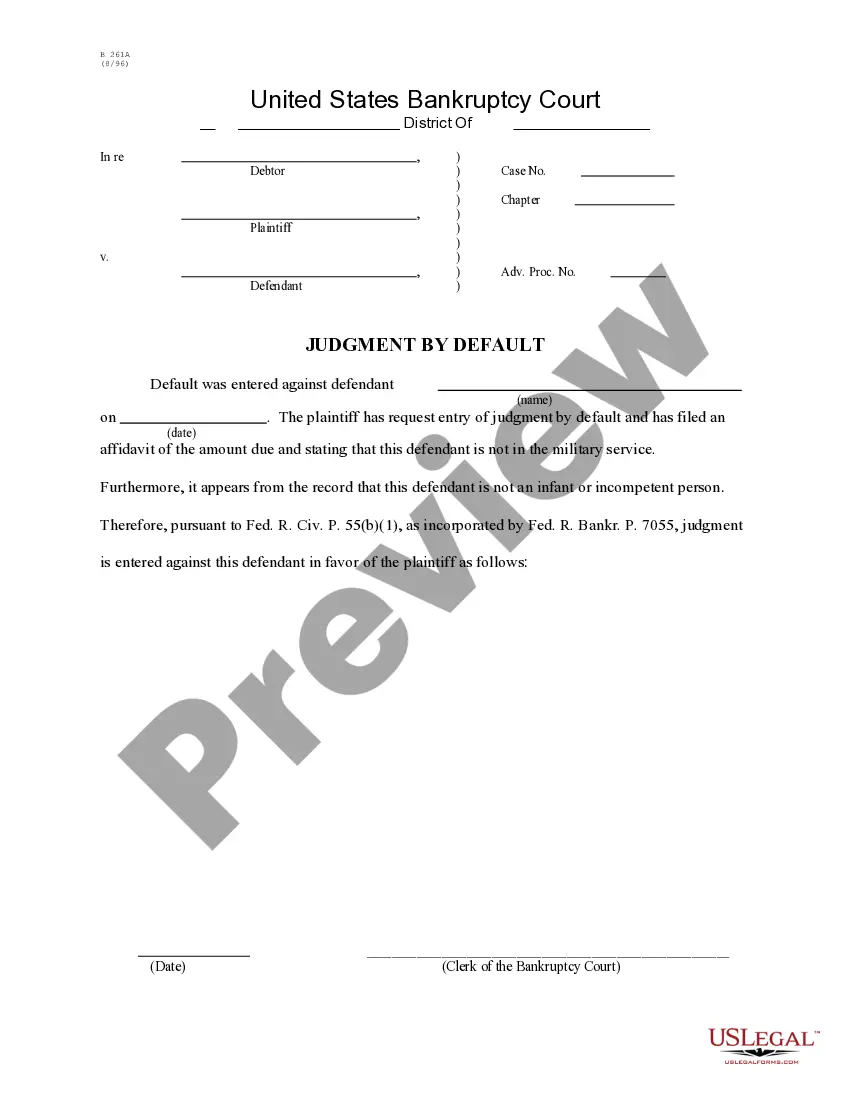
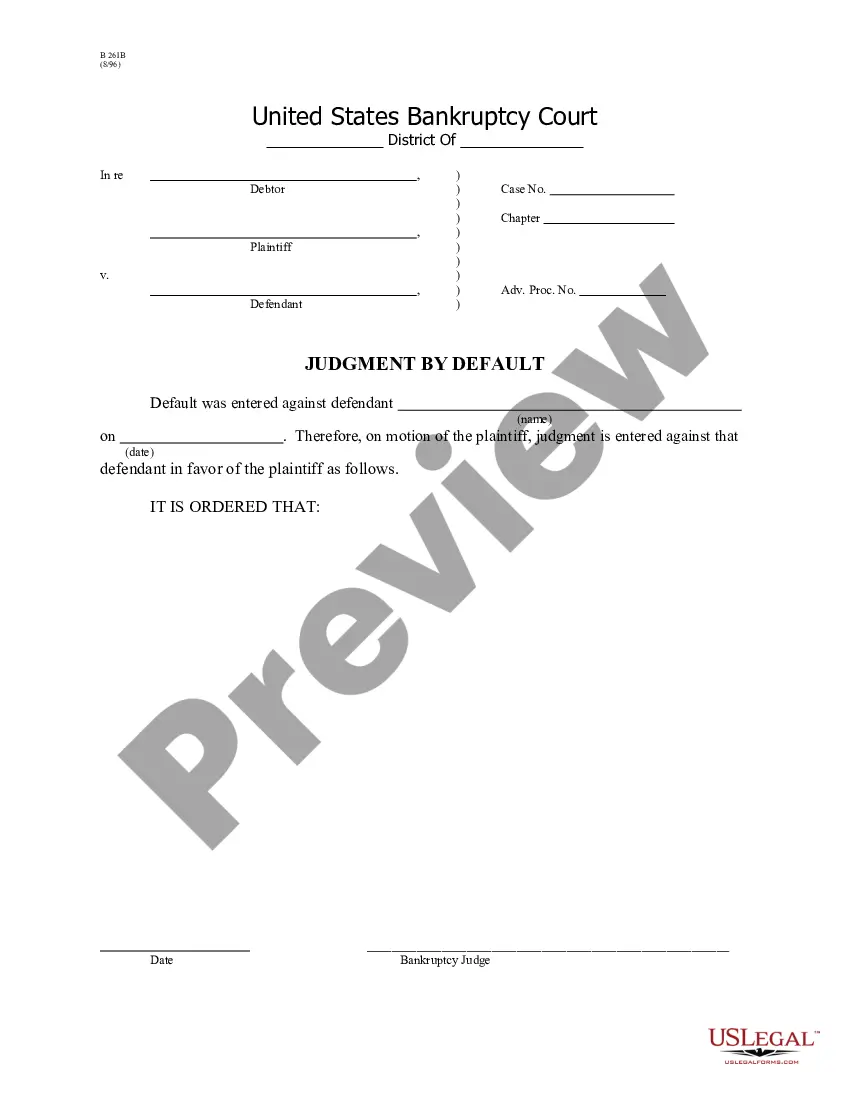
The 55.01 rule in Minnesota establishes the procedure for default judgments, allowing a plaintiff to win their case when the defendant does not respond. This rule is often used in civil cases, and knowing its implications is important for anyone facing a default judgment. When seeking a Minneapolis Minnesota Stipulation for Setting Aside Default Judgment and Permitting Answer, comprehending this rule can guide you through your options and rights, helping you to take appropriate action.
Rule 55.01 of the Minnesota Rules of Civil Procedure outlines the conditions under which a party can obtain a default judgment when the opposing party fails to respond to a legal action. This rule serves as a protective measure to ensure fairness and accountability in legal proceedings. In matters involving a Minneapolis Minnesota Stipulation for Setting Aside Default Judgment and Permitting Answer, understanding this rule becomes essential to navigate default judgments effectively.
In Minnesota, the statute of limitations for most consumer debts is six years. Once this period elapses, creditors lose the legal right to pursue collection, making the debt effectively uncollectible. Knowing this timeline can be vital when crafting a Minneapolis Minnesota Stipulation for Setting Aside Default Judgment and Permitting Answer, as it can influence your decision and legal strategy.
Rule 37 of the Minnesota Rules of Civil Procedure addresses issues related to discovery and penalties for failing to comply with discovery requests. This rule ensures that parties involved in legal proceedings can obtain necessary information to support their cases. Its application is crucial when considering a Minneapolis Minnesota Stipulation for Setting Aside Default Judgment and Permitting Answer, as it emphasizes the importance of truth and transparency in legal processes.
The grounds for relief from judgment in Minneapolis include mistakes, newly discovered evidence, or fraud that prevented a fair trial. Additionally, showing that the judgment is unjust or that any of the parties did not receive proper notice can also warrant relief. Engaging with legal options like a Stipulation for Setting Aside Default Judgment and Permitting Answer can significantly aid in navigating this process.
To dismiss a default judgment, you need to file a motion with the court that issued the judgment. In your motion, explain the reasons for your default and provide supporting evidence where applicable. You may benefit from seeking assistance in drafting a Stipulation for Setting Aside Default Judgment and Permitting Answer, which can facilitate the dismissal process and help you reclaim your rights effectively.
A strong reason to set aside a default judgment is if you were not properly notified of the court proceedings, as this violates your right to due process. Additionally, an excuse such as a sudden illness or personal emergency can also be deemed valid. Remember, demonstrating a legitimate reason is crucial in your motion for a Stipulation for Setting Aside Default Judgment and Permitting Answer so that you can have another chance to present your case.
To challenge a default judgment in Minneapolis, you should file a motion promptly, detailing your reasons for missing the original court date. Present a clear defense within your motion to show the court your case holds merit. Utilizing legal resources, such as a Stipulation for Setting Aside Default Judgment and Permitting Answer, can also help strengthen your position and increase your chances of success.