Austin Texas Agreed Judgment
Description





Form popularity
FAQ
After a judgment is issued in Texas, the winning party may begin to collect on that judgment. This process can involve garnishing wages or seizing property. It's crucial to understand that an Austin Texas Agreed Judgment means both parties reached an agreement, which may affect how enforcement occurs.
To settle a judgment in Texas, you should negotiate directly with the creditor, potentially agreeing on a reduced amount or payment terms. Documenting the settlement terms is vital to ensure the judgment is marked as satisfied. Exploring options like an Austin Texas Agreed Judgment may facilitate a smoother settlement process, allowing you to clear your financial slate.
In Texas, certain assets are protected from seizure during a judgment, including your home, retirement accounts, and personal property up to specific limits. Understanding these protections is crucial when navigating debt issues. The Austin Texas Agreed Judgment can also help clarify which of your assets remain safe during legal proceedings.
Collecting on a judgment in Texas can be challenging, especially if the debtor has limited resources. Creditors must follow legal procedures to enforce the judgment, which can take time and effort. Utilizing the Austin Texas Agreed Judgment process may help streamline this, providing clarification on obligations and potential repayments.
Factors that can make you judgment proof in Texas include having no non-exempt assets or income and certain government benefits. Texas law protects certain essential assets from seizure, such as retirement accounts, personal property, and a primary home under homestead laws. Understanding these protections can guide you toward achieving an Austin Texas Agreed Judgment, which may further shield your assets.
Removing a judgment from public record in Texas can be a complex process. One way is to file a motion for expungement or a motion to set aside the judgment, particularly if a mistake was made during the judgment. The Austin Texas Agreed Judgment can also offer a resolution that may lessen the judgment's impact on your record.
Becoming judgment proof in Texas means you have no assets or income that can be seized for debt repayment. To achieve this status, you may want to consider filing for bankruptcy or managing your finances in a way that protects your exempt property. Additionally, you can seek advice from professionals who specialize in the Austin Texas Agreed Judgment process to ensure your rights are preserved.
Filing a judgment in Texas typically involves preparing the necessary documents and submitting them to the appropriate court. This process often includes a petition outlining the claim and supporting evidence. For those seeking an Austin Texas Agreed Judgment, utilizing platforms like uslegalforms can simplify this process by providing templates and guidance.
An agreed judgment can remain on your credit report for up to seven years from the date it is filed. This period can affect your credit score and financial options for some time. However, resolving disputes through an Austin Texas Agreed Judgment can sometimes lead to more favorable outcomes compared to unresolved issues that linger longer on your credit report.
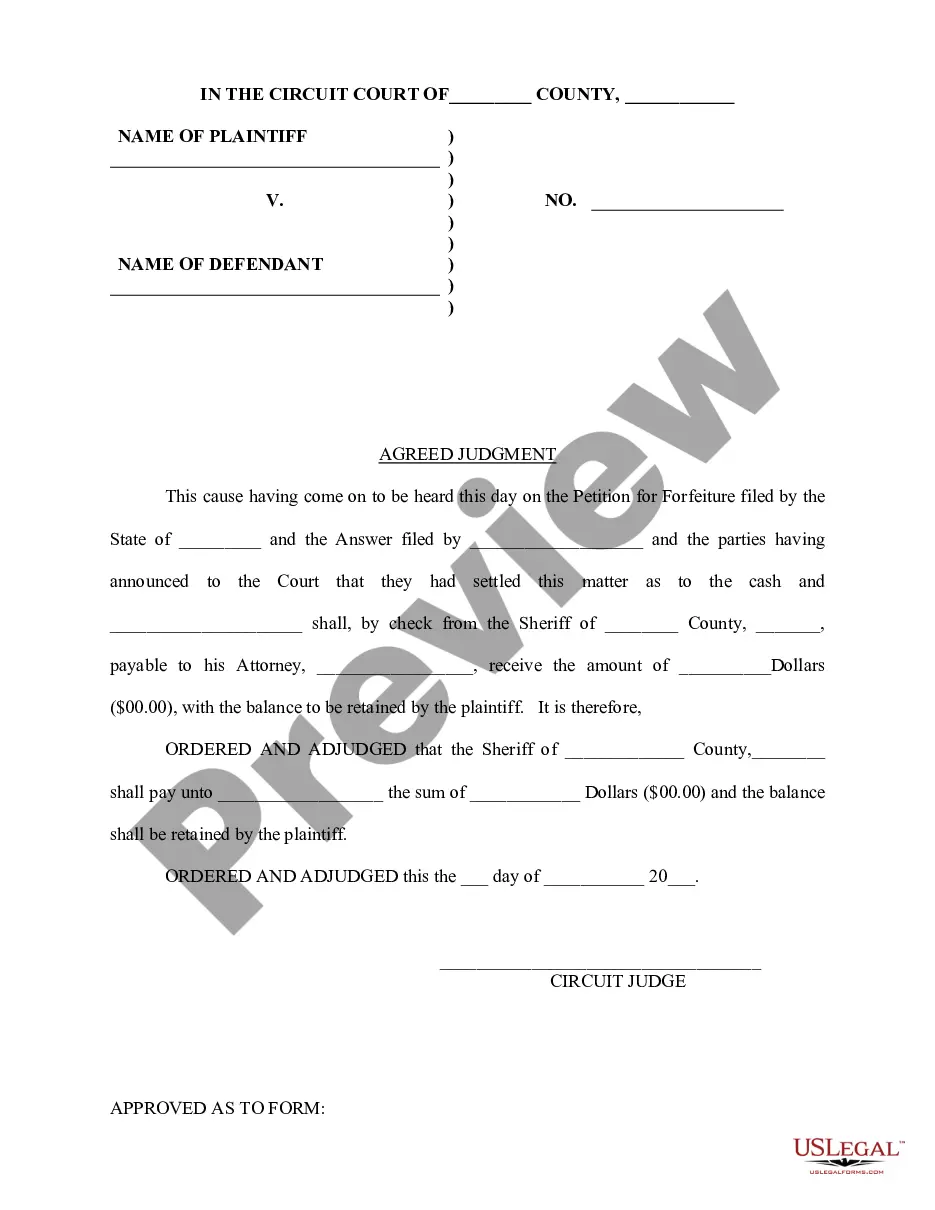
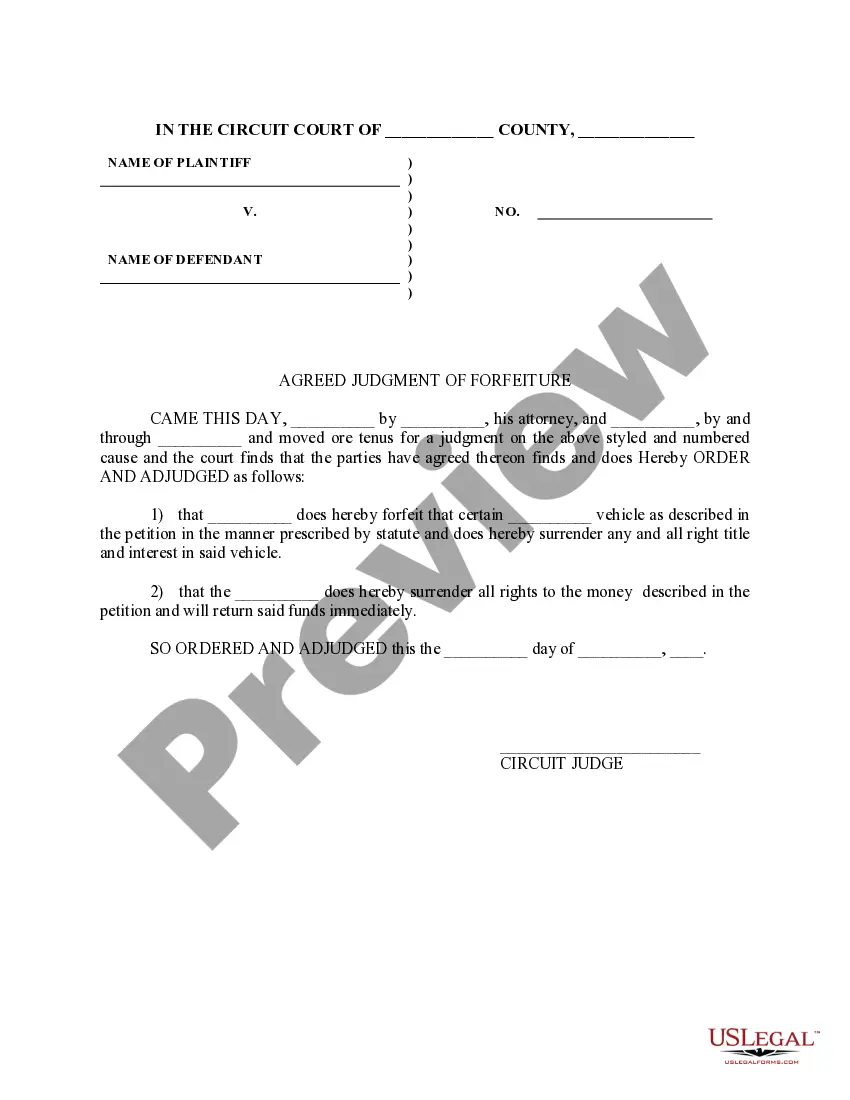
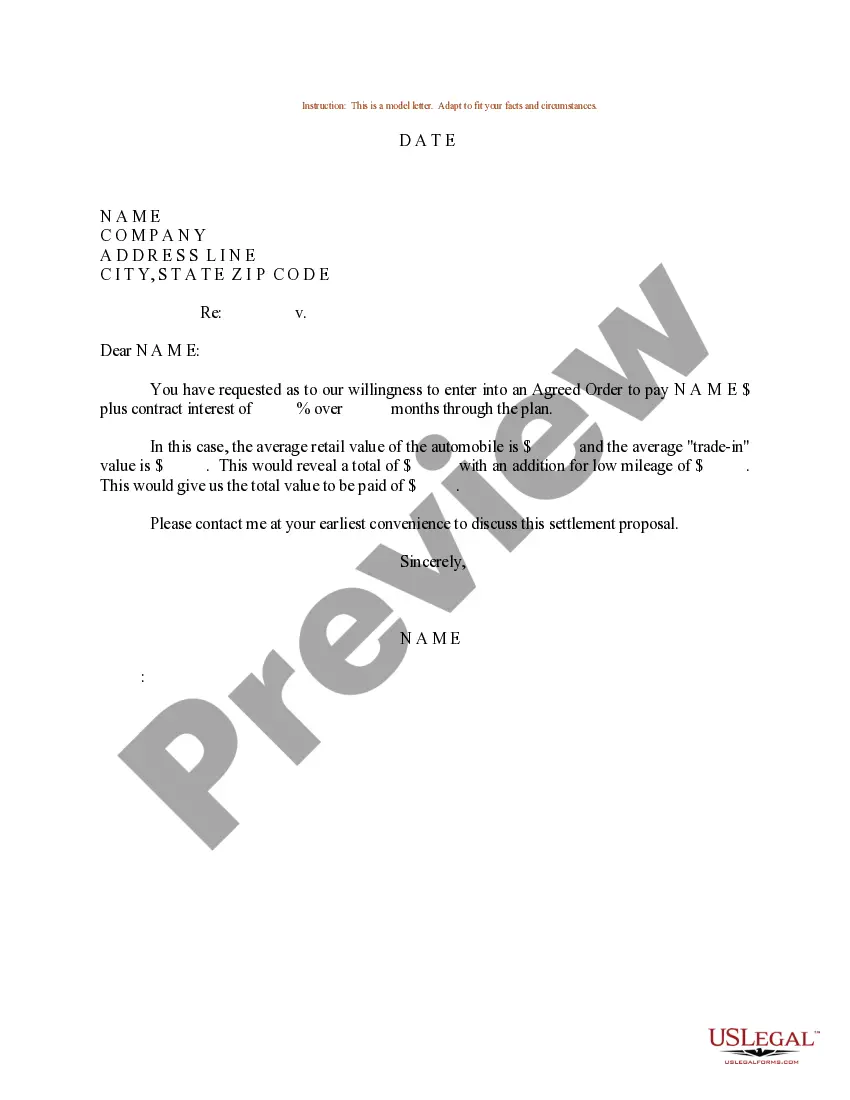
An agreed judgment in Texas is a legal resolution that occurs when both parties involved in a dispute come to a mutual agreement. This judgment often includes the terms for resolving the conflict, which the court then officially recognizes. In the context of Austin Texas Agreed Judgment, this means that the court will enforce the agreed terms without proceeding to a trial.