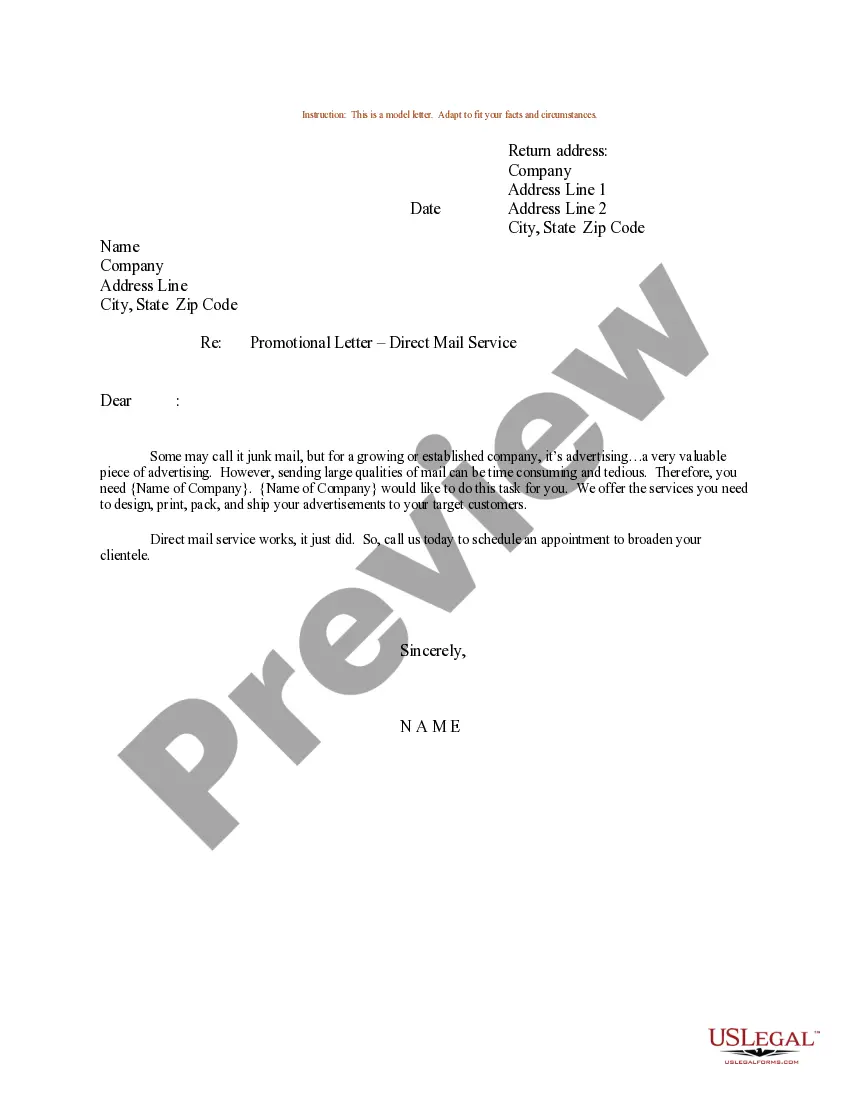
Round Rock Texas Defendant's Motion in Limine
Description
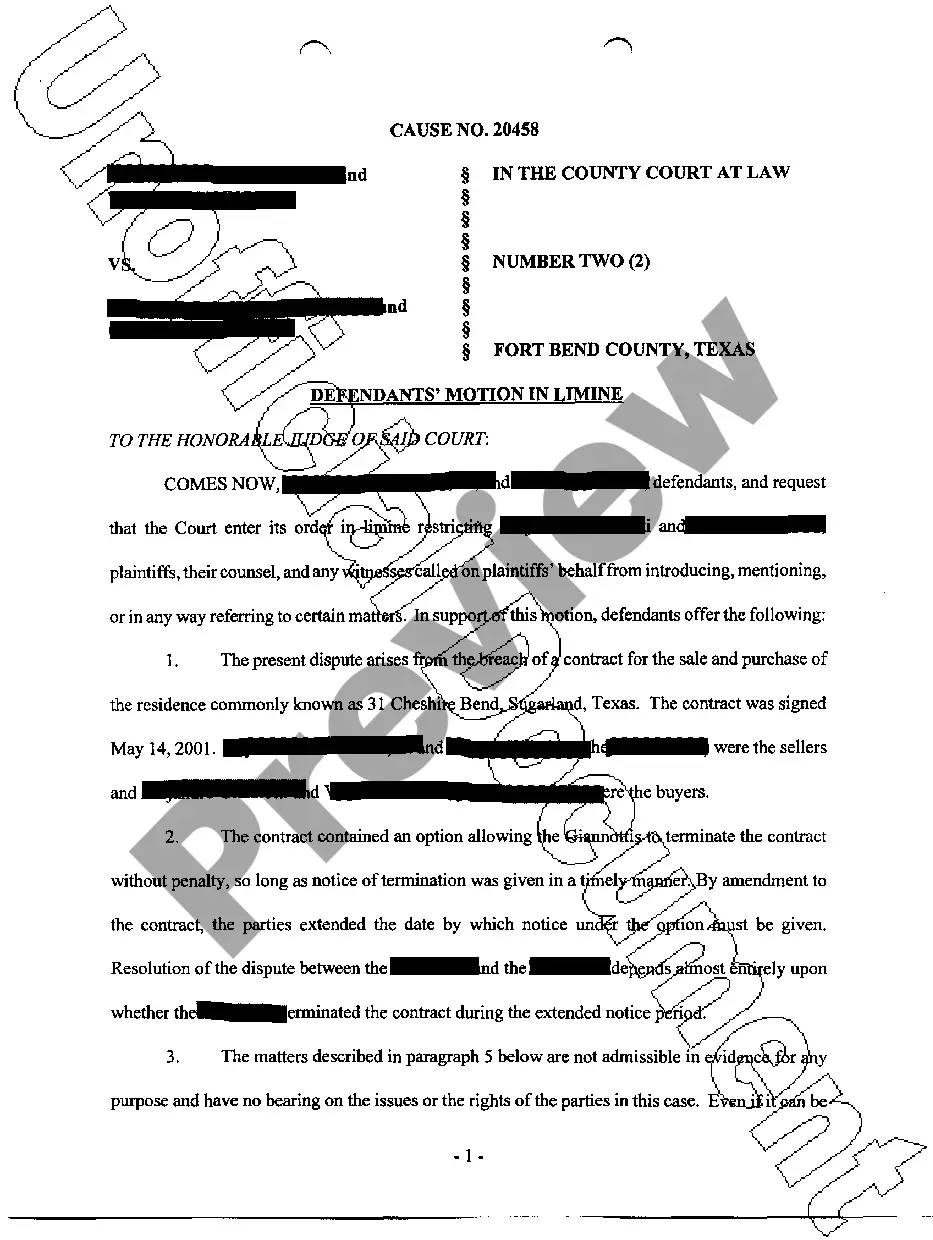
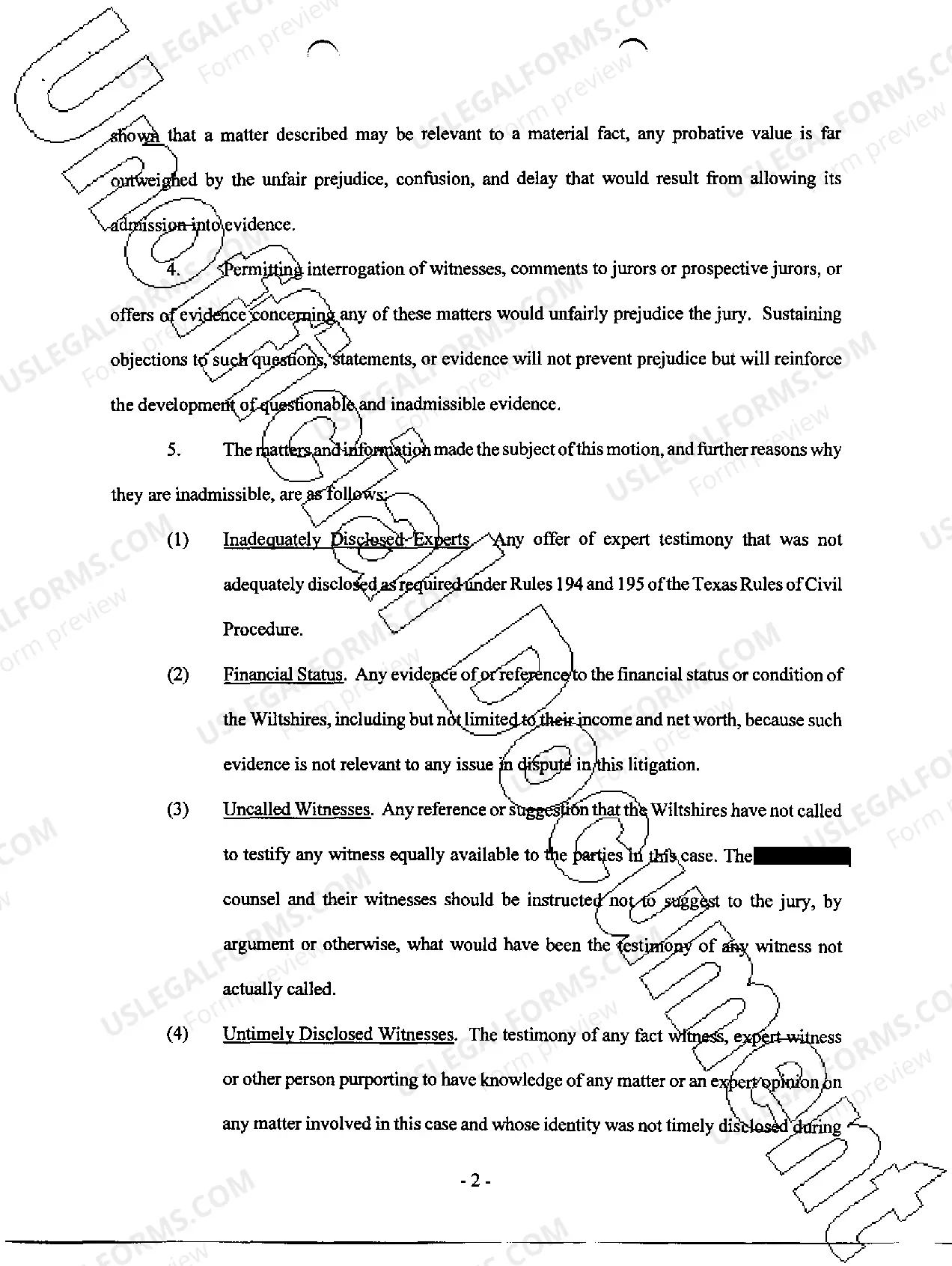
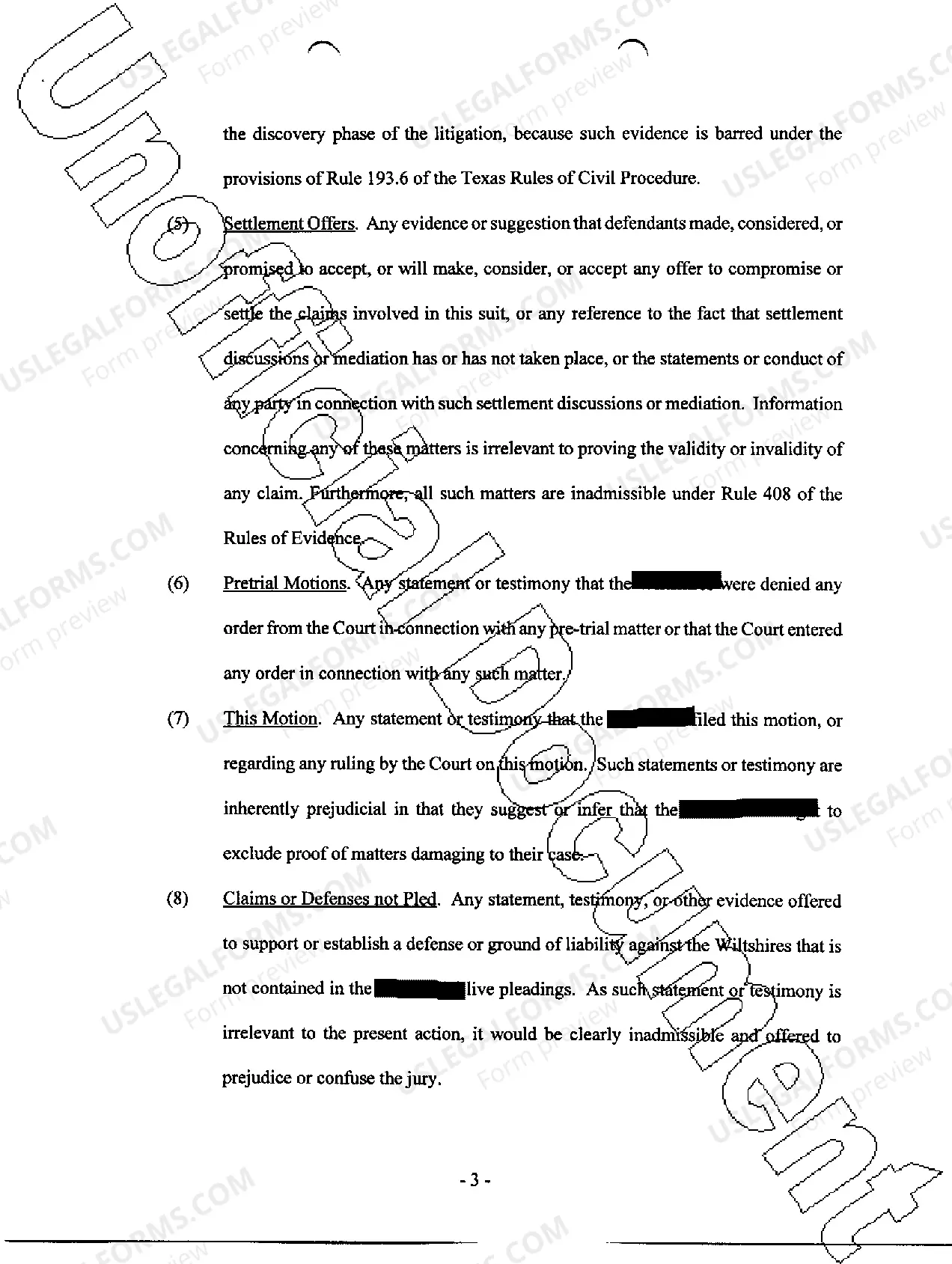
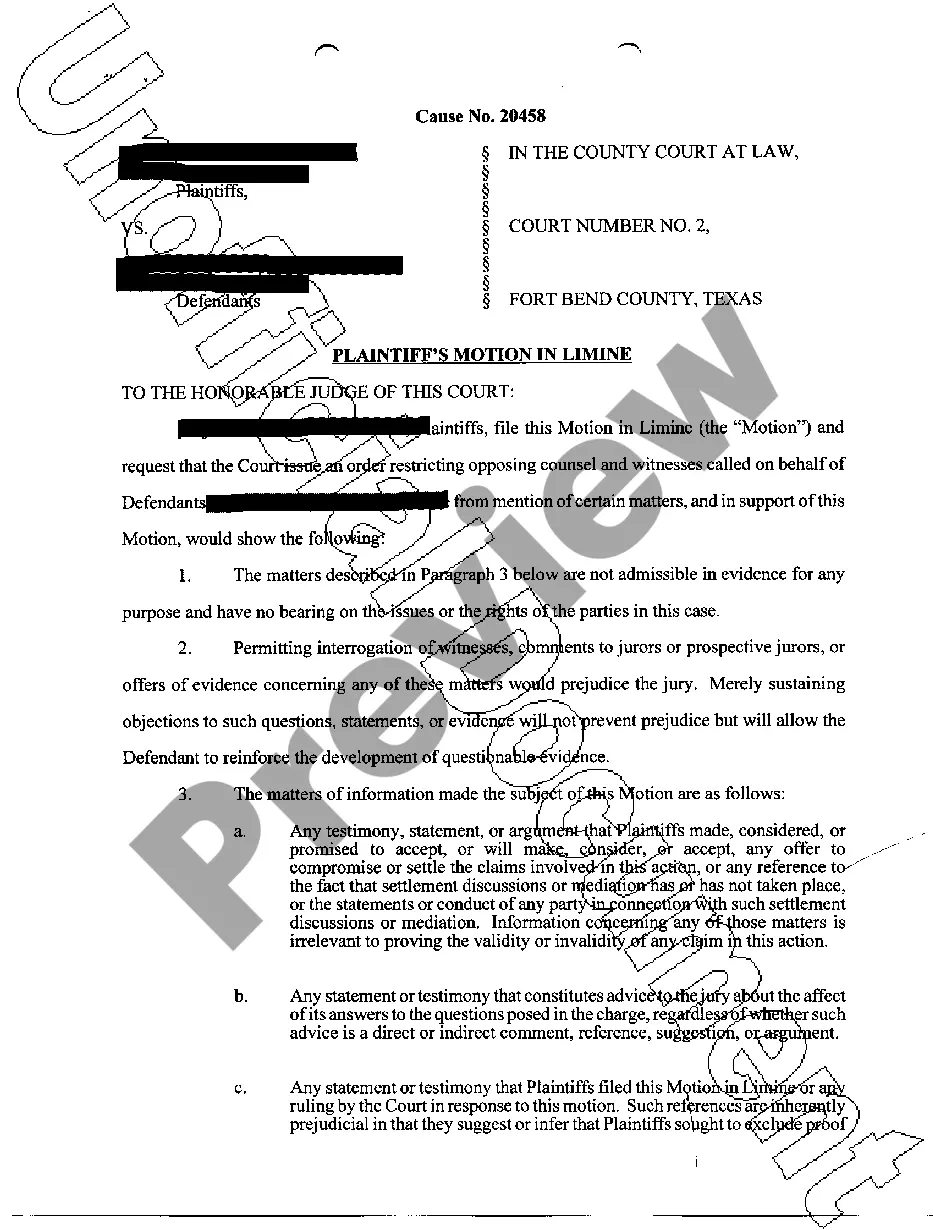
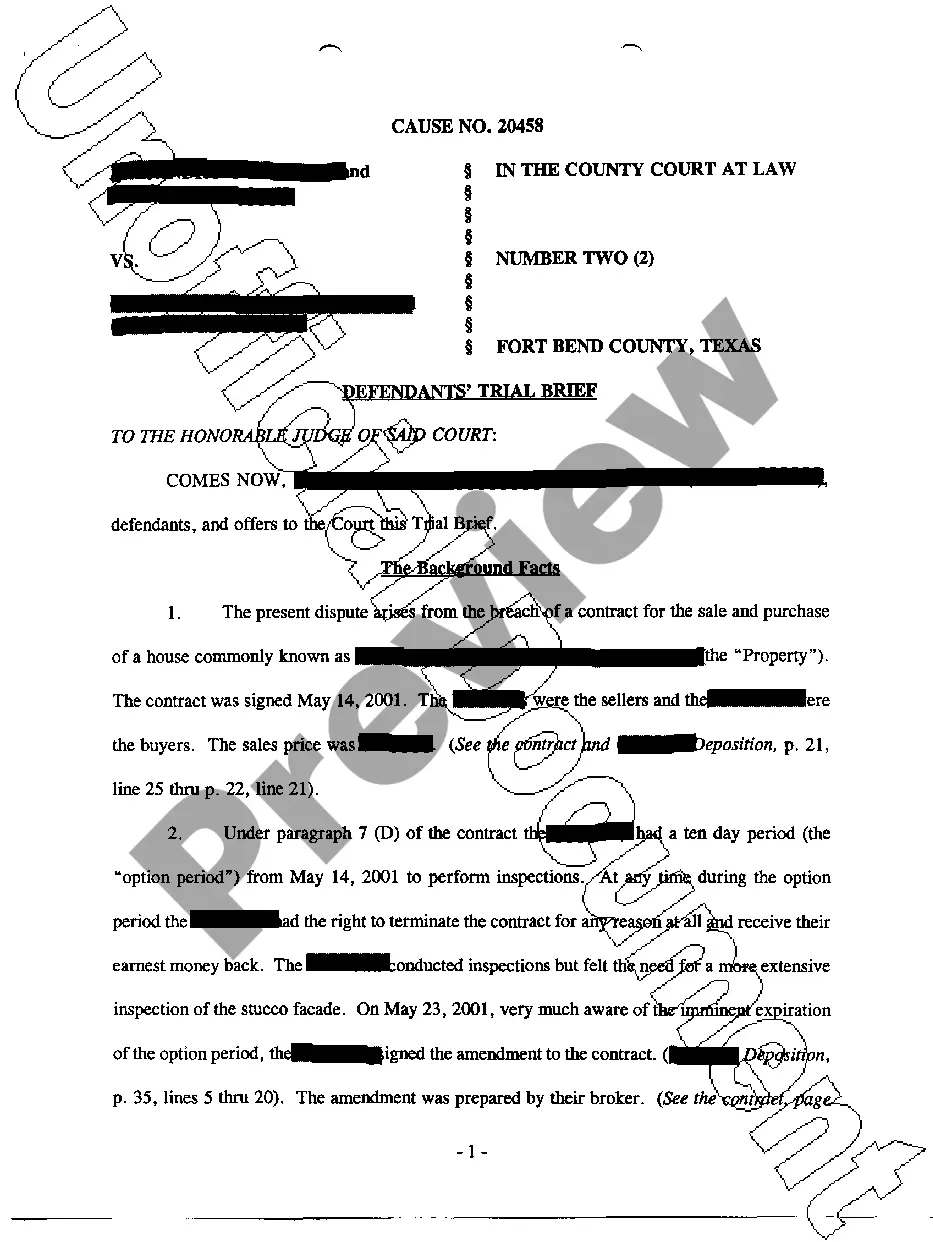
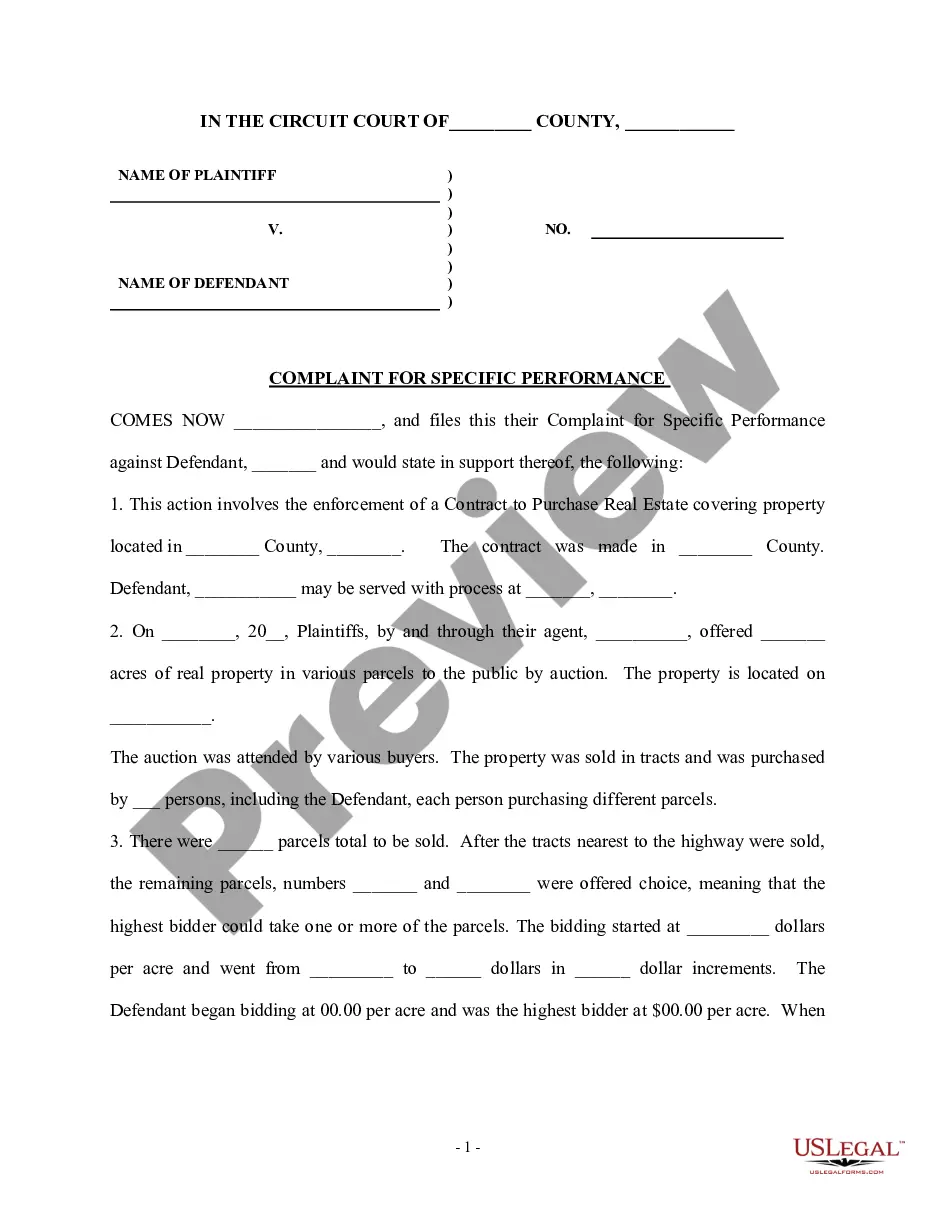
How to fill out Texas Defendant's Motion In Limine?
We consistently strive to reduce or evade legal complications when engaging with intricate law-related or financial matters.
To achieve this, we seek legal services that are typically very expensive.
Nonetheless, not every legal issue is equally intricate. The majority can be managed independently.
US Legal Forms is a digital repository of current DIY legal documents encompassing anything from wills and powers of attorney to articles of incorporation and petitions for dissolution.
Simply Log In to your account and click the Get button next to it. If you misplace the form, you can always retrieve it again from within the My documents tab.
- Our repository allows you to take control of your affairs without needing to consult a lawyer.
- We provide access to legal document templates that are not always readily available.
- Our templates are specific to states and regions, which significantly eases the search process.
- Benefit from US Legal Forms whenever you require to find and download the Round Rock Texas Defendant's Motion in Limine or any other document swiftly and securely.
Form popularity
FAQ
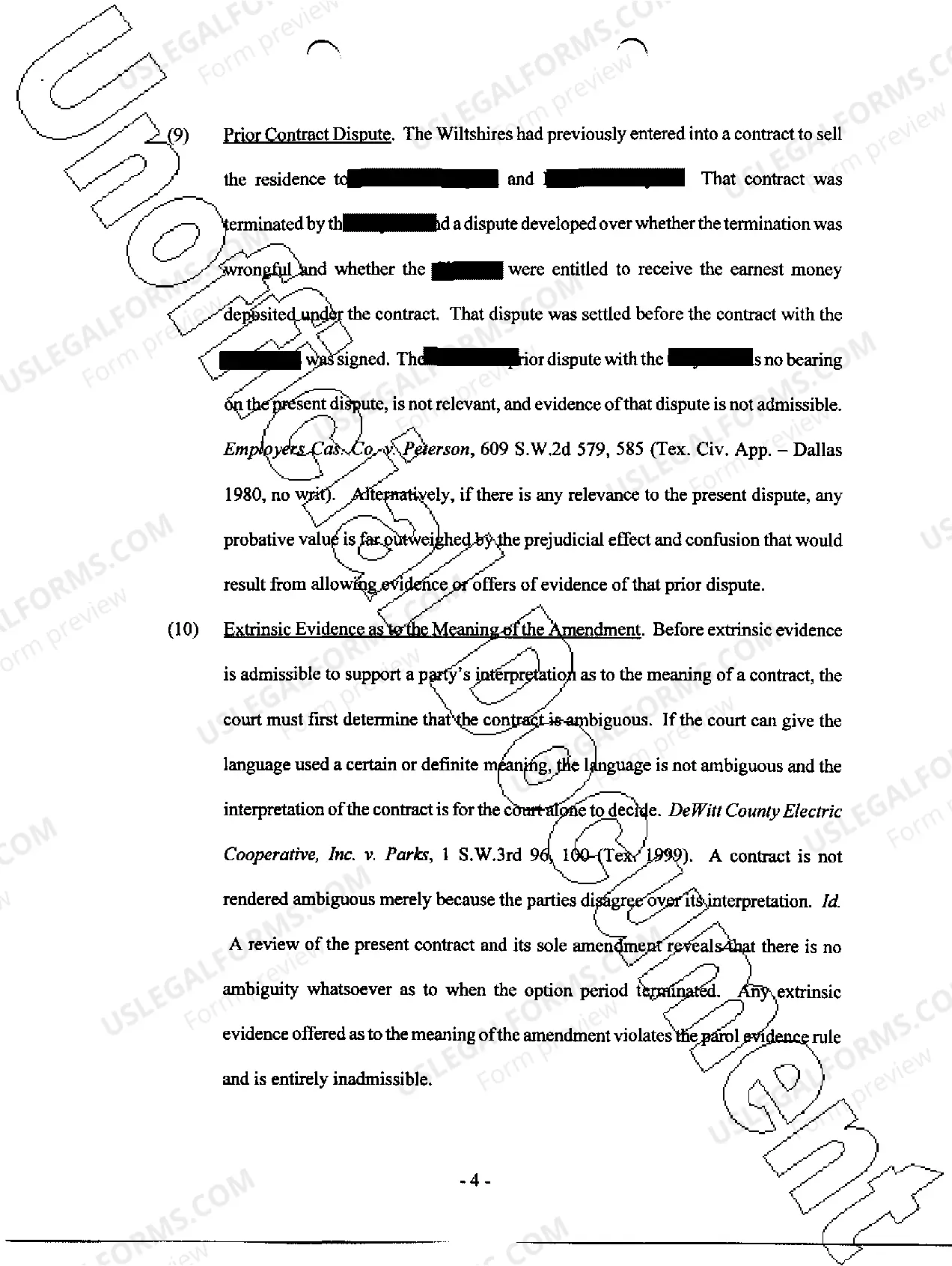
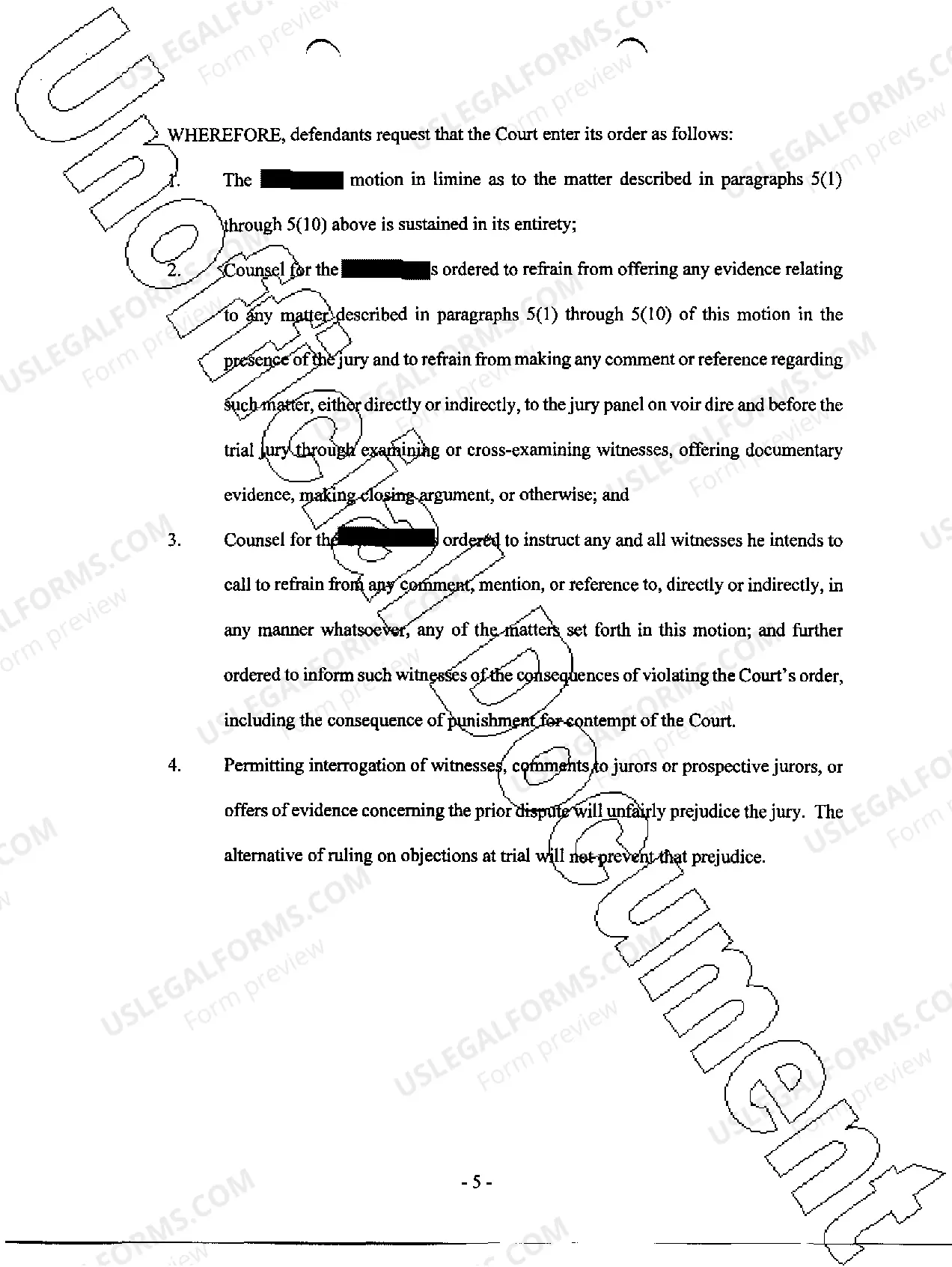
A Daubert motion is a specific type of motion in limine raised before or during trial to exclude the testimony of an expert witness.
A motion in limine is never discussed with the jury present, and is always decided by the judge on the case. The reasons for the motions are wide, but most often they are used in a criminal trial to shield the jury from information concerning the defendant that could be unfairly prejudicial to him.
A pretrial motion asking that certain evidence be found inadmissible, and that it not be referred to or offered at trial.
Your motion in limine should be broken into two sections: (1) Factual Background and (2) Argument. The ?Factual Background? section of your Memorandum should include all of the facts necessary for the judge to resolve every issue raised in your motion. appropriate, include procedural posture, as well.
By granting a motion in limine, a trial judge does. not exclude evidence. Instead, he defers ruling on. admissibility until such time as a party wishes to. introduce the evidence.
Examples of motions in limine would be that the attorney for the defendant may ask the judge to refuse to admit into evidence any personal information, or medical, criminal or financial records, using the legal grounds that these records are irrelevant, immaterial, unreliable, or unduly prejudicial, and/or that their
A motion in limine is a procedural mechanism that allows litigators to seek to exclude certain evidence from being presented to a jury ? typically evidence that is irrelevant, unreliable, or more prejudicial than probative.
Attorneys should file a Motion in Limine if there is inadmissible evidence they are concerned the other side could get into in front of the jury.
Whereas the motion in limine is based on the trial court's inherent discretion to exclude prejudicial evidence, the motion to suppress is based on the court's duty to exclude evidence which has been im- properly Qbtained.