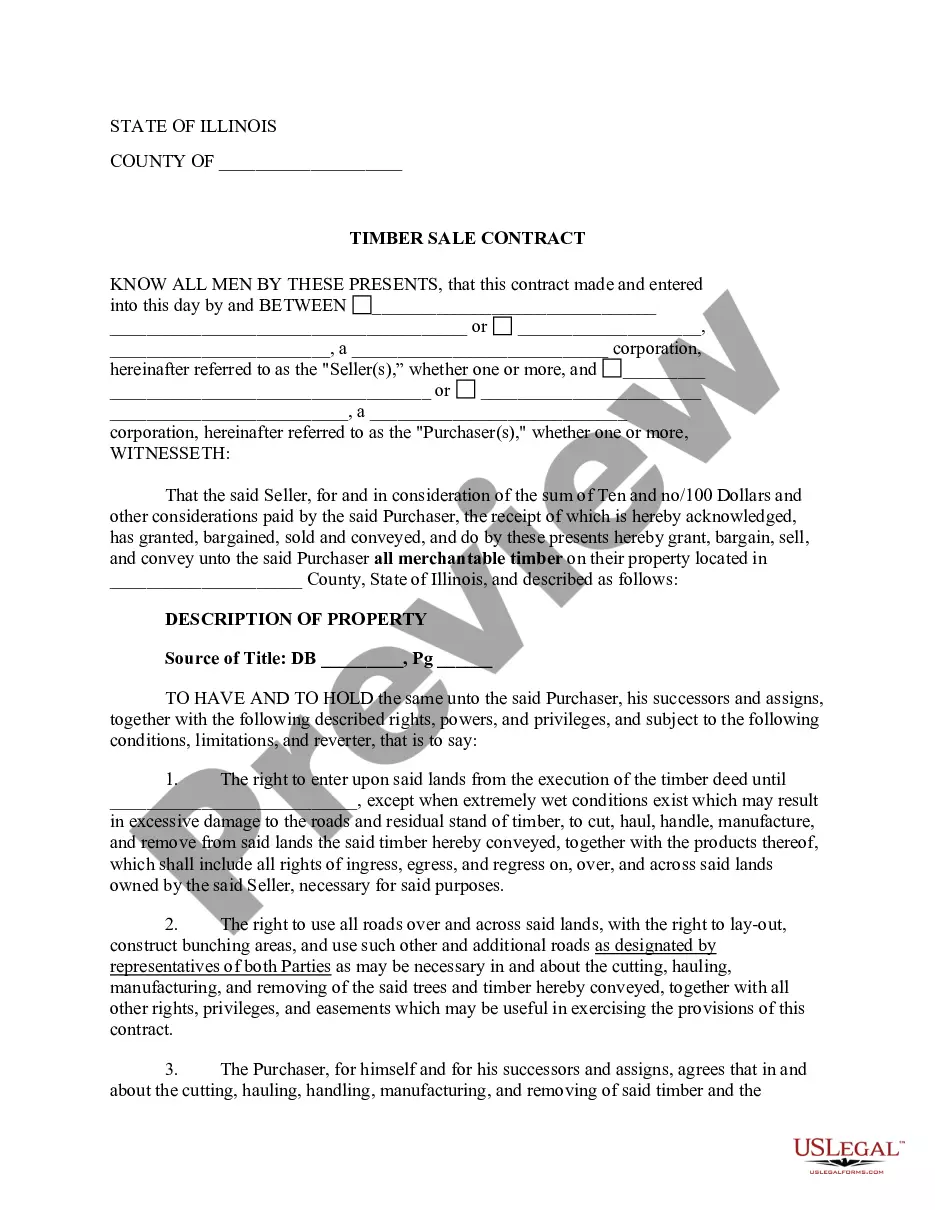
Chicago Illinois Timber Sale Contract
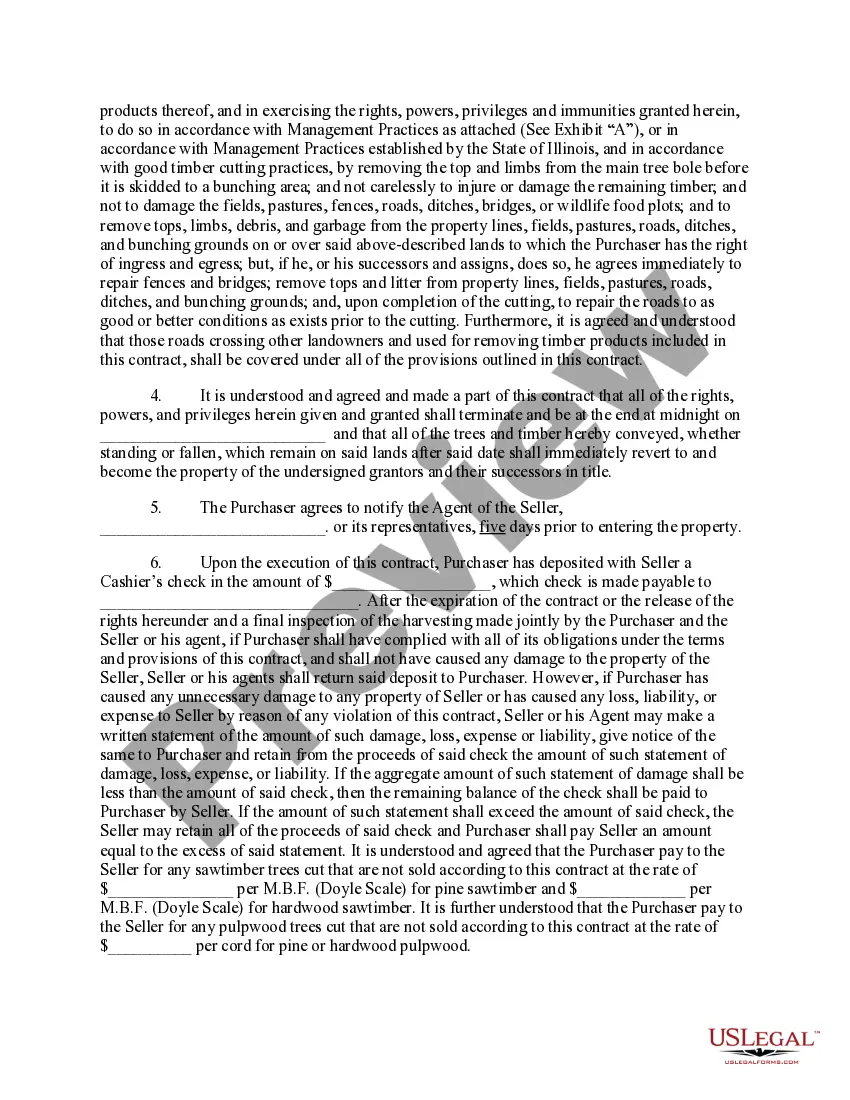
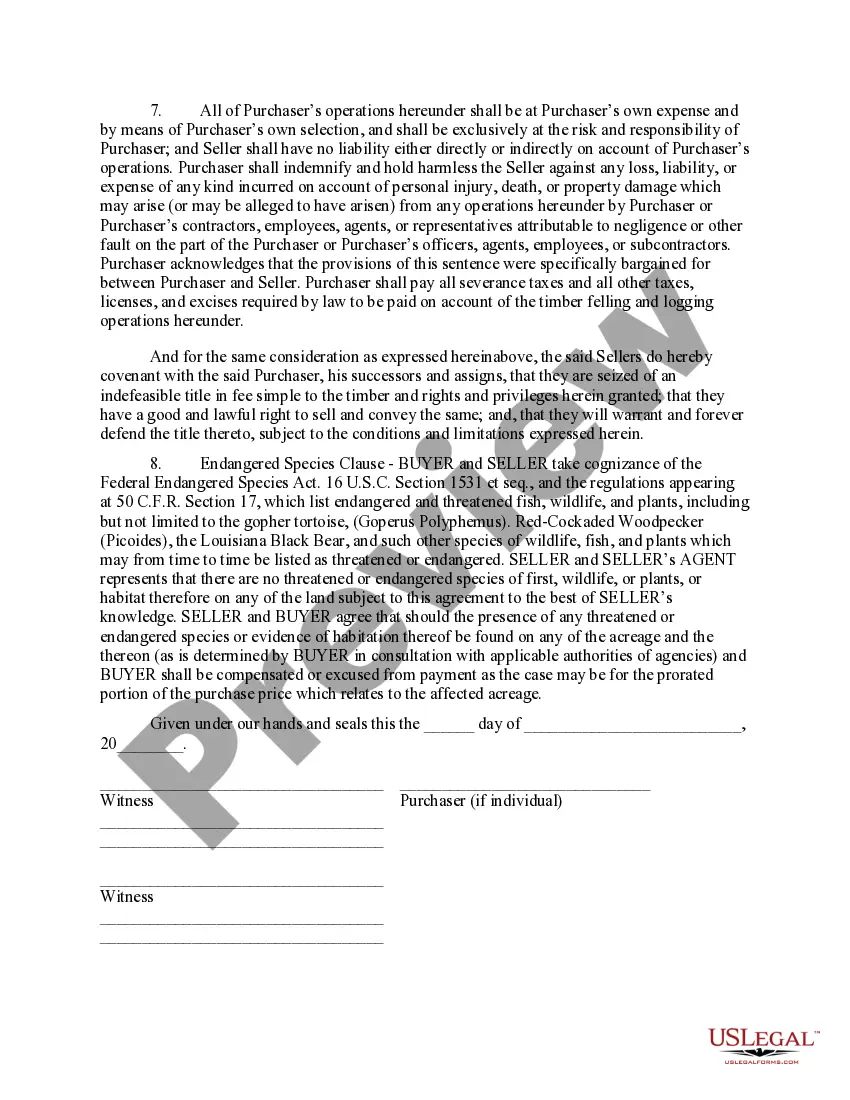
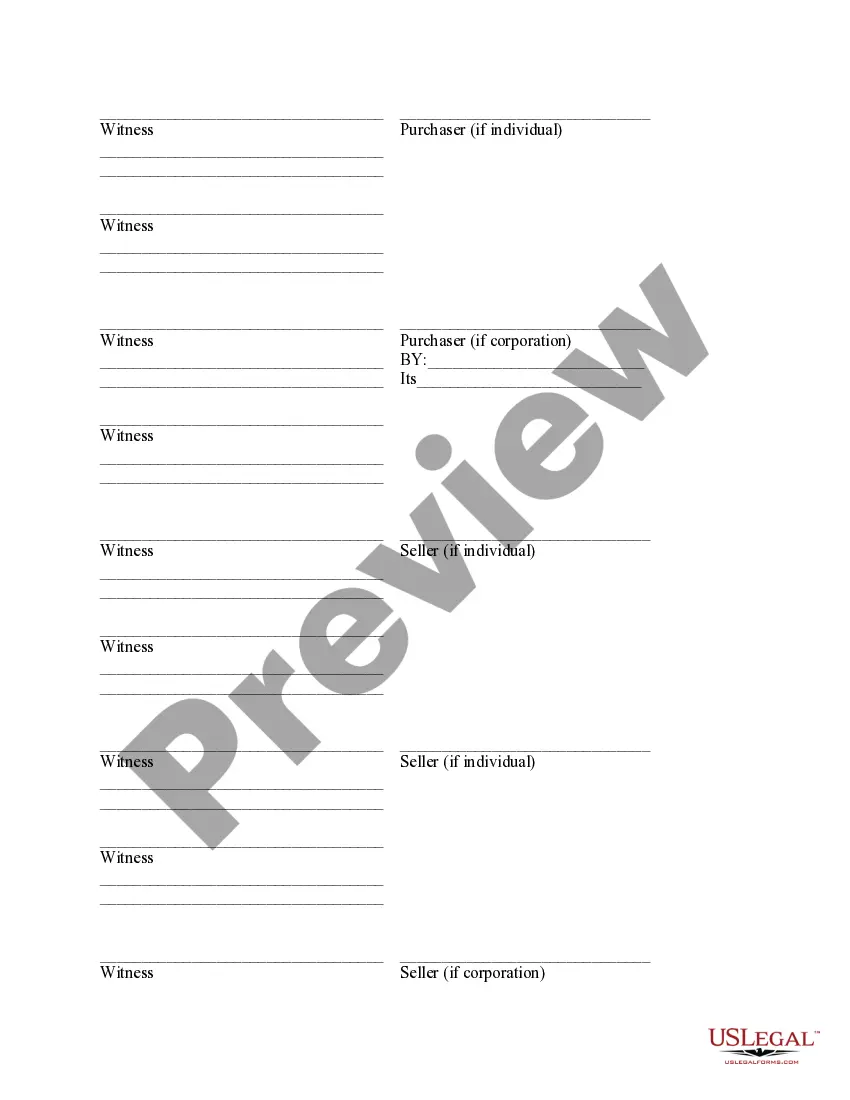
Description
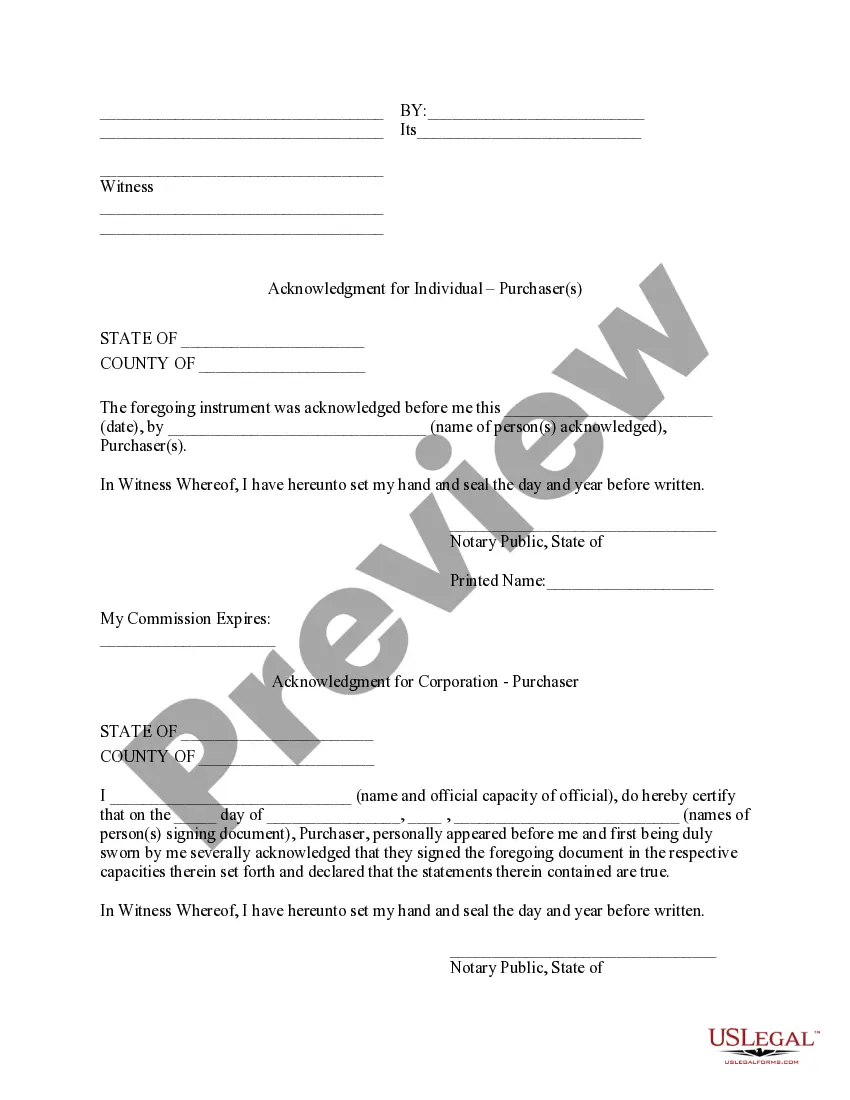
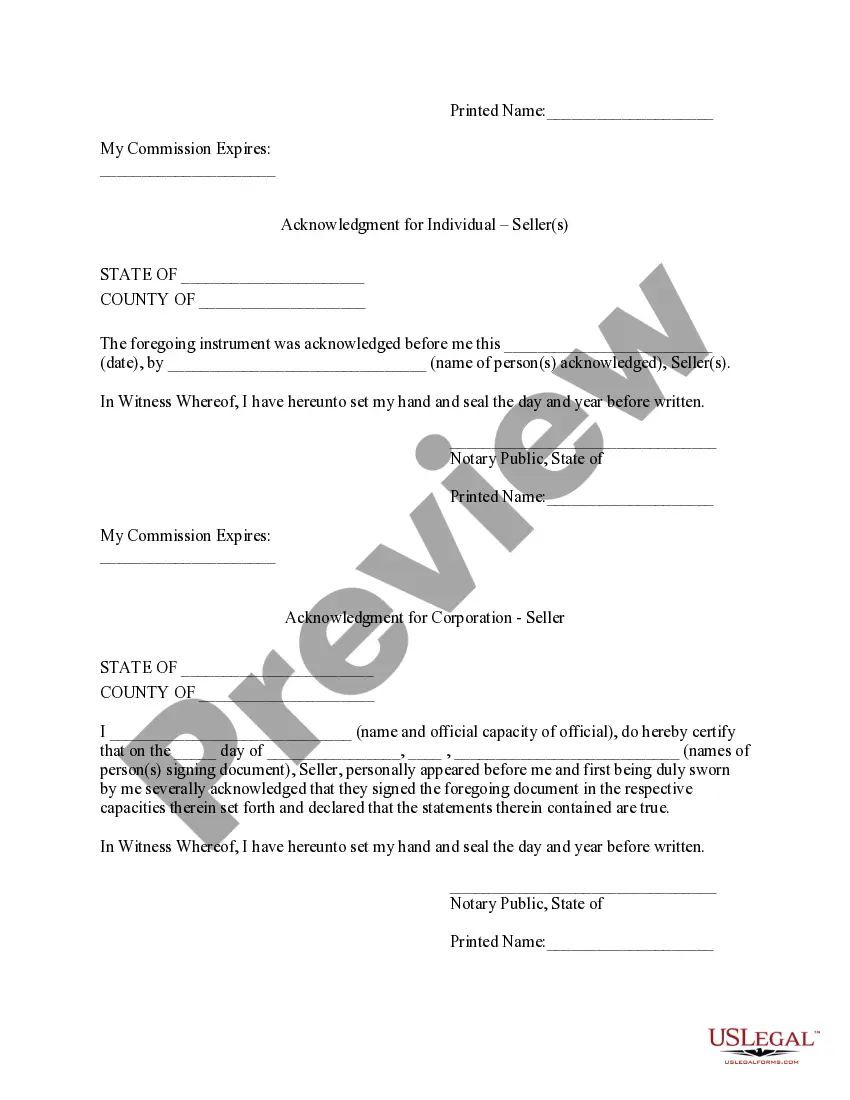

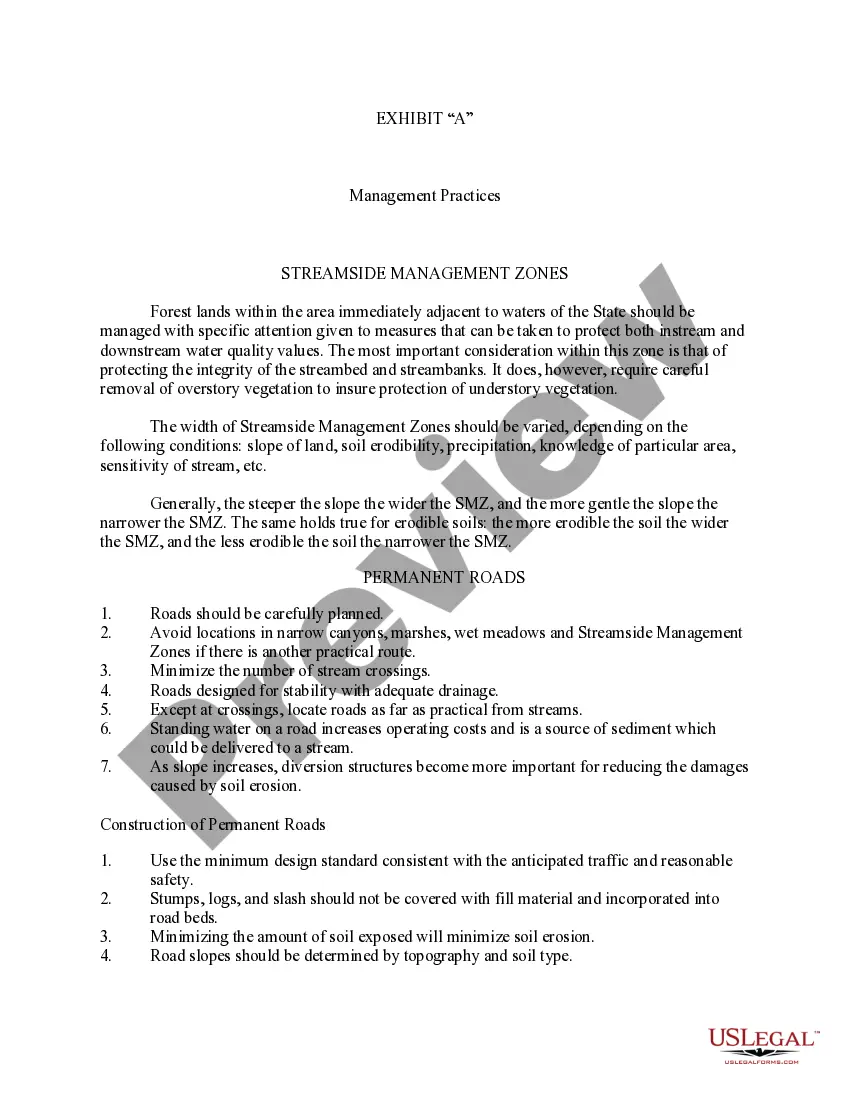
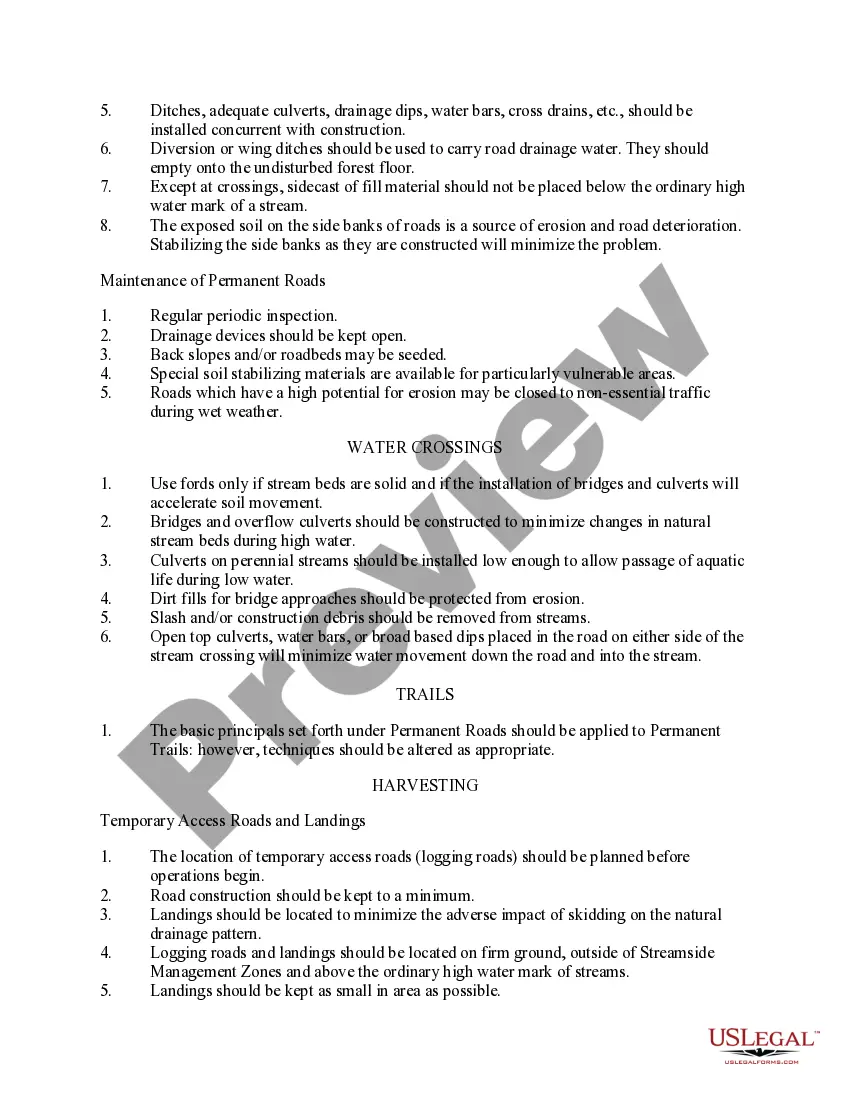
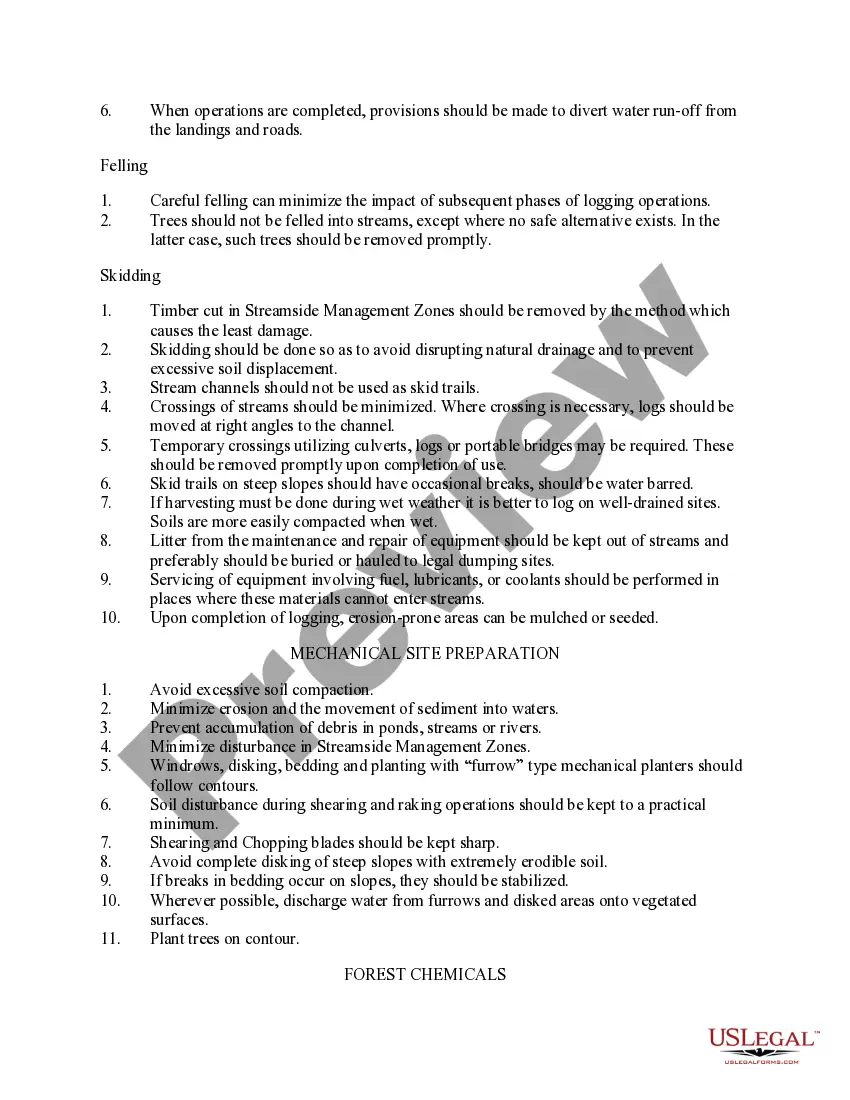

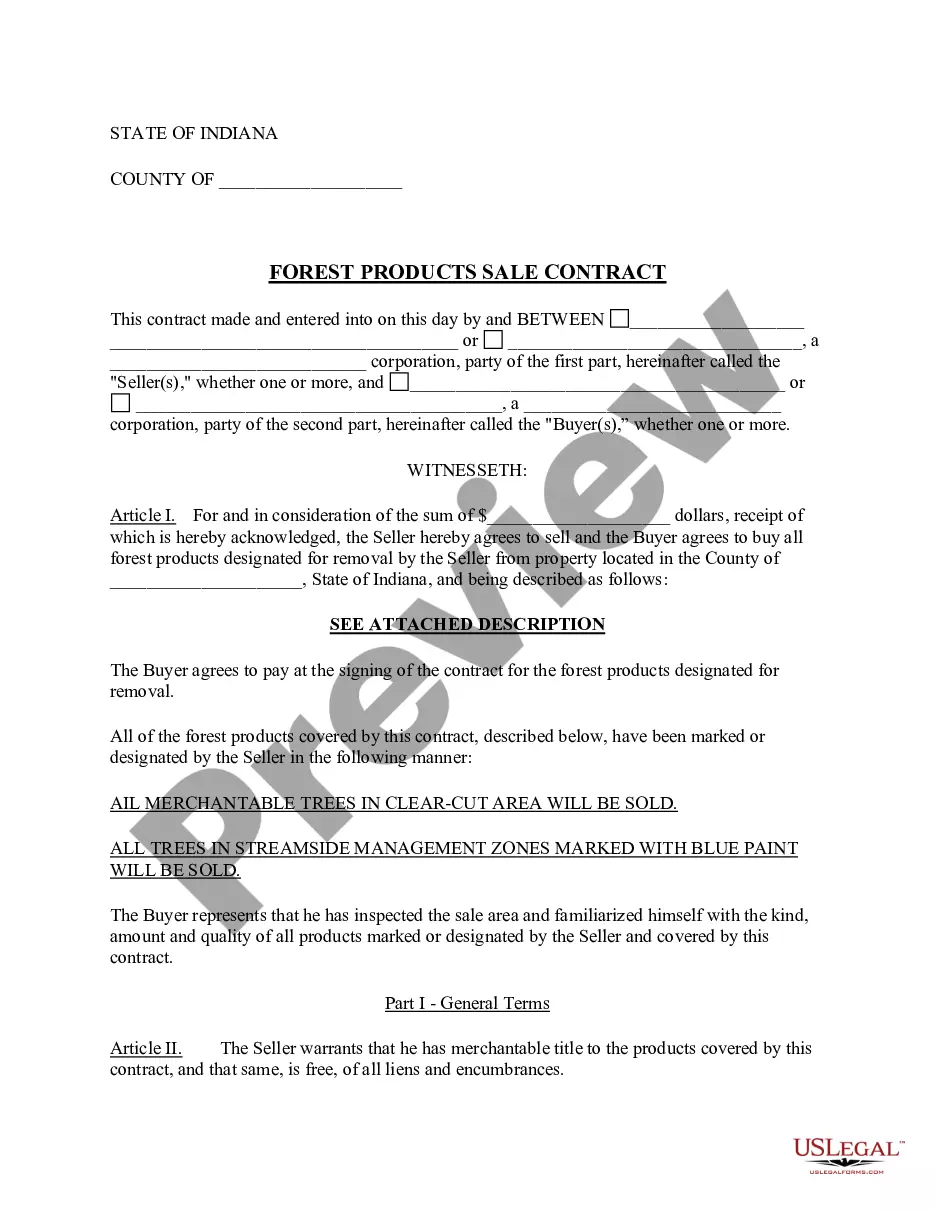
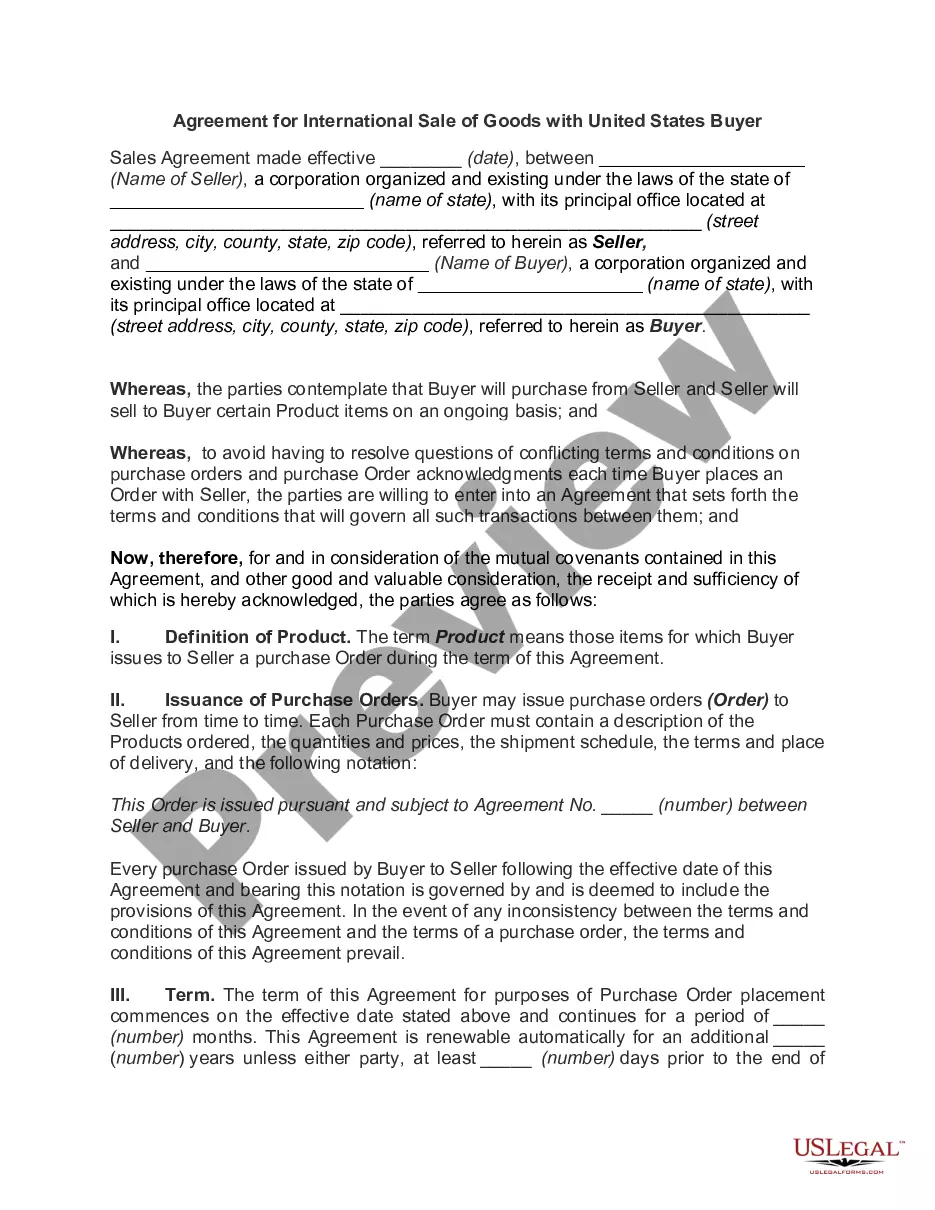
How to fill out Illinois Timber Sale Contract?
We consistently endeavor to reduce or evade legal complications when handling intricate legal or financial matters.
To achieve this, we enlist attorney services which, as a general principle, tend to be quite costly.
Nonetheless, not every legal matter is as complicated; many can be managed on our own.
US Legal Forms is a digital repository of current do-it-yourself legal documents covering everything from wills and power of attorneys to incorporation articles and dissolution petitions.
Simply Log In to your account and select the Get button next to it. If you misplace the document, you can always retrieve it again in the My documents section.
- Our platform empowers you to manage your legal affairs independently, without the requirement of an attorney's services.
- We offer access to legal form templates that may not be readily available to the public.
- Our templates are customized for specific states and regions, making the search process much easier.
- Take advantage of US Legal Forms whenever you need to acquire and download the Chicago Illinois Timber Sale Contract or any other form promptly and securely.
Form popularity
FAQ
The amount of stumpage you pay is based on the timber volumes, species and grades you report and the stumpage rates for your timber. If applicable, the bid you made for your timber licence will be calculated into your stumpage. You can look up stumpage rates using the Harvest Billing System.
To exercise the opportunity for mutual cancellation, the purchaser must submit a request in writing for each timber sale contract the purchaser seeks to cancel. The written request must be received by the BLM within 60 days of the purchaser's receipt of the BLM's letter.
To estimate the value of your timber, take the volume, divided by 1,000, and multiply it by the price quoted in your states standing timber stumpage report.
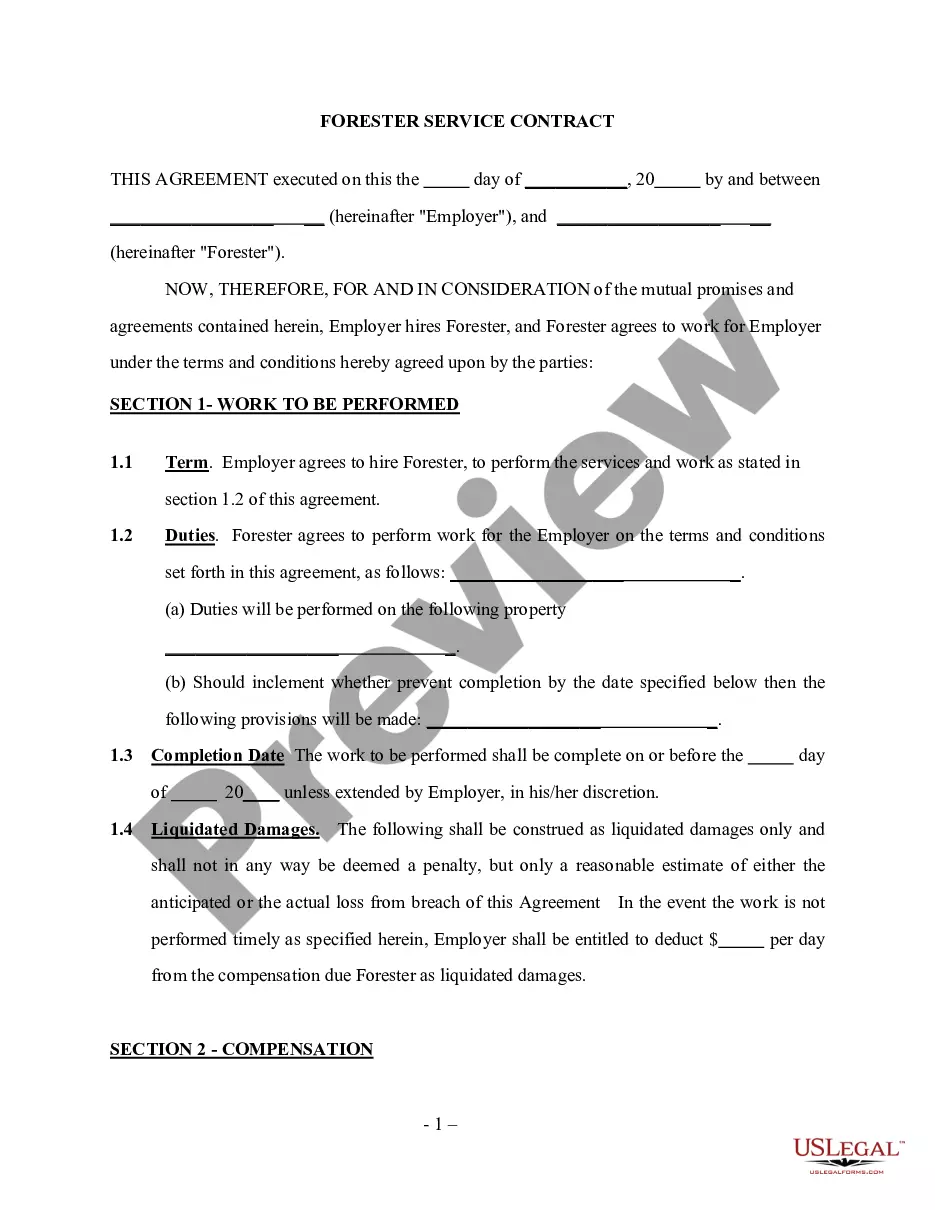
A written timber sale agreement or contract is generally the preferable and safest method of selling timber. A written contract is a legally binding document that protects both the buyer and the seller (the landowner) from misunderstandings that may develop in the absence of such an agreement.
With a stumpage sale, the buyer takes ownership of the timber from the landowner when the trees are harvested. Stumpage rates are proposed by the buyer (typically a logging contractor, forester, or mill) and stumpage paid to the landowner in exchange for the right to harvest their timber.
With a stumpage sale, the buyer takes ownership of the timber from the landowner when the trees are harvested. Stumpage rates are proposed by the buyer (typically a logging contractor, forester, or mill) and stumpage paid to the landowner in exchange for the right to harvest their timber.
A typical timber sale contract usually contains the following: a description of the timber to be sold (estimated volume, number of trees and species), which timber will and will not be cut, the selling price (either lump sum or unit price), terms of payment, the location and boundaries of the sale, and time allowed to
A timber deed is a document that gives a timber company the right to cut the timber off of a specific piece of property. Usually they last anywhere from 1 to 3 years.
A successful timber sale involves the following steps: Step 1: Establish sale/property boundaries. Step 2: Determine and define access. Step 3: Identify trees to cut and appraise value. Step 4: Advertise the sale. Step 5: Execute a written contract. Step 6: Monitor active logging. Step 7: Close out the sale.