Illinois Timber Sale Contract
What this document covers
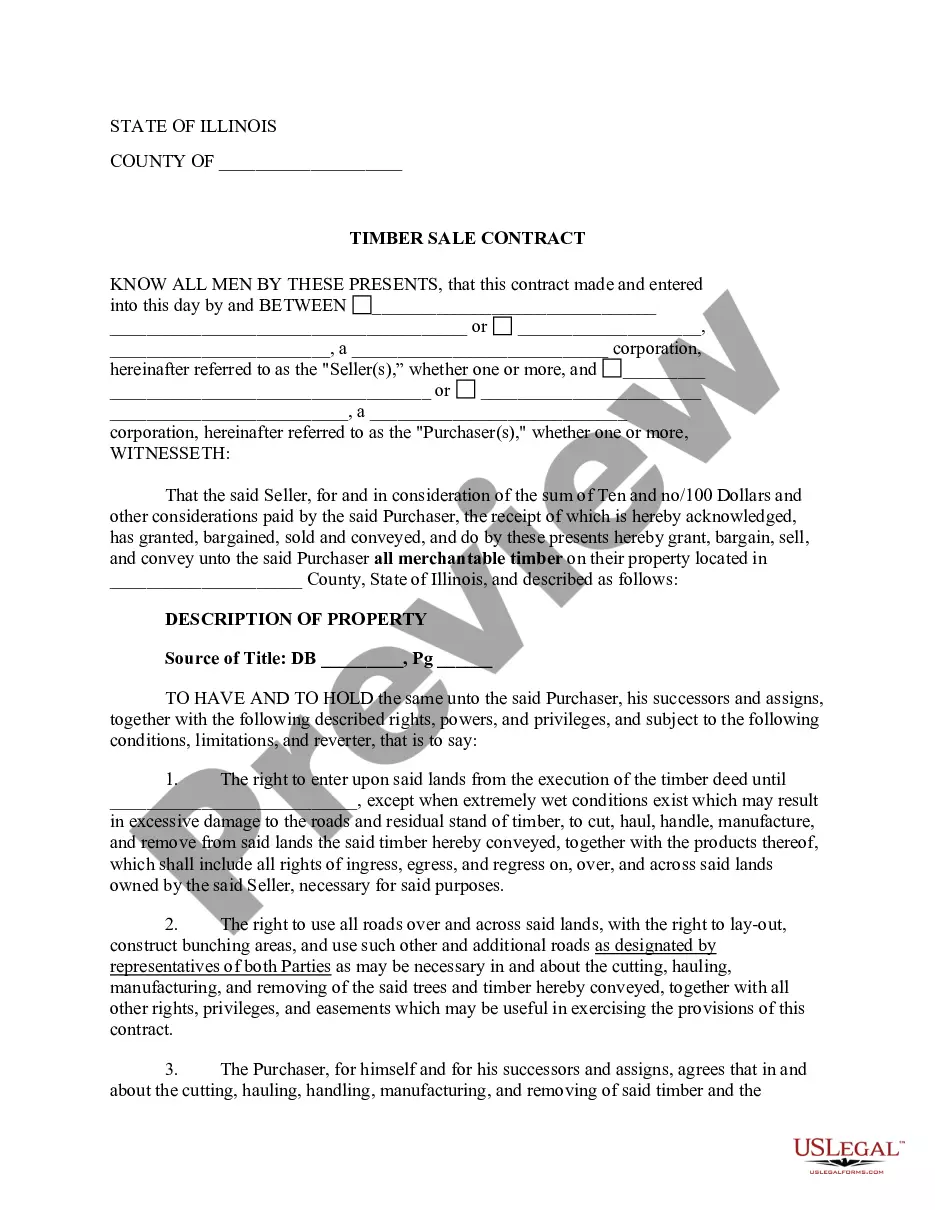
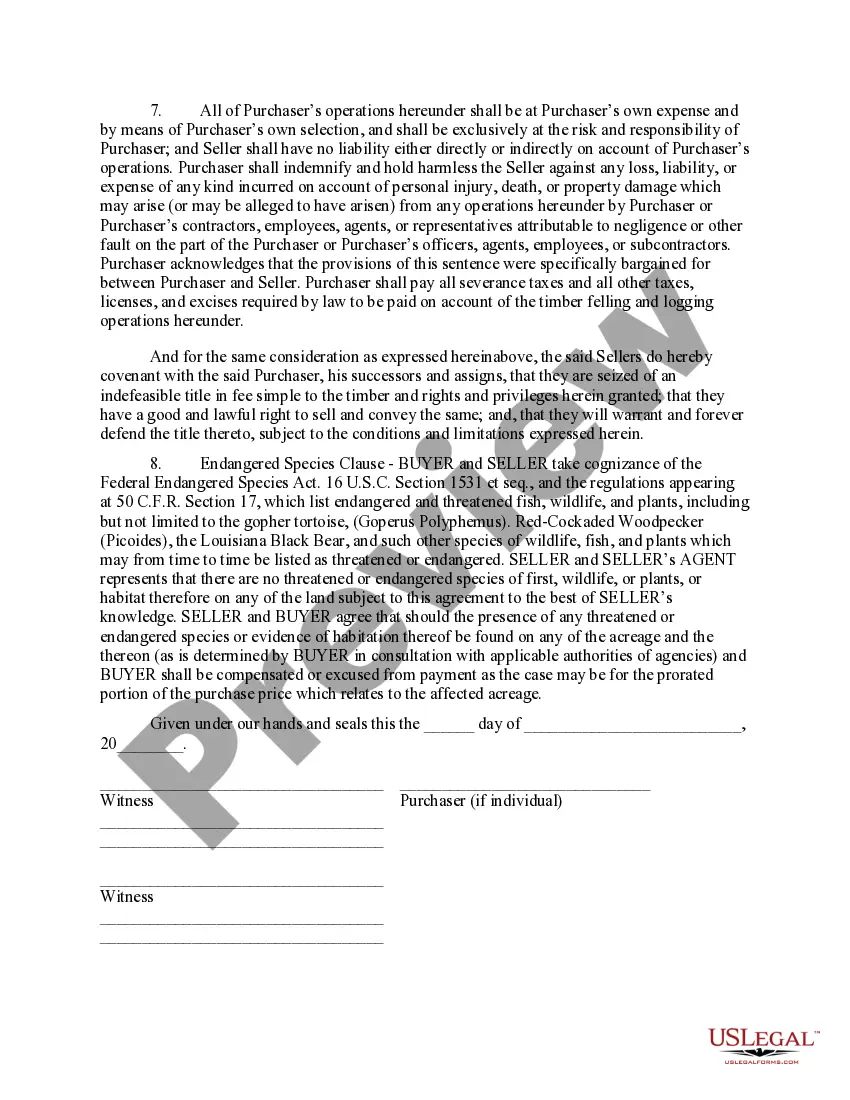
The Illinois Timber Sale Contract is a legal document that facilitates the sale of timber from a seller to a buyer. This contract outlines the rights and responsibilities of both parties, ensuring a clear agreement on the purchase and removal of timber designated for cutting. Unlike general sales agreements, this contract specifically addresses timber sales and includes provisions related to the management and environmental considerations associated with timber harvesting.
Key parts of this document
- Identification of Seller(s) and Purchaser(s): Clearly specifies parties involved in the contract.
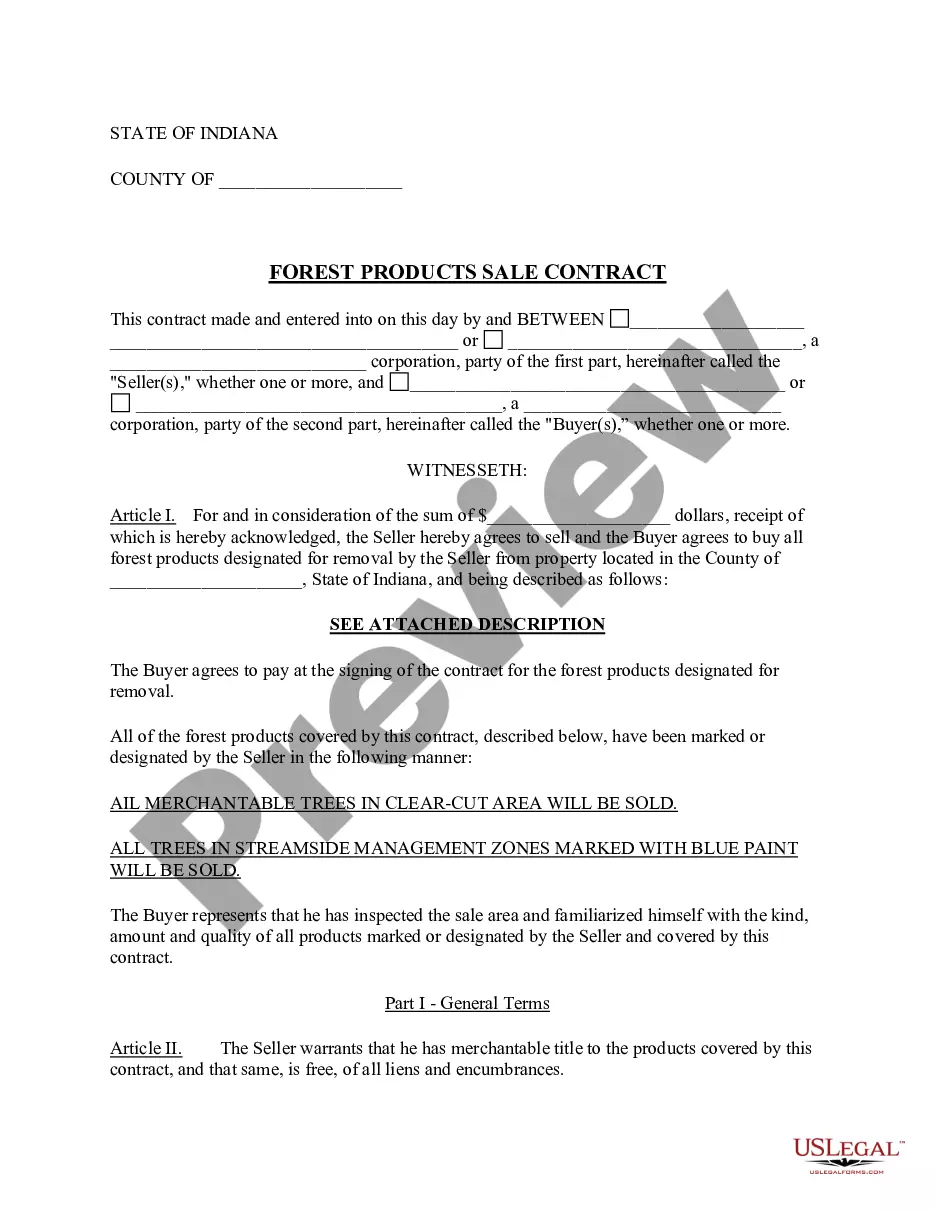
- Description of Timber: Details the merchantable timber to be sold.
- Rights of Access: Grants rights for the buyer to access the seller's property for timber removal.
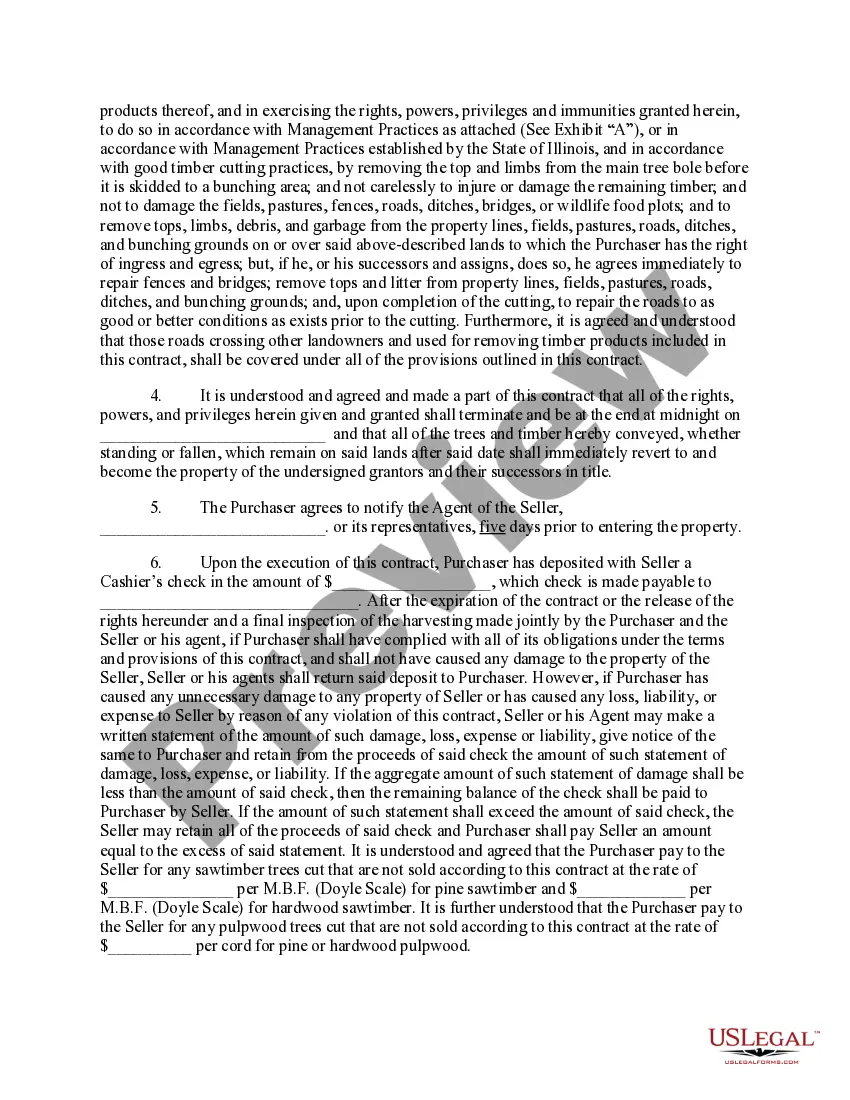
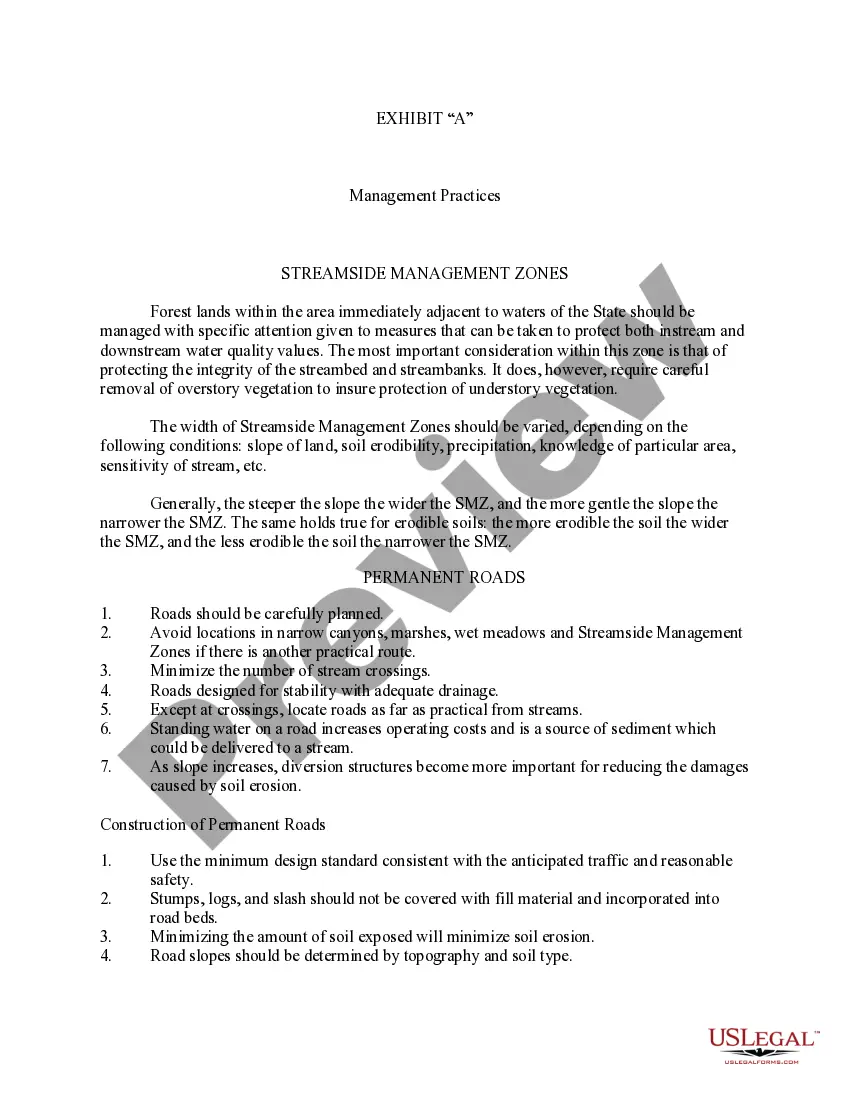
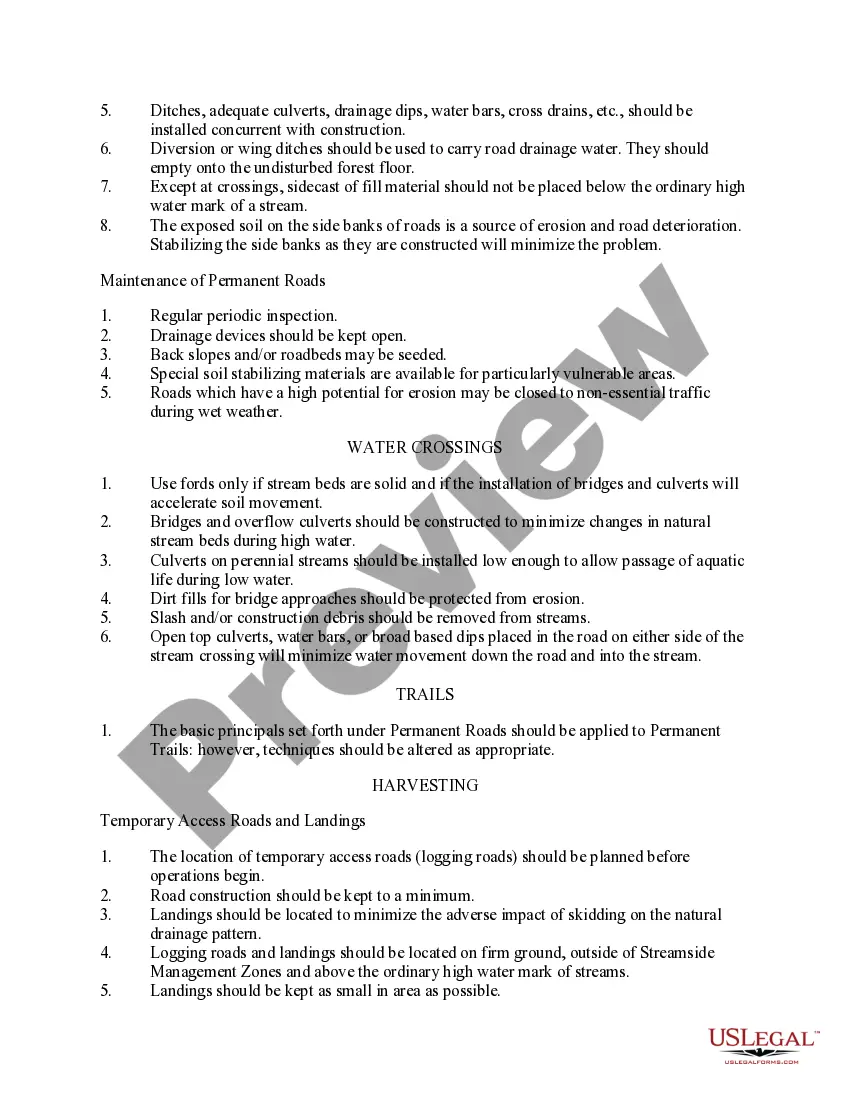
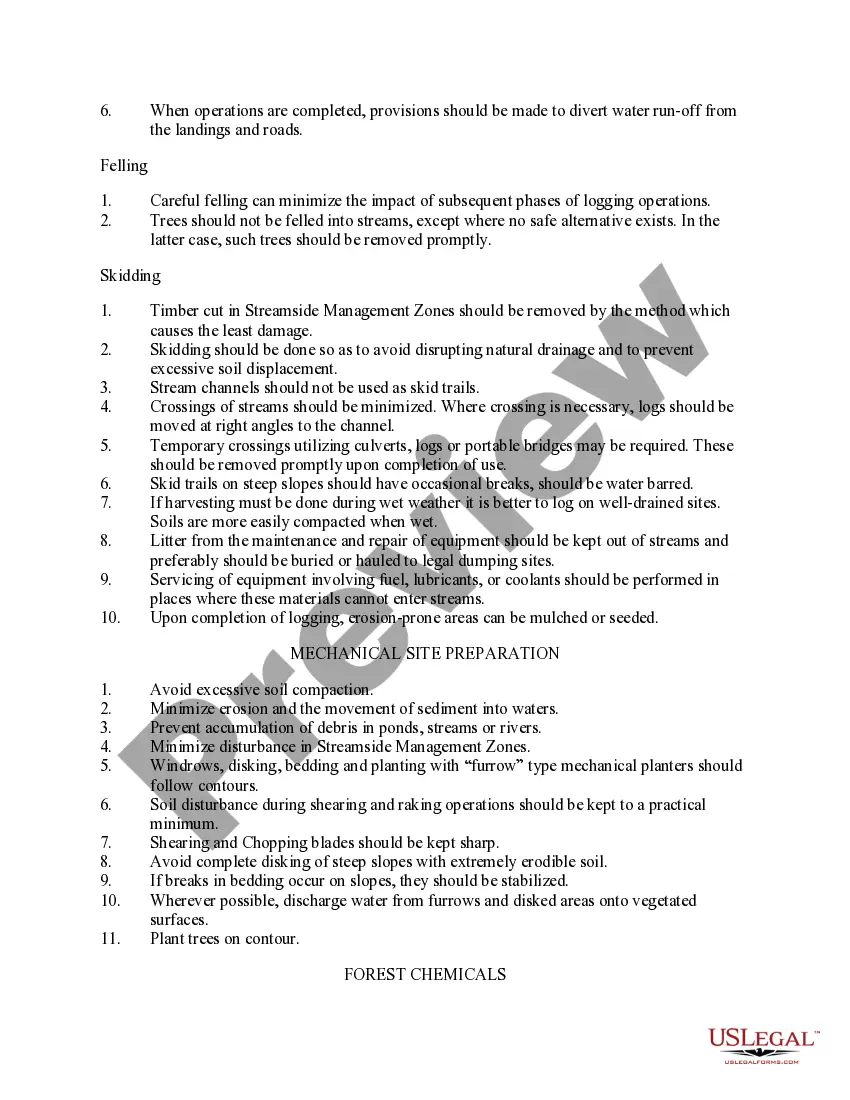
- Management Practices: Includes guidelines for environmentally responsible timber harvesting.
- Deposit and Payment Terms: Defines the financial arrangements, including deposits and payment for timber cut.
- Indemnity Clause: Outlines responsibilities and liabilities for damages that may occur during operations.
- Duration of Contract: Specifies the duration of the rights granted for timber removal.


When to use this form
This form is necessary when a property owner (seller) intends to sell timber to a buyer who will harvest and remove it from the seller's land. Typical scenarios include forest management, land development, or clearing land for agricultural purposes. It is also used to ensure compliance with local regulations regarding land use and natural resource management.
Who should use this form
The following individuals or entities should consider using the Illinois Timber Sale Contract:
- Landowners looking to sell timber from their property.
- Timber buyers or contractors engaged in harvesting timber.
- Forestry professionals advising landowners on timber sales.
- Corporations or businesses involved in land development or forestry management.
Steps to complete this form
- Identify the parties involved by entering the names and addresses of the Seller(s) and Purchaser(s).
- Describe the property where the timber is located, including details such as county and legal descriptions if necessary.
- Specify the amount paid for the timber and any deposit required.
- Include the start and end dates for timber removal in the designated fields.
- Review and sign the form, ensuring that all parties understand and agree to the contract terms.
- Optionally, consult legal counsel for further guidance on the implications of the agreement.
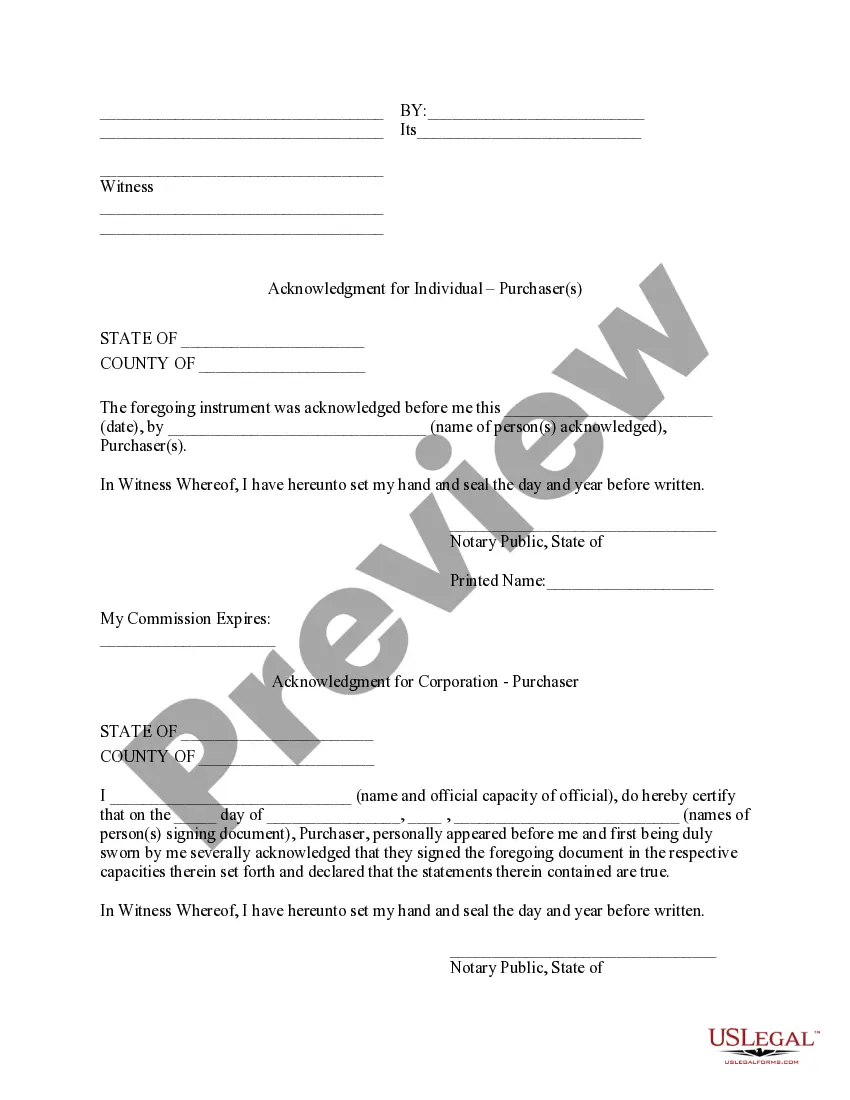
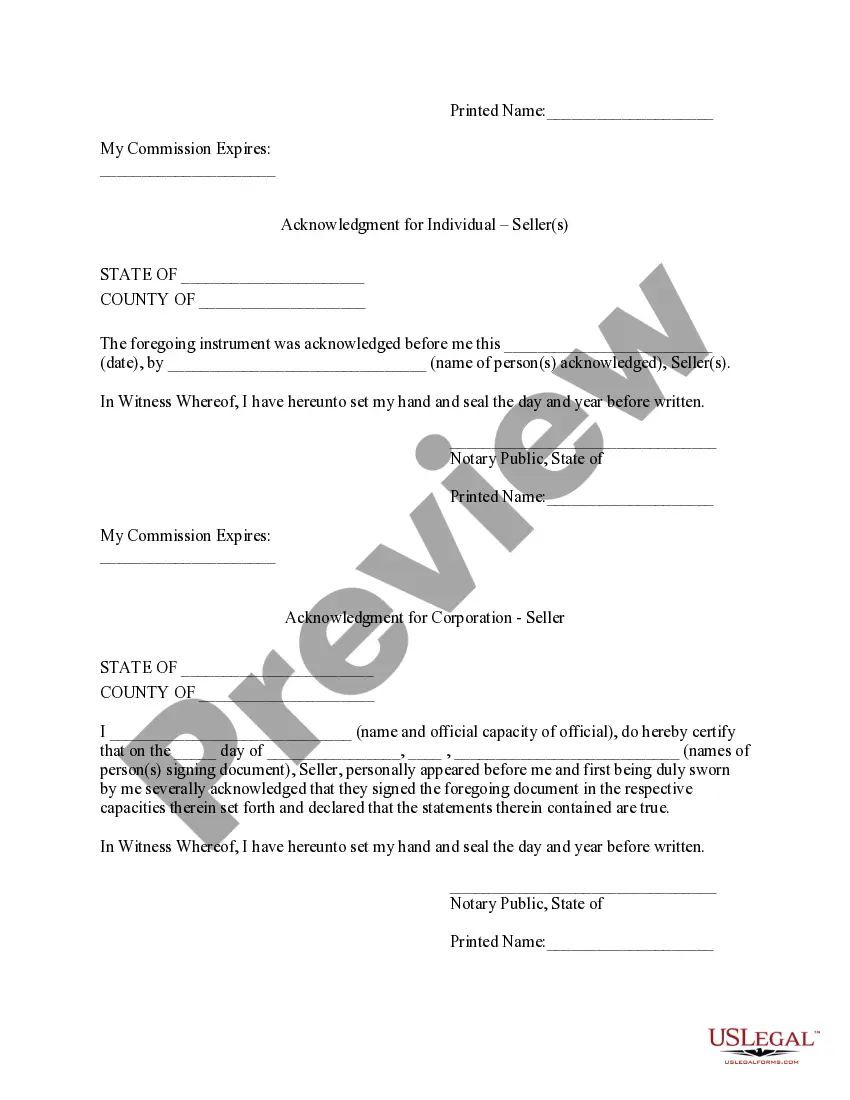
Does this document require notarization?
This form does not typically require notarization unless specified by local law. However, having the contract notarized can add an additional layer of legitimacy, which may be beneficial for recording purposes.
Get your form ready online
Our built-in tools help you complete, sign, share, and store your documents in one place.
Make edits, fill in missing information, and update formatting in US Legal Forms—just like you would in MS Word.
Download a copy, print it, send it by email, or mail it via USPS—whatever works best for your next step.
Sign and collect signatures with our SignNow integration. Send to multiple recipients, set reminders, and more. Go Premium to unlock E-Sign.
If this form requires notarization, complete it online through a secure video call—no need to meet a notary in person or wait for an appointment.
We protect your documents and personal data by following strict security and privacy standards.

Make edits, fill in missing information, and update formatting in US Legal Forms—just like you would in MS Word.

Download a copy, print it, send it by email, or mail it via USPS—whatever works best for your next step.

Sign and collect signatures with our SignNow integration. Send to multiple recipients, set reminders, and more. Go Premium to unlock E-Sign.

If this form requires notarization, complete it online through a secure video call—no need to meet a notary in person or wait for an appointment.

We protect your documents and personal data by following strict security and privacy standards.
Common mistakes to avoid
- Failing to accurately describe the timber being sold, which may lead to disputes.
- Not including specific dates for when timber removal should occur.
- Ignoring environmental management practices that are required under the contract.
- Neglecting to have all parties sign the contract, which can invalidate the agreement.
- Omitting key financial details, such as payment methods or deposit amounts.
Why complete this form online
- Convenience: Easily access and complete the form from anywhere, at any time.
- Editability: Fill in specific details and customize terms as needed before finalizing.
- Reliability: Ensures compliance with Illinois state requirements through an accurate template.
Legal use & context
- The contract serves as a binding agreement that protects the rights of both the seller and buyer.
- Properly executed contracts reduce the risk of future legal disputes related to timber rights.
- Compliance with state forestry laws enhances sustainability and environmental responsibility of timber harvesting.
Key takeaways
- The Illinois Timber Sale Contract is vital for legally transferring timber rights.
- Accurate completion and notarization of the contract are essential for enforceability.
- This form protects both parties and establishes clear expectations regarding timber harvesting practices.
Looking for another form?





Form popularity
FAQ
In it and would fetch about $500 dollars delivered to a sawmill. The top log in the pile and the second log up in the tree has about 200 bf. in it and would be worth about $175. Most high-dollar logs are veneer-quality logs.
The total volume of the tree would be 225 board feet. The value of this tree would be $195.00 for an average of $866.00 per thousand board feet. A fourteen inch Red Oak with a grade 3 rating would be worth $12.00 for an average price per thousand board feet of $265.00.
To estimate the value of your timber, take the volume, divided by 1,000, and multiply it by the price quoted in your states standing timber stumpage report.
Depending on the type of trees and the market when the timber is sold, you could earn $500 to $2000 per acre (at $1500, you would be looking at $60 per year in income if you were to annualize it over 25 years).
For these reasons, it's not uncommon for a tree grower to net $40,000 to $60,000 per acre every year producing high quality trees that are healthy and bring premium prices in the marketplace.
The average stumpage price is $300/MBF, or $1,800 per acre total value.
The term "timber sale" is used to refer to any significant harvest of wood products involving an exchange of monies. Timber sales may involve sales of trees used to make lumber (sawtimber), fuelwood, whole tree chips, pulp, or any combination of these products.
Even though selling a tree in your yard is not an easy thing to do, it is not impossible.Consult a tree identification book to identify the tree or check with your county forester. You will have a better chance of selling if it is a valuable species in your area. It is also good to have more than one tree.
Timber has been one of the most consistent investments over time, and a great hedge against inflation. According to value investor Jeremy Grantham, it's risen 3% more than inflation for more than 90 years. Timberland has also beaten the stock market over the long run, and with less volatility.