Jacksonville Florida Indemnity Agreement
Description
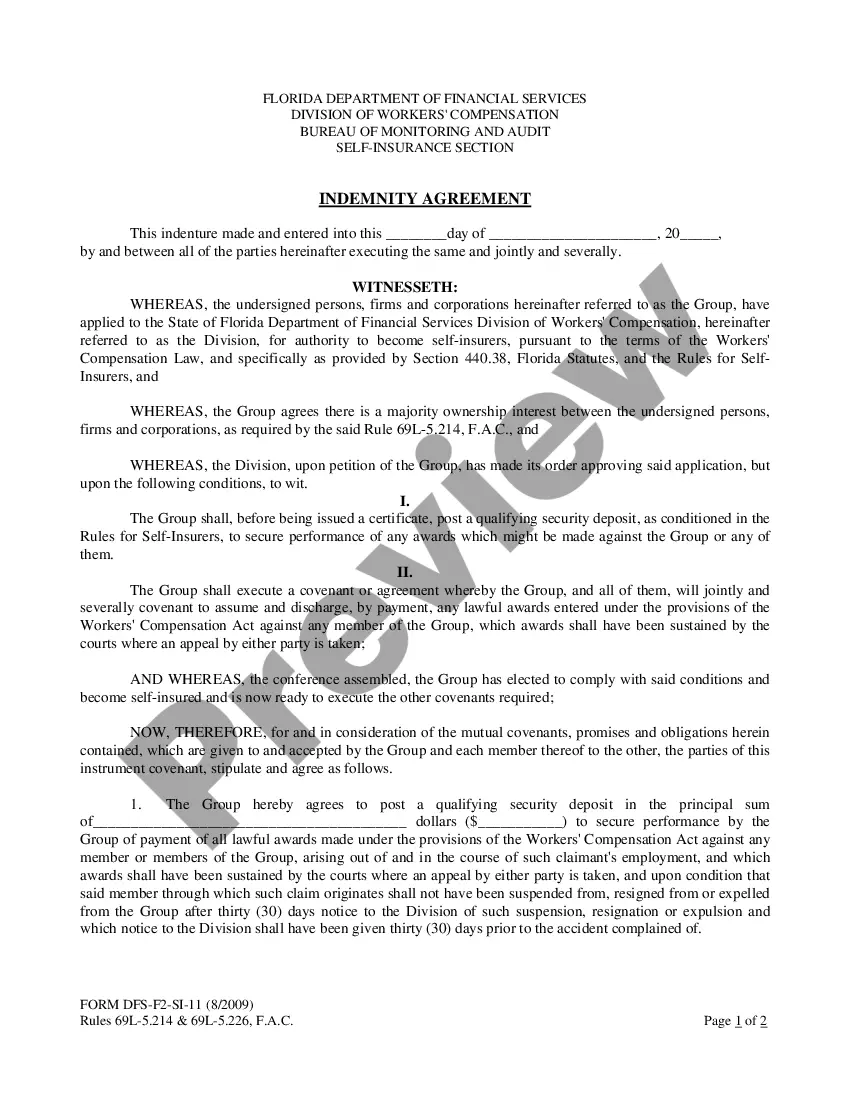
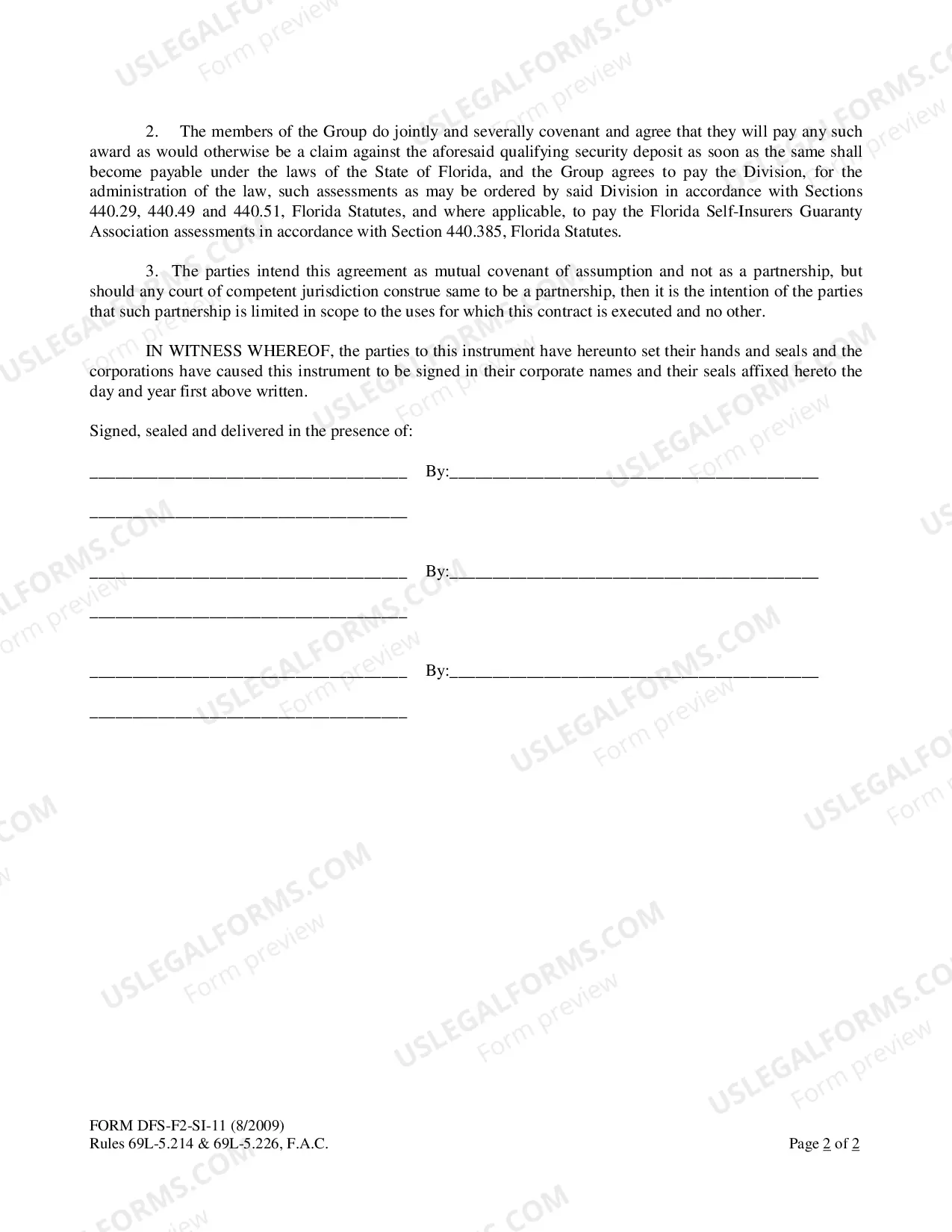
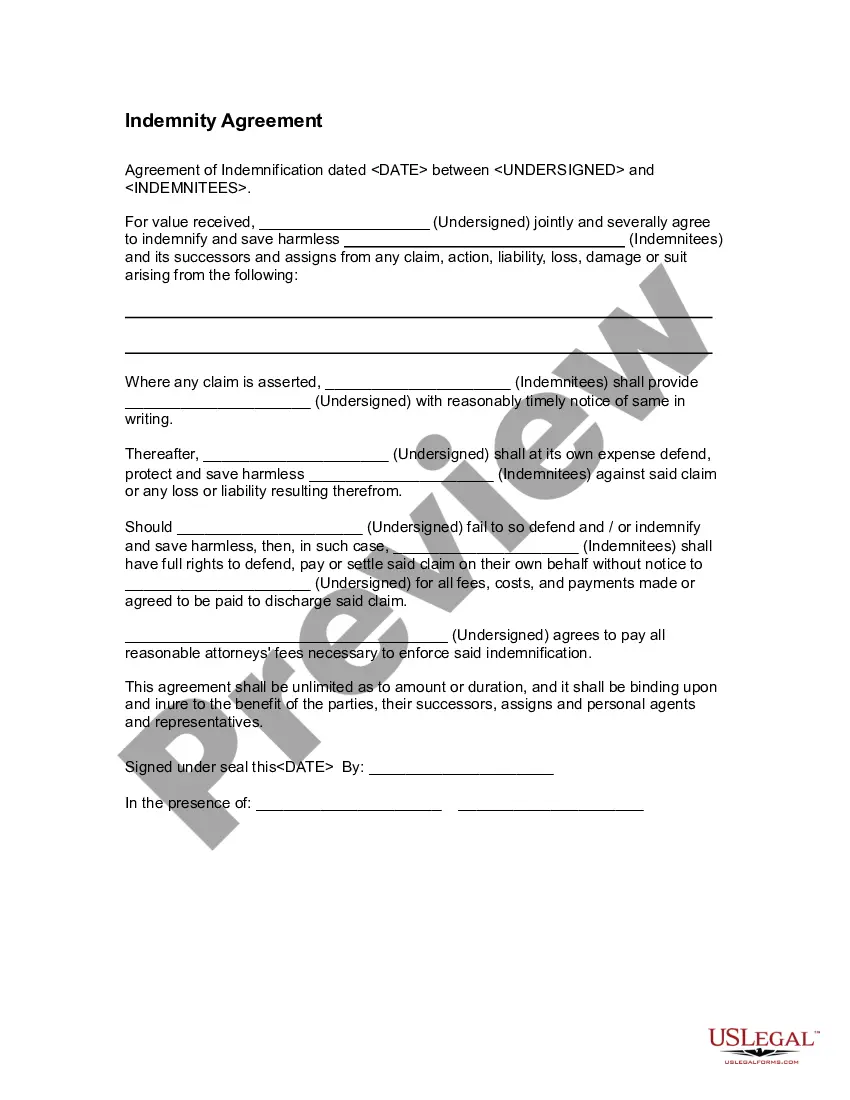
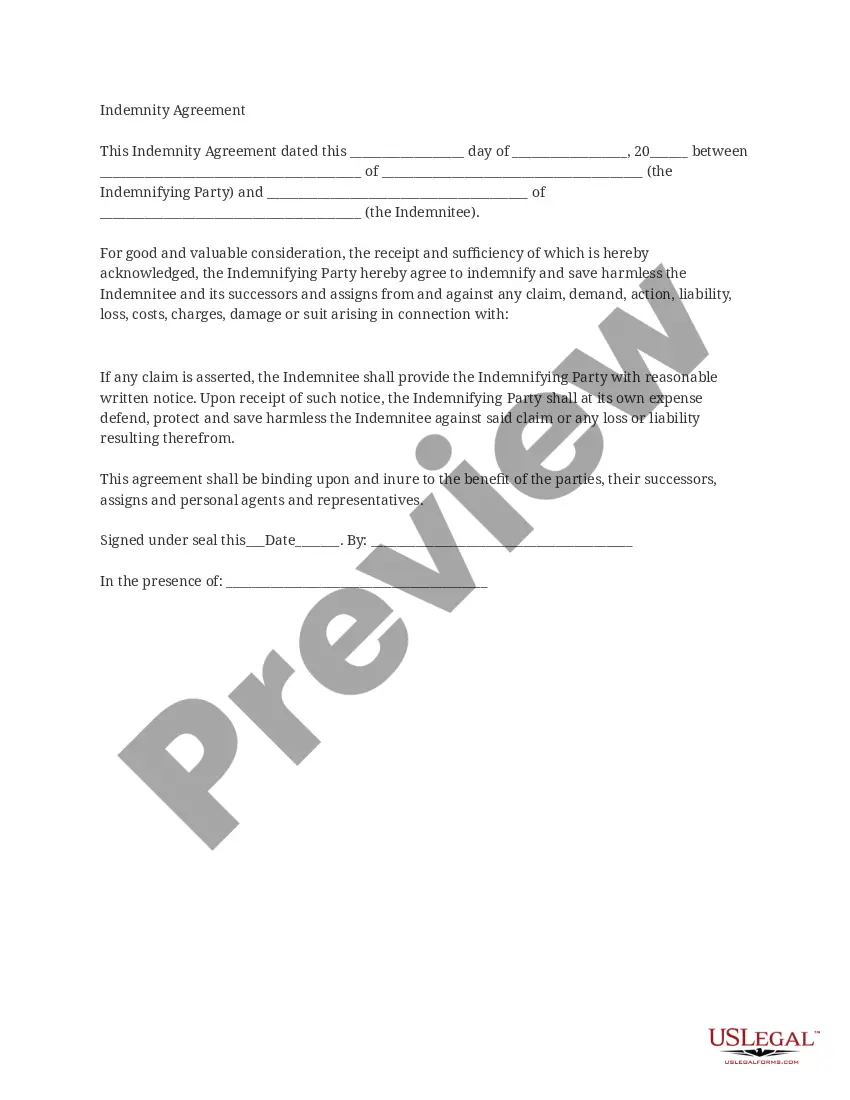
Get your form ready online
Our built-in tools help you complete, sign, share, and store your documents in one place.
Make edits, fill in missing information, and update formatting in US Legal Forms—just like you would in MS Word.
Download a copy, print it, send it by email, or mail it via USPS—whatever works best for your next step.
Sign and collect signatures with our SignNow integration. Send to multiple recipients, set reminders, and more. Go Premium to unlock E-Sign.
If this form requires notarization, complete it online through a secure video call—no need to meet a notary in person or wait for an appointment.
We protect your documents and personal data by following strict security and privacy standards.

Make edits, fill in missing information, and update formatting in US Legal Forms—just like you would in MS Word.

Download a copy, print it, send it by email, or mail it via USPS—whatever works best for your next step.

Sign and collect signatures with our SignNow integration. Send to multiple recipients, set reminders, and more. Go Premium to unlock E-Sign.

If this form requires notarization, complete it online through a secure video call—no need to meet a notary in person or wait for an appointment.

We protect your documents and personal data by following strict security and privacy standards.
Looking for another form?
How to fill out Florida Indemnity Agreement?
Utilize the US Legal Forms and obtain immediate access to any template you require.
Our practical website featuring a vast array of documents streamlines the process of locating and acquiring nearly any document example you might need.
You can store, complete, and verify the Jacksonville Florida Indemnity Agreement in just a few minutes instead of spending hours online searching for the correct template.
Using our catalog is a superb method to enhance the security of your record submissions.
How do you access the Jacksonville Florida Indemnity Agreement? If you possess a subscription, simply Log In to your account. The Download option will be activated on all the samples you view. Additionally, you can retrieve all the previously saved documents in the My documents section.
If you haven’t registered an account yet, follow the steps below.
- Our expert lawyers routinely examine all the documents to ensure that the templates are suitable for a specific state and adhere to current statutes and regulations.
Form popularity
FAQ
Indemnification, also referred to as indemnity, is an undertaking by one party (the indemnifying party) to compensate the other party (the indemnified party) for certain costs and expenses, typically stemming from third-party claims.
In most cases, a hold harmless agreement is binding and legally enforceable. Business owners should include specific language in their contract, stipulating a release of liability from lawsuits that occur as a result of negligence.
To be valid and enforceable, liability waivers in Florida must contain language that is clearly written, unequivocal, unambiguous and specific on the risks and rights being waived by the signee.
Hold harmless is defined as a promise in a contract, by one party not to hold the other party responsible if the other party carries out the contract in a way that causes damage to the first party.
Hold harmless agreements are generally valid in Florida. However, whether you can still sue for damages depends on the specific language in the agreement. Suppose a hold harmless agreement does not specifically stipulate that a property owner cannot be held liable for negligence or negligent actions.
Enforceability of Hold Harmless Agreements The general answer is yes, that these documents signing away your right to sue for negligence are legally enforceable.
A hold harmless clause is used as a release of liability in a contract that protects one party from injury or property damage caused by another party. By signing the clause, the other party is agreeing not to hold business owners legally responsible for the risks involved in certain services.
Indemnification provisions are generally enforceable. There are certain exceptions however. Indemnifications that require a party to indemnify another party for any claim irrespective of fault ('broad form' or 'no fault' indemnities) generally have been found to violate public policy.
An indemnity contract obligates one party (the indemnitor) to reimburse another party (the indemnitee) for a loss suffered and to save him harmless from liability. Indemnity provisions are frequently found in everything from business contracts to contracts between counties and third-party healthcare providers.
A hold harmless agreement protects business owners from being sued when someone suffers damage, bodily injury, or financial loss on business property or while a service is being provided.