Rancho Cucamonga California Assignment to Living Trust
Description
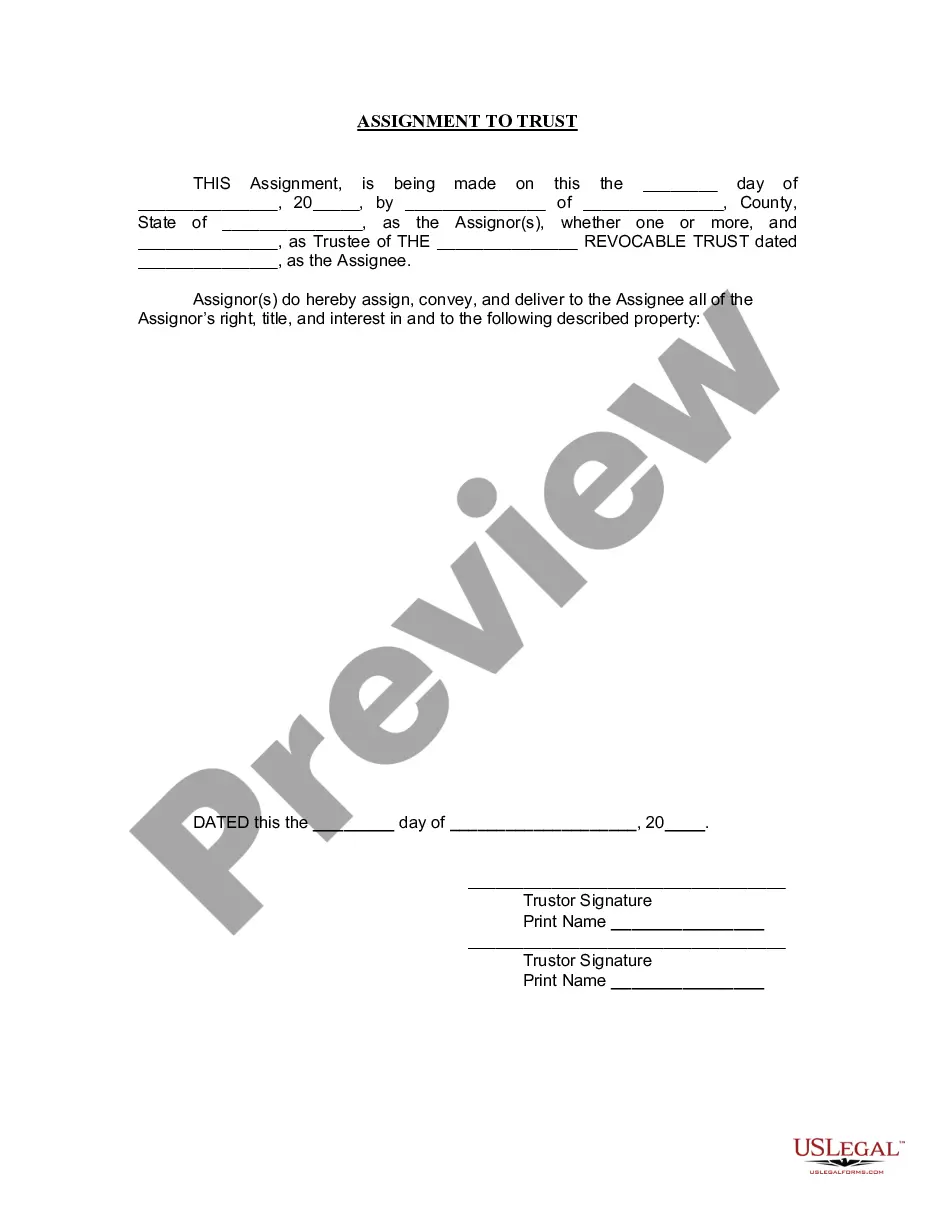
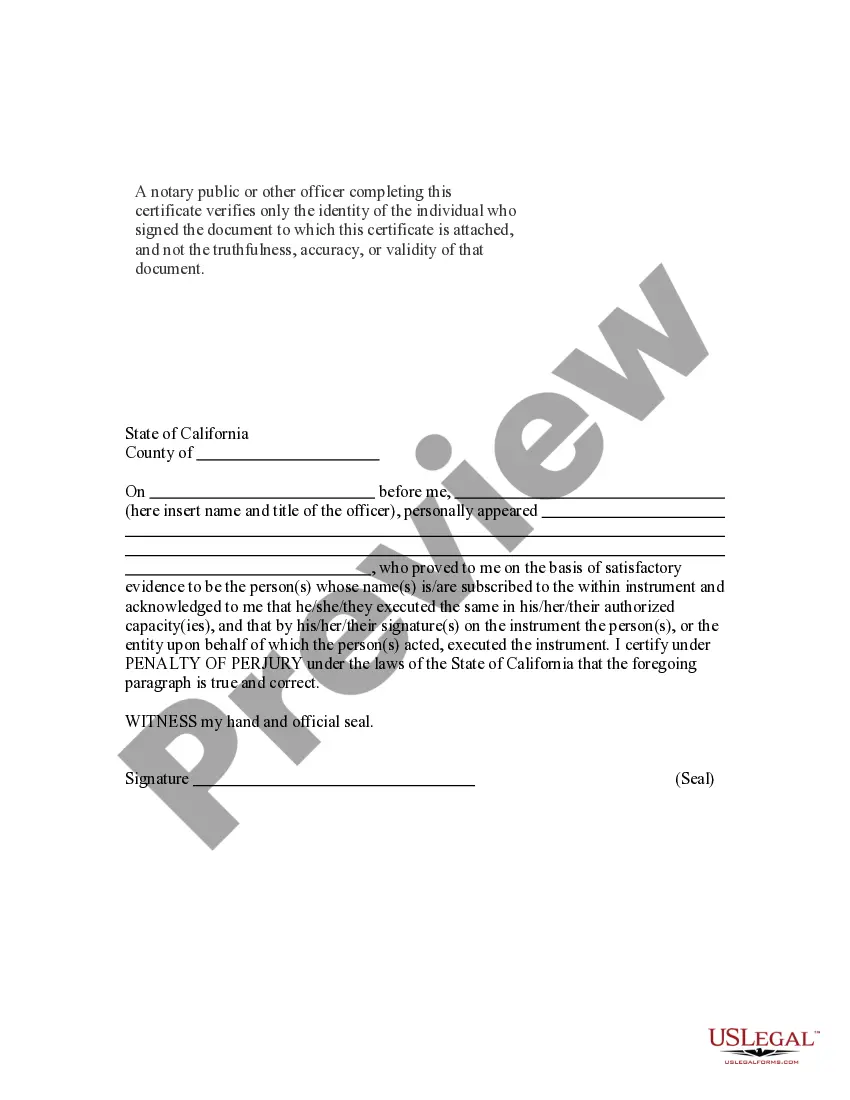
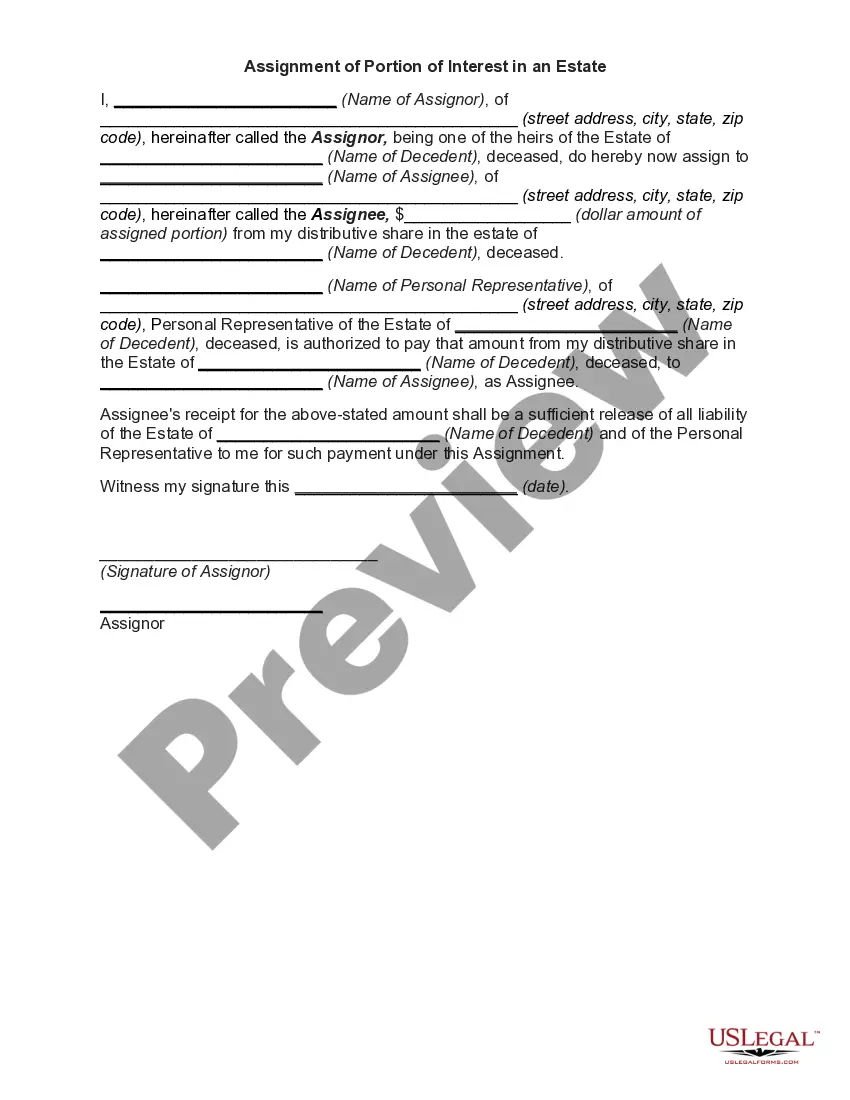
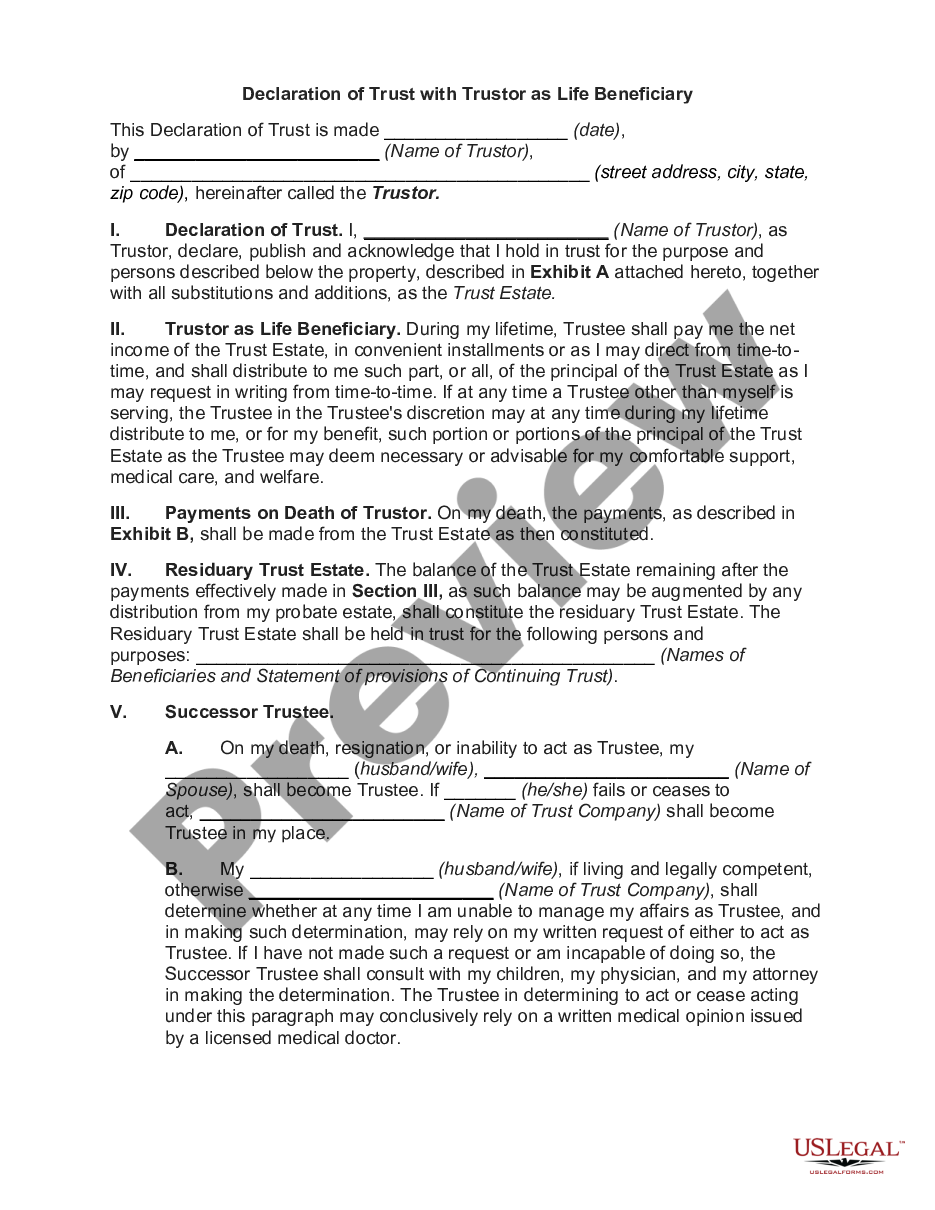
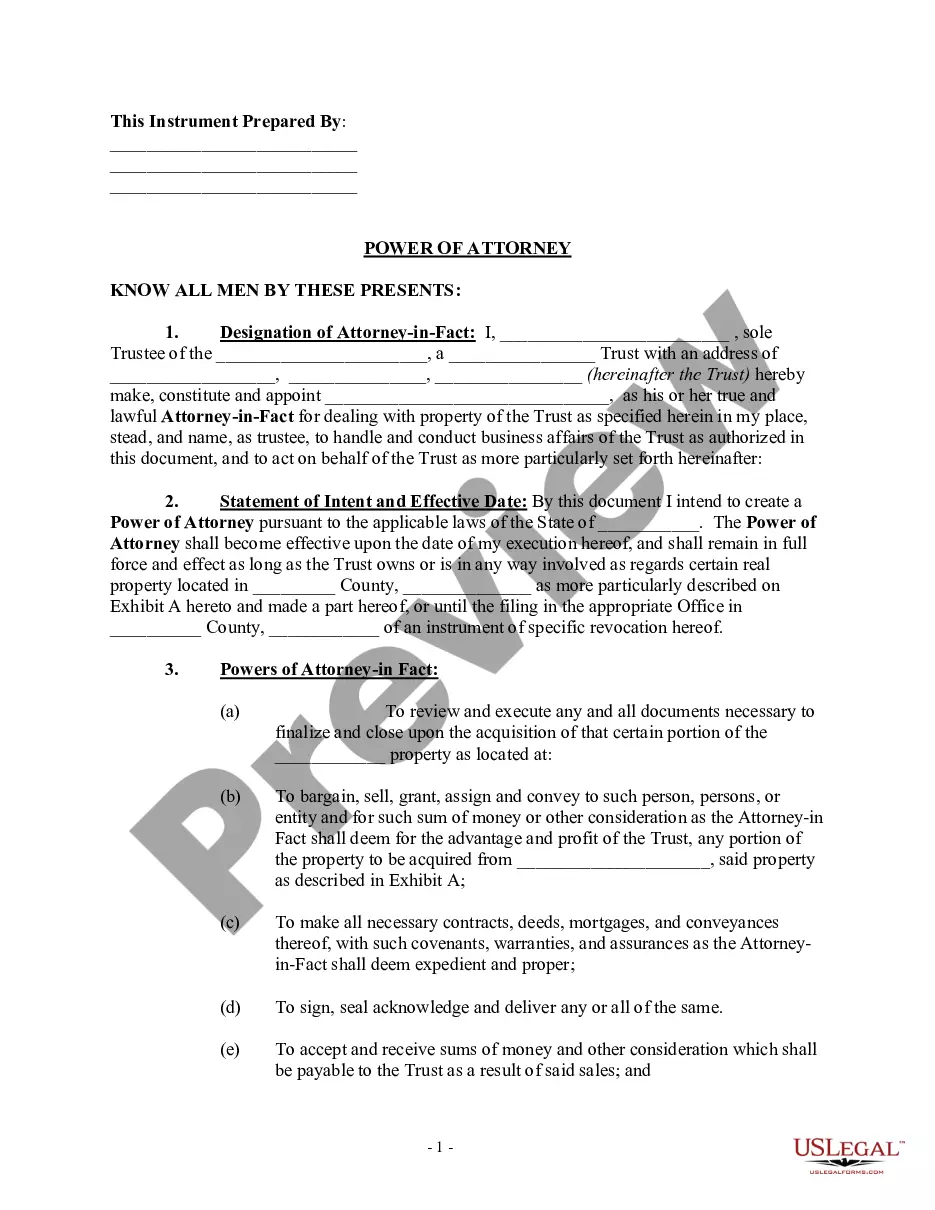
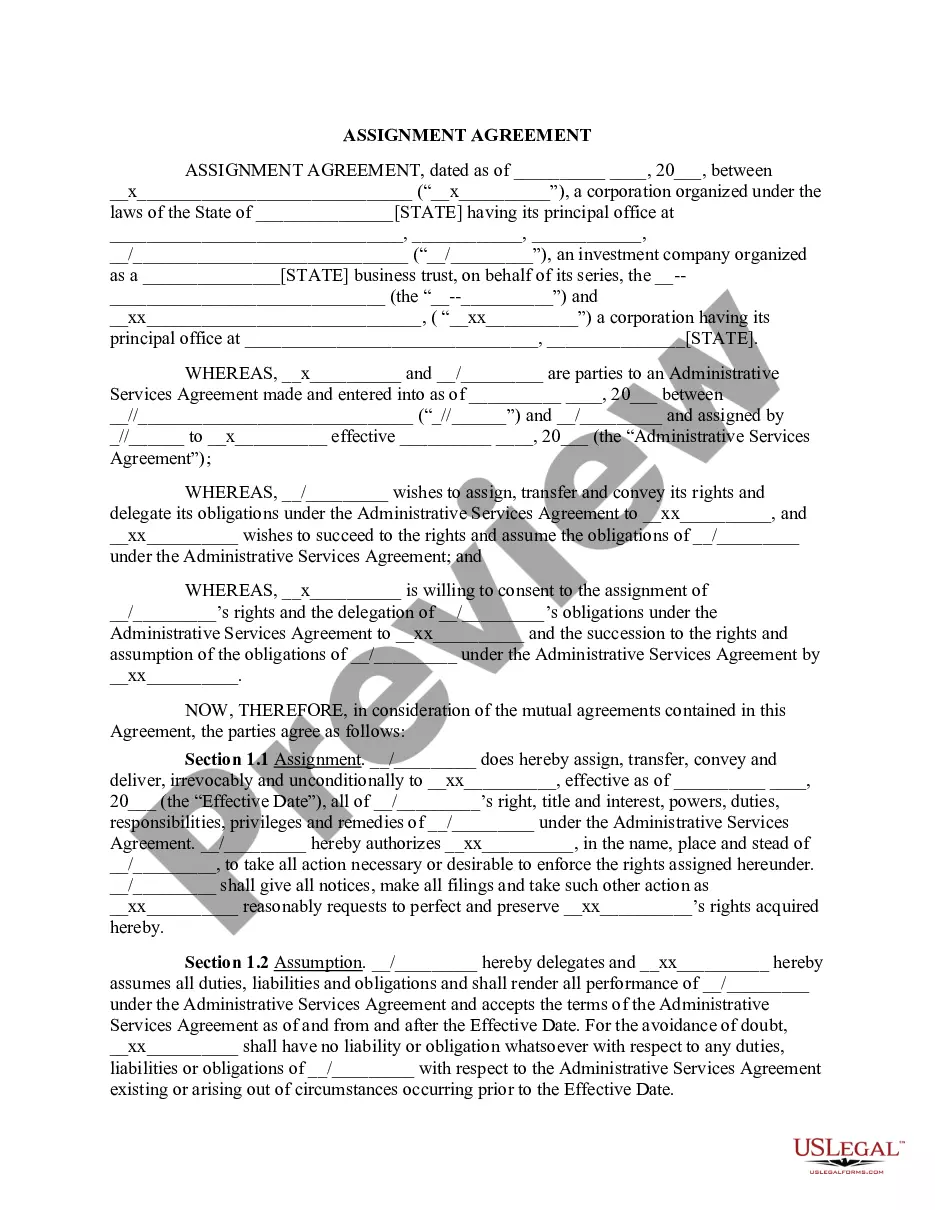
How to fill out California Assignment To Living Trust?
We consistently aim to reduce or evade legal repercussions when engaging with intricate legal or financial matters.
To achieve this, we seek legal services that are typically quite costly.
Nevertheless, not every legal issue is equally complicated. The majority can be managed independently.
US Legal Forms is a digital repository of current do-it-yourself legal documents covering various topics from wills and powers of attorney to incorporation articles and dissolution petitions.
Simply Log In to your account and click the Get button adjacent to it. If you misplace the document, you can always download it again in the My documents tab.
- Our platform enables you to handle your legal matters autonomously without the need for an attorney's assistance.
- We offer access to legal form templates that may not always be publicly available.
- Our templates are tailored to specific states and regions, greatly simplifying the search process.
- Benefit from US Legal Forms whenever you need to locate and download the Rancho Cucamonga California Assignment to Living Trust or any other form swiftly and securely.
Form popularity
FAQ
Yes, you can write your own living trust in California, but this can be a complicated process and may lead to mistakes. It’s advisable to use professional services, such as US Legal Forms, to ensure your Rancho Cucamonga California Assignment to Living Trust is correctly drafted and meets legal requirements for maximum effectiveness.
A family trust can sometimes create an illusion of asset protection while still exposing assets to claims. Additionally, complexities may arise when distributing assets among family members. Understanding these potential disadvantages is crucial when considering the Rancho Cucamonga California Assignment to Living Trust.
In California, living trusts do not require formal recording, unlike other legal documents. However, important assets must be transferred into the trust to be effective. For a Rancho Cucamonga California Assignment to Living Trust, ensure you consult with a legal expert who can guide you through the asset transfer process and answer specific questions.
Common pitfalls include inadequate funding and failing to update the trust as circumstances change. This can result in family disputes or unmanaged assets. To avoid such problems with your Rancho Cucamonga California Assignment to Living Trust, thorough planning and regular reviews are essential.
While trusts provide many benefits, they can also bring complexities, especially if they are not correctly managed. A negative aspect is the potential for high administrative costs and ongoing maintenance fees. Evaluating whether a Rancho Cucamonga California Assignment to Living Trust suits your needs can help minimize these issues.
One of the biggest mistakes parents make is not clearly defining their intentions for that trust. It is vital to ensure that the terms and provisions of the trust align with their wishes. For those considering a Rancho Cucamonga California Assignment to Living Trust, focusing on communication and clarity can prevent misunderstandings and disputes.
The best way to transfer property title between family members often involves using a quitclaim deed or a warranty deed, depending on the circumstances. This process allows you to convey ownership without the need for a lengthy legal battle. If you are considering a Rancho Cucamonga California Assignment to Living Trust, incorporating property transfers into your estate plan can simplify future transitions and ensure that your family is taken care of.
In California, a trust can avoid property tax reassessment if it meets specific criteria, often tied to the transfer of property among family members or into a living trust. When you assign your property to a Rancho Cucamonga California Assignment to Living Trust, it’s crucial to ensure that the transfer qualifies under the existing laws, which can help maintain the current property tax base. Consulting with a tax professional can provide further clarity on how to navigate these regulations.
To transfer property to a living trust in California, you need to execute a deed that clearly states the property is being transferred into the trust. This typically involves preparing a new deed, signing it in front of a notary, and then recording it with the county recorder’s office. Keep in mind that you should review the terms of your Rancho Cucamonga California Assignment to Living Trust to ensure it is properly funded.
Establishing a Rancho Cucamonga California Assignment to Living Trust can have a few disadvantages. First, you may incur upfront costs related to setting up the trust, which could include legal fees. Additionally, if you do not properly fund the trust by transferring assets into it, your estate plan may not work as intended. Finally, if you want to make changes to the trust later, that process can also be complex and time-consuming.