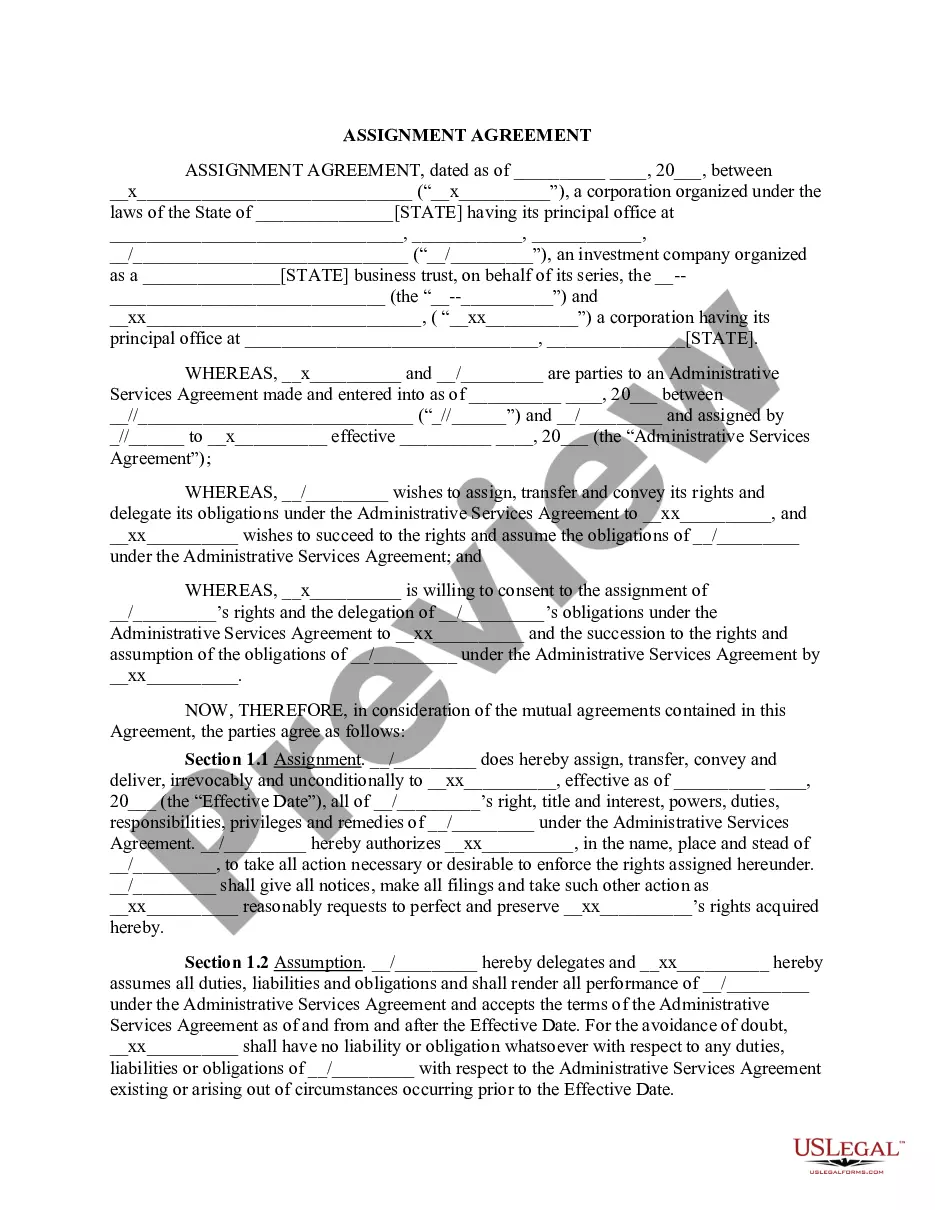
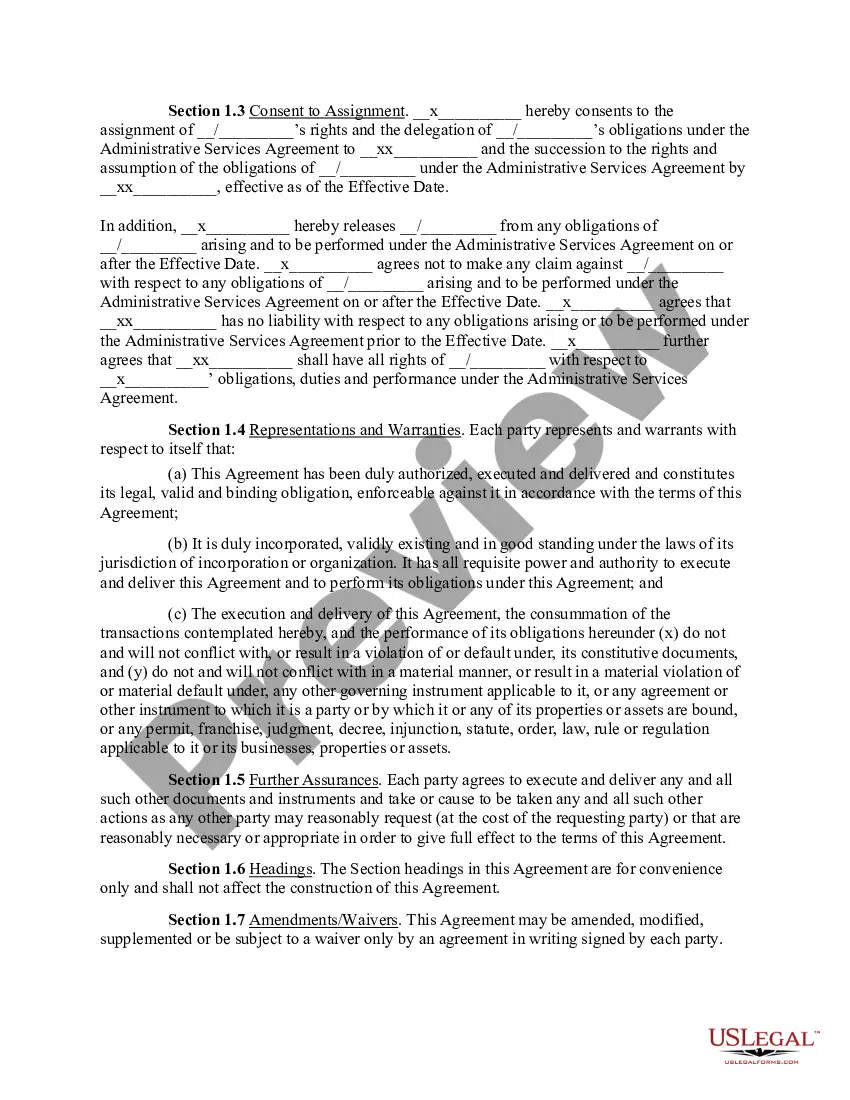
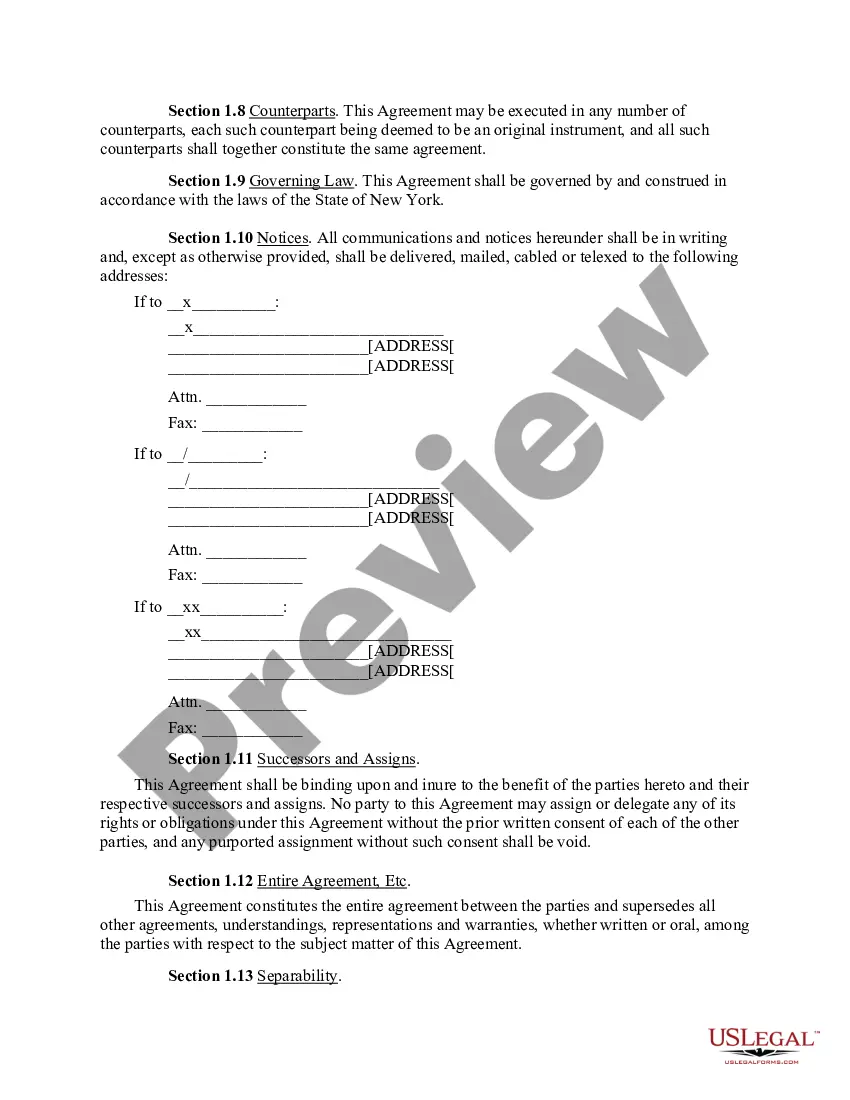
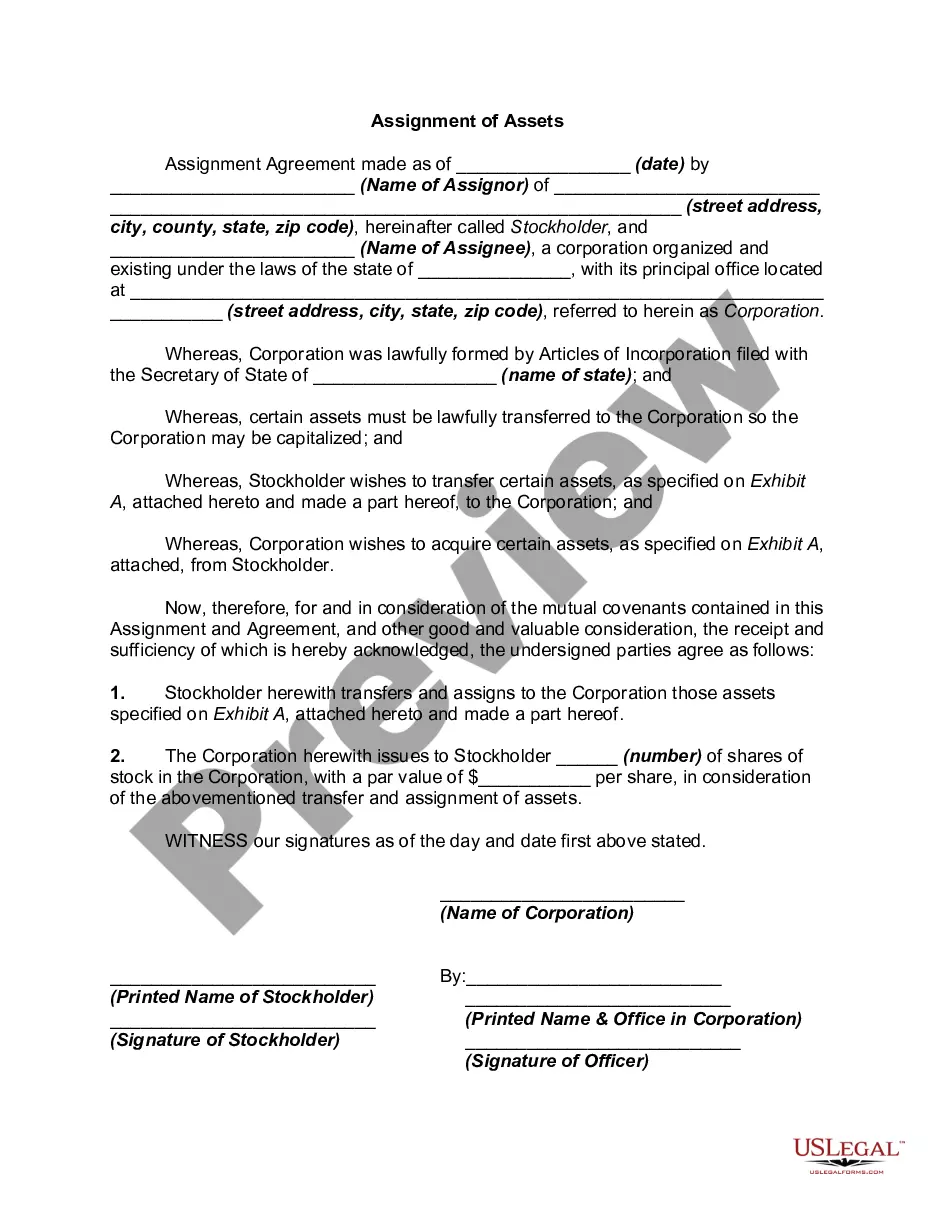
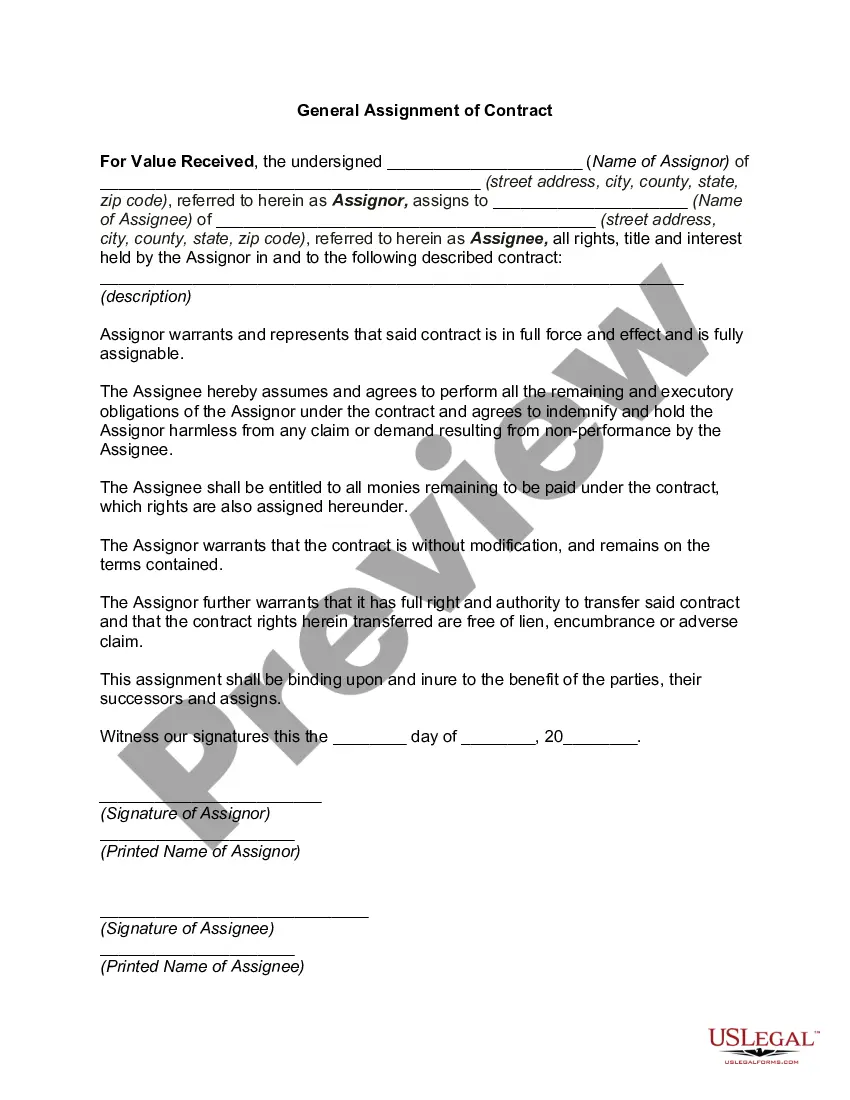
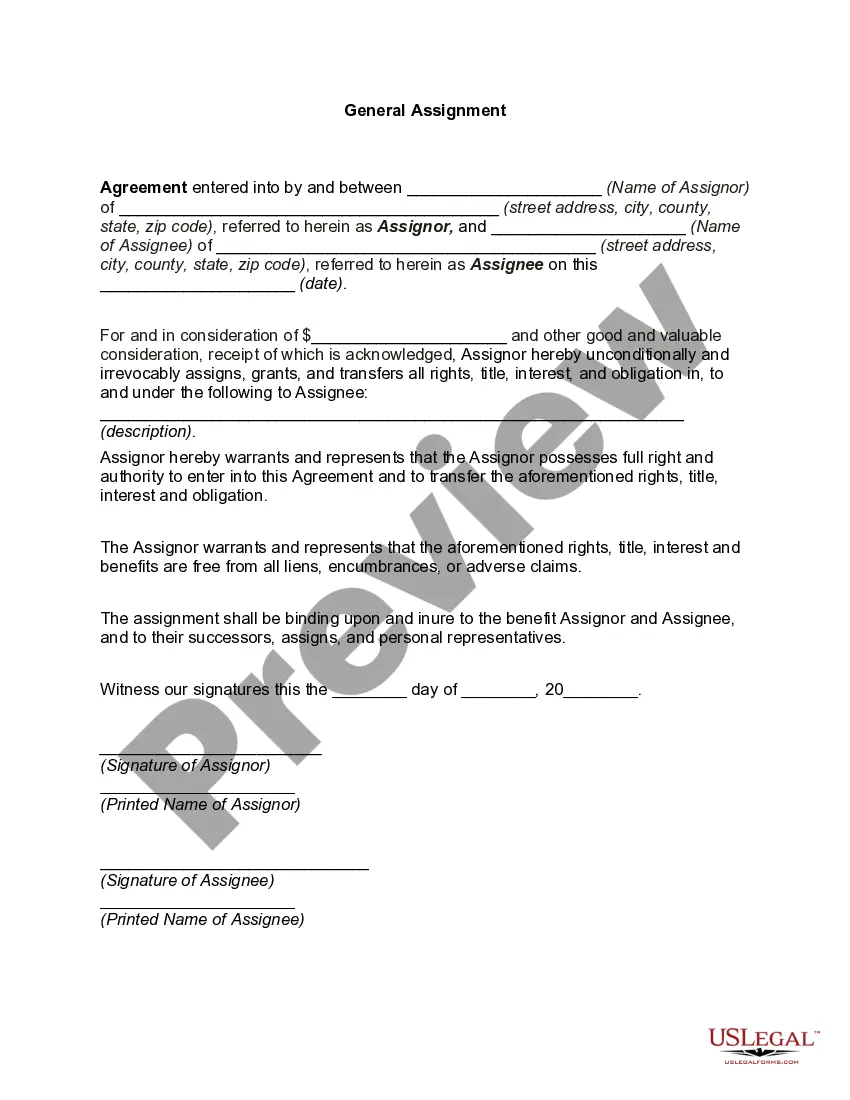
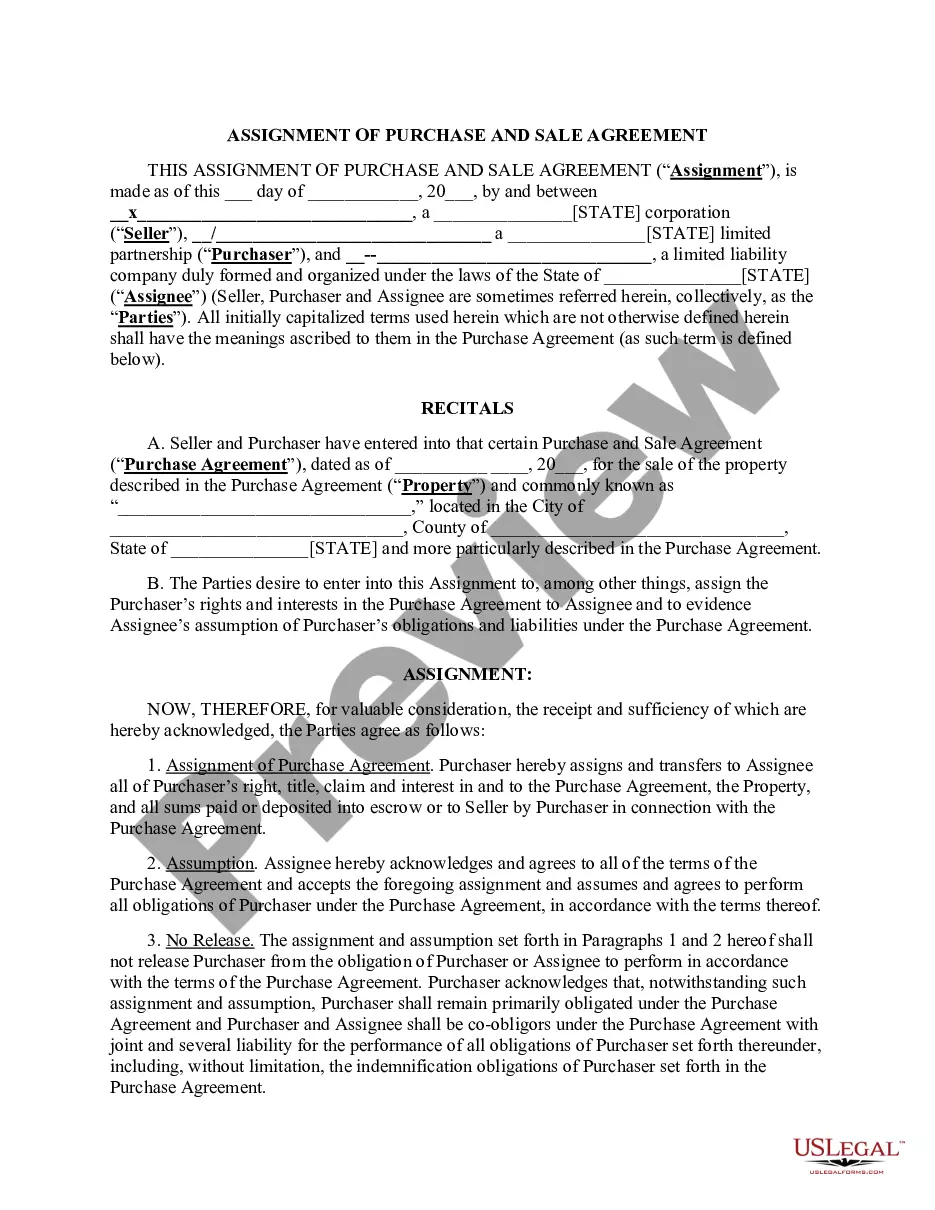
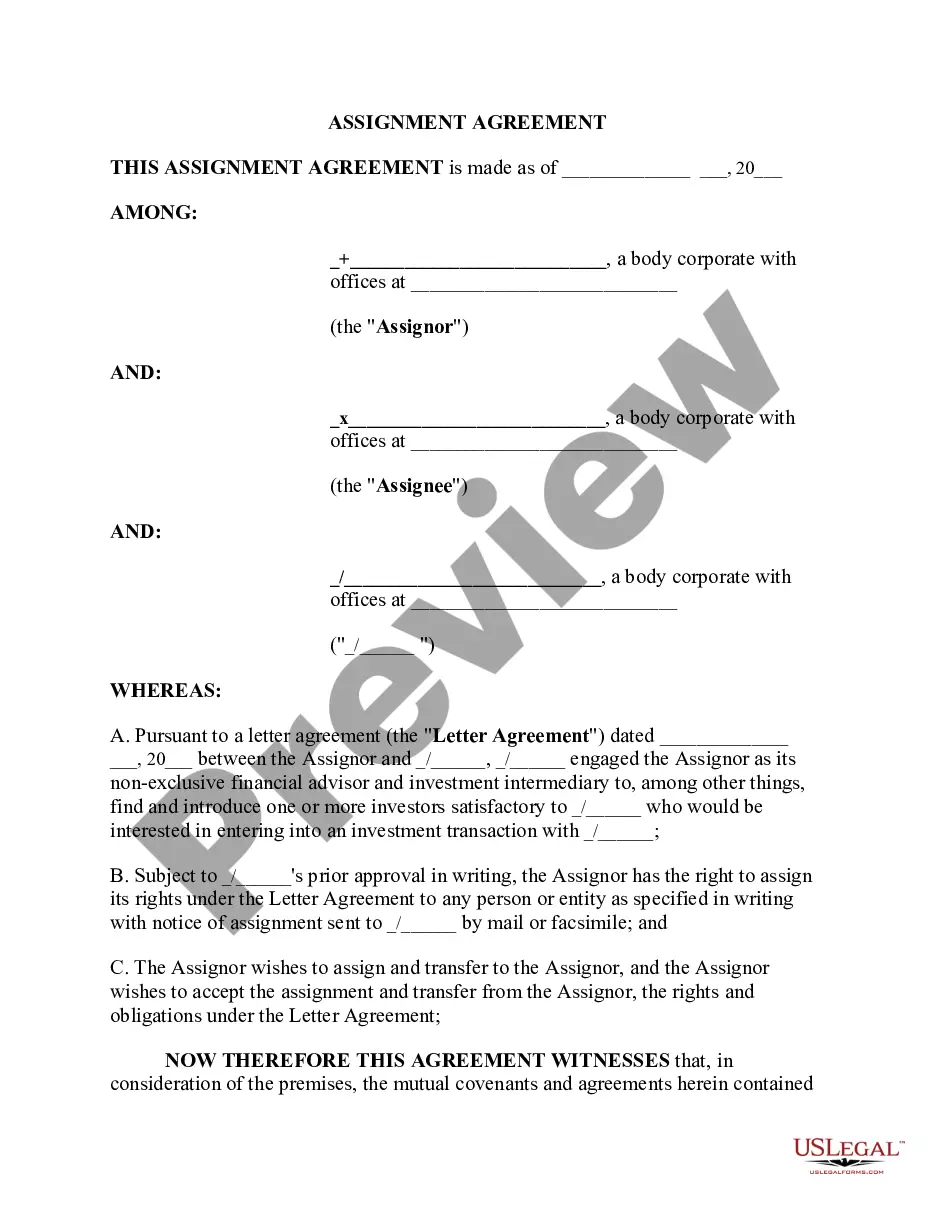
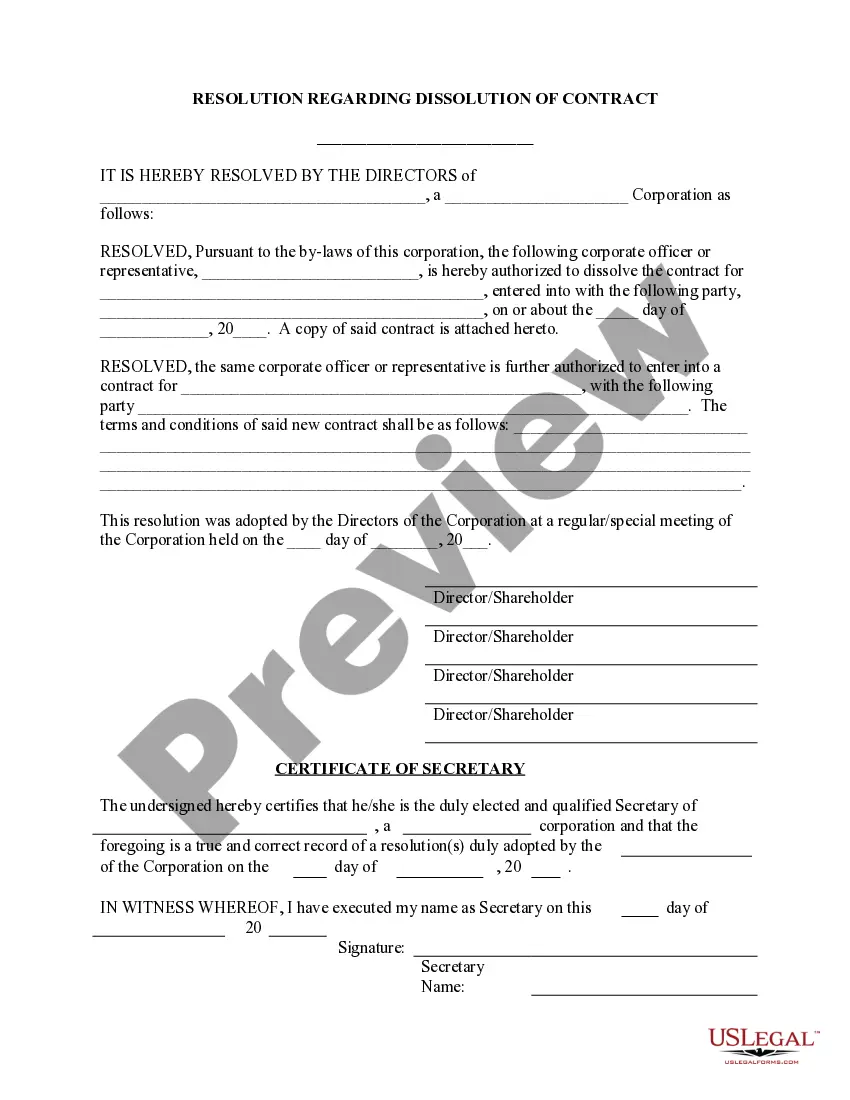
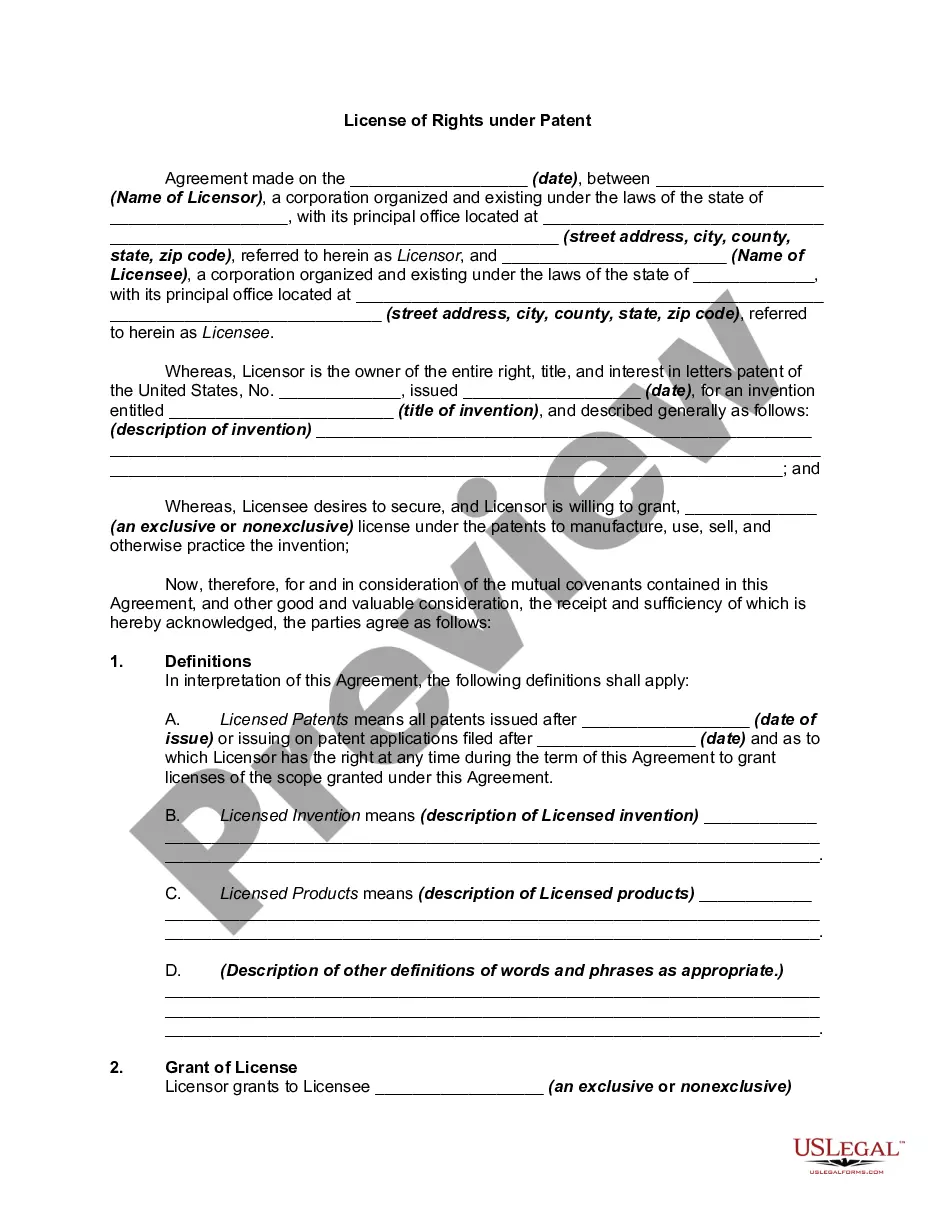
An assignment of rights agreement is a written document in which one party, the assignor, assigns to another party all or part of their rights under an existing contract. The most common example of this would be when someone wants to sell their shares of stock in a company.
When you buy shares from someone else (the seller), they agree to transfer them over and give up any control they had on that share. This way, another party can take ownership without going through the trouble of trying to buy the whole company themselves.
Long Beach California Assignment Agreement Related Searches
how to file a police report online long beach
file a police report long beach
long beach police department
city of long beach pothole
long beach police phone number
city of long beach claim form
long beach police report lookup
long beach police activity today
Interesting Questions
An Assignment Agreement should include the names of the parties, a description of what’s being assigned, and any terms or conditions. It's your blueprint for a smooth transaction, so don’t skip the details!
Yes, lease agreements can often be assigned, but make sure you check the lease terms first. Some landlords might want to keep a tight leash on this!
Absolutely! Both parties have to be on the same page. It's just like agreeing on what toppings to put on a pizza; everyone needs to be in agreement!
Yes, there can be risks. If the new party doesn't fulfill their end of the deal, you might still be on the hook. It's like lending your favorite book to a friend—you hope they'll take good care of it!
The process generally involves drafting the agreement, getting it signed by all relevant parties, and then following through on the obligations. Think of it as a relay race; you have to pass the baton smoothly!
You might need it if you want to pass on your responsibilities to someone else, like when you sell your car and give the new owner all the paperwork. It keeps things clear and orderly.
A Long Beach California Assignment Agreement is a legal document that allows one party to transfer their rights or obligations under a contract to another party. It's like handing over the keys to your house and saying, 'It's yours now!'