Louisiana Limited Warranty Deed - Partnership to LLC
Understanding this form
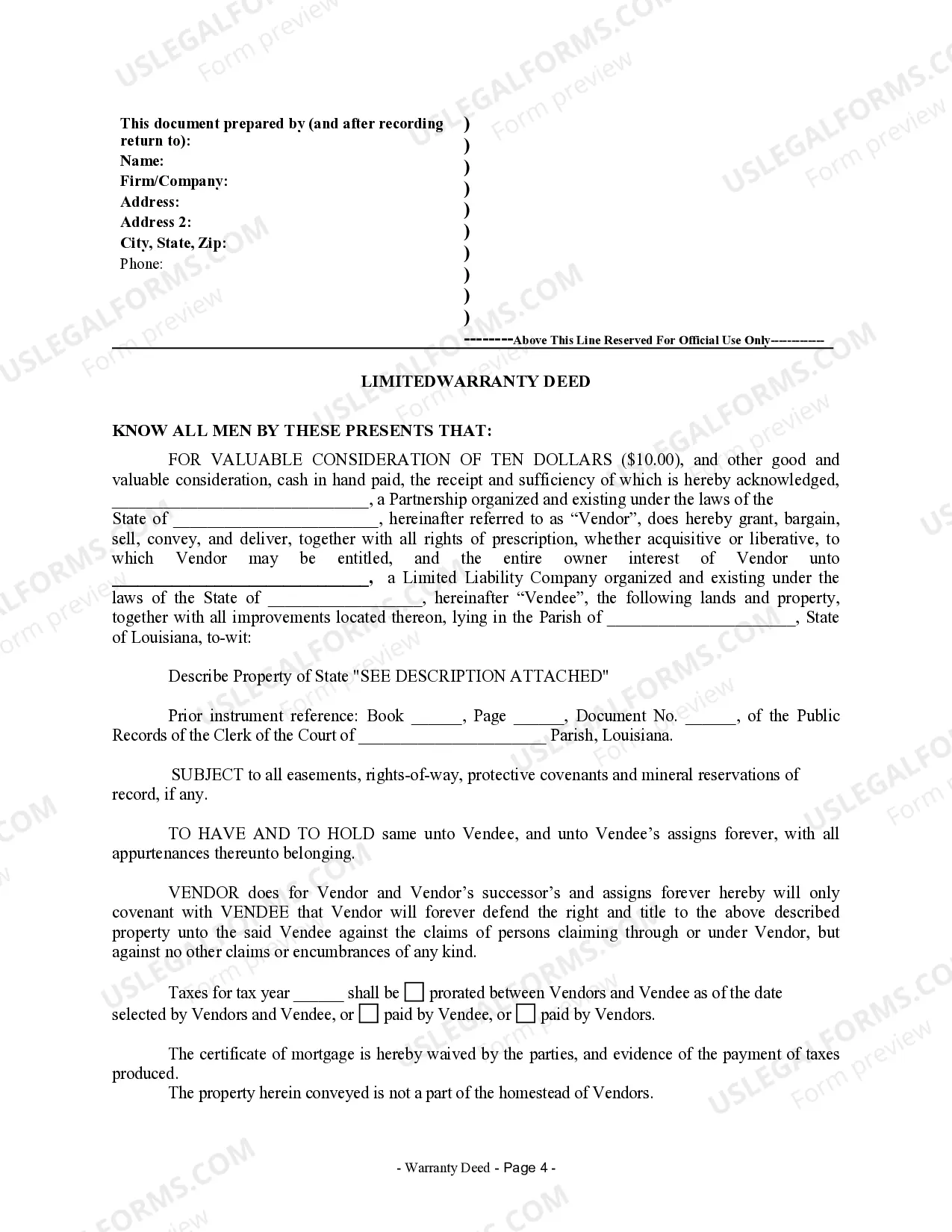
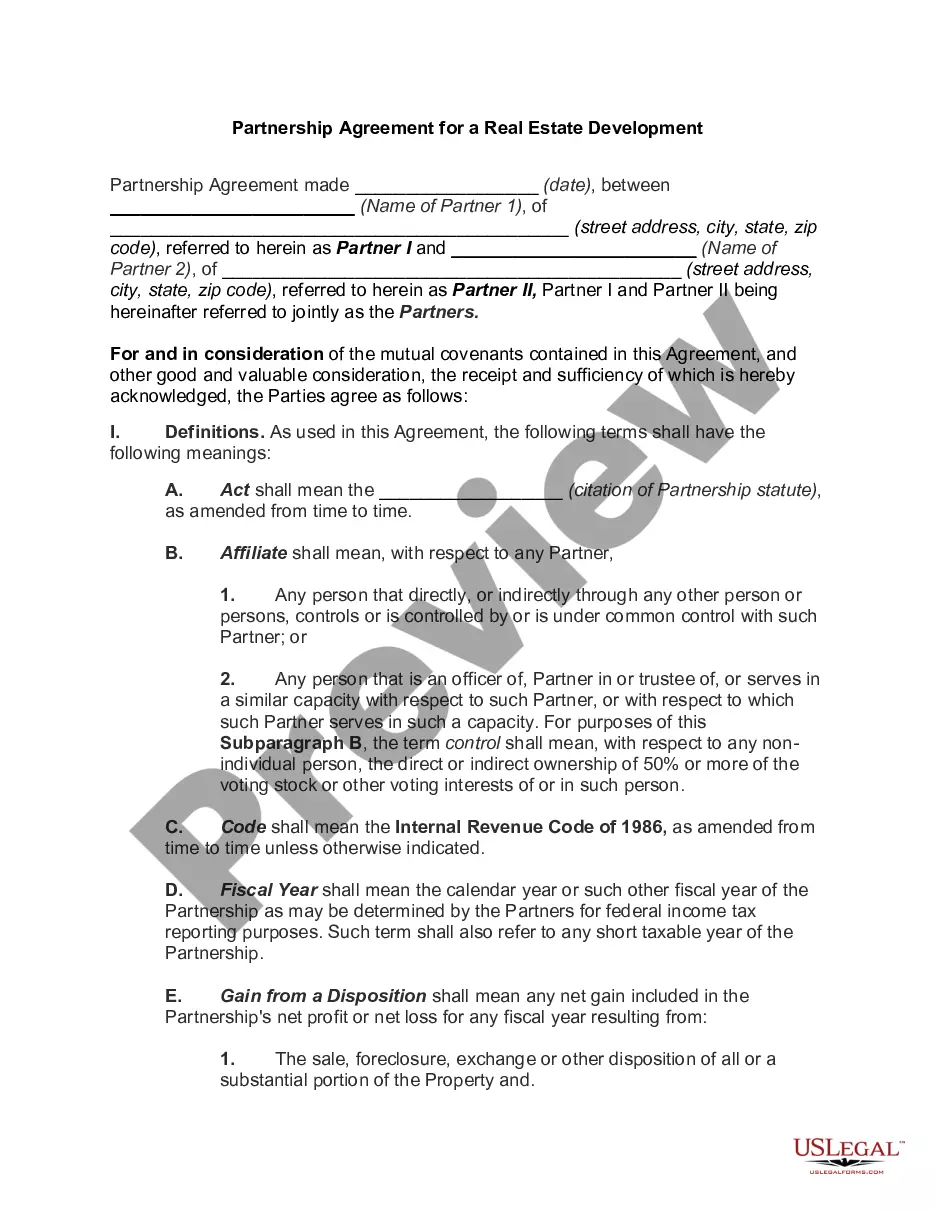
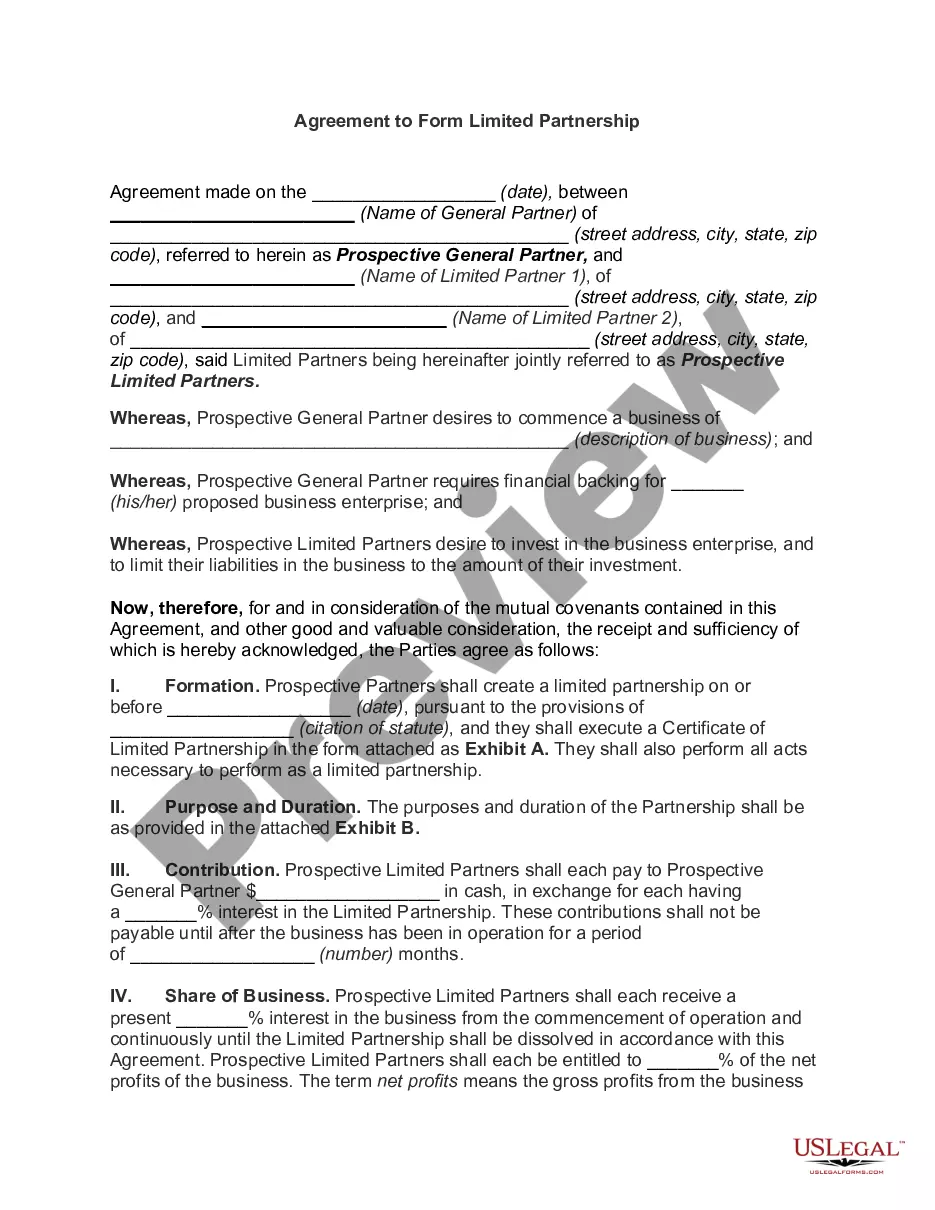
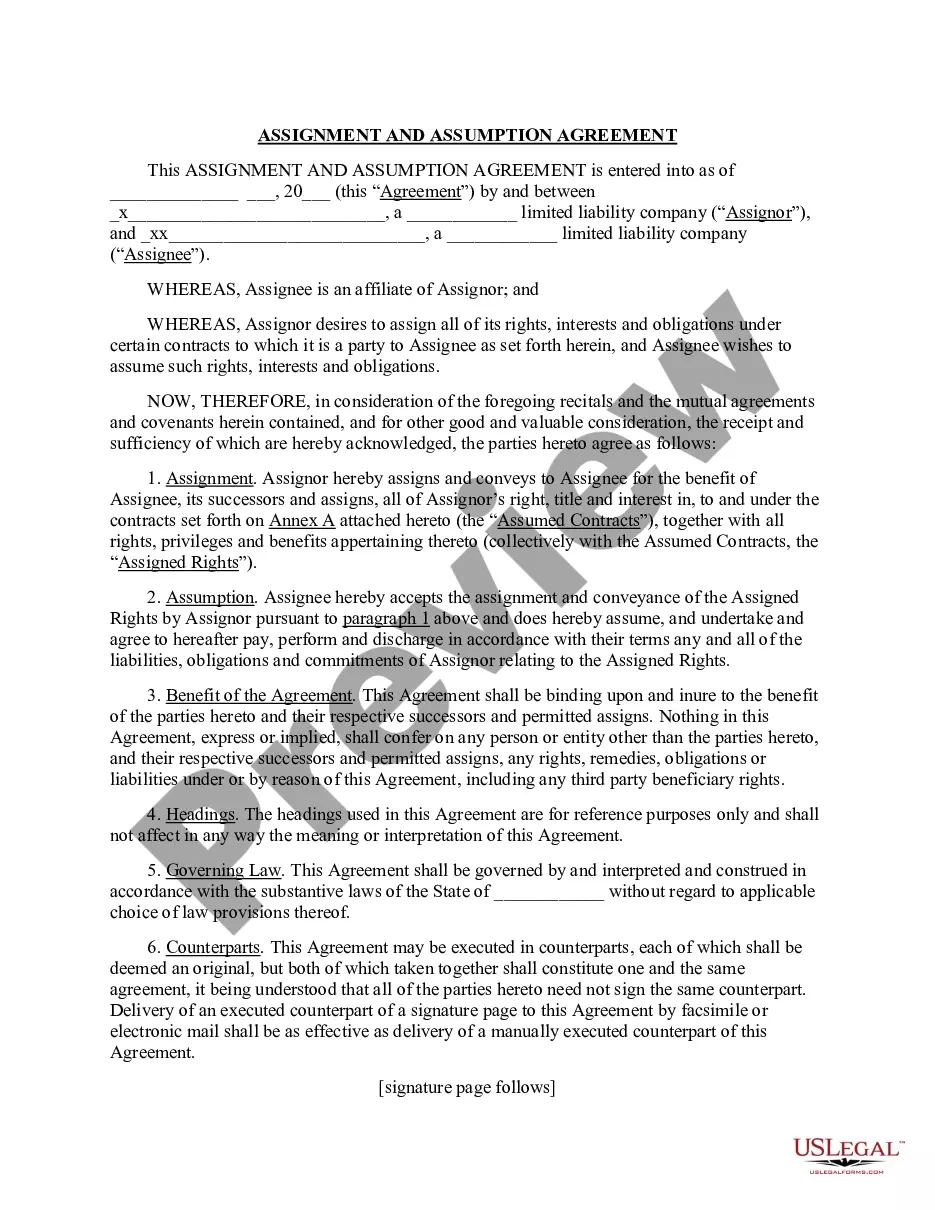
The Limited Warranty Deed - Partnership to LLC is a legal document used when a partnership transfers property ownership to a Limited Liability Company (LLC). Unlike other types of deeds, a limited warranty deed provides specific guarantees about the title to the property, protecting the LLC from claims arising from actions taken during the partnership's ownership. This form is essential for formalizing the transfer of real estate assets and ensuring a clear title for the LLC.
Main sections of this form
- Identification of the parties involved: the partnership (Vendor) and the LLC (Vendee).
- Description of the property being transferred, including legal descriptions and improvements.
- Warranties provided by the Vendor regarding the title of the property.
- Tax liabilities and their prorated handling between Vendor and Vendee.
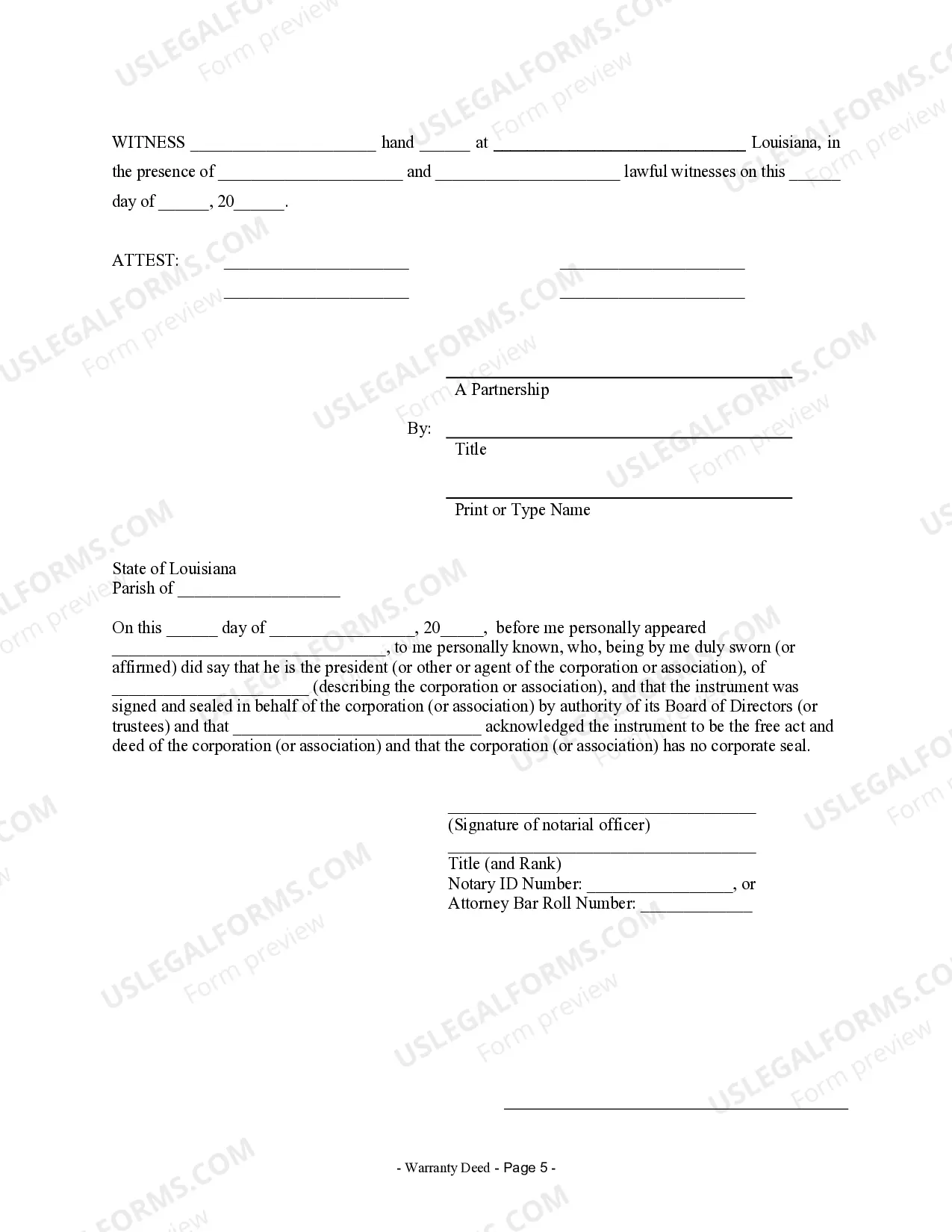
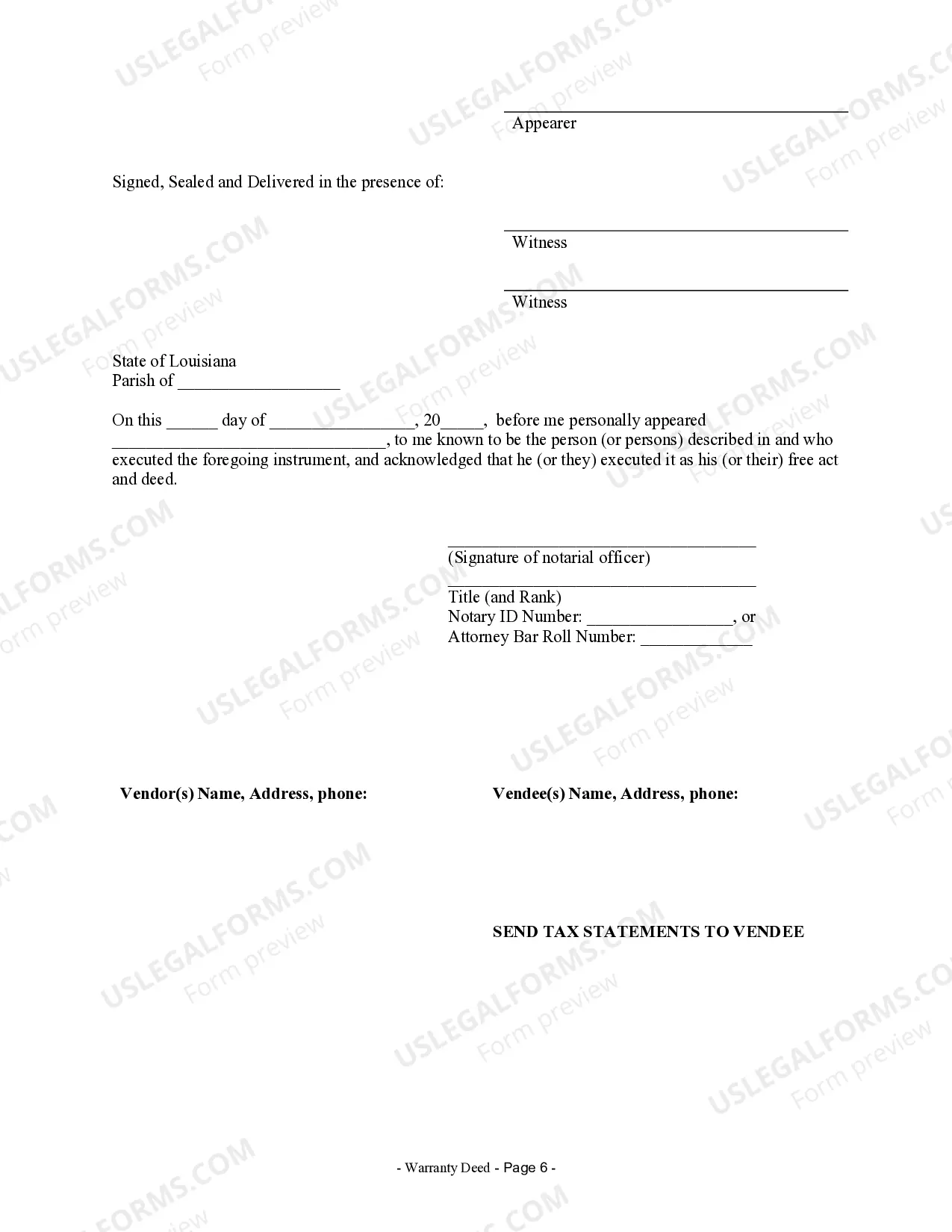
- Signature section for both parties and witnesses, along with notary acknowledgment.
When this form is needed
This form should be used when a partnership decides to transfer real property to its LLC. Common scenarios include restructuring business ownership, protecting personal assets by formalizing property transfers, or when the partnership dissolves and the assets need to be assigned to the LLC. Using a limited warranty deed ensures that the LLC receives a clear title and is protected from potential claims related to prior ownership.
Who can use this document
This form is intended for:
- Partnerships looking to transfer real estate assets to their LLC.
- Partners authorized to execute real estate transactions on behalf of the partnership.
- Business owners seeking to protect their interests and ensure proper legal documentation of property transfers.
Completing this form step by step
- Identify the parties: Clearly insert the names of the partnership and the LLC.
- Specify the property: Provide a detailed description of the property being transferred.
- Fill in tax information: Indicate how property taxes will be handled during the transfer.
- Sign and date the form: Ensure that authorized representatives from both the partnership and the LLC sign the document.
- Have the form notarized: Complete the notary acknowledgment section to validate the deed.
Is notarization required?
To make this form legally binding, it must be notarized. Our online notarization service, powered by Notarize, lets you verify and sign documents remotely through an encrypted video session.
Get your form ready online
Our built-in tools help you complete, sign, share, and store your documents in one place.
Make edits, fill in missing information, and update formatting in US Legal Forms—just like you would in MS Word.
Download a copy, print it, send it by email, or mail it via USPS—whatever works best for your next step.
Sign and collect signatures with our SignNow integration. Send to multiple recipients, set reminders, and more. Go Premium to unlock E-Sign.
If this form requires notarization, complete it online through a secure video call—no need to meet a notary in person or wait for an appointment.
We protect your documents and personal data by following strict security and privacy standards.

Make edits, fill in missing information, and update formatting in US Legal Forms—just like you would in MS Word.

Download a copy, print it, send it by email, or mail it via USPS—whatever works best for your next step.

Sign and collect signatures with our SignNow integration. Send to multiple recipients, set reminders, and more. Go Premium to unlock E-Sign.

If this form requires notarization, complete it online through a secure video call—no need to meet a notary in person or wait for an appointment.

We protect your documents and personal data by following strict security and privacy standards.
Typical mistakes to avoid
- Failing to include a complete legal description of the property.
- Not obtaining the required signatures from all necessary parties.
- Leaving out the notary acknowledgment, which can invalidate the document.
- Incorrectly addressing how property taxes will be prorated or handled.
Benefits of completing this form online
- Convenient access: Download the form instantly from any location.
- Editability: Fill out the form digitally without needing to print and write by hand.
- Reliability: The form is created by licensed attorneys, ensuring its legal accuracy.
Quick recap
- The Limited Warranty Deed - Partnership to LLC is essential for transferring property ownership from a partnership to an LLC.
- It includes all necessary components to protect both parties involved in the transaction.
- Proper completion is crucial; common mistakes can lead to legal complications.
Looking for another form?




Form popularity
FAQ
A California Limited Partnership refers to a type of business entity in the state of California that consists of at least one limited partner and one general partner. A limited partnership combines elements of a general partnership with the limited liability of a corporation.
LLPs have the same tax advantages of LLCs. They cannot, however, have corporations as owners. Perhaps the most significant difference between LLCs and LLPs is that LLPs must have at least one managing partner who bears liability for the partnership's actions.
Similar to the LLC, the LLP is a hybrid of both the corporation and partnership, to give the greatest advantages for taxation and liability protection. The LLP is not a separate entity for income tax purposes and profits and losses are passed through to the partners.
The primary advantage for an LLP is that it establishes a separate legal entity from that of the general partners. As such, an LLP may own property as well as sue and be sued in a legal arena. By far the most beneficial aspect of separate legal status is the limited liability protection it provides.
An LLP protects each partner from debts against the partnership arising from professional malpractice lawsuits against another partner.
Types of Partnership General Partnership, Limited Partnership, Limited Liability Partnership and Public Private Partnership.
Limited liability partnerships (LLPs) allow for a partnership structure where each partner's liabilities is limited to the amount they put into the business. Having business partners means spreading the risk, leveraging individual skills and expertise, and establishing a division of labor.
Public disclosure is the main disadvantage of an LLP. Income is personal income and is taxed accordingly. Profit can not be retained in the same way as a company limited by shares. An LLP must have at least two members. Residential addresses were historically recorded at Companies House.