Louisiana Limited Power of Attorney for Stock Transactions and Corporate Powers
About this form
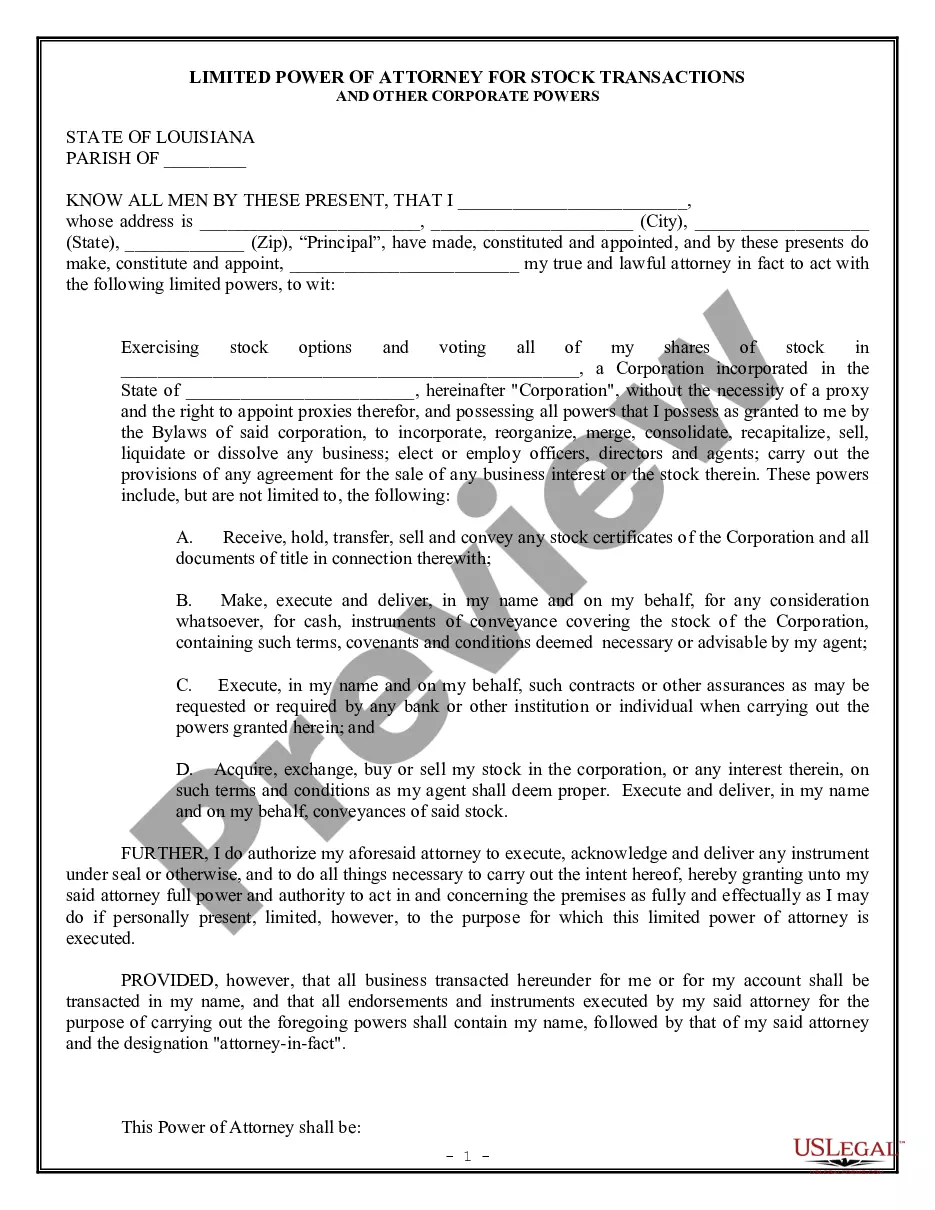
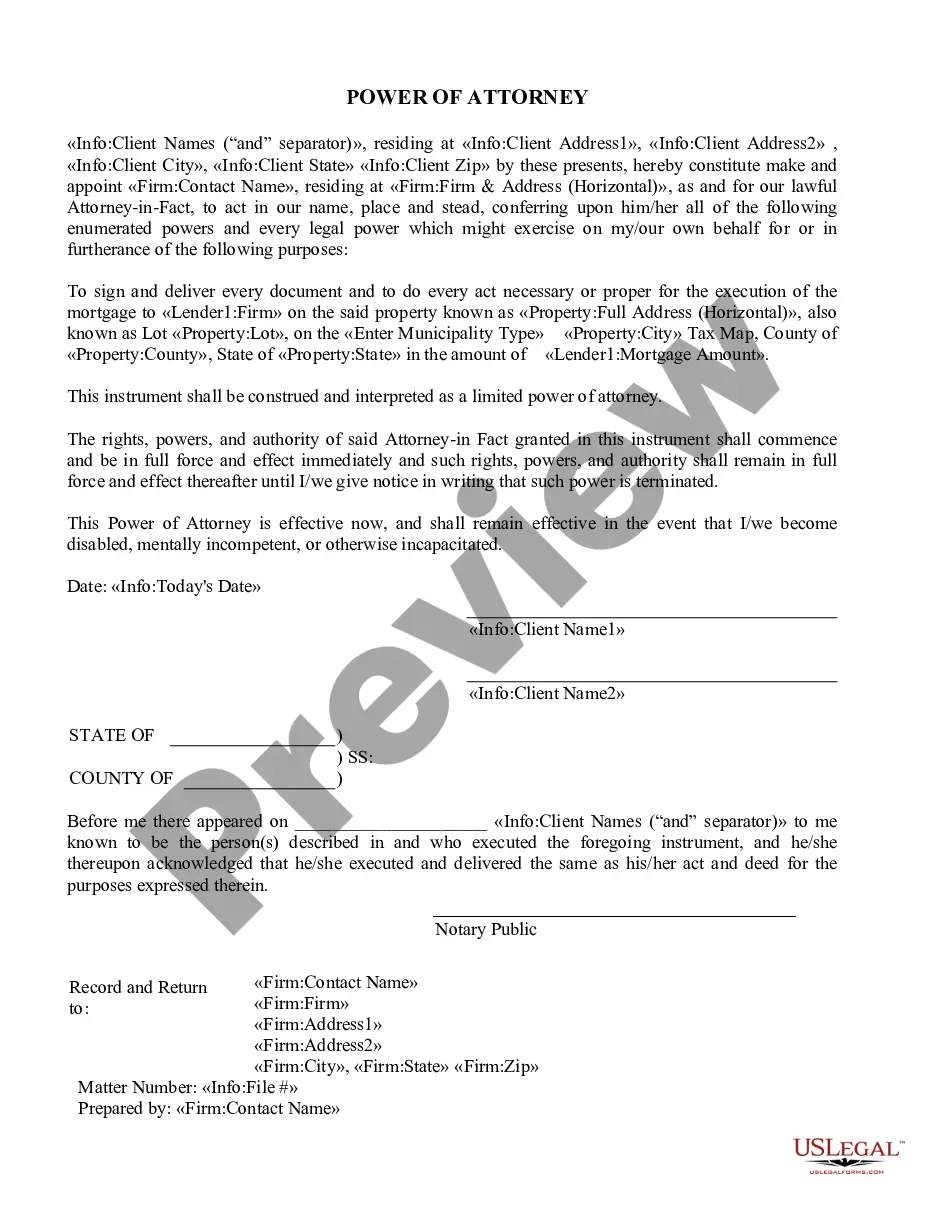
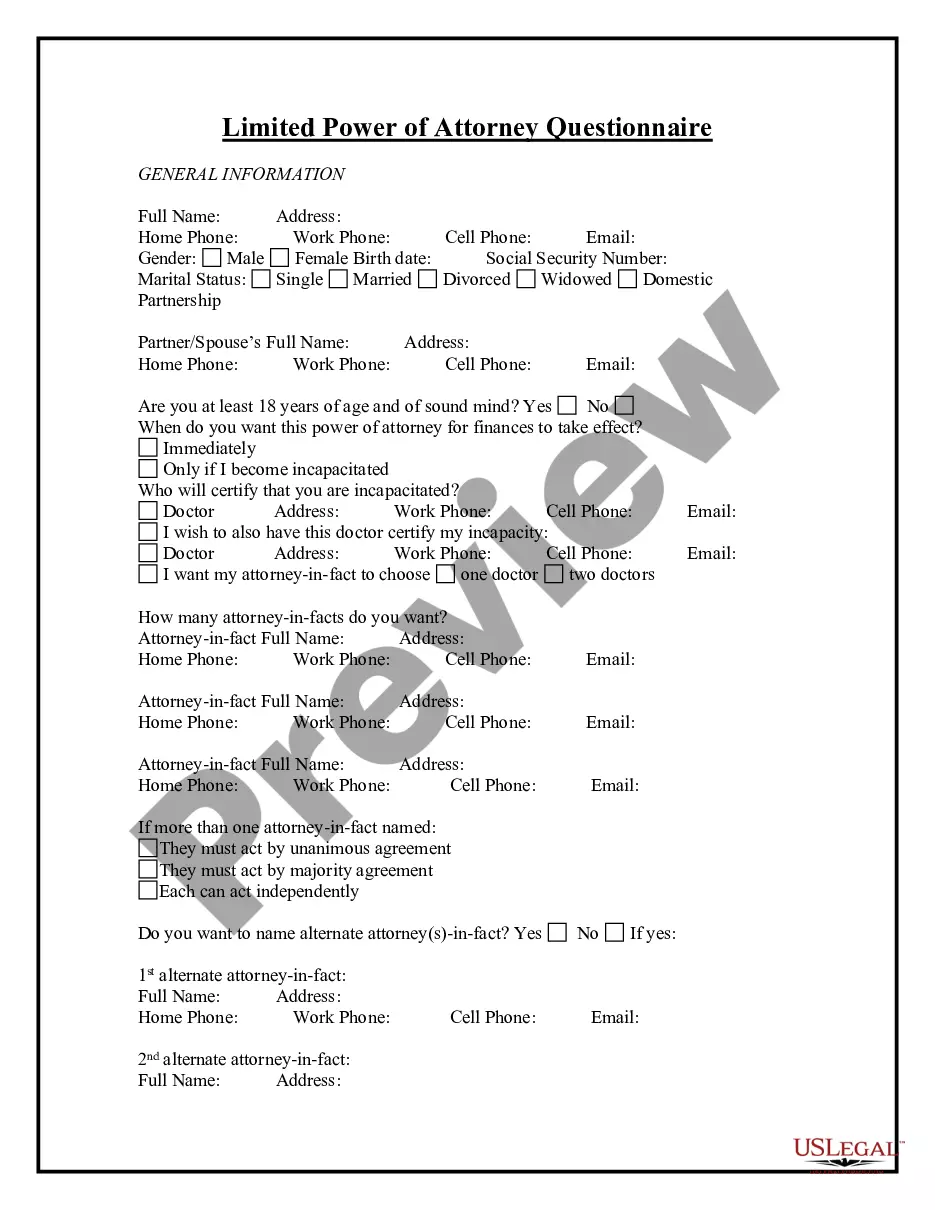
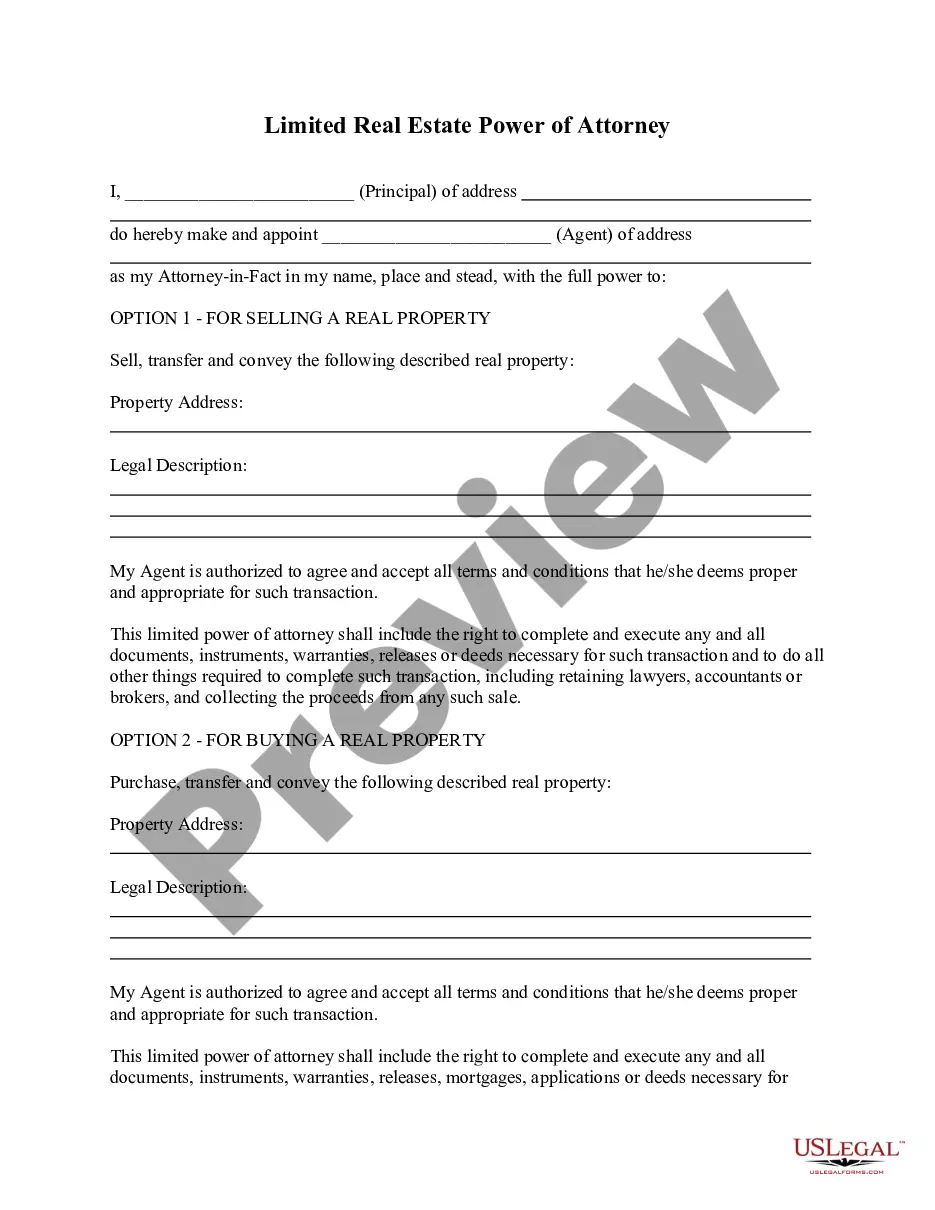
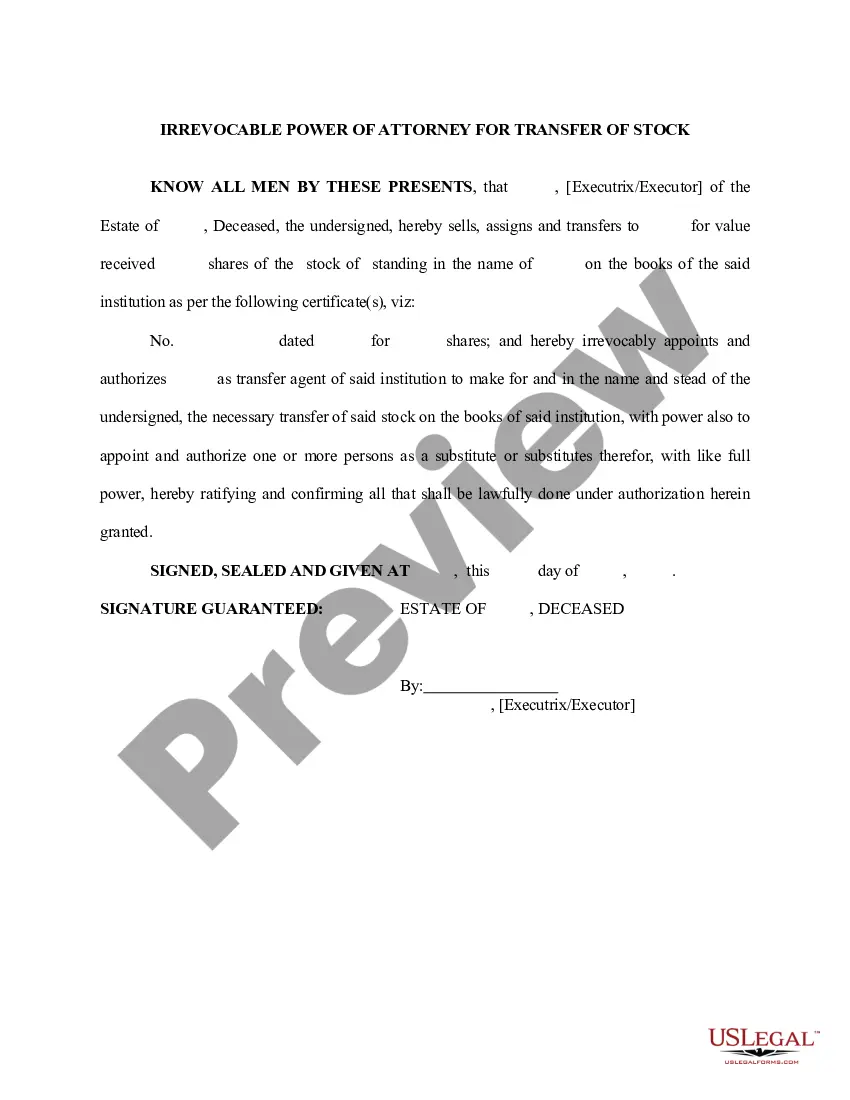
The Limited Power of Attorney for Stock Transactions and Corporate Powers is a legal document that allows a shareholder to appoint someone else to manage their stock transactions and corporate powers. This form specifically focuses on stock-related activities, differentiating it from general power of attorney forms, which usually cover a broader range of responsibilities. The appointed individual can act in the shareholder's name, allowing for the exercising of stock options and voting rights without needing a proxy.
Form components explained
- Principal's name and address: Identifies the individual granting the power of attorney.
- Attorney-in-fact's name: Specifies the person authorized to act on behalf of the principal.
- Defined powers: Lists the specific powers granted, including the ability to vote shares and manage stock options.
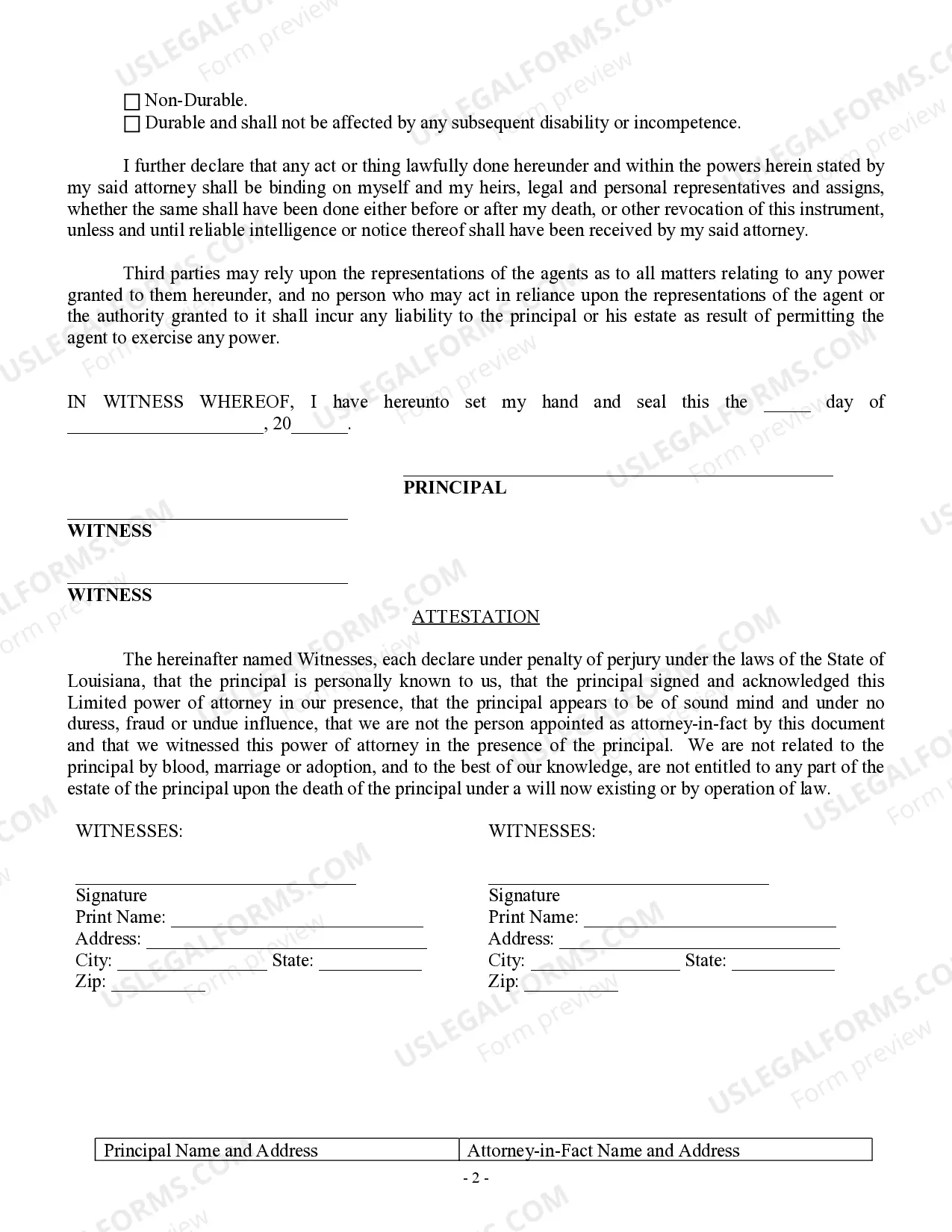
- Witness requirements: States that the document must be signed before two witnesses for validity.
- Non-durability clause: Indicates that this limited power of attorney is non-durable unless specified otherwise.

When to use this document
This form is particularly useful in situations where a shareholder may not be present to vote on corporate matters or make stock transactions. It can be employed during corporate meetings, proxy statements, or when executing stock sales or transfers. If a shareholder is unable to manage their stock due to travel, health issues, or other reasons, this limited power of attorney allows for uninterrupted management of their interests.
Intended users of this form
This form is suitable for:
- Shareholders who want to grant someone else authority to manage stock transactions.
- Individuals who are temporarily unable to participate in corporate decisions due to personal circumstances.
- Business owners or investors looking for a streamlined method to delegate stock-related responsibilities.
How to complete this form
- Identify the parties: Fill in the names and addresses of both the principal and the attorney-in-fact.
- Specify the corporation: Enter the name of the corporation related to the stock transactions.
- Detail the powers: Clearly outline the stock powers being granted to the attorney-in-fact.
- Gather witnesses: Have two witnesses present sign the document to validate it.
- Date the document: Ensure the form is dated correctly to establish the timeframe of authority.
Notarization guidance
Notarization is required for this form to take effect. Our online notarization service, powered by Notarize, lets you verify and sign documents remotely through an encrypted video session, available 24/7.
Get your form ready online
Our built-in tools help you complete, sign, share, and store your documents in one place.
Make edits, fill in missing information, and update formatting in US Legal Forms—just like you would in MS Word.
Download a copy, print it, send it by email, or mail it via USPS—whatever works best for your next step.
Sign and collect signatures with our SignNow integration. Send to multiple recipients, set reminders, and more. Go Premium to unlock E-Sign.
If this form requires notarization, complete it online through a secure video call—no need to meet a notary in person or wait for an appointment.
We protect your documents and personal data by following strict security and privacy standards.

Make edits, fill in missing information, and update formatting in US Legal Forms—just like you would in MS Word.

Download a copy, print it, send it by email, or mail it via USPS—whatever works best for your next step.

Sign and collect signatures with our SignNow integration. Send to multiple recipients, set reminders, and more. Go Premium to unlock E-Sign.

If this form requires notarization, complete it online through a secure video call—no need to meet a notary in person or wait for an appointment.

We protect your documents and personal data by following strict security and privacy standards.
Common mistakes
- Failing to have the document signed by two witnesses.
- Not filling out all required fields completely and accurately.
- Overlooking the specific powers granted to the attorney-in-fact.
- Not following state-specific requirements, which could affect the validity of the form.
Why complete this form online
- Convenience: Easily download and complete the form at your convenience.
- Editability: Modify the template as needed to fit your specific situation.
- Reliability: Access forms drafted by licensed attorneys, ensuring legal compliance.
Legal use & context
- This form allows for the delegation of limited power related only to specific stock-related actions.
- It is legally binding on the principal and their estate, even after death, until revoked.
- Shareholders can rely on the authority of their attorney-in-fact to act on their behalf without incurring liability for wrongful actions.
Key takeaways
- The Limited Power of Attorney for Stock Transactions and Corporate Powers is designed for shareholders needing to manage their stock actions.
- It is crucial to ensure proper witnesses are present at the time of signing to validate the document.
- Understanding the limited nature of the powers granted can help prevent misuse and clarify expectations between the principal and attorney-in-fact.
Looking for another form?
Form popularity
FAQ
Limited Power of Attorney (LPOA) is an authorization that permits a portfolio manager to perform specific functions on behalf of the account owner. In general, the LPOA allows the manager to execute an agreed-upon investment strategy and take care of routine related business without contacting the account holder.
Can the Power of Attorney be used by the agent to take my money or property without my permission? Unfortunately, you can run the risk that the agent you choose to give your Power of Attorney could abuse the power by spending your money or taking your money without your knowledge or worse without your permission.
Choose the limited power of attorney made for your state. Input personal information about both the principal and the agent or attorney-in-fact. Explain the powers of the agent. Include the date the limited power of attorney expires or will be revoked.
Download the form. In just a few minutes, you can locate appropriate power of attorney forms from reputable sources. Appoint an agent. Your agent is the person you authorize to act on your behalf. Draft a statement of authority. Set time limits. Sign and date the form.
Limited Power of Attorney (LPOA) is an authorization that permits a portfolio manager to perform specific functions on behalf of the account owner. In general, the LPOA allows the manager to execute an agreed-upon investment strategy and take care of routine related business without contacting the account holder.
A limited power of attorney grants the representative that you choose (the agent or attorney-in-fact) the power to act on your behalf under limited circumstances.Under a general power of attorney, the agent or attorney-in-fact can do anything that you can do.
If the agent is acting improperly, family members can file a petition in court challenging the agent. If the court finds the agent is not acting in the principal's best interest, the court can revoke the power of attorney and appoint a guardian. The power of attorney ends at death.
When you give someone the POA, there are important limitations to the power the agent has. First, your agent must make decisions within the terms of the legal document and can't make decisions that break the agreement, and the agent can be held liable for any fraud or negligence.