Louisiana Notice of Lease of Movables - Individual
What is this form?
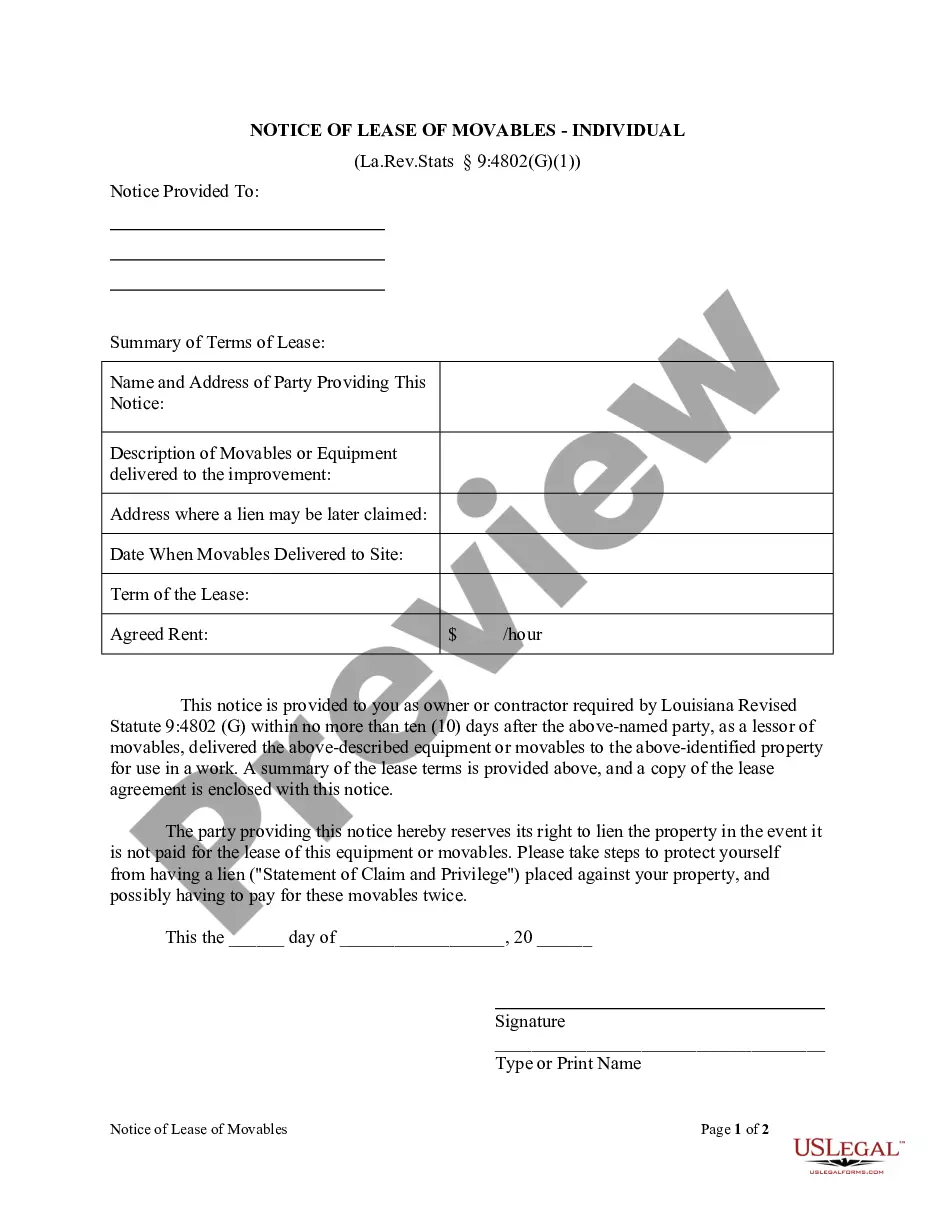
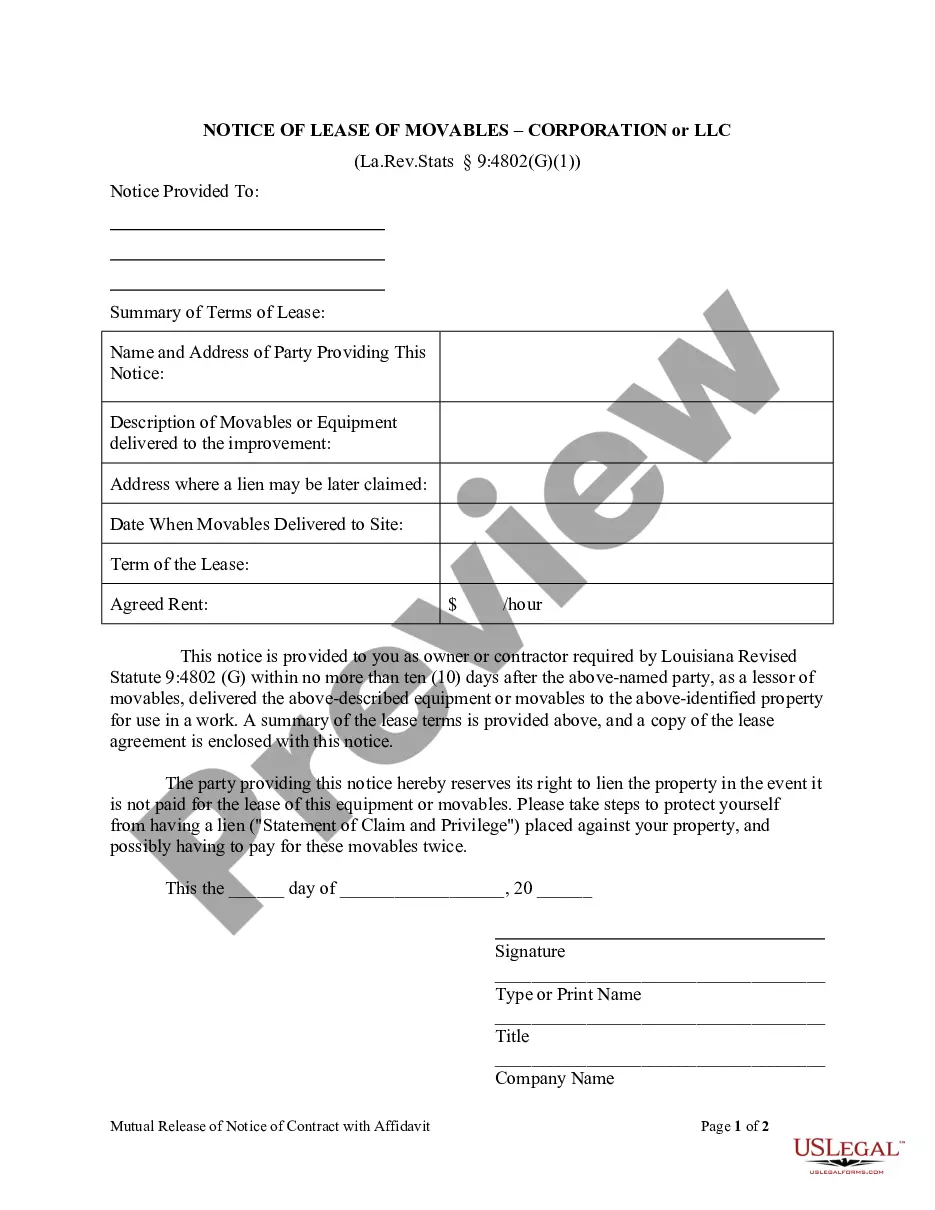
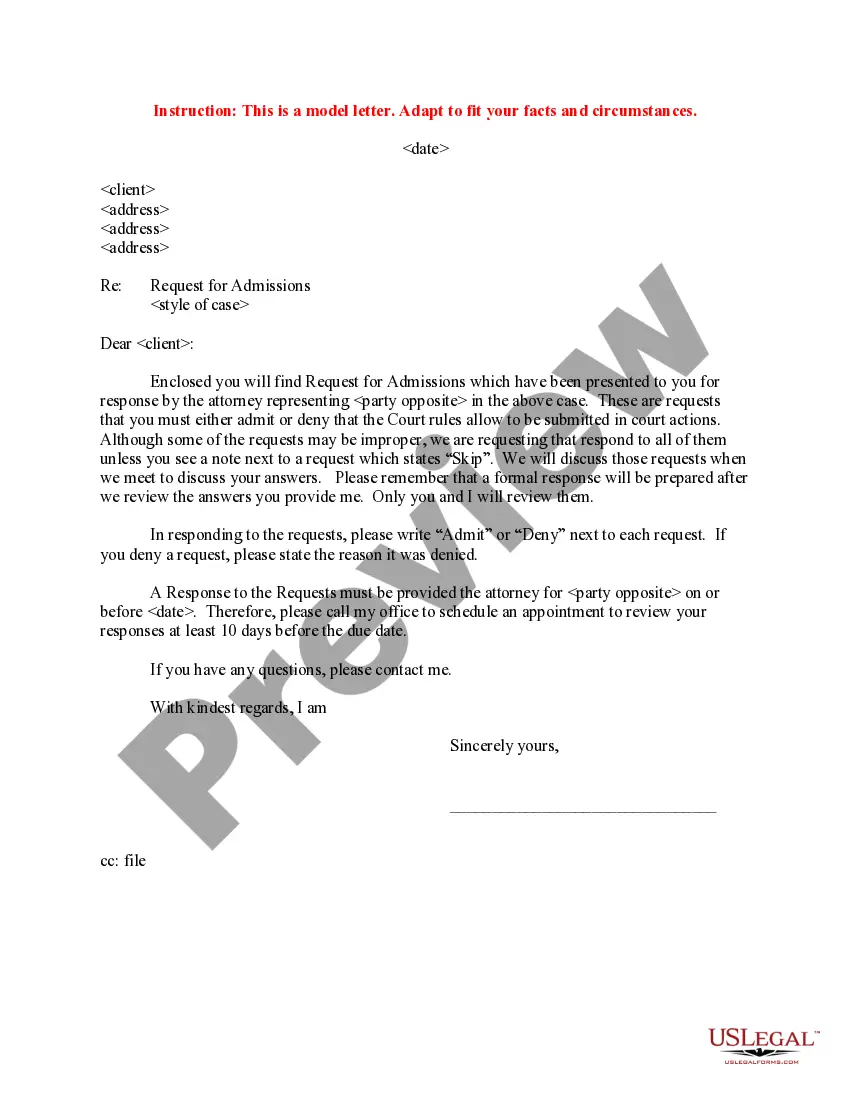
The Notice of Lease of Movables is a legal document used by individuals to inform an owner or contractor of the lease of equipment or other movable items. This form is crucial when a lessor delivers movables for use in a specific work within ten days. It summarises the lease terms and includes a copy of the lease agreement, preserving the lessor's right to place a lien against the property if payment is not received. This form differentiates itself by focusing specifically on the rights of individuals leasing movables, unlike broader lease agreements that may cover real property or commercial leases.
Key components of this form
- Date of notice
- Signature of the lessor
- Name of the lessor
- Summary of lease terms
- Statement of lien rights
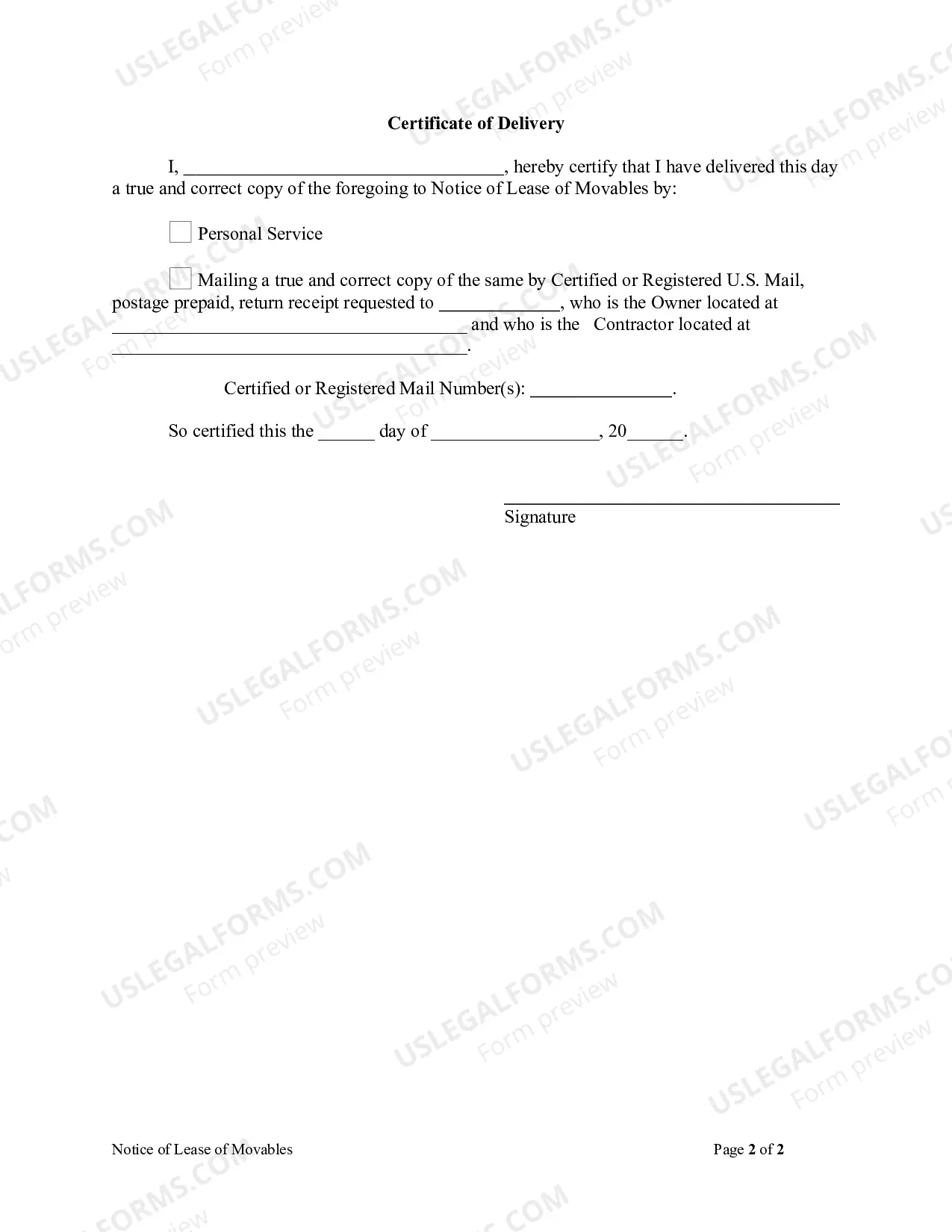
- Certificate of delivery
When to use this form
This form should be used when an individual has leased equipment or movable items and wants to officially notify the property owner or contractor. It is particularly necessary when the lessee has not received payment for the lease, ensuring their legal rights to place a lien on the property are preserved.
Who this form is for
This Notice of Lease of Movables is intended for:
- Individuals leasing movables for personal or business use
- Contractors who need to inform property owners about leased equipment
- Any lessor looking to secure their right to lien against property due to non-payment
How to prepare this document
- Enter the date of the notice at the top of the form.
- Sign the document where indicated to authenticate your notice.
- Clearly print your name to ensure all parties recognize the lessor.
- Summarize the terms of the lease, including rental amounts and duration.
- Specify that you reserve your right to lien the property if payment is not made.
- Complete the certificate of delivery to confirm the notice is provided to the appropriate party.
Notarization guidance
This form does not typically require notarization unless specified by local law. Ensure you check your state's regulations to confirm whether notarization is necessary for your Notice of Lease of Movables.
Get your form ready online
Our built-in tools help you complete, sign, share, and store your documents in one place.
Make edits, fill in missing information, and update formatting in US Legal Forms—just like you would in MS Word.
Download a copy, print it, send it by email, or mail it via USPS—whatever works best for your next step.
Sign and collect signatures with our SignNow integration. Send to multiple recipients, set reminders, and more. Go Premium to unlock E-Sign.
If this form requires notarization, complete it online through a secure video call—no need to meet a notary in person or wait for an appointment.
We protect your documents and personal data by following strict security and privacy standards.

Make edits, fill in missing information, and update formatting in US Legal Forms—just like you would in MS Word.

Download a copy, print it, send it by email, or mail it via USPS—whatever works best for your next step.

Sign and collect signatures with our SignNow integration. Send to multiple recipients, set reminders, and more. Go Premium to unlock E-Sign.

If this form requires notarization, complete it online through a secure video call—no need to meet a notary in person or wait for an appointment.

We protect your documents and personal data by following strict security and privacy standards.
Mistakes to watch out for
- Failing to provide the notice within the ten-day deadline.
- Not including a copy of the lease agreement with the notice.
- Inadequately summarizing the lease terms, leading to confusion.
- Omitting the signature or date, rendering the notice invalid.
Why complete this form online
- Convenient access: Download the form anytime from any device.
- Editability: Tailor the form to fit your specific leasing situation.
- Reliable legal language: Forms are drafted by licensed attorneys.
- Time-saving: Quickly create and file your notice without delays.
Looking for another form?
Form popularity
FAQ
To Submit a Complaint You can also visit HUD's Title VIII Complaint Process page to file a complaint online. For questions regarding fair housing laws or if you wish to have a representative from the State Attorney General's Office speak to your organization call 800-273-5718.
Eviction Process for No Lease / End of Lease In the state of Louisiana, if tenants hold over, or stay in the rental unit after the rental term has expired, then the landlord must give tenants notice before evicting them. This can include tenants without a written lease and week-to-week and month-to-month tenants.
Your first option is to speak to the landlord and ask if they would be willing to end the lease early. If they will agree to let you leave the lease early you should get the agreement in writing and you and the landlord should sign it.
Give these tenants notice to move with the proper waiting period (30 day notice). If the tenants don't want to move, the landlords can file for eviction with the courts. The landlord can prepare documents explaining they acquired the property without plans to keep the tenants or why they must leave.
If your family member or friend fails to leave by the requested date, you can then file an eviction petition. Once you file your petition, you must request an unlawful detainer hearing. This is a short court hearing in which you explain the reason for the eviction and present evidence of the prior notices to vacate.
Gather documents relating to your home and the person you wish to evict. Give written notice to the family member, informing him or her that you wish them to leave. Wait out the notice period.
If you think your landlord is violating the Fair Housing Act, you can get that landlord in trouble by filing a complaint at HUD.gov. Your remedy for breach of quiet enjoyment is to terminate the lease and move or sue in small claims court.
In most places, if your family rents on a month-to-month basis, your landlord can terminate your tenancy for any nondiscriminatory reason, as long as she gives you the required amount of notice30 days in most states.
To begin the eviction process, you must first serve the squatter with a five-day notice to vacate. While other states have different types of eviction notices (and some even allow the tenant some time to fix violations or pay rent), Louisiana is firm on this.