Kentucky Limited Power of Attorney for Stock Transactions and Corporate Powers
Overview of this form
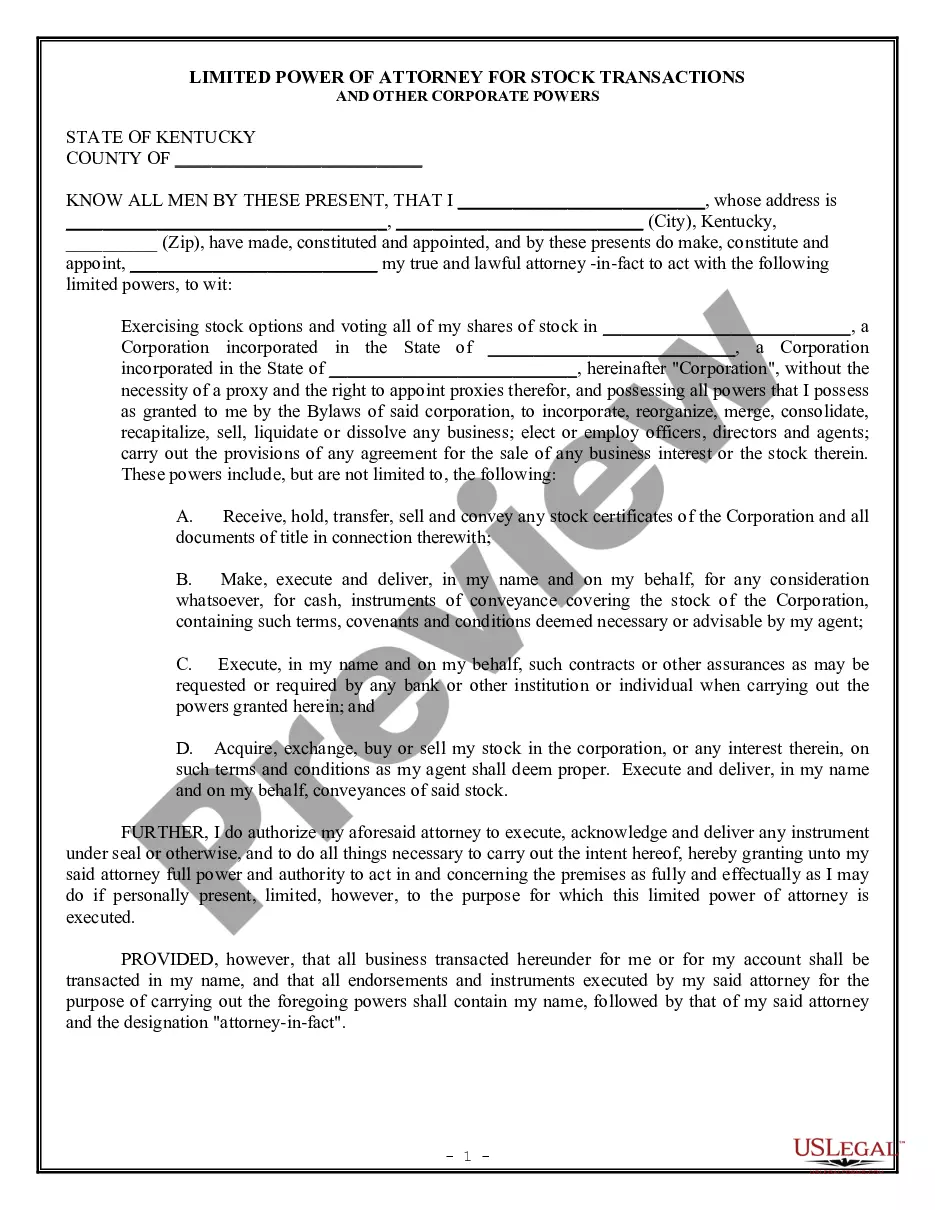
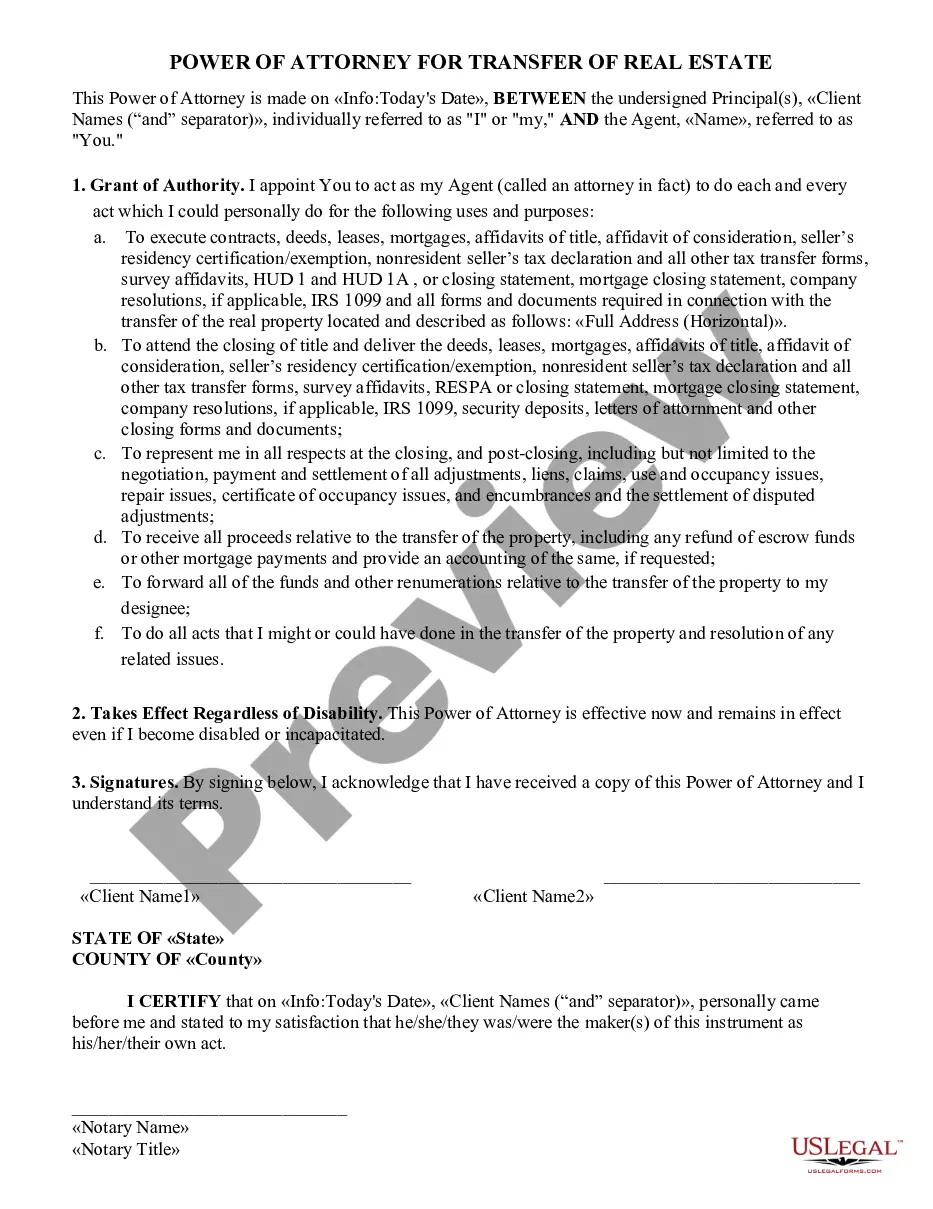
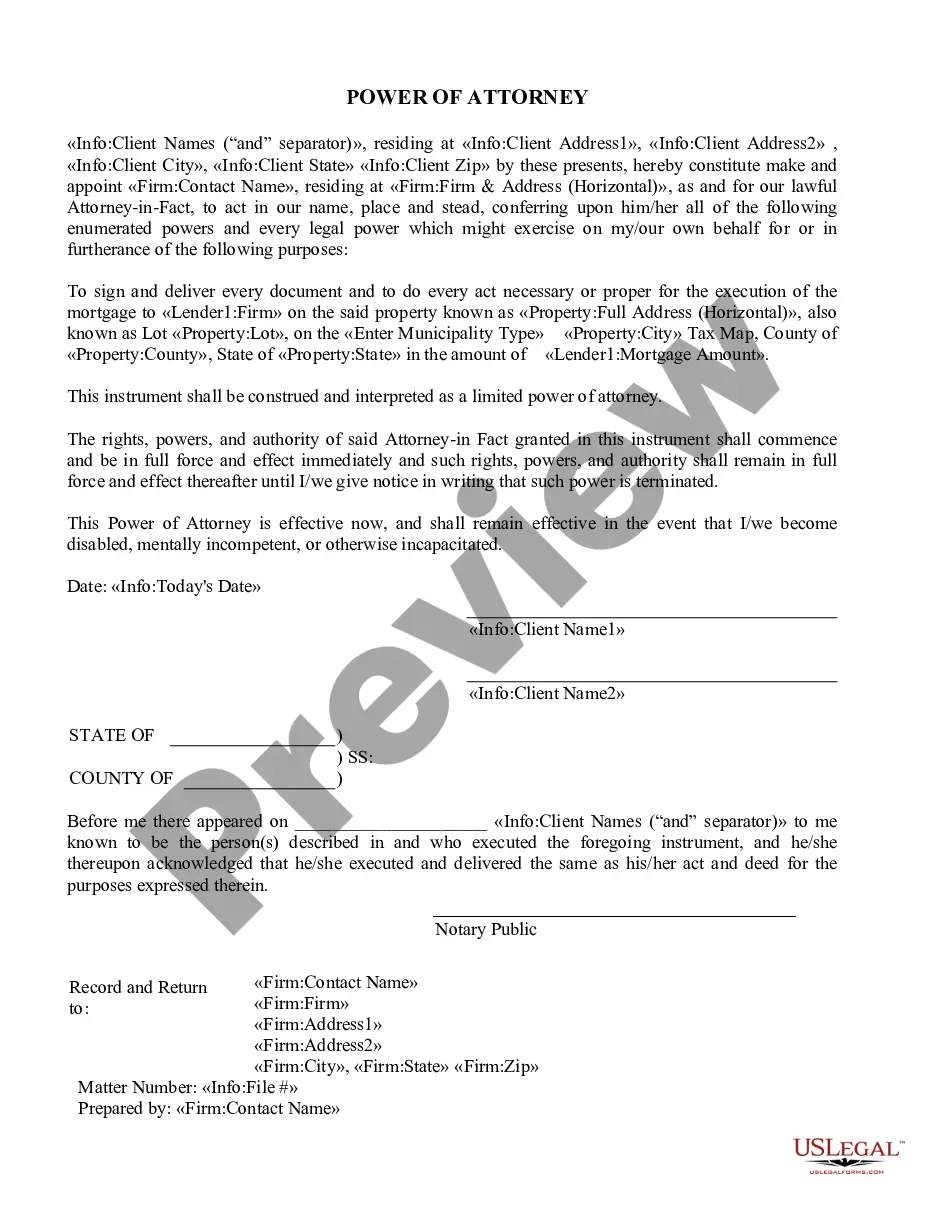
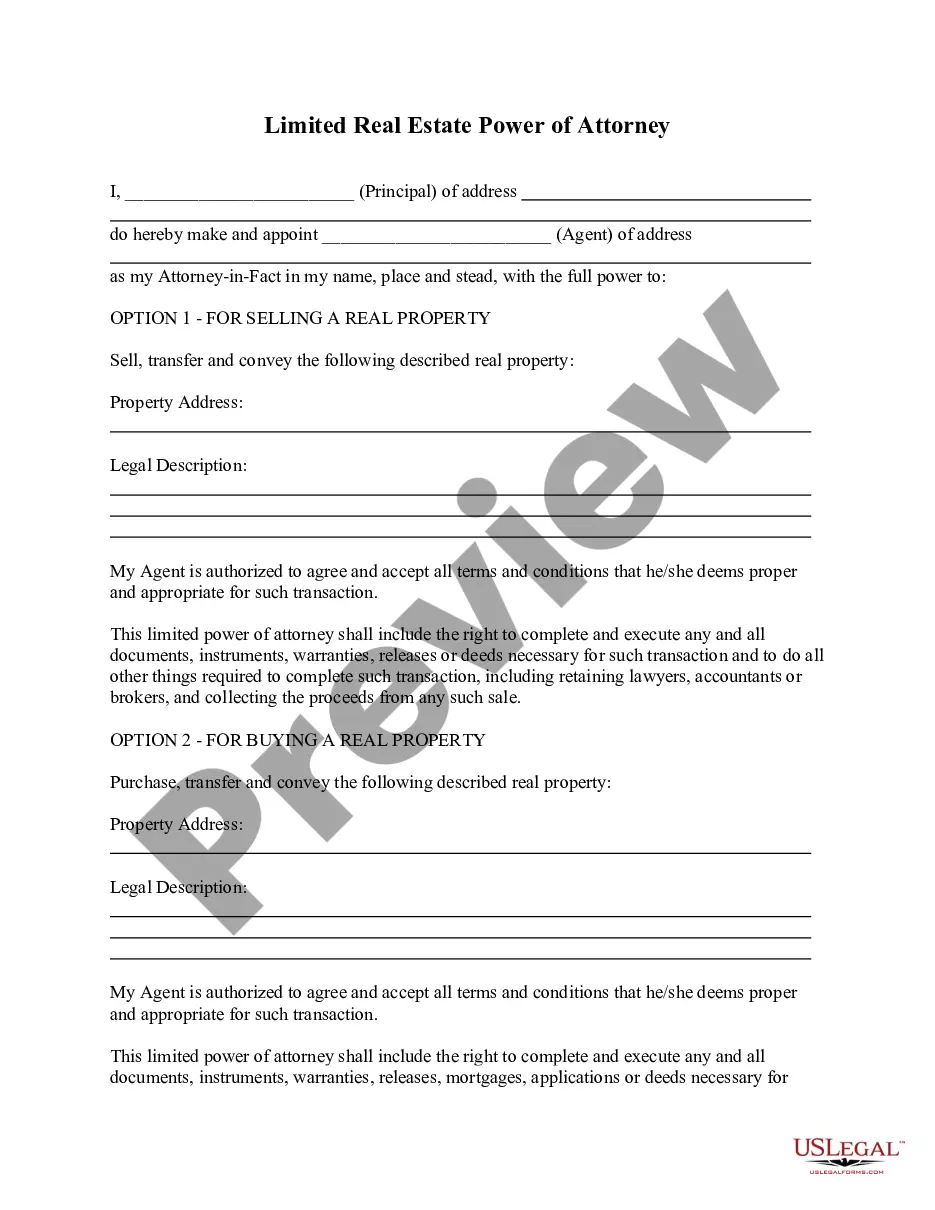
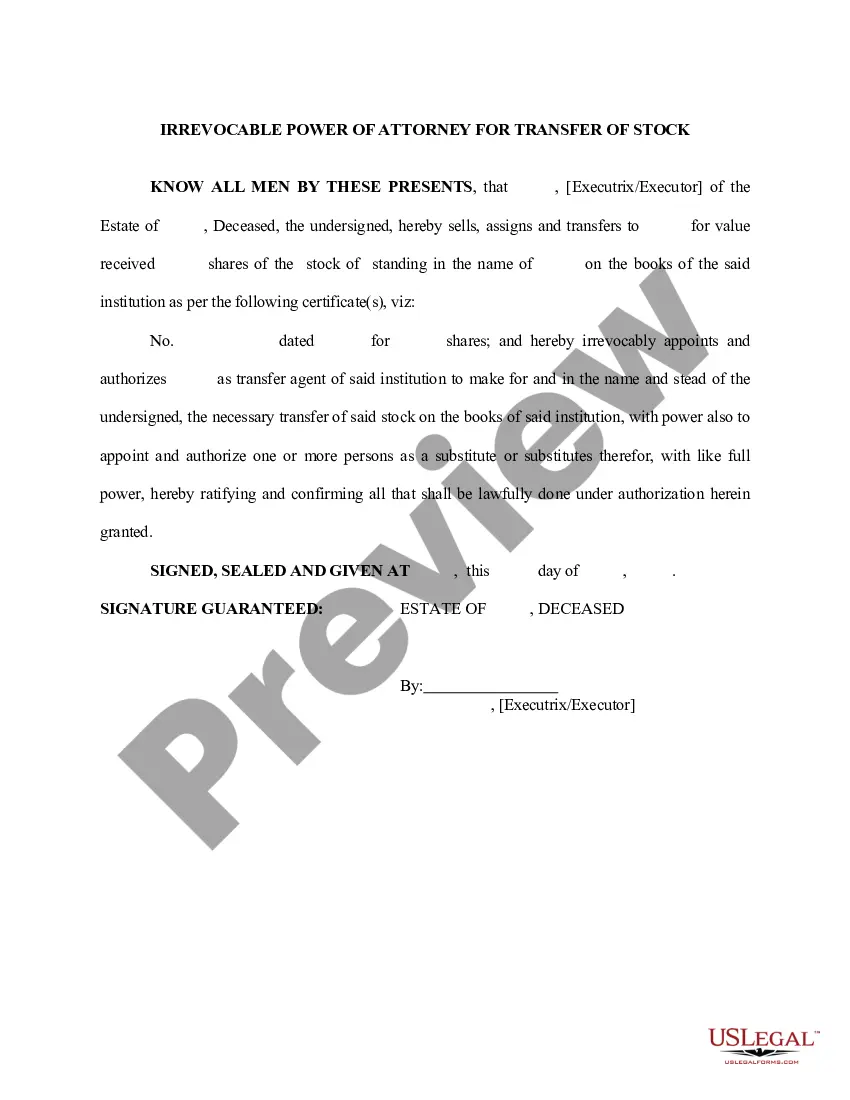
This Limited Power of Attorney for Stock Transactions and Corporate Powers is a legal document that allows a shareholder to grant authority to another individual to manage stock-related affairs on their behalf. It specifically permits the appointed attorney-in-fact to vote stocks and perform other corporate powers without needing a proxy. This type of power of attorney is limited to stock transactions and differs from broader Powers of Attorney, which may apply to a wider range of legal and financial matters.
Form components explained
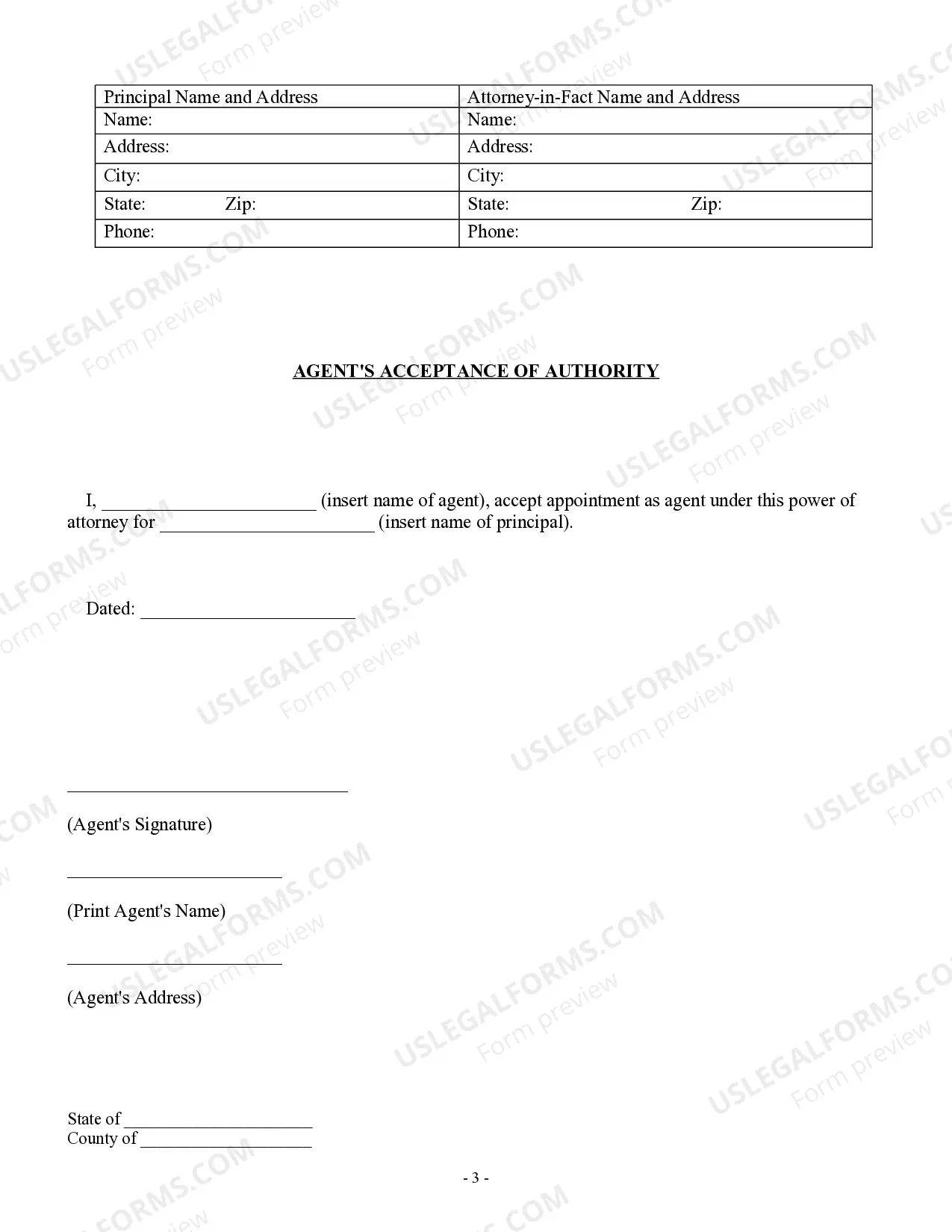
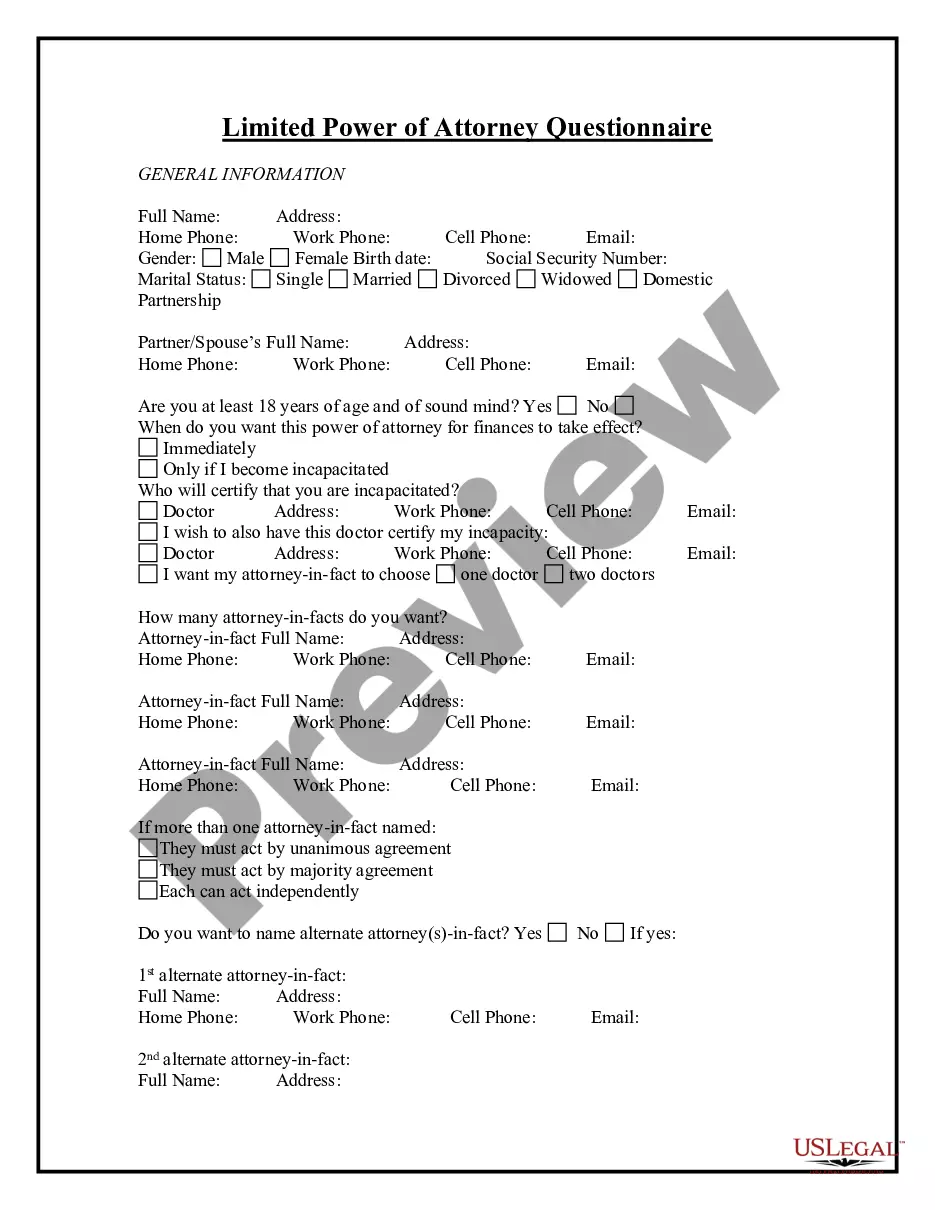
- Principal's name and contact information
- Agent's name and contact information
- Specific powers granted regarding stock transactions
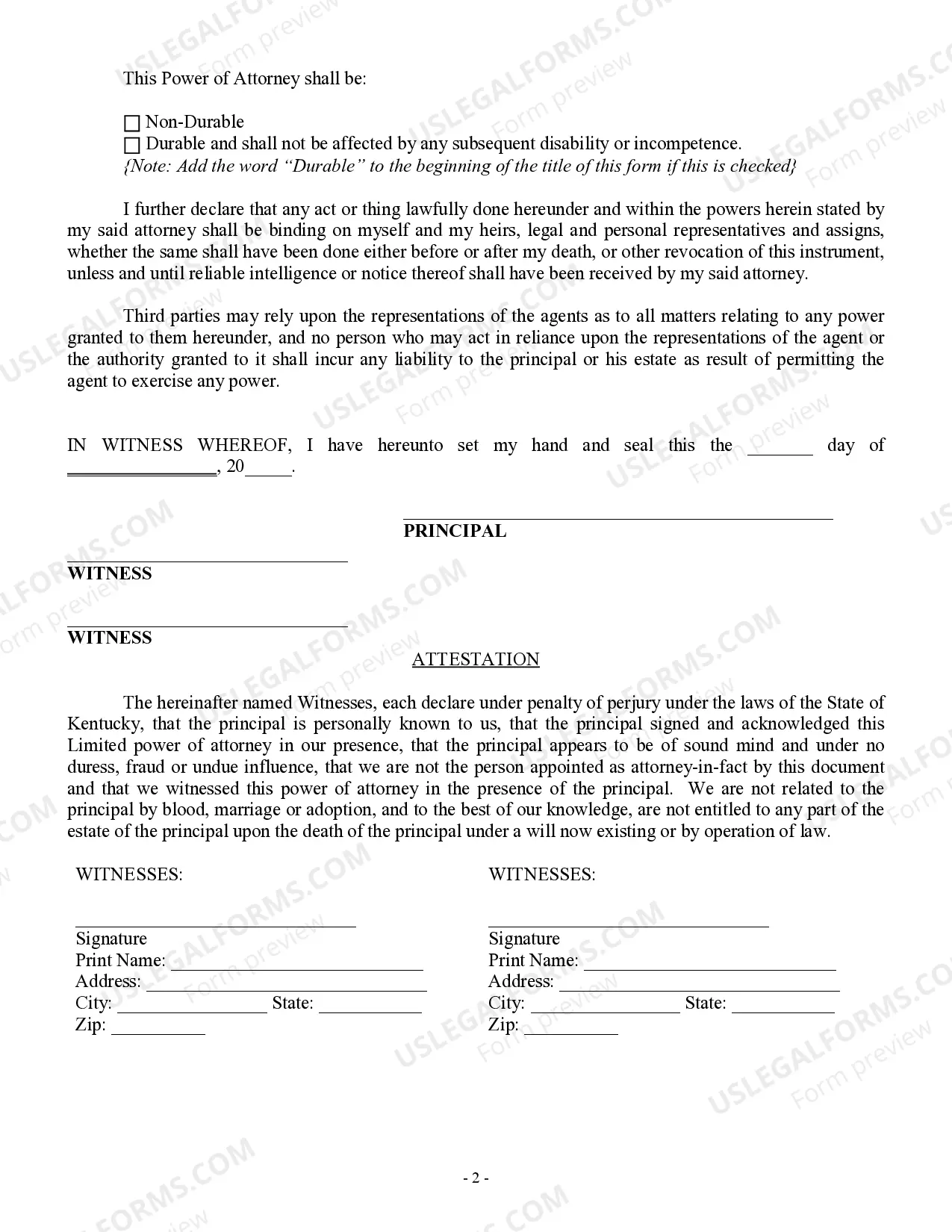
- Signature requirements, including two witnesses
- Declaration of the attorney-in-fact's acceptance of authority
- Stipulation on durability of the power (non-durable or durable)

When to use this document
This form is useful when a shareholder wishes to delegate their voting rights and other corporate powers to another individual temporarily or for a specific transaction, such as selling or transferring stocks. It is often employed during times when the shareholder cannot attend meetings or needs assistance in managing their stock holdings due to other obligations or circumstances.
Intended users of this form
- Shareholders who want to allow someone else to manage their stock transactions
- Individuals who require assistance in exercising their corporate voting rights
- Anyone looking to limit the scope of authority for stock-related decisions
Steps to complete this form
- Identify and enter the principal's name and address at the top of the form.
- Designate the agent (attorney-in-fact) by entering their name and address.
- Clearly specify the powers being granted regarding stock transactions.
- Have the principal sign the document in the presence of two witnesses.
- Ensure all parties complete their respective signatures, including witnesses and the agent accepting authority.
Notarization guidance
This document requires notarization to meet legal standards. US Legal Forms provides secure online notarization powered by Notarize, allowing you to complete the process through a verified video call, available 24/7.
Get your form ready online
Our built-in tools help you complete, sign, share, and store your documents in one place.
Make edits, fill in missing information, and update formatting in US Legal Forms—just like you would in MS Word.
Download a copy, print it, send it by email, or mail it via USPS—whatever works best for your next step.
Sign and collect signatures with our SignNow integration. Send to multiple recipients, set reminders, and more. Go Premium to unlock E-Sign.
If this form requires notarization, complete it online through a secure video call—no need to meet a notary in person or wait for an appointment.
We protect your documents and personal data by following strict security and privacy standards.

Make edits, fill in missing information, and update formatting in US Legal Forms—just like you would in MS Word.

Download a copy, print it, send it by email, or mail it via USPS—whatever works best for your next step.

Sign and collect signatures with our SignNow integration. Send to multiple recipients, set reminders, and more. Go Premium to unlock E-Sign.

If this form requires notarization, complete it online through a secure video call—no need to meet a notary in person or wait for an appointment.

We protect your documents and personal data by following strict security and privacy standards.
Common mistakes to avoid
- Failing to have the document signed by two witnesses as required in Kentucky.
- Not clearly specifying the powers granted, leading to ambiguity.
- Omitting the agent's acceptance of authority section, which is crucial for validity.
Why complete this form online
- Convenience of completing the form from anywhere at any time.
- Editable format allows for customization without the hassle of paperwork.
- Access to reliable legal templates drafted by licensed attorneys.
Legal use & context
- This form enables the attorney-in-fact to perform specific actions on behalf of the principal regarding stock transactions.
- It is binding once executed properly, protecting both the principal and the agent involved.
- The powers granted will remain effective unless revoked by the principal.
Summary of main points
- The Limited Power of Attorney is a focused tool for stock and corporate matters.
- Proper execution requires signatures from the principal and witnesses.
- This form can be tailored to address specific needs within the boundaries of corporate governance.
Looking for another form?
Form popularity
FAQ
A Power of Attorney, like a Trust, does not need to be registered or recorded in the public records in order to be effective. It does have to be in writing, signed, witnessed and notarized.
Just as under the present law, a power of attorney is not required by the new law to be recorded, unless it is being use to convey, release or transfer any interest in real estate.
A limited power of attorney grants the representative that you choose (the agent or attorney-in-fact) the power to act on your behalf under limited circumstances.Under a general power of attorney, the agent or attorney-in-fact can do anything that you can do.
Limited Power of Attorney (LPOA) is an authorization that permits a portfolio manager to perform specific functions on behalf of the account owner. In general, the LPOA allows the manager to execute an agreed-upon investment strategy and take care of routine related business without contacting the account holder.
When you give someone the POA, there are important limitations to the power the agent has. First, your agent must make decisions within the terms of the legal document and can't make decisions that break the agreement, and the agent can be held liable for any fraud or negligence.
Can the Power of Attorney be used by the agent to take my money or property without my permission? Unfortunately, you can run the risk that the agent you choose to give your Power of Attorney could abuse the power by spending your money or taking your money without your knowledge or worse without your permission.
General Power of Attorney. Durable Power of Attorney. Special or Limited Power of Attorney. Springing Durable Power of Attorney.
If the agent is acting improperly, family members can file a petition in court challenging the agent. If the court finds the agent is not acting in the principal's best interest, the court can revoke the power of attorney and appoint a guardian. The power of attorney ends at death.