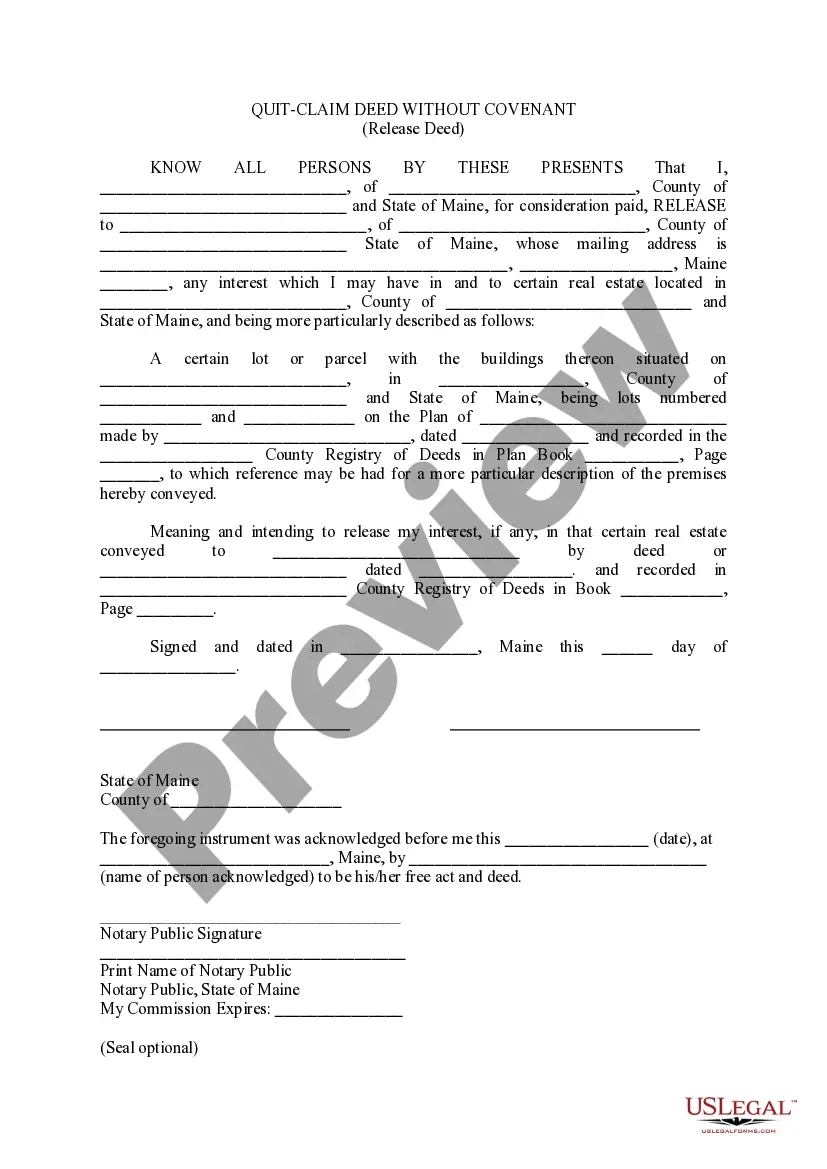
Kentucky Warranty Deed from Husband and Wife to an Individual
What this document covers
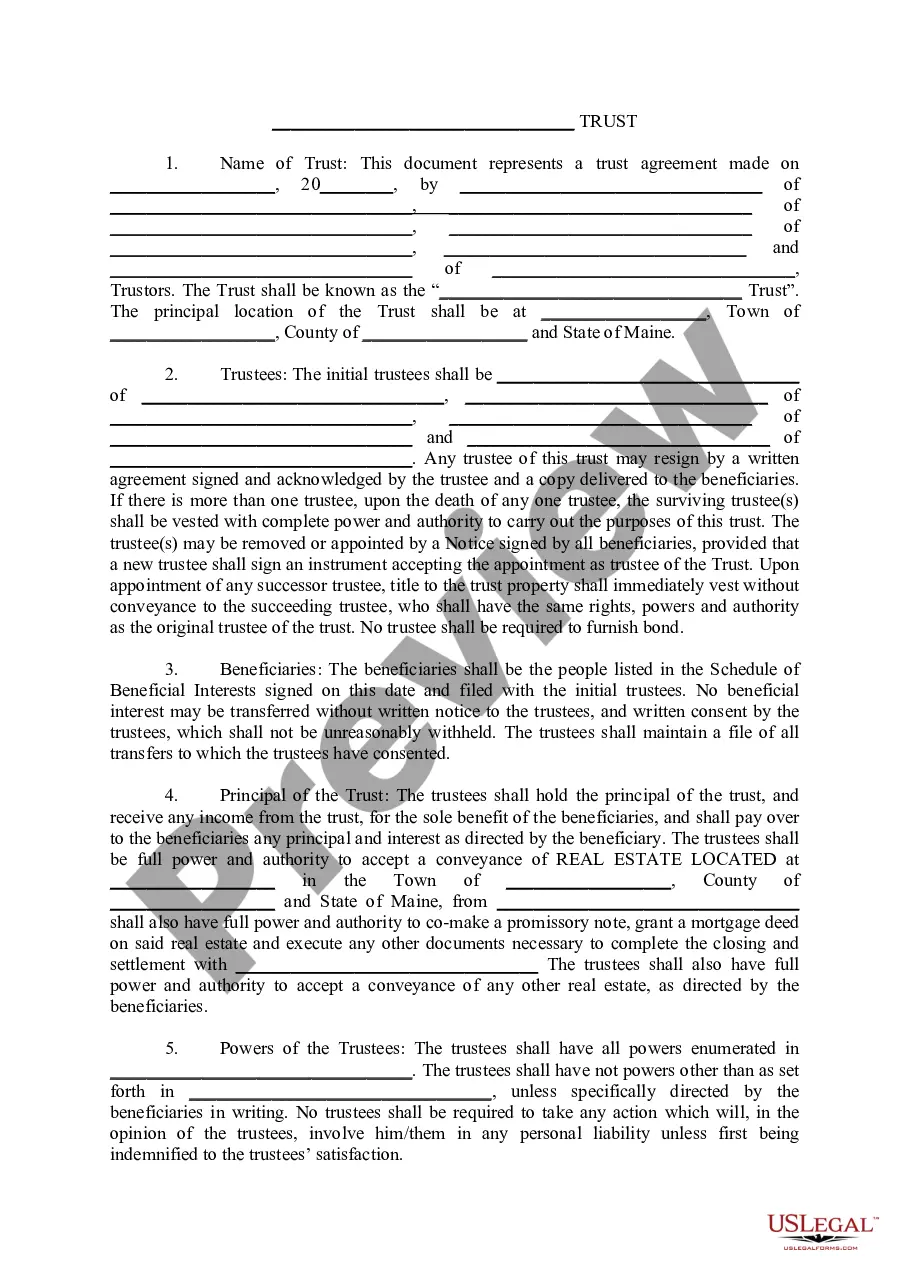
This Warranty Deed from Husband and Wife to an Individual is a legal document that transfers ownership of real estate from a married couple (grantors) to a single individual (grantee). It includes warranties that guarantee the title to the property is clear, providing protection against future claims. This form is specifically designed for situations where both spouses are jointly conveying property to an individual, standing apart from other types of deeds such as quitclaim or special warranty deeds.
Key components of this form
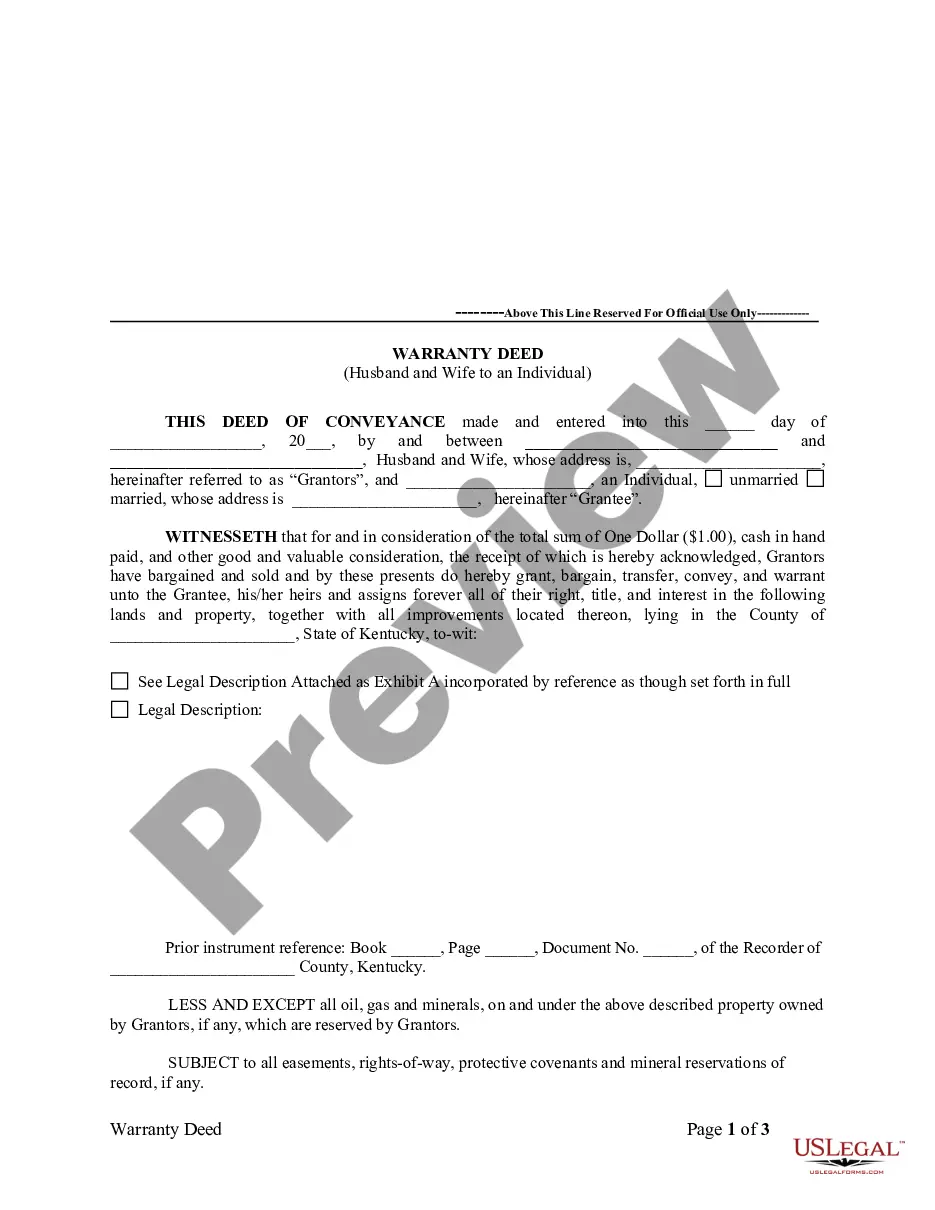
- Identification of the Grantors (husband and wife) and Grantee (individual).
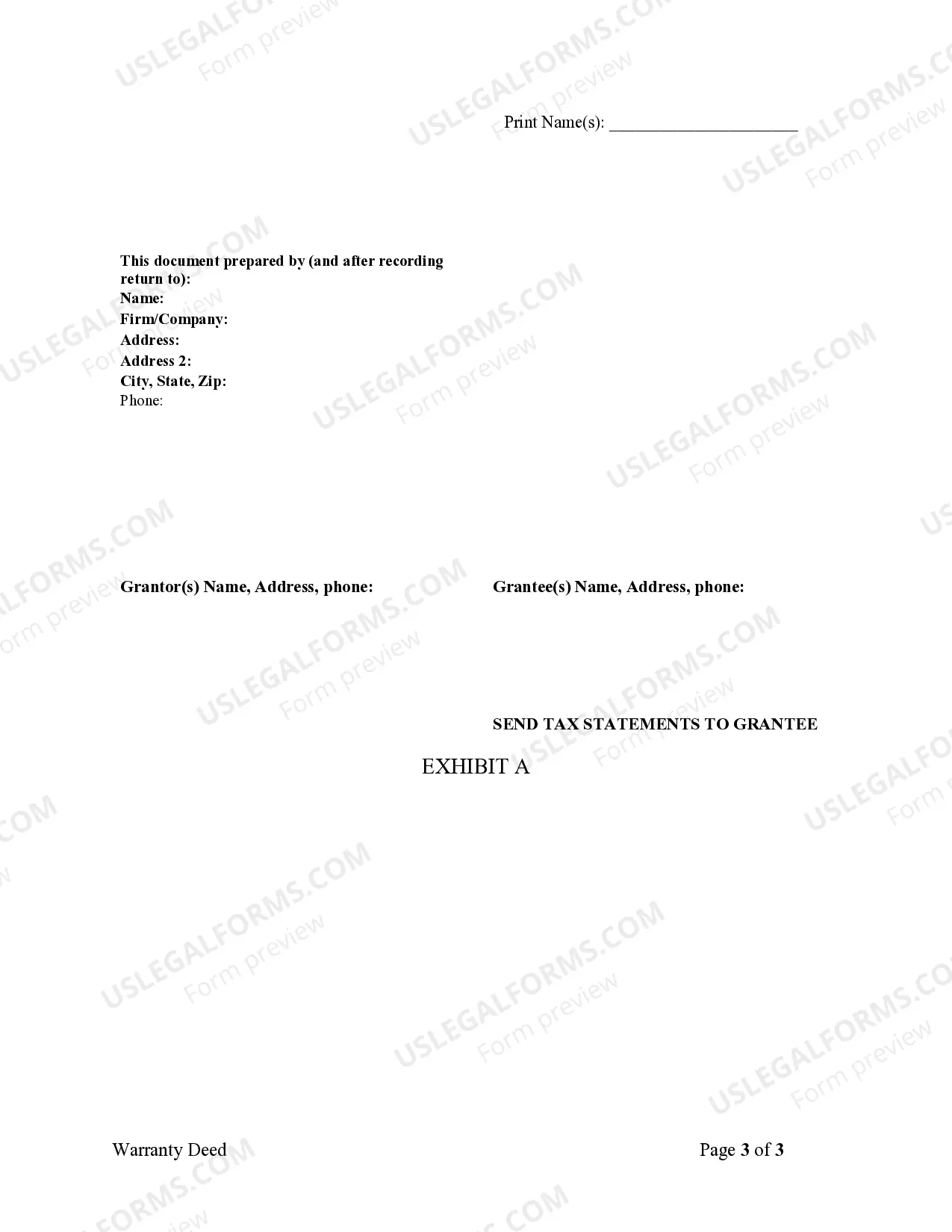
- Legal description of the property being conveyed.
- Consideration amount, typically stated as one dollar and other valuable consideration.
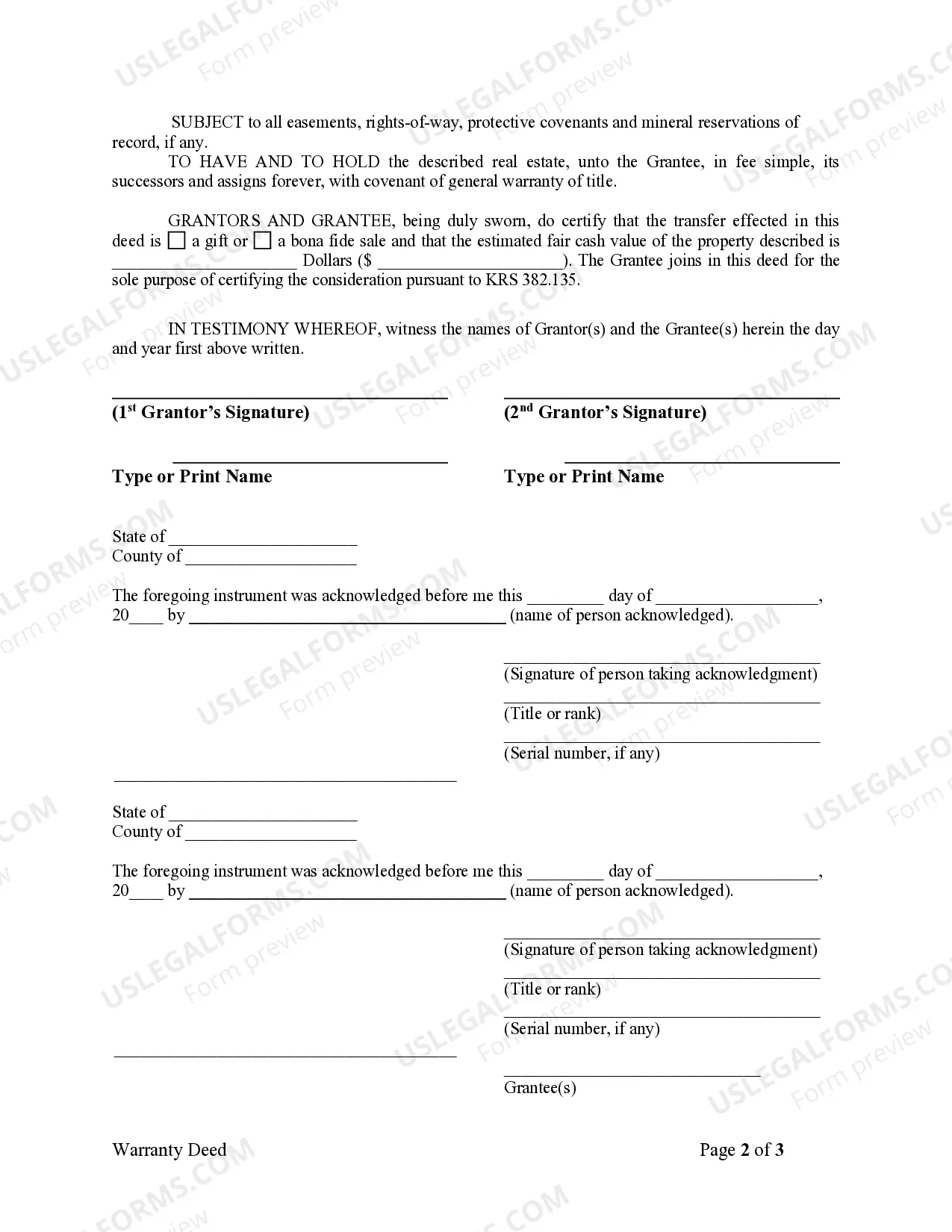
- Warranties provided by the Grantors regarding the title of the property.
- Signatures of Grantors and Grantee, along with notary acknowledgment.






Common use cases
This form should be used when a married couple wishes to transfer their jointly owned real estate to another individual, while maintaining specific rights regarding natural resources (like oil and gas) beneath the surface of the land. This situation commonly arises during estate planning, divorce settlements, or when consolidating property ownership.
Who needs this form
- Husbands and wives looking to transfer property ownership to an individual.
- Individuals in real estate transactions involving married grantors.
- Anyone needing a legally binding warranty deed for state compliance.
How to complete this form
- Identify the parties involved: enter the names and addresses of both the grantors (husband and wife) and the grantee.
- Specify the property: provide a detailed legal description of the property being conveyed.
- State the consideration: indicate the value being exchanged, typically one dollar and any additional considerations.
- Obtain necessary signatures: ensure all grantors and the grantee sign the deed in the presence of a notary public.
- File the deed: submit the completed and notarized form to the local county recorder's office for official recording.
Does this document require notarization?
This form needs to be notarized to ensure legal validity. US Legal Forms provides secure online notarization powered by Notarize, allowing you to complete the process through a verified video call, available anytime.
Get your form ready online
Our built-in tools help you complete, sign, share, and store your documents in one place.
Make edits, fill in missing information, and update formatting in US Legal Forms—just like you would in MS Word.
Download a copy, print it, send it by email, or mail it via USPS—whatever works best for your next step.
Sign and collect signatures with our SignNow integration. Send to multiple recipients, set reminders, and more. Go Premium to unlock E-Sign.
If this form requires notarization, complete it online through a secure video call—no need to meet a notary in person or wait for an appointment.
We protect your documents and personal data by following strict security and privacy standards.

Make edits, fill in missing information, and update formatting in US Legal Forms—just like you would in MS Word.

Download a copy, print it, send it by email, or mail it via USPS—whatever works best for your next step.

Sign and collect signatures with our SignNow integration. Send to multiple recipients, set reminders, and more. Go Premium to unlock E-Sign.

If this form requires notarization, complete it online through a secure video call—no need to meet a notary in person or wait for an appointment.

We protect your documents and personal data by following strict security and privacy standards.
Avoid these common issues
- Failing to provide a complete legal description of the property.
- Not having the deed notarized, which is essential for validity.
- Leaving out signatures from one or more grantors or the grantee.
- Incorrectly stating the consideration amount, which can affect the legitimacy of the transfer.
Why complete this form online
- Convenience of downloading and filling the form at your own pace.
- Editability allows for easy modification of information before finalization.
- Reliable templates drafted by licensed attorneys ensure legal compliance.
Looking for another form?






Form popularity
FAQ
Transferring property title to a family member in Kentucky involves using a suitable deed, such as the Kentucky Warranty Deed from Husband and Wife to an Individual. Fill out the deed with all necessary details about the property and the new title holder. Secure notarization for the document, and then file it with the county clerk's office. This process ensures that the property title transfer is legally recognized.
States that allow TOD deeds are Alaska, Arizona, Arkansas, California, Colorado, District of Columbia, Hawaii, Illinois, Indiana, Kansas, Maine, Minnesota, Mississippi, Missouri, Montana, Nebraska, Nevada, New Mexico, North Dakota, Ohio, Oklahoma, Oregon, South Dakota, Texas, Utah, Virginia, Washington, West Virginia,
Kentucky does not allow real estate to be transferred with transfer-on-death deeds.
The mortgage company usually prepares this deed as part of the loan package and delivers it to the title company for you to sign at closing. The title company is commonly the trustee to the deed and holds legal title to the property until the loan gets fully repaid.
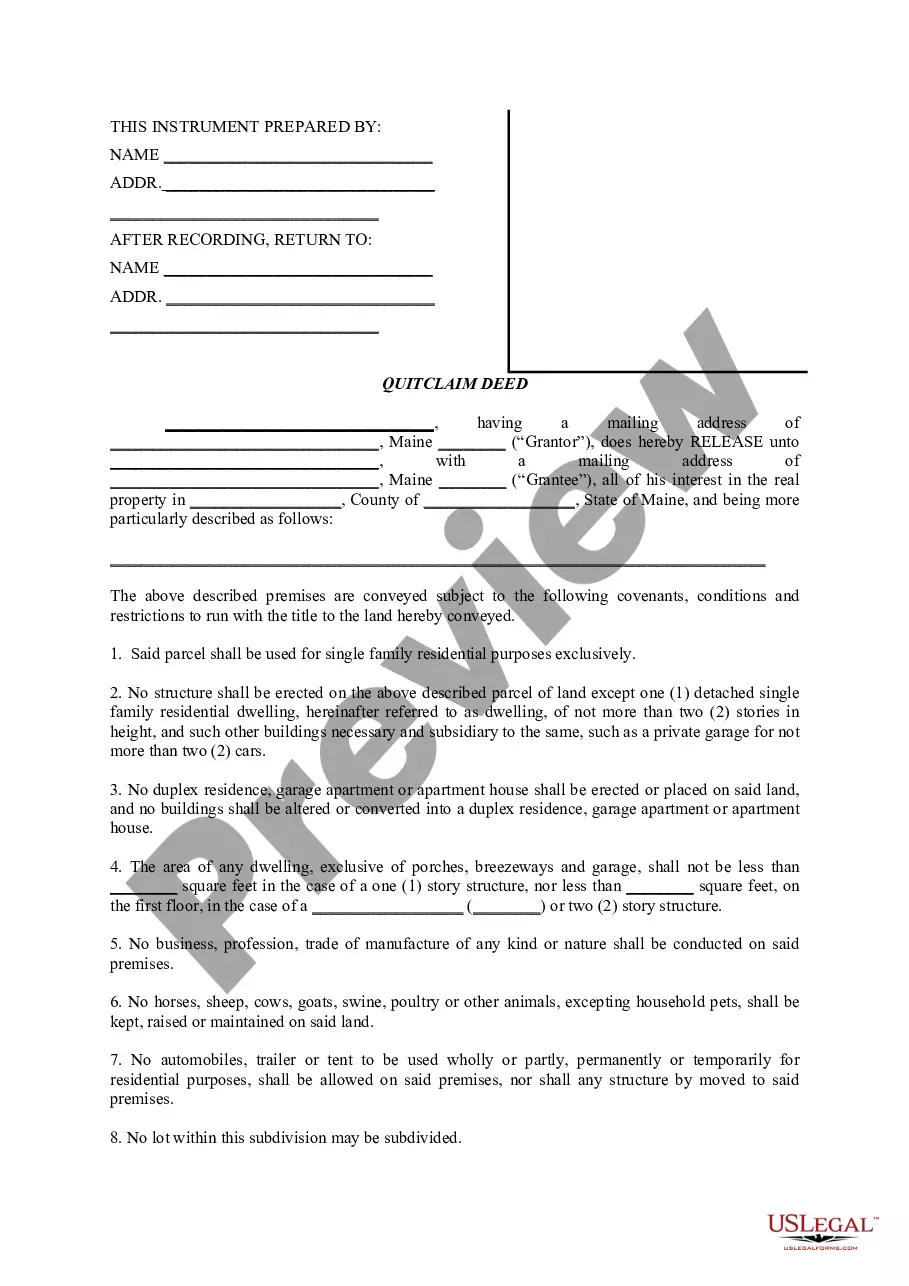
A Kentucky (KY) quitclaim deed is a document that transfers interest in a piece of property from one person (the grantor) to another person (the grantee).Unlike in a warranty deed, in a quitclaim deed, the seller does not provide a guarantee that the title is clear.
A beneficiary form states who will directly inherit the asset at your death. Under a TOD arrangement, you keep full control of the asset during your lifetime and pay taxes on any income the asset generates as you own it outright. TOD arrangements require minimal paperwork to establish.
Either (1) a sworn, notarized certificate signed by the grantor or his agent and the grantee or his agent, that the consideration reflected in the deed is the full consideration paid for the property, or (2) a sworn, notarized certificate signed by the grantor or his agent and the grantee or his agent, stating that the
Technically, any seller (attorney or non-attorney) can prepare their own deed; however, it must contain all the correct language, for the specific situation, in order for it to do what you want it to do2026and in order for it to be acceptable for recording by the county clerk's office in the county in which the property
Benefits of a California TOD Deed Form Probate Avoidance A transfer-on-death deed allows homeowners to avoid probate at death.Saving Legal Fees Although the goals of a transfer-on-death deed could also be accomplished with a living trust, a transfer-on-death deed provides a less expensive alternative.