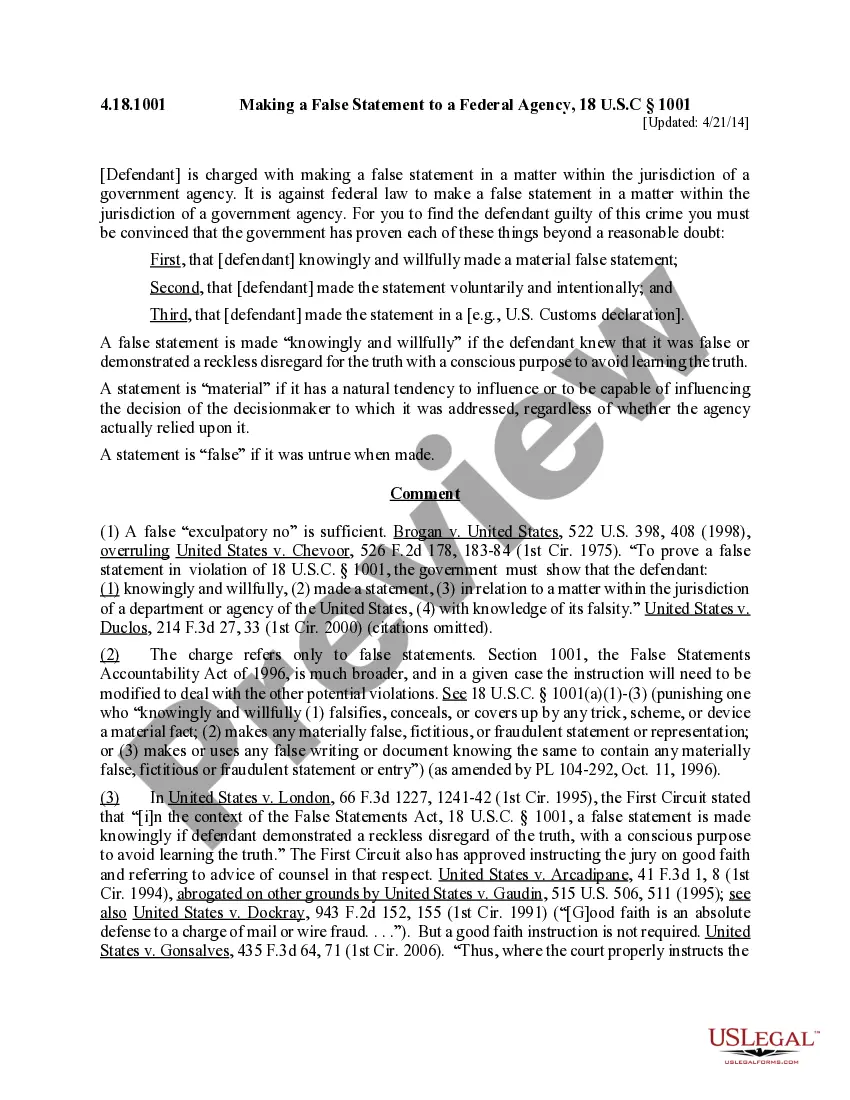
Kentucky Warranty Deed from Husband to Himself and Wife
What is this form?
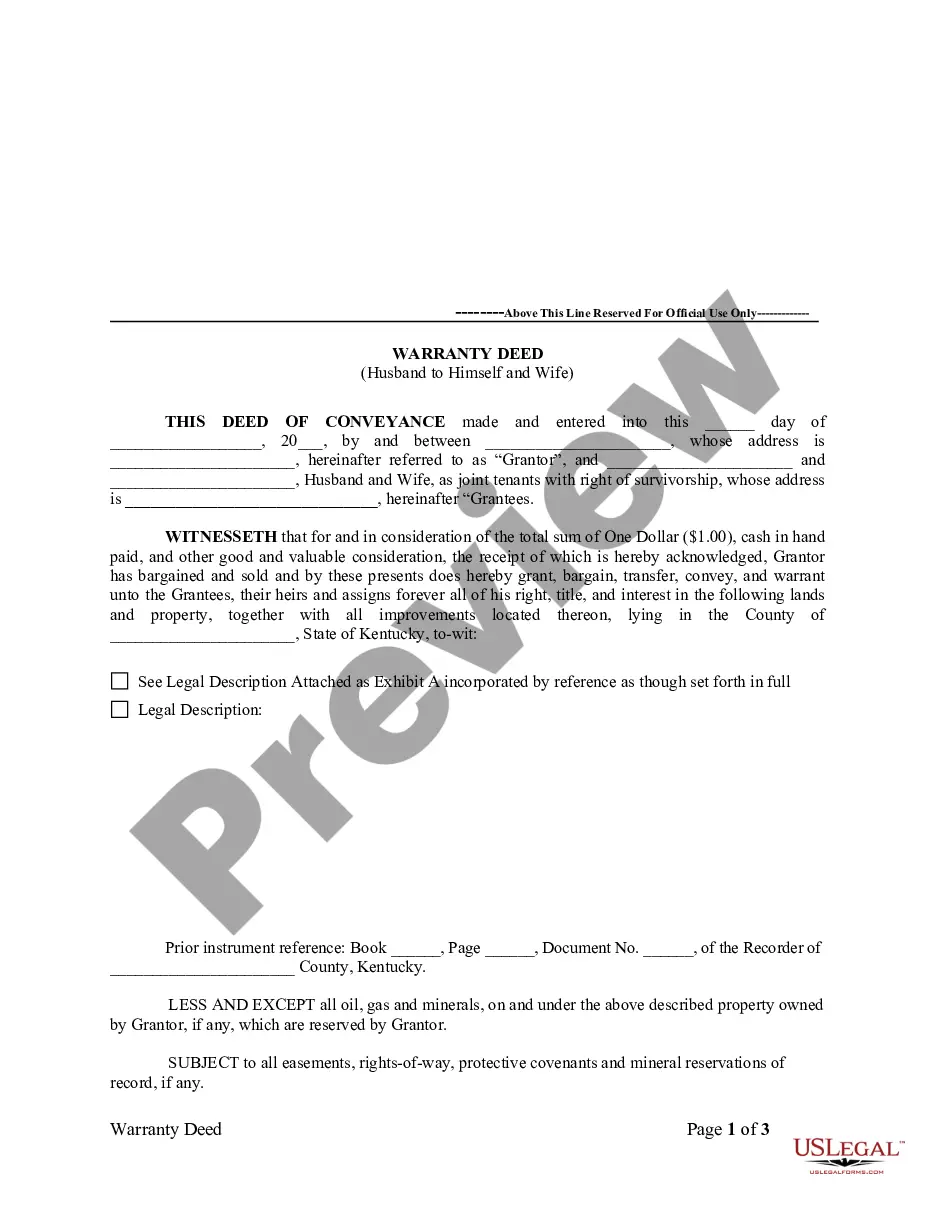
The Warranty Deed from Husband to Himself and Wife is a legal document used to transfer property ownership. In this deed, the husband acts as the grantor, transferring the property to himself and his wife as joint tenants with rights of survivorship. This means that both spouses hold equal rights to the property, and if one passes away, the surviving spouse automatically inherits the deceased spouse's share. This form is distinct from other deed types as it includes the right of survivorship and is often used in marital situations to ensure property passes seamlessly between spouses without probate complications.
Form components explained
- Identification of the grantor (husband) and grantees (husband and wife).
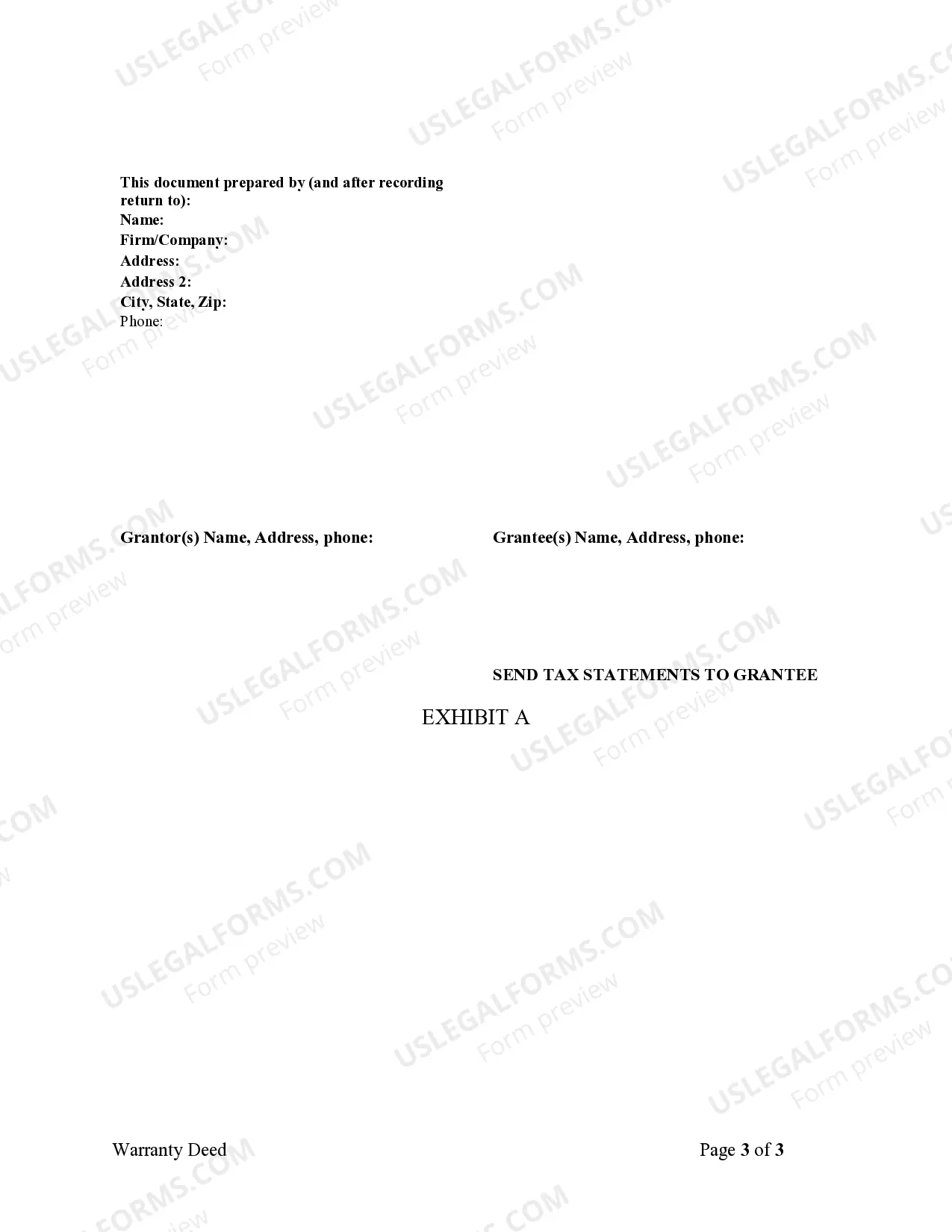
- Legal description of the property being transferred, attached as an exhibit.
- Statement of consideration (typically one dollar and other valuable considerations).
- Covenant of general warranty of title.
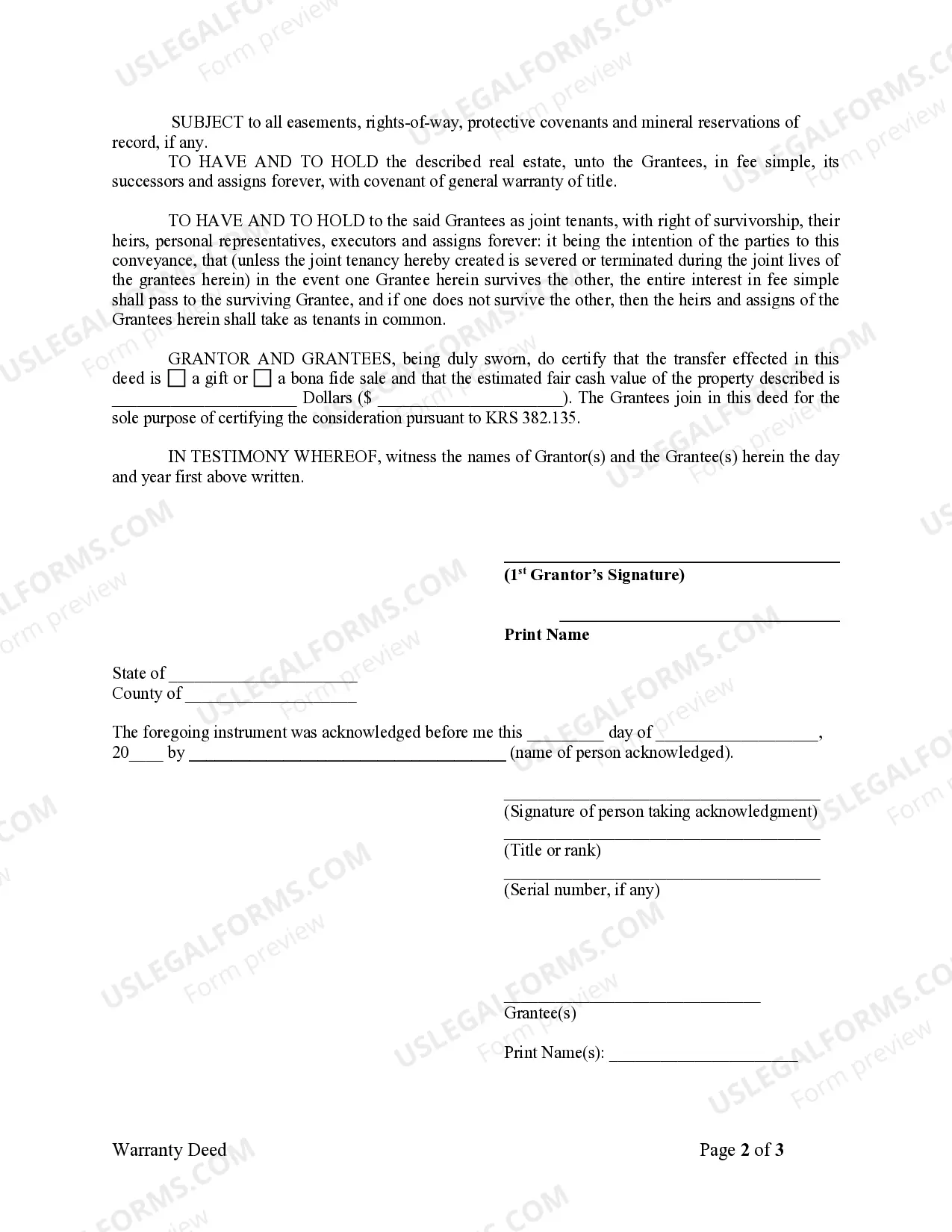
- Joint tenancy with right of survivorship clause.
- Notarization section to validate the deed.




When this form is needed
This form is needed when a husband wishes to formally transfer property ownership to both himself and his wife, establishing joint tenancy. It is particularly useful in situations such as marriage, when joint ownership simplifies estate planning, or when ensuring that property is automatically transferred to the surviving spouse upon death, thereby avoiding probate processes.
Who this form is for
- Married couples looking to co-own property.
- Individuals seeking to organize their estate plans effectively.
- Those wanting to ensure a smooth transfer of property rights upon death.
How to complete this form
- Identify and enter the full names and addresses of the grantor (husband) and grantees (husband and wife).
- Complete the legal description of the property in Exhibit A.
- Specify the date the deed is executed.
- Enter the consideration amount (commonly one dollar) and any other relevant details.
- Both grantor and grantees must sign in front of a notary public to validate the deed.
Does this form need to be notarized?
Yes, this form must be notarized to be legally valid. A notary public will confirm the identities of the parties signing the document, providing an additional layer of protection against fraud. US Legal Forms offers integrated online notarization services, which are available 24/7 via secure video call, ensuring a simple process without the need to travel.
Get your form ready online
Our built-in tools help you complete, sign, share, and store your documents in one place.
Make edits, fill in missing information, and update formatting in US Legal Forms—just like you would in MS Word.
Download a copy, print it, send it by email, or mail it via USPS—whatever works best for your next step.
Sign and collect signatures with our SignNow integration. Send to multiple recipients, set reminders, and more. Go Premium to unlock E-Sign.
If this form requires notarization, complete it online through a secure video call—no need to meet a notary in person or wait for an appointment.
We protect your documents and personal data by following strict security and privacy standards.

Make edits, fill in missing information, and update formatting in US Legal Forms—just like you would in MS Word.

Download a copy, print it, send it by email, or mail it via USPS—whatever works best for your next step.

Sign and collect signatures with our SignNow integration. Send to multiple recipients, set reminders, and more. Go Premium to unlock E-Sign.

If this form requires notarization, complete it online through a secure video call—no need to meet a notary in person or wait for an appointment.

We protect your documents and personal data by following strict security and privacy standards.
Typical mistakes to avoid
- Failing to include a complete legal description of the property.
- Not having the deed notarized, which may invalidate the transfer.
- Inaccurate dates or names which can lead to legal disputes.
- Not understanding the implications of joint tenancy and rights of survivorship.
Advantages of online completion
- Convenience of accessing and downloading the form at any time.
- Editability allows for customization to fit specific needs.
- The form is prepared by licensed attorneys, ensuring legal compliance.
- Ease of use, with clear instructions throughout the process.
What to keep in mind
- This Warranty Deed facilitates joint ownership between a husband and wife.
- It includes rights of survivorship, simplifying property transfer upon death.
- Notarization is required for legal validity.
- Using an online template saves time and ensures compliance with legal standards.
Looking for another form?


Form popularity
FAQ
Either (1) a sworn, notarized certificate signed by the grantor or his agent and the grantee or his agent, that the consideration reflected in the deed is the full consideration paid for the property, or (2) a sworn, notarized certificate signed by the grantor or his agent and the grantee or his agent, stating that the
In California, all property bought during the marriage with income that was earned during the marriage is deemed "community property." The law implies that both spouses own this property equally, regardless of which name is on the title deed.
A In order to make your partner a joint owner you will need to add his name at the Land Registry, for which there is a fee of £280 (assuming you transfer half the house to him). You won't, however, have to pay capital gains tax, as gifts between civil partners (and spouses) are tax free.
If you've recently married and already own a home or other real estate, you may want to add your new spouse to the deed for your property so the two of you own it jointly. To add a spouse to a deed, all you have to do is literally fill out, sign and record a new deed in your county recorder's office.
Adding someone to your house deed requires the filing of a legal form known as a quitclaim deed. When executed and notarized, the quitclaim deed legally overrides the current deed to your home. By filing the quitclaim deed, you can add someone to the title of your home, in effect transferring a share of ownership.
Adding someone to your house deed requires the filing of a legal form known as a quitclaim deed. When executed and notarized, the quitclaim deed legally overrides the current deed to your home. By filing the quitclaim deed, you can add someone to the title of your home, in effect transferring a share of ownership.
The name and address of the seller (called the grantor) The name and address of the buyer (called the grantee) A legal description of the property (found on the previous deed) A statement that the grantor is transferring the property to the grantee.
If you live in a common-law state, you can keep your spouse's name off the title the document that says who owns the property.You can put your spouse on the title without putting them on the mortgage; this would mean that they share ownership of the home but aren't legally responsible for making mortgage payments.