What is a receipt and release form? Understanding its importance
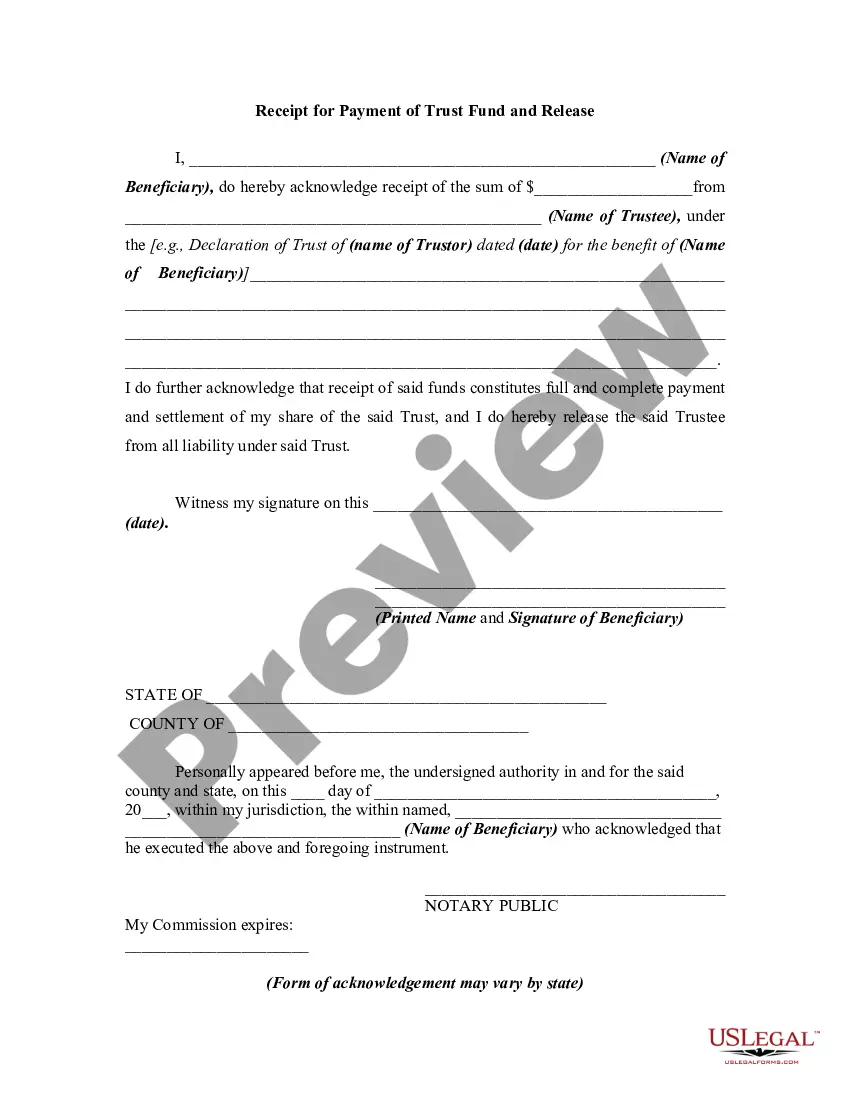
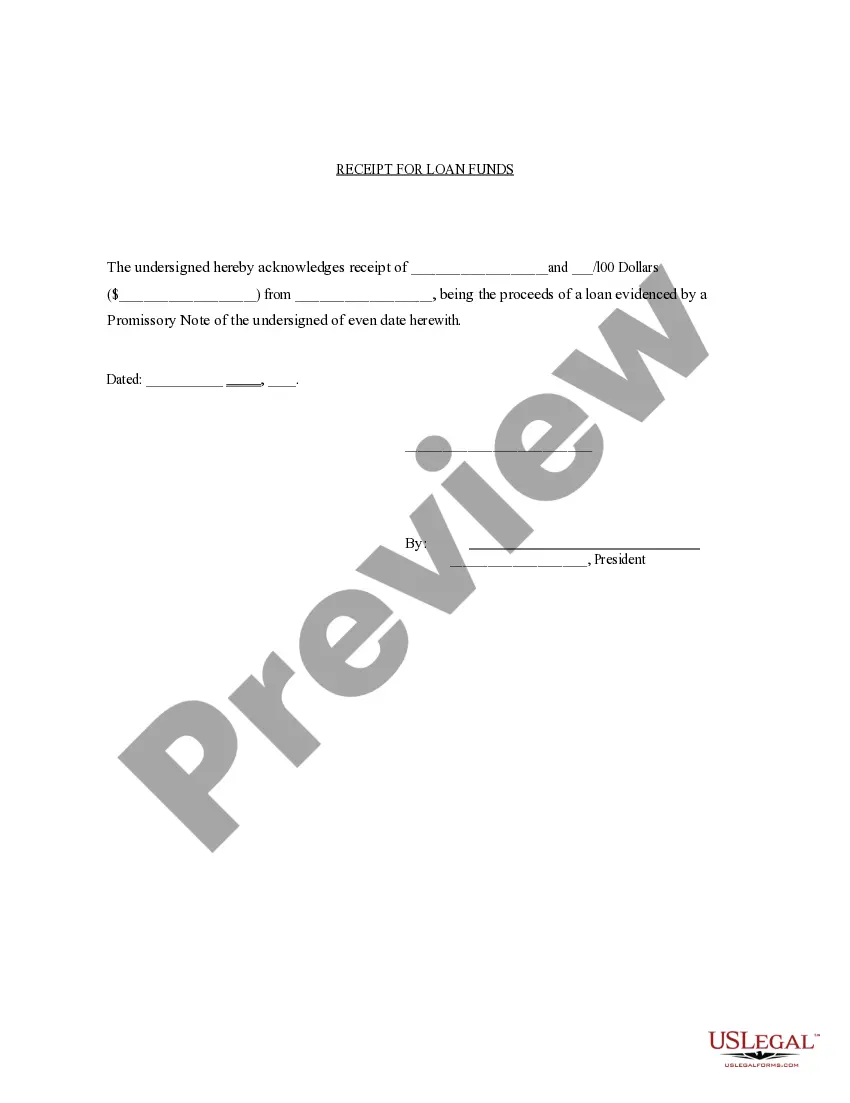
A receipt and release form is a legal document that acknowledges the payment of a debt and releases the debtor from further obligations related to that debt. This form is typically used when a borrower pays off a loan or any other financial obligation to a creditor. The primary purpose of this document is to protect both parties by formally documenting the settlement of the debt.
How to complete a form
To properly complete a receipt and release form, follow these steps:
- Begin by entering the date on which the form is being executed.
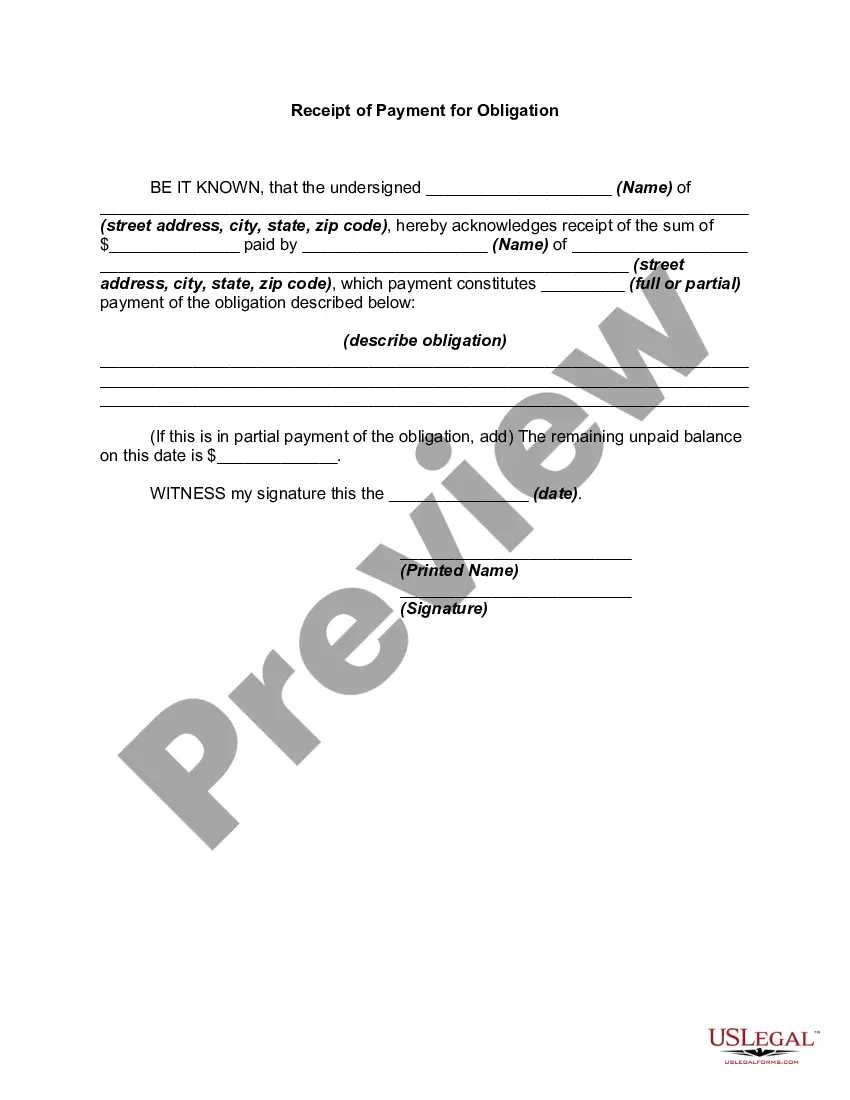
- Fill in the names and addresses of both the creditor and the borrower.
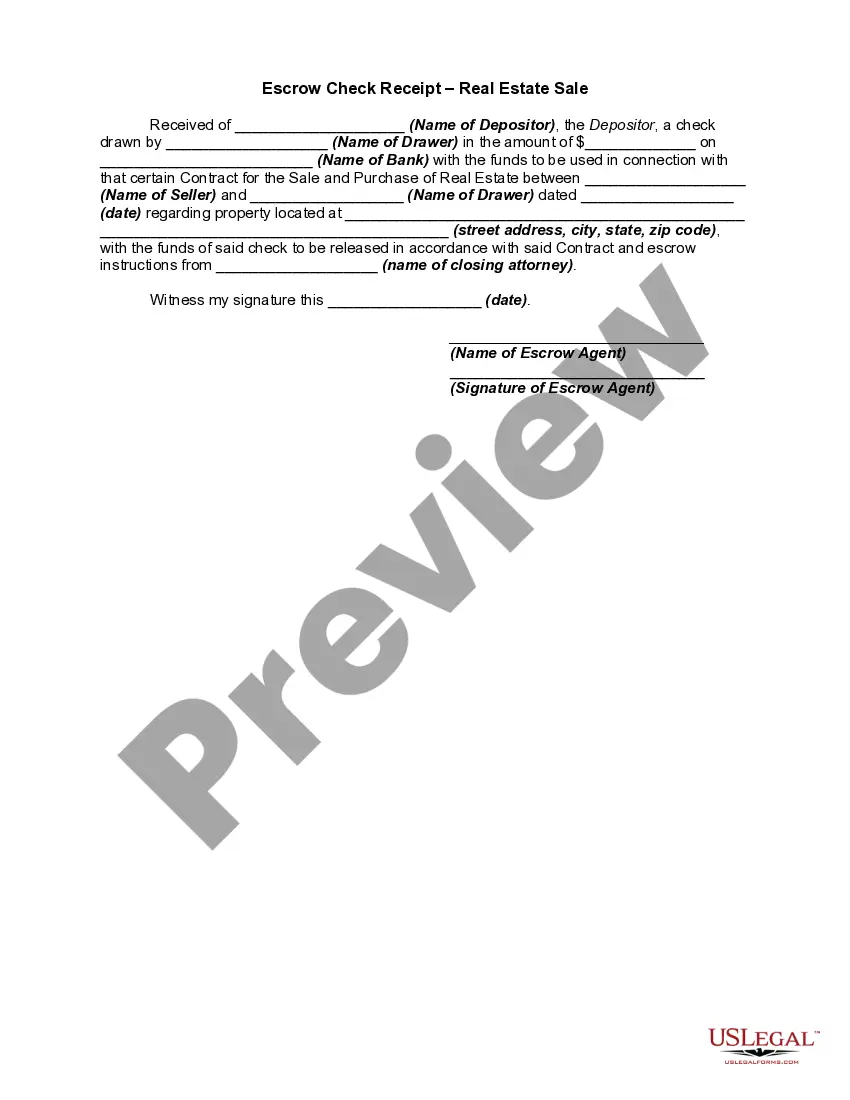
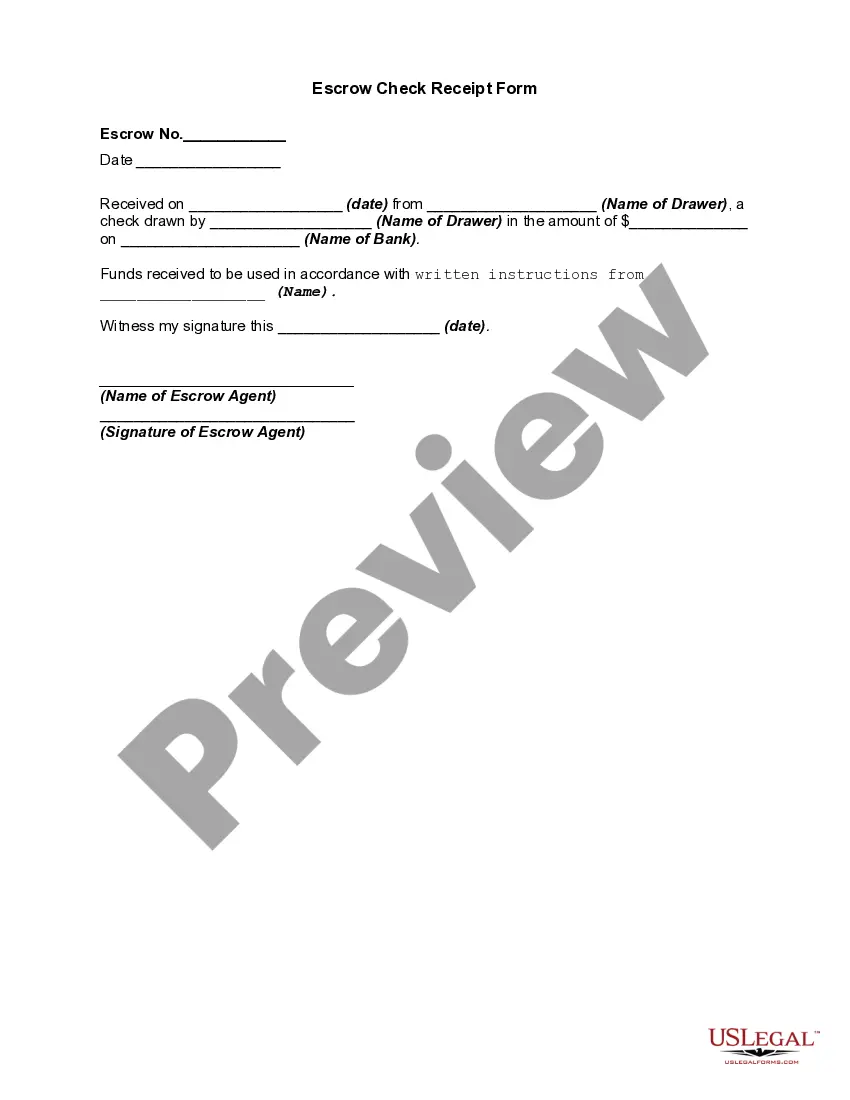
- State the amount paid by the borrower, including the currency symbol (e.g., $200).
- Clearly describe the type of obligation being settled, such as a loan or open account.
- Include any relevant document references, such as a promissory note or invoice.
- Both parties should sign the document in the presence of a notary public to validate the release.
Key components of the form
A receipt and release form typically includes several essential components:
- Names and Addresses: The full names and addresses of the creditor and borrower are necessary for identification.
- Payment Amount: The specific amount that has been paid to settle the obligation must be stated clearly.
- Description of the Obligation: This section outlines what debt is being settled and may reference any relevant documents.
- Notary Section: A space for a notary public to sign and seal the document, confirming its legitimacy.
Who should use this form
This form is suitable for individuals or businesses that have paid off an obligation and want formal acknowledgment of the payment. It is especially relevant for:
- Borrowers who want to ensure that their debt is cleared.
- Creditors looking to document that a payment has been received and no further claims can be made.
This document provides legal protection for both parties involved.
Common mistakes to avoid when using this form
When completing a receipt and release form, be mindful of the following common mistakes:
- Failing to include all necessary details, such as payment amount and obligation type.
- Not having witnesses or a notary public present during the signing.
- Using vague language that may lead to misunderstandings about the obligations being released.
- Not keeping copies of the signed document for personal records.
What to expect during notarization or witnessing
During the notarization of a receipt and release form:
- The notary will verify the identities of the parties involved.
- Both the creditor and the borrower must sign the document in the presence of the notary.
- The notary will then sign and affix their seal to the document, confirming that the transaction has been completed.
This step is critical to ensure the legality and enforceability of the release.