What Is a Notice of Hearing and Why Is It Important?
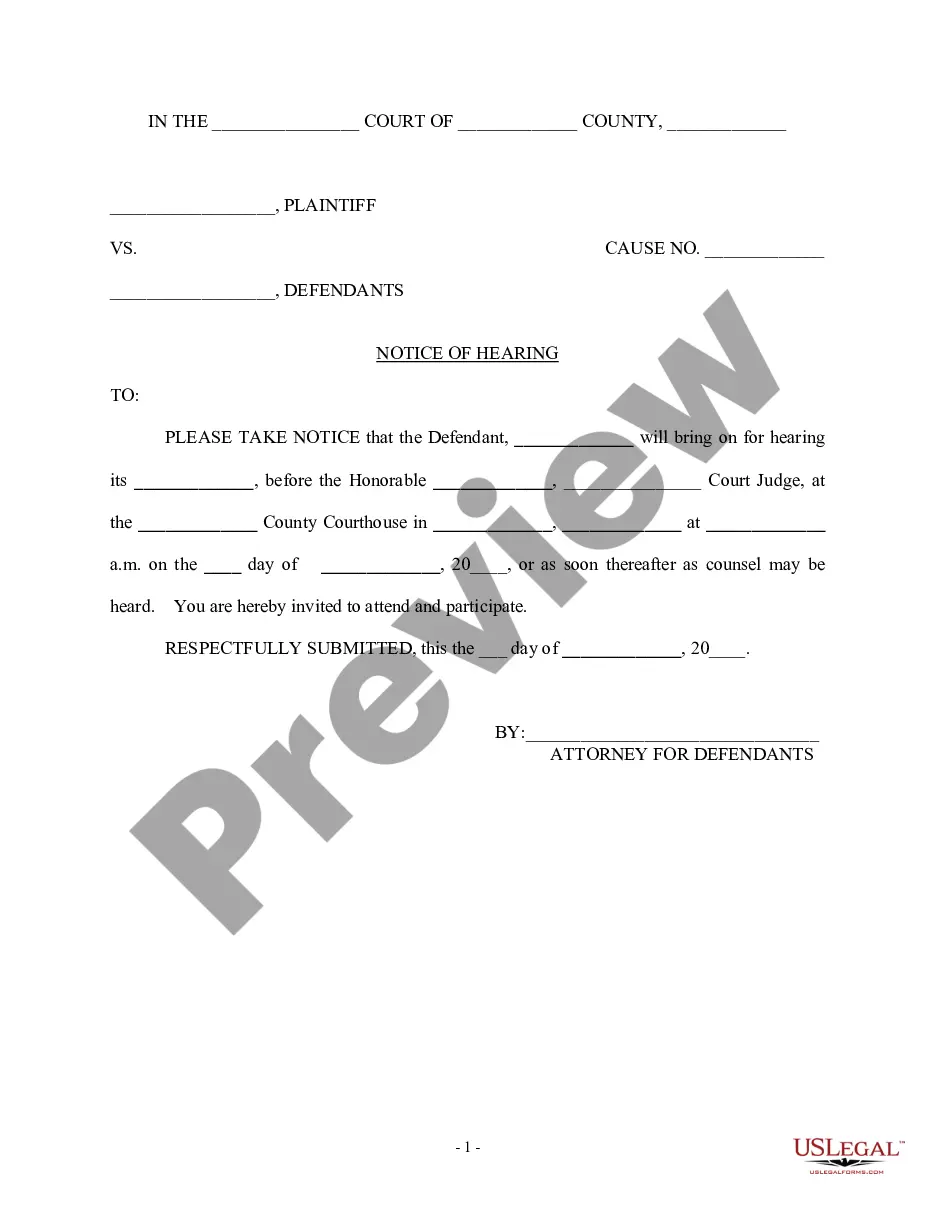
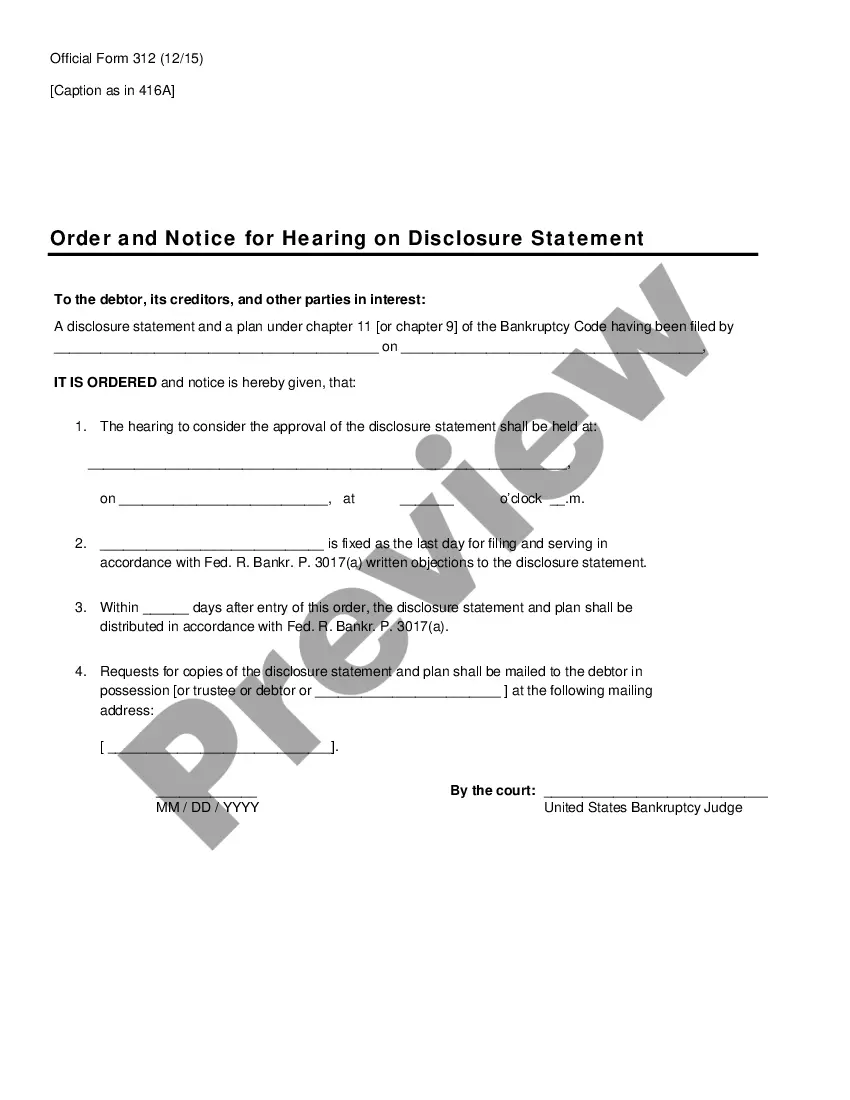
A notice of hearing is a formal document that informs parties involved in a legal proceeding about the time, date, and location of a scheduled court hearing. This document is essential for ensuring that all parties have the opportunity to present their case before a judge.
Typically, the notice will include key details such as:
- The names of the plaintiff and defendant
- The case number assigned by the court
- The specific date and time of the hearing
- The venue of the court where the hearing will take place
Who should use this form
This form is primarily used by individuals who are involved in a legal dispute and have initiated proceedings in court. Specifically, it is relevant for:
- Plaintiffs who need to inform the defendant of the hearing
- Defendants who are responding to a legal action against them
- Attorneys representing either of the parties involved
Using this notice is crucial for proper legal communication and ensuring that the hearing can proceed without unnecessary delays.
Key components of the form
A notice of hearing contains several important components that must be included for it to be valid:
- Case Information: This includes the names of the parties involved, the case number, and the court where the case is filed.
- Date and Time: The specified date and time when the hearing will take place.
- Location: The exact place within the court where the hearing will occur, including the division number.
- Contact Information: The notice should provide details for parties to contact if they cannot attend the hearing or need to reschedule.
Ensuring that each component is accurately filled out is vital for the legality and functionality of the notice.
Common mistakes to avoid when using this form
When completing a notice of hearing, it’s important to avoid several common pitfalls:
- Missing Information: Ensure that all required information, such as names, dates, and locations, is included.
- Incorrect Dates: Double-check to confirm the date and time of the hearing are correctly noted and are convenient for all parties.
- Failure to Notify All Parties: Make sure that all involved parties receive a copy of the notice; failure to do so can delay proceedings.
- Not Filing in Time: Timely filing of the notice is crucial for the scheduled hearing to take place.
Avoiding these mistakes will help ensure that the legal process proceeds smoothly.
What to expect during the hearing
During the hearing, both parties will have the opportunity to present their arguments and evidence before a judge. It is important to come prepared with:
- All relevant documents related to the case
- An outline of the key points you wish to discuss
- Any witnesses who may support your case
The judge will listen to both sides and may ask questions to clarify points. After reviewing the information presented, the judge will make a decision or set the proper next steps.[p>