What Is a Negotiable Promissory Note and How Does It Work?
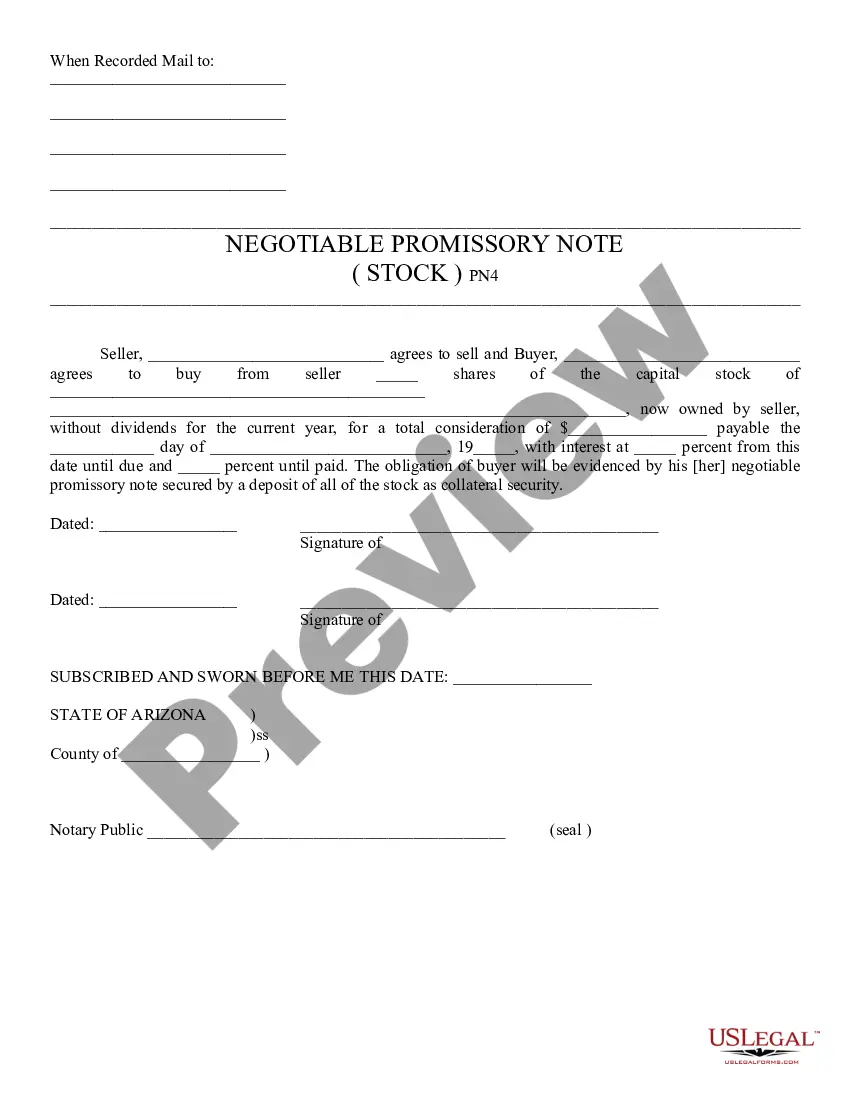
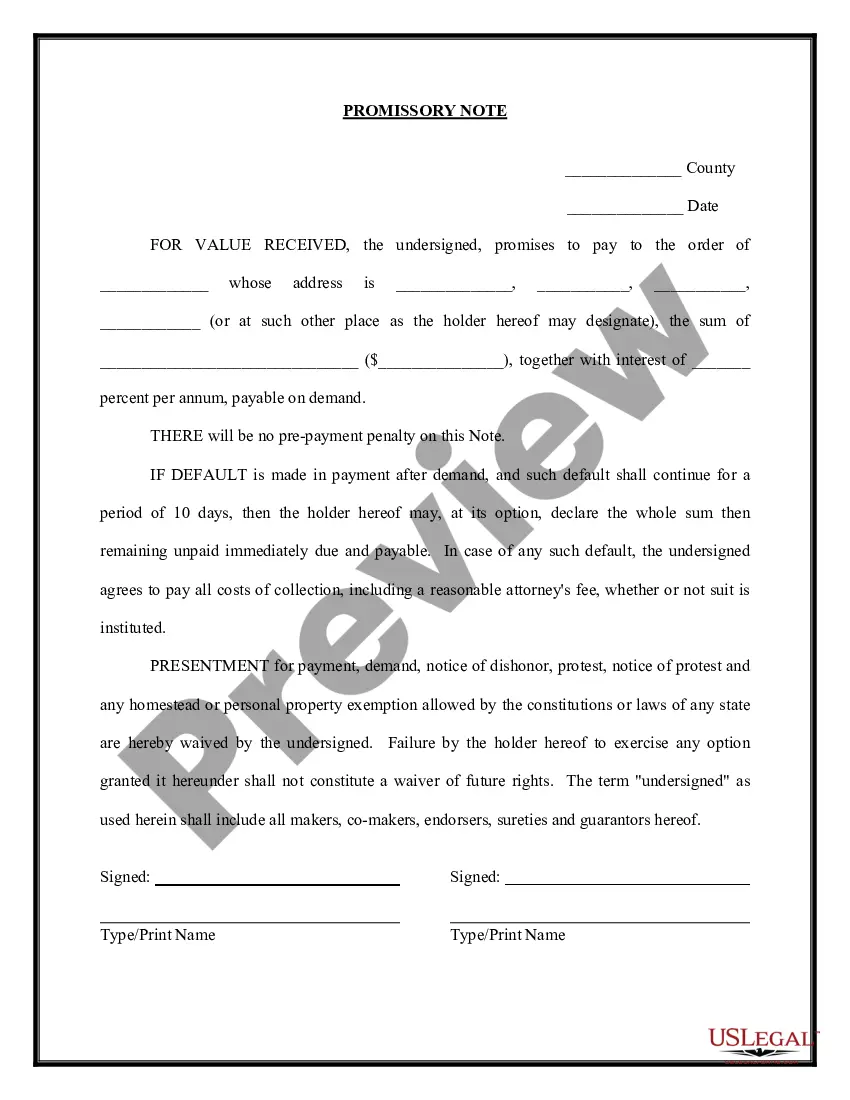
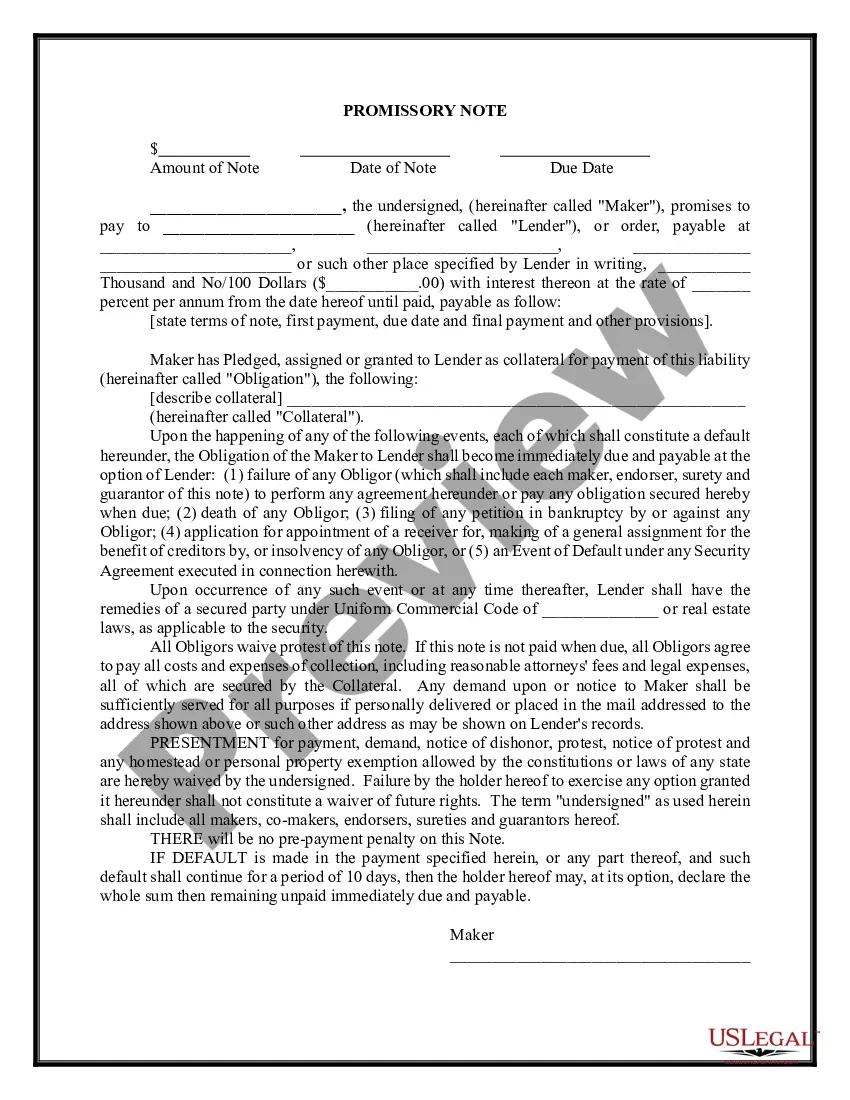
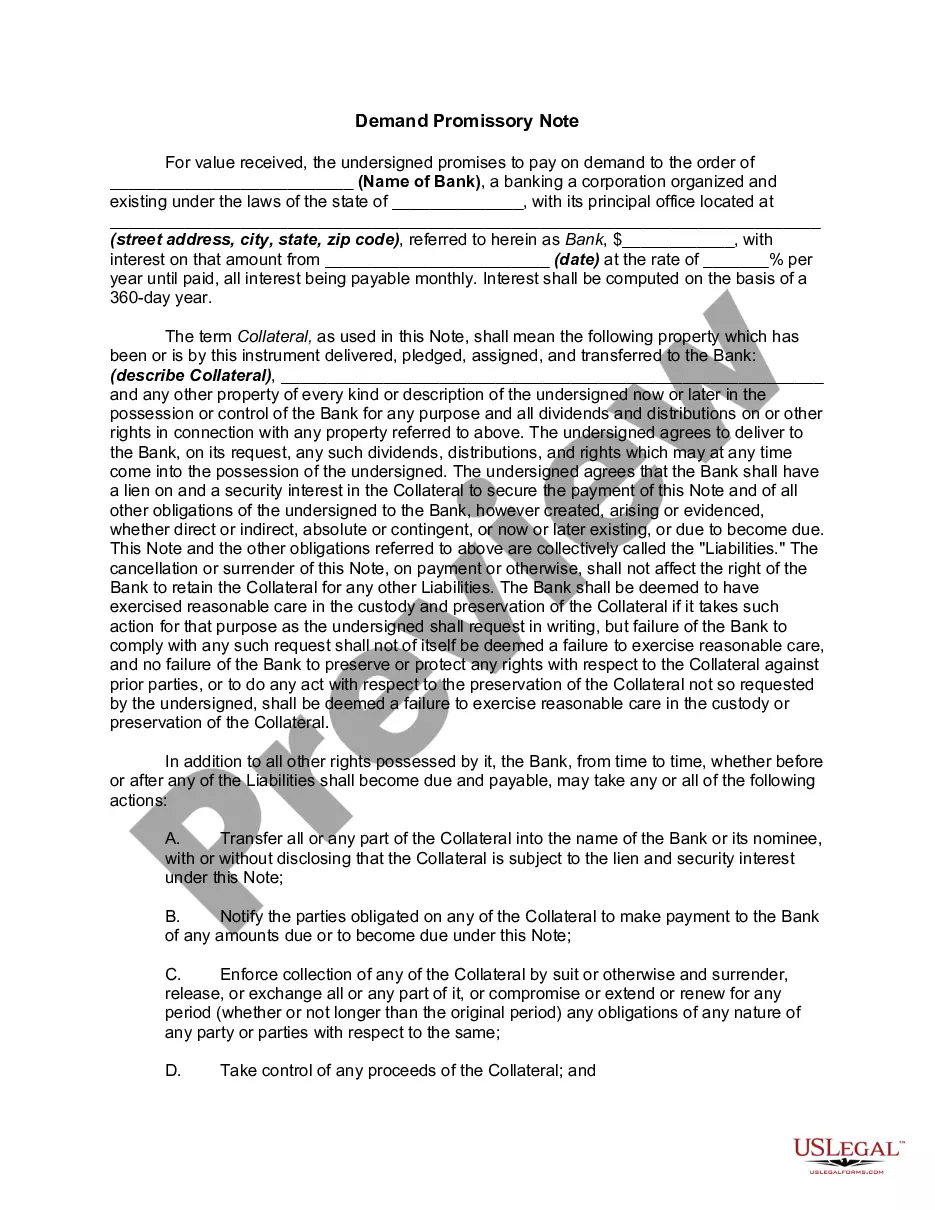
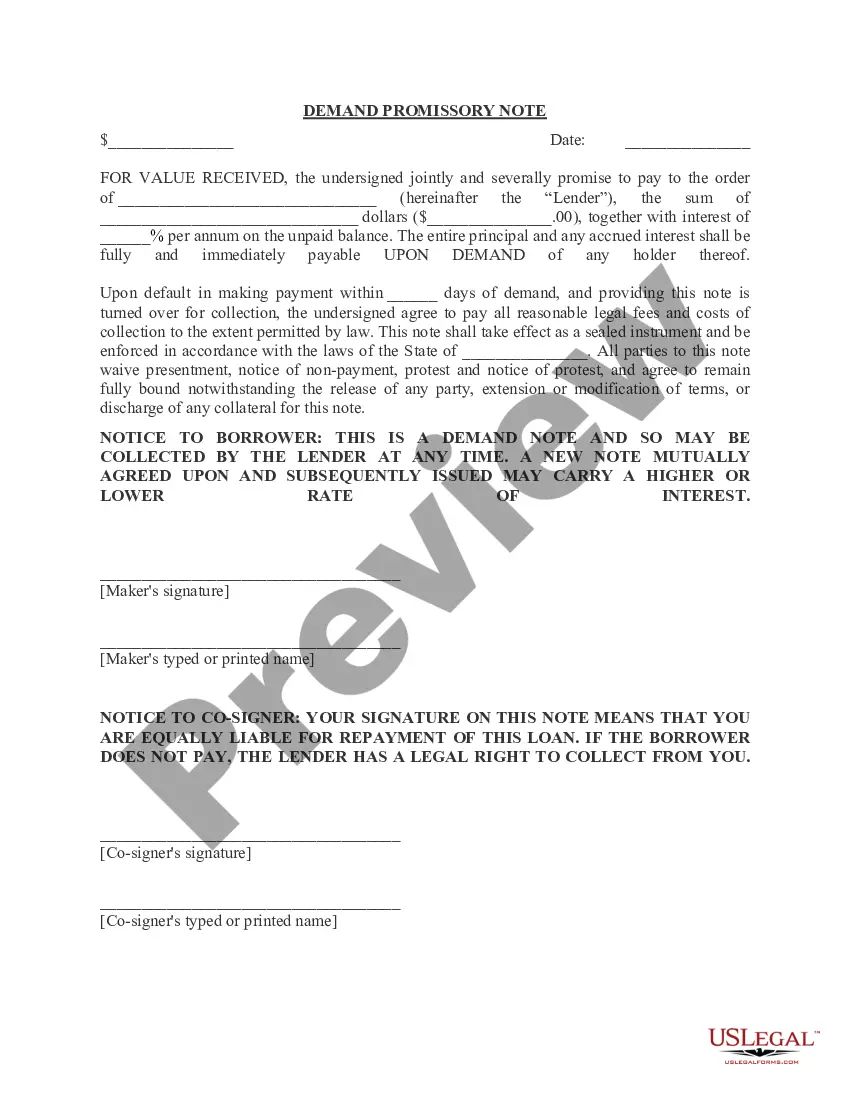
A negotiable promissory note is a written promise to pay a specified amount of money to a specific individual or entity at a defined time or on demand. It is classified as a negotiable instrument, meaning it can be transferred from one party to another through endorsement or delivery. This type of note is often used in various financial transactions, allowing lenders and borrowers to establish formal agreements regarding repayment.
Legal use and context
Negotiable promissory notes are frequently used in both personal and business contexts. In personal finance, they can serve as an agreement between friends or family members when lending money. In business, they are essential for formalizing loans or credit arrangements. The underlying legal framework governing these notes ensures that the rights of both parties are protected under uniform commercial law.
Key components of the form
A negotiable promissory note typically includes the following key components:
- Principal Amount: The total amount of money being borrowed.
- Interest Rate: The percentage charged on the principal amount, often expressed as an annual rate.
- Maturity Date: The date by which the borrower must repay the loan.
- Payment Schedule: Details on how and when repayments will be made (e.g., installments).
- Signatures: The signatures of both the borrower and lender, which legally bind the agreement.
Each of these components is crucial for ensuring the note's enforceability.
Who should use this form
This form is beneficial for individuals or businesses looking to formalize a loan agreement. It is especially useful for:
- Individuals borrowing money from friends or family.
- Small businesses in need of capital from investors or lenders.
- Parties involved in transactions requiring clear repayment terms.
Using a negotiable promissory note helps clarify expectations and protect both parties in the agreement.
Common mistakes to avoid when using this form
When completing a negotiable promissory note, it is essential to avoid the following common mistakes:
- Failing to specify the interest rate or payment schedule.
- Not including the borrower's and lender's signatures, which are necessary for legal validity.
- Using vague terms that can lead to misunderstandings about terms of repayment.
- Not keeping a copy for personal records after signing.
By avoiding these pitfalls, users can help ensure the note operates effectively within legal parameters.
What documents you may need alongside this one
In addition to the negotiable promissory note itself, users may need the following documents:
- Proof of Identity: Valid identification for both parties, such as a driver's license or passport.
- Financial Statements: If applicable, documents showing income or assets to support the loan.
- Collateral Documentation: Any paperwork related to collateral if the loan requires it.
Having these documents ready can facilitate a smoother transaction.
What to expect during notarization or witnessing
If a negotiable promissory note requires notarization or witnessing, expect the following:
- The parties involved must present valid identification to the notary or witness.
- The signer will need to sign the document in the presence of the notary or witness.
- The notary will add their signature and seal, confirming the authenticity of the document.
This process adds an extra layer of validity and can help avoid disputes in the future.