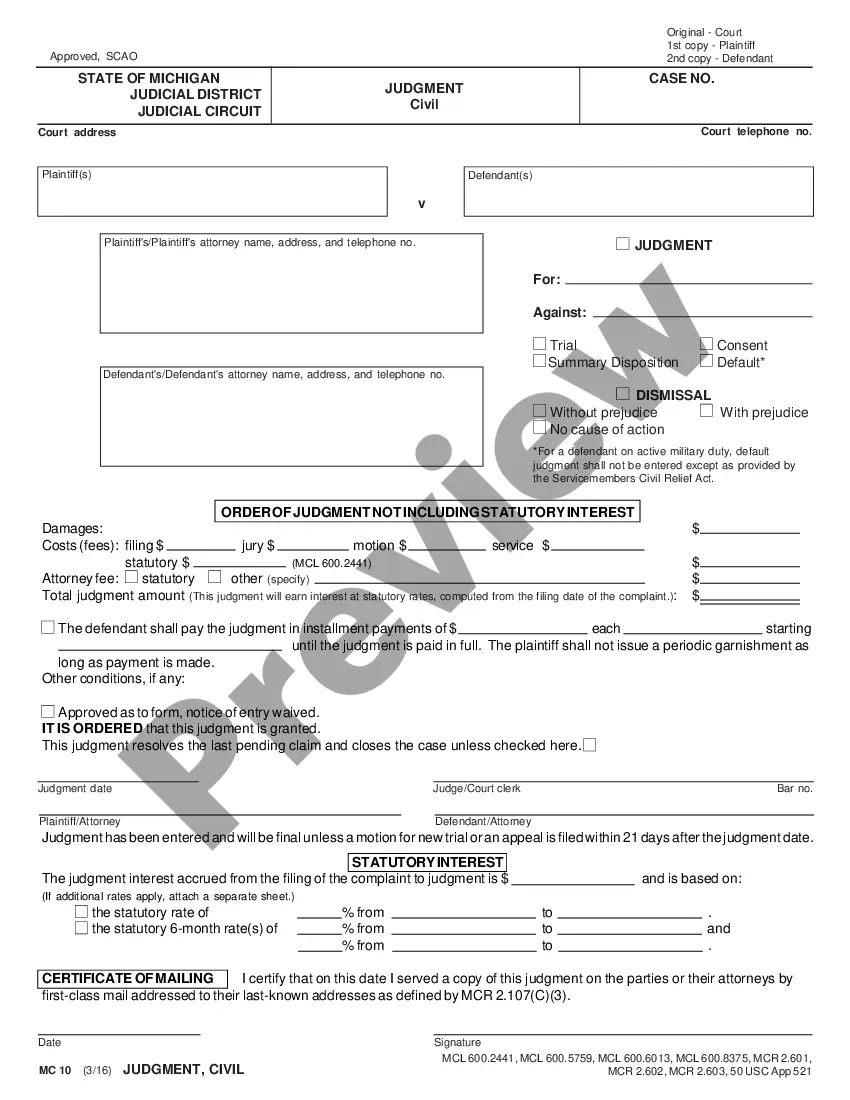
This Judgment - Civil is an official document from the Michigan State Court Administration Office, and it complies with all applicable state and Federal codes and statutes. USLF updates all state and Federal forms as is required by state and Federal statutes and law.
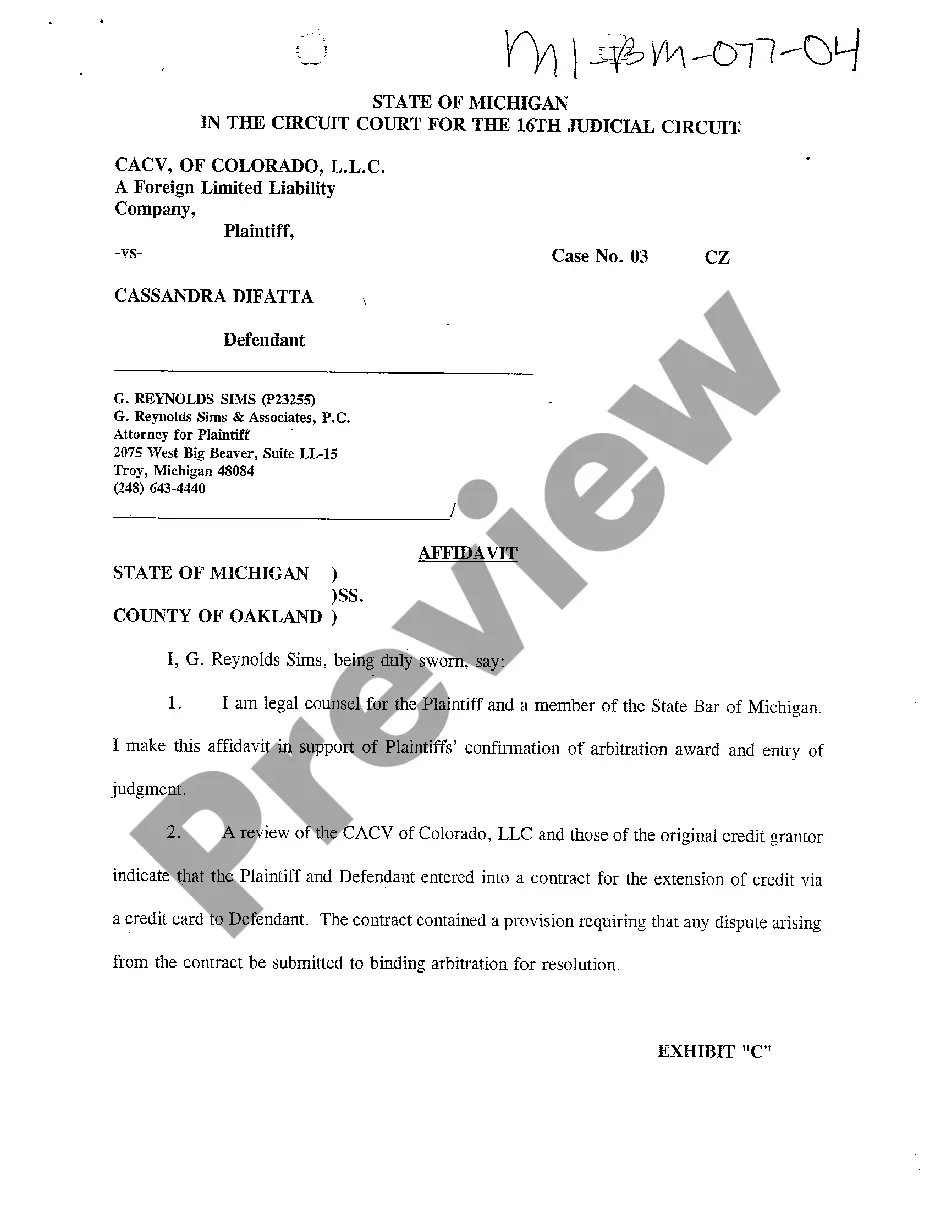
Michigan Judgment, Civil
Instant download
This website is not affiliated with any governmental entity
Public form
Description
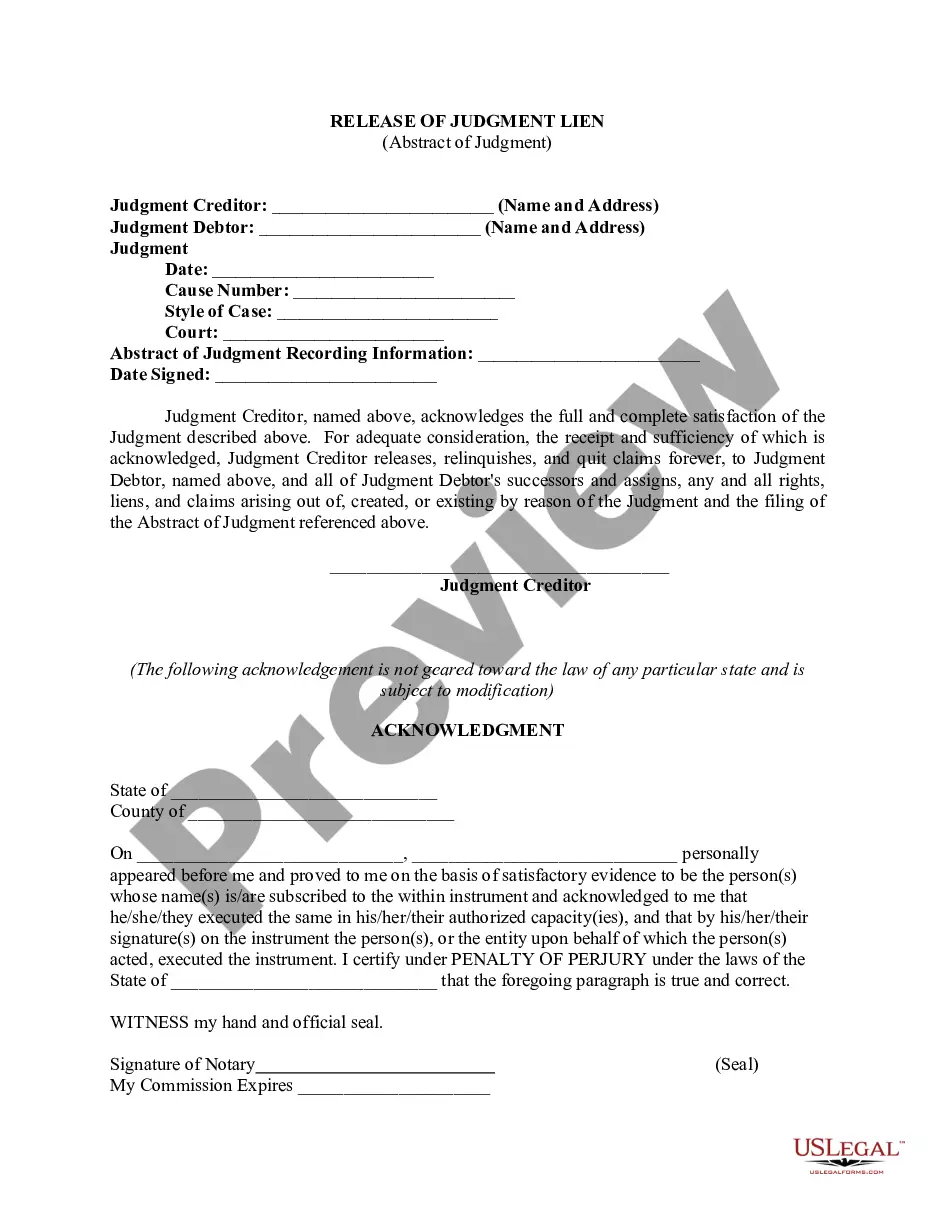
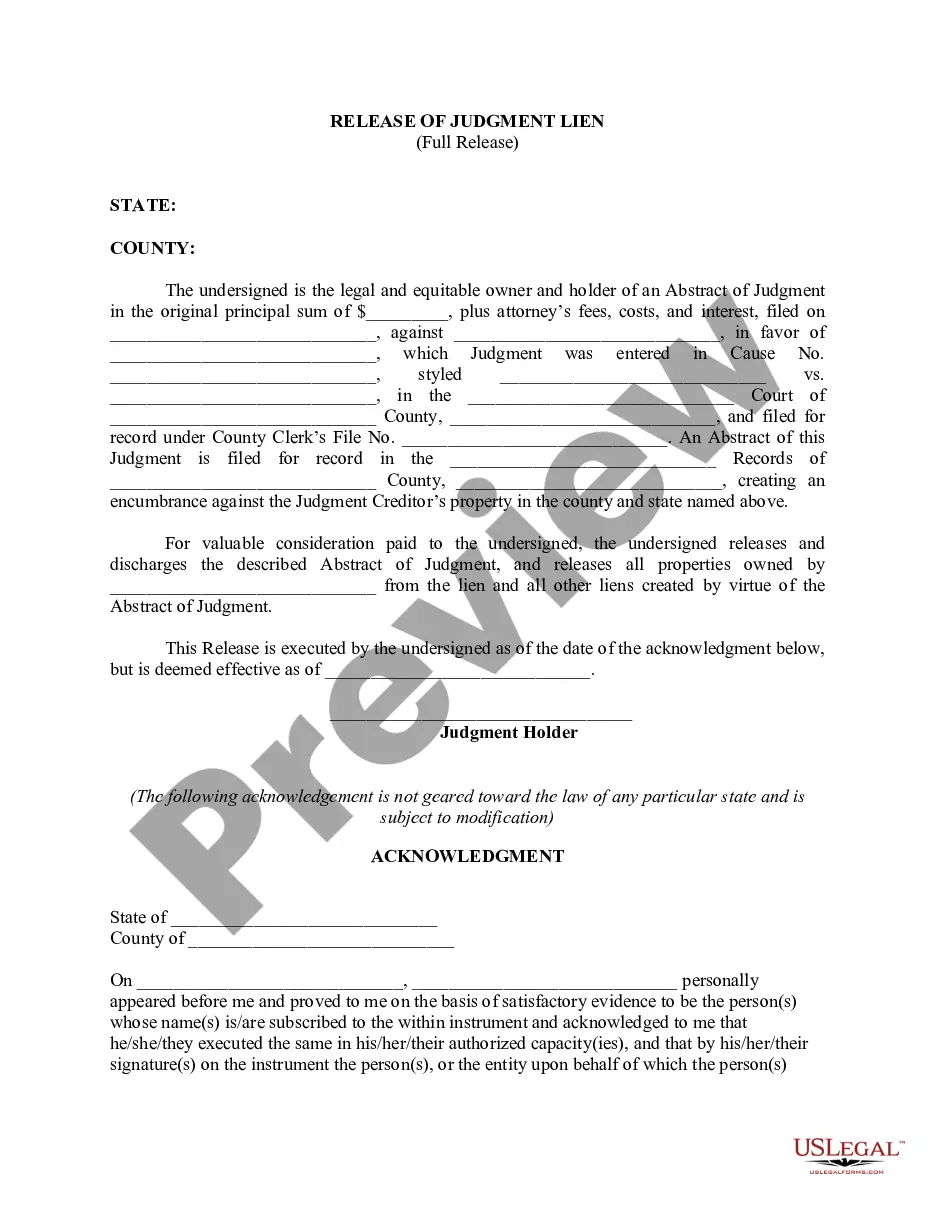
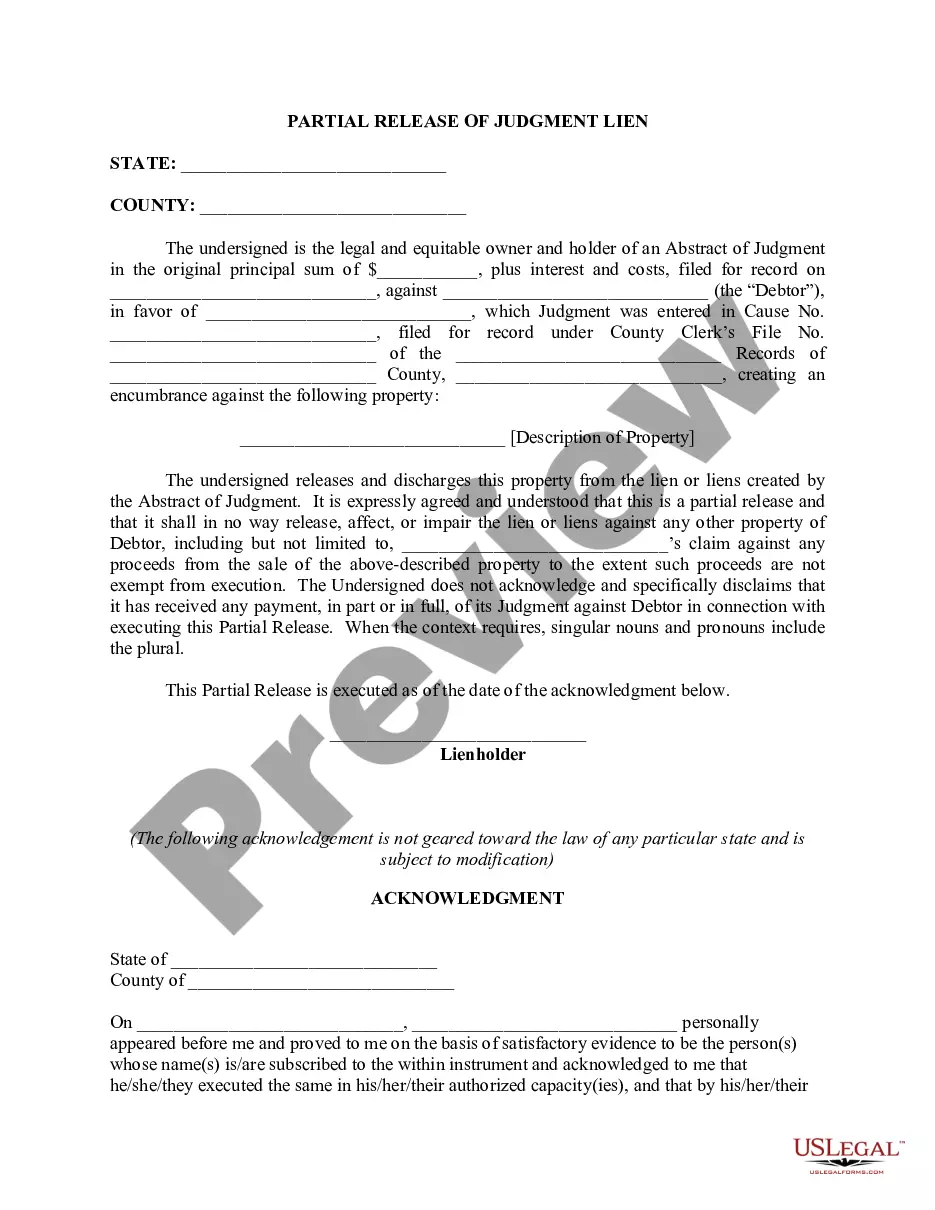
Get your form ready online
Our built-in tools help you complete, sign, share, and store your documents in one place.
Built-in online Word editor
Make edits, fill in missing information, and update formatting in US Legal Forms—just like you would in MS Word.
Export easily
Download a copy, print it, send it by email, or mail it via USPS—whatever works best for your next step.
E-sign your document
Sign and collect signatures with our SignNow integration. Send to multiple recipients, set reminders, and more. Go Premium to unlock E-Sign.
Notarize online 24/7
If this form requires notarization, complete it online through a secure video call—no need to meet a notary in person or wait for an appointment.
Store your document securely
We protect your documents and personal data by following strict security and privacy standards.

Make edits, fill in missing information, and update formatting in US Legal Forms—just like you would in MS Word.

Download a copy, print it, send it by email, or mail it via USPS—whatever works best for your next step.

Sign and collect signatures with our SignNow integration. Send to multiple recipients, set reminders, and more. Go Premium to unlock E-Sign.

If this form requires notarization, complete it online through a secure video call—no need to meet a notary in person or wait for an appointment.

We protect your documents and personal data by following strict security and privacy standards.
Looking for another form?

How to fill out Michigan Judgment, Civil?
Obtain any template from 85,000 legal documents including Michigan Judgment - Civil online with US Legal Forms. Each template is composed and refreshed by state-certified legal experts.
If you already possess a subscription, Log In. Once you’re on the form’s page, click the Download button and navigate to My documents to access it.
If you haven’t subscribed yet, follow the instructions listed below.
With US Legal Forms, you will always have prompt access to the suitable downloadable template. The service grants you access to forms and categorizes them to streamline your search. Utilize US Legal Forms to acquire your Michigan Judgment - Civil swiftly and effortlessly.
- Verify the state-specific requirements for the Michigan Judgment - Civil you wish to utilize.
- Review the description and preview the template.
- Once you are confident the template meets your needs, simply click Buy Now.
- Select a subscription plan that fits your budget.
- Create a personal account.
- Pay in one of two suitable methods: by card or via PayPal.
- Choose a format to download the file in; two options are available (PDF or Word).
- Download the document to the My documents tab.
- When your reusable template is ready, print it out or save it to your device.
Form popularity
FAQ
To collect on a judgment in Michigan, you must first obtain a certified copy of the judgment from the court. Next, you can file a writ of enforcement, which allows you to pursue various collection methods. These methods include wage garnishment, bank levies, or placing liens on the debtor's property. Utilizing platforms like USLegalForms can guide you through the necessary steps and paperwork to effectively collect on your Michigan Judgment, Civil.
The 7 day rule in Michigan court refers to the requirement that a party must respond to certain motions or pleadings within seven days. This timeline ensures timely consideration of cases and upholds court efficiency. Failing to respond within this period can lead to default judgments, impacting your rights to pursue a Michigan Judgment, Civil. To navigate these rules effectively, consider exploring uslegalforms as a valuable resource.
Yes, you can file a civil lawsuit yourself in Michigan, which is known as proceeding pro se. While it is possible, be aware that navigating the legal system can be challenging. It's crucial to understand the rules and procedures to ensure your claim is properly filed. Using uslegalforms can simplify this process, offering helpful resources for filing your Michigan Judgment, Civil effectively.
INSTRUCTIONS FOR FILING AND SERVING AN ANSWER TO A COMPLAINT (FORM MC 03) How do I file an Answer? Fill out the Answer form. Make four copies of the completed answer forms. File the Answer with the court. Serve the Answer. NOTE: You must bring all documents to the hearing to support what you checked on the answer form.
INSTRUCTIONS FOR FILING AND SERVING AN ANSWER TO A COMPLAINT (FORM MC 03) How do I file an Answer? Fill out the Answer form. Make four copies of the completed answer forms. File the Answer with the court. Serve the Answer. NOTE: You must bring all documents to the hearing to support what you checked on the answer form.
In every state, a judgment lien can be attached to the debtor's real estate -- meaning a house, condo, land, or similar kind of property interest. And some states also allow judgment liens on the debtor's personal property -- things like jewelry, art, antiques, and other valuables.
Most other judgments in Michigan expire 10 years after they are issued. You can renew a judgment before it expires by filing a motion to renew a judgment.
Keep in mind that if you do NOT pay the judgment: The amount you owe will increase daily, since the judgment accumulates interest at the rate of 10% per year. The creditor can get an order telling you to reimburse him or her for any reasonable and necessary costs of collection.
A simple way to collect a judgment is by deducting money out of the debtor's paycheck using a wage garnishment. The debtor must have a decent income because both the federal government and states cap the amount you can take, and certain types of income, like Social Security, are off-limits.
Judgment liens may be filed with the court and recorded with the register of deeds by an attorney or the judgment creditor. An Order for Seizure of Property may be issued by the court clerk 21 days after entry of a judgment. It is also known as a writ of execution and is authorized pursuant to MCL 600.6004.