What Is an Estate Executor's Oath and Its Importance?
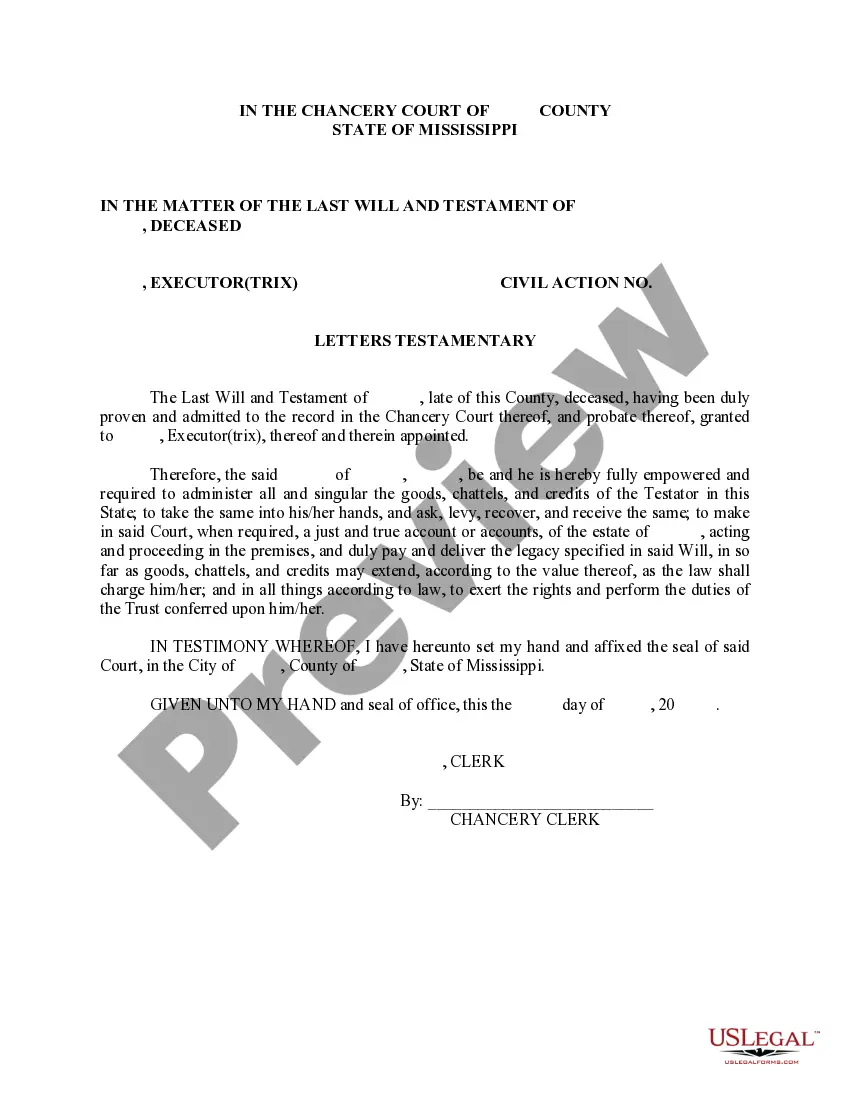
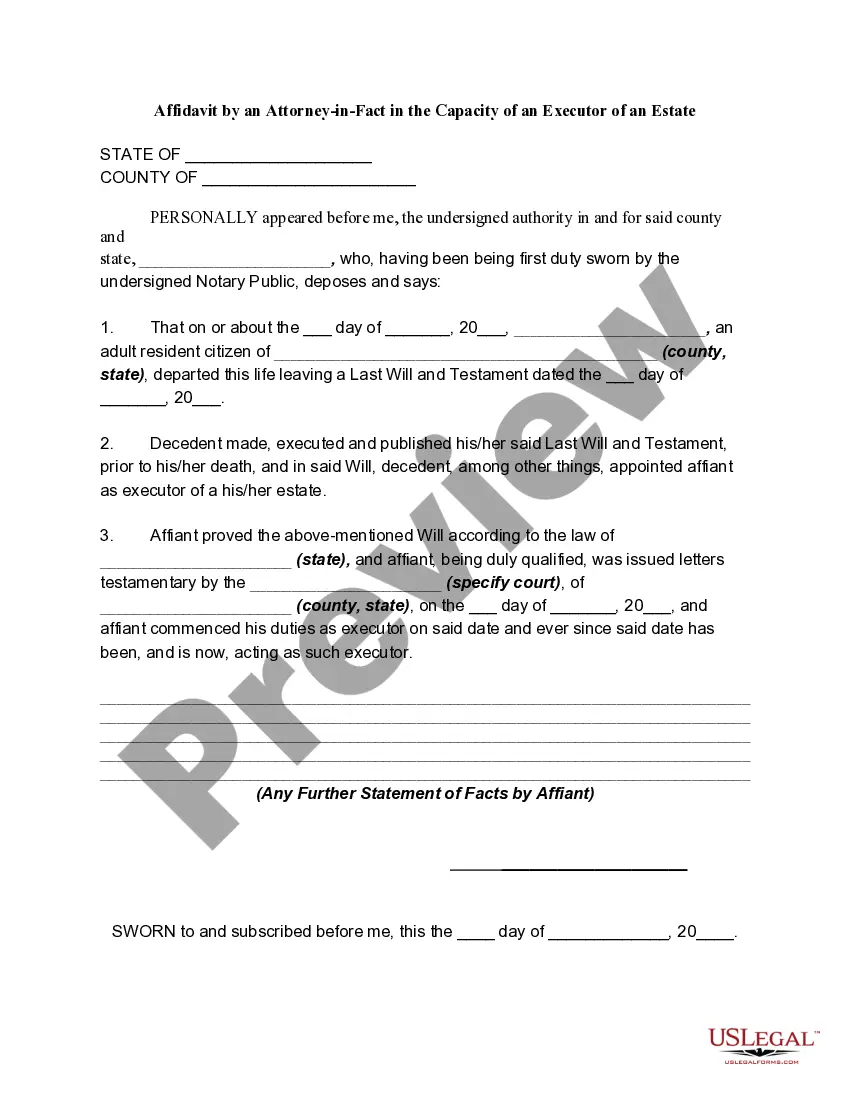
An estate executor's oath is a formal declaration made by the executor of an estate, affirming their commitment to faithfully execute the duties assigned to them under the will or by the court. This oath is a legal requirement and emphasizes the executor's responsibility to manage and distribute the deceased individual's assets according to their wishes and applicable laws.
Legal use and context
The estate executor's oath is commonly required in probate court proceedings. It serves to ensure that the executor is legally recognized and bound to perform their duties with honesty and integrity. The oath generally includes assurances that the executor will uphold the terms of the Last Will and Testament and act in the best interests of the beneficiaries.
Key components of the form
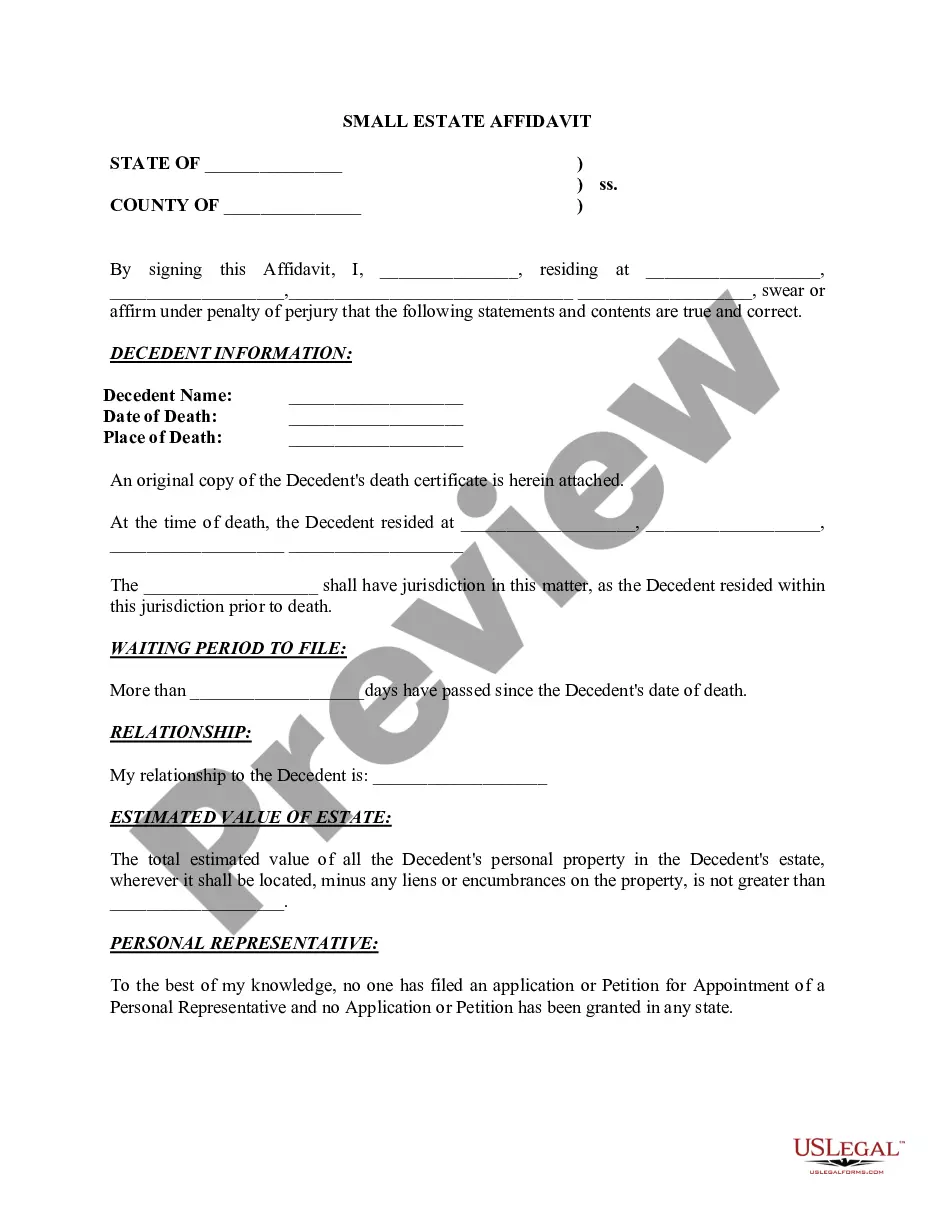
The estate executor's oath typically includes several essential elements:
- Name of the executor(s)
- The name of the deceased and the title of their Last Will and Testament
- A declaration stating the executor's intent to fulfill their duties
- A statement confirming the authenticity of the will
- A section for the signature of a notary public
These components ensure that the form is complete and valid for legal purposes.
How to complete a form
Completing the estate executor's oath involves the following steps:
- Fill in the names of the executor(s) and the deceased.
- Attach a copy of the Last Will and Testament.
- Read and understand the oath statement to ensure you are willing to adhere to it.
- Sign the document in front of a notary public.
- Have the notary public complete their section, including their commission expiration date.
Following these steps carefully helps facilitate the processing of the estate through probate.
Common mistakes to avoid when using this form
When filling out the estate executor's oath, avoid these common pitfalls:
- Failing to accurately complete the names of all parties involved.
- Neglecting to attach the necessary documentation, such as the Last Will and Testament.
- Overlooking the requirement of notarization.
- Not reviewing the completed form for errors before submission.
Taking care to avoid these mistakes can streamline the probate process.
What to expect during notarization or witnessing
During the notarization of the estate executor's oath, you can expect the following:
- Presenting valid identification to the notary public.
- Signing the oath in the presence of the notary.
- The notary will then verify your identity, witness your signature, and complete their section on the form.
- Receiving a copy of the notarized document for your records.
This process adds an extra layer of credibility and legality to the oath.