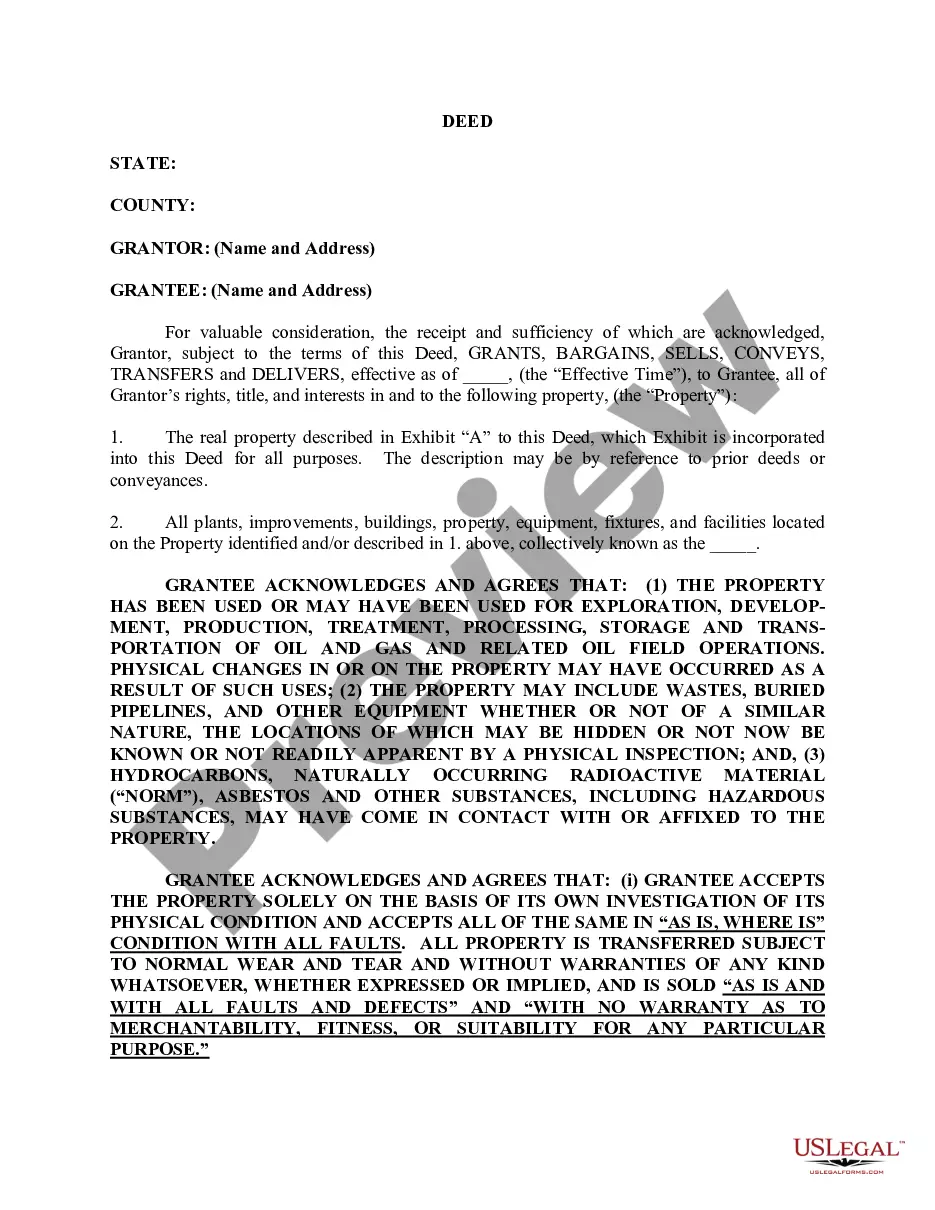
What is a mineral deed? Understanding its purpose and importance
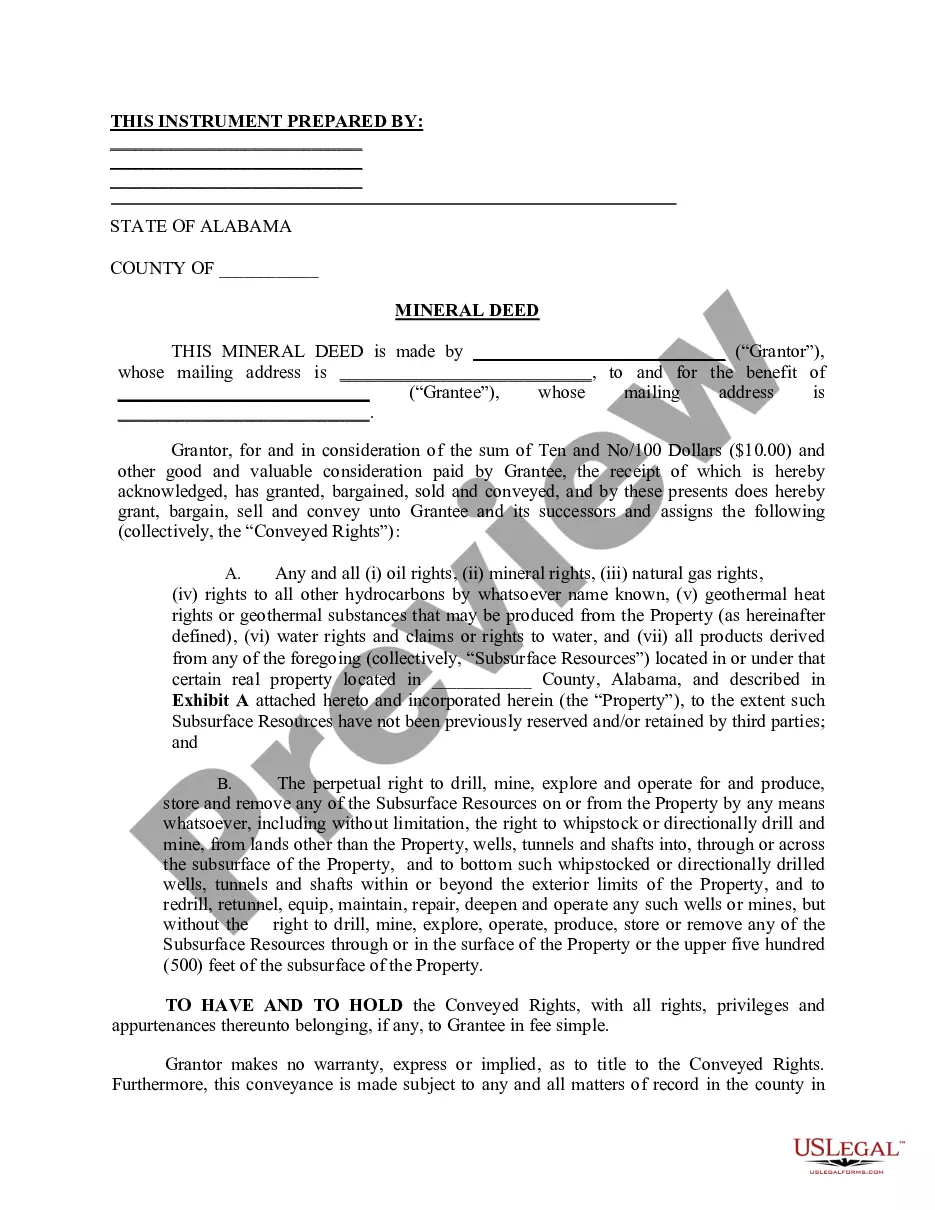
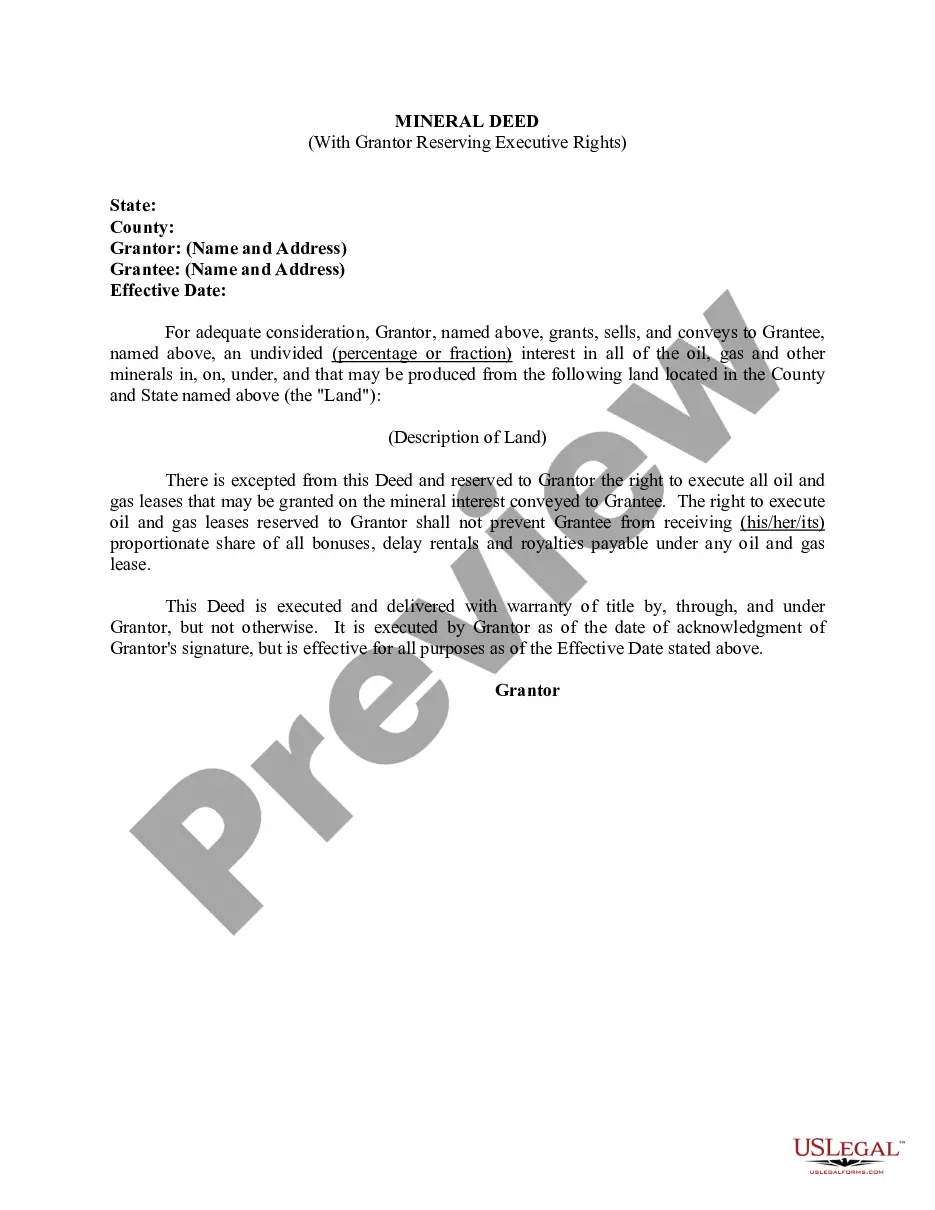
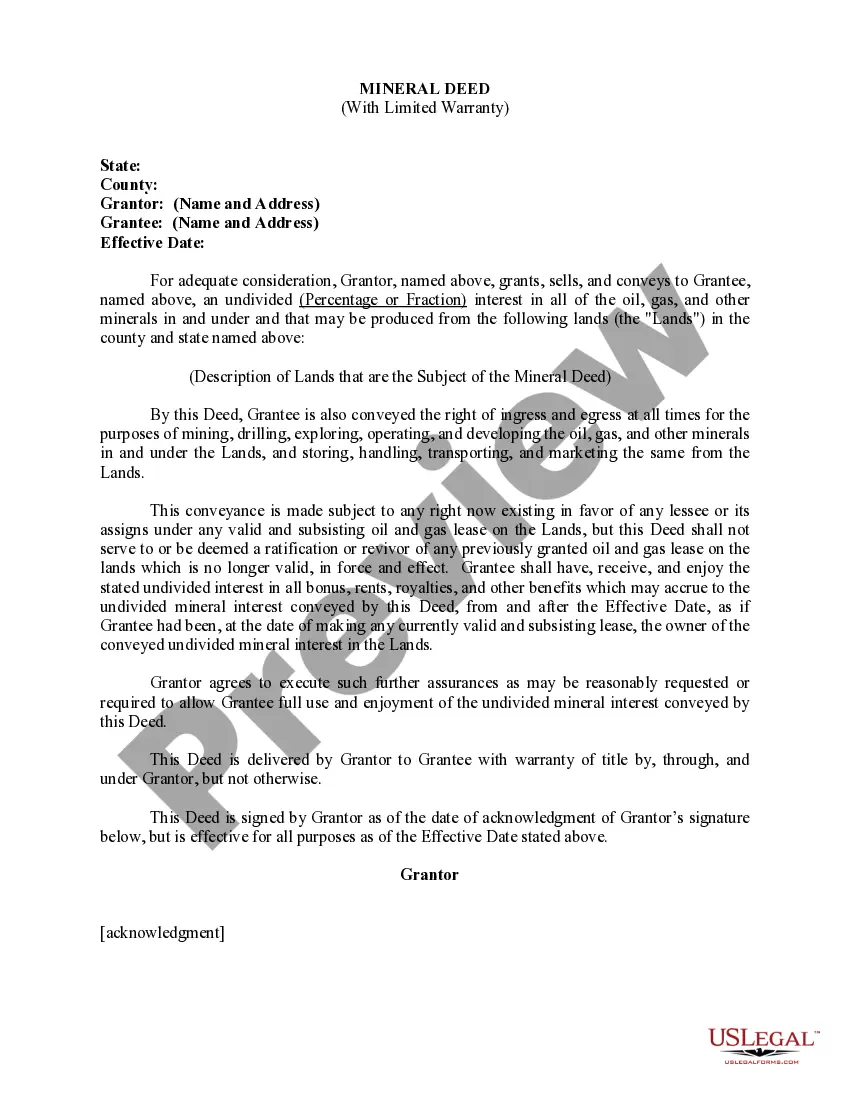
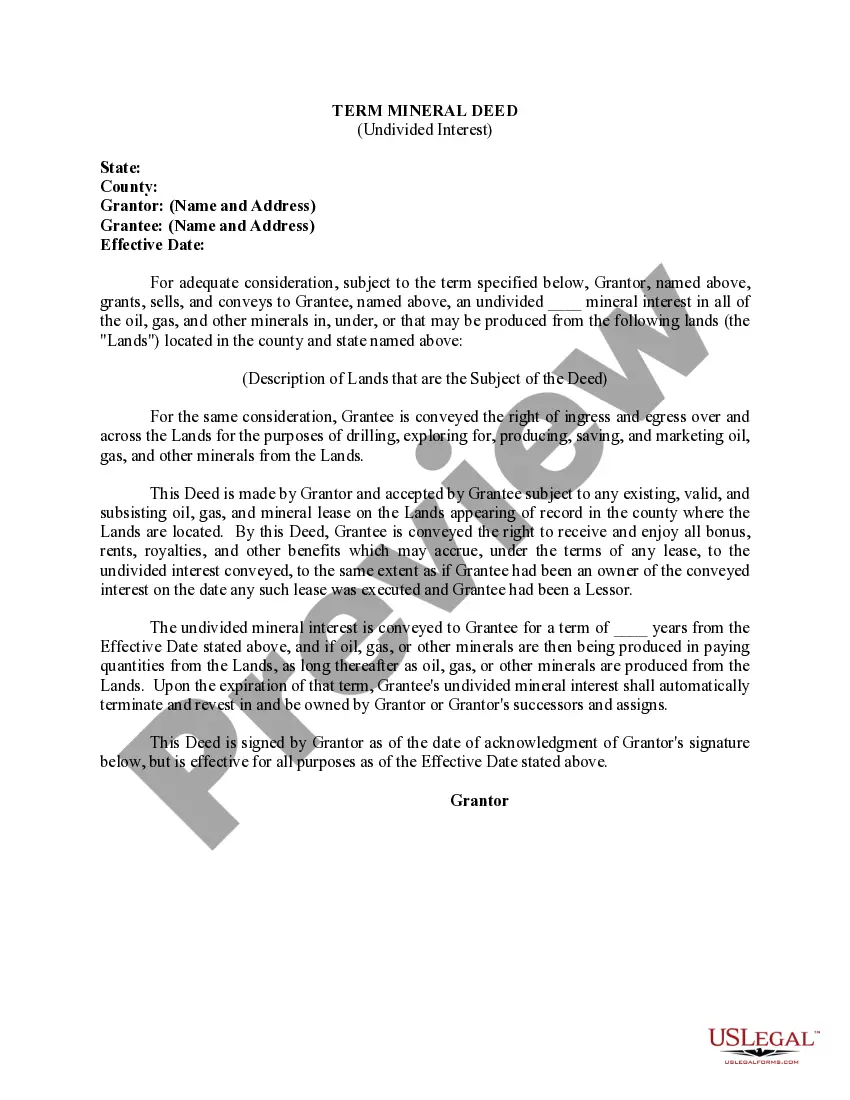
A mineral deed is a legal document that transfers ownership rights to minerals located beneath a specific piece of real estate. This deed grants the grantee the right to extract various subsurface resources, including oil, gas, and other minerals, from the designated property. Unlike a general property deed, which pertains to the surface rights of the land, a mineral deed specifically addresses the rights to explore and harvest below the earth's surface.
Key components of the form
A mineral deed typically includes several critical components to ensure that the transaction is clear and enforceable:
- Grantor and Grantee Information: Details about the person or entity transferring rights (grantor) and the recipient (grantee).
- Consideration: The payment or valuable consideration received in exchange for the mineral rights.
- Conveyed Rights: A detailed description of the rights being transferred, including any restrictions related to the surface use of the property.
- Property Description: Accurate legal description of the real estate involved, typically found in an attached exhibit.
- Notarization: Registration of the deed is often required by a notary public to validate the authenticity of the signatures.
Who should use this form
This mineral deed is suitable for individuals or corporations looking to transfer mineral rights to one another. It is typically used by landowners who wish to separate their surface rights from their subsurface mineral rights, investors interested in mineral extraction, and entities engaged in natural resource exploration. Any parties involved in mining or oil drilling operations would also find this form beneficial.
Common mistakes to avoid when using this form
When completing a mineral deed, users should be cautious of several common pitfalls:
- Failing to provide a complete and accurate legal description of the property.
- Not including all parties involved in the transaction.
- Overlooking the necessity of notarization, which can invalidate the deed.
- Neglecting to clarify any restrictions or reservations on the rights being conveyed.
- Forgetting to check local laws and regulations regarding mineral rights.
What documents you may need alongside this one
To effectively complete a mineral deed, several additional documents may be necessary:
- Current Title Abstract: A report detailing the history of the property title and any existing liens or encumbrances.
- Survey Records: Documentation that illustrates the precise boundaries of the property.
- Previous Mineral Rights Agreements: Copies of any prior deeds or agreements related to the mineral rights.
What to expect during notarization or witnessing
Notarization is a crucial step in validating the mineral deed. During this process, the grantor will need to present valid identification to the notary public. The notary will then witness the signing of the document and add their seal to certify the form's authenticity. This step ensures that the transfer of rights is legally binding and recognized by the courts.
Key takeaways
In summary, a mineral deed serves to legally transfer subsurface rights from one party to another. It includes key information about the grantor and grantee, the rights conveyed, and the property involved. Users should be aware of the common mistakes when completing this form and ensure they have all necessary documents ready for a smooth transaction.