Alabama Mineral Deed
About this form
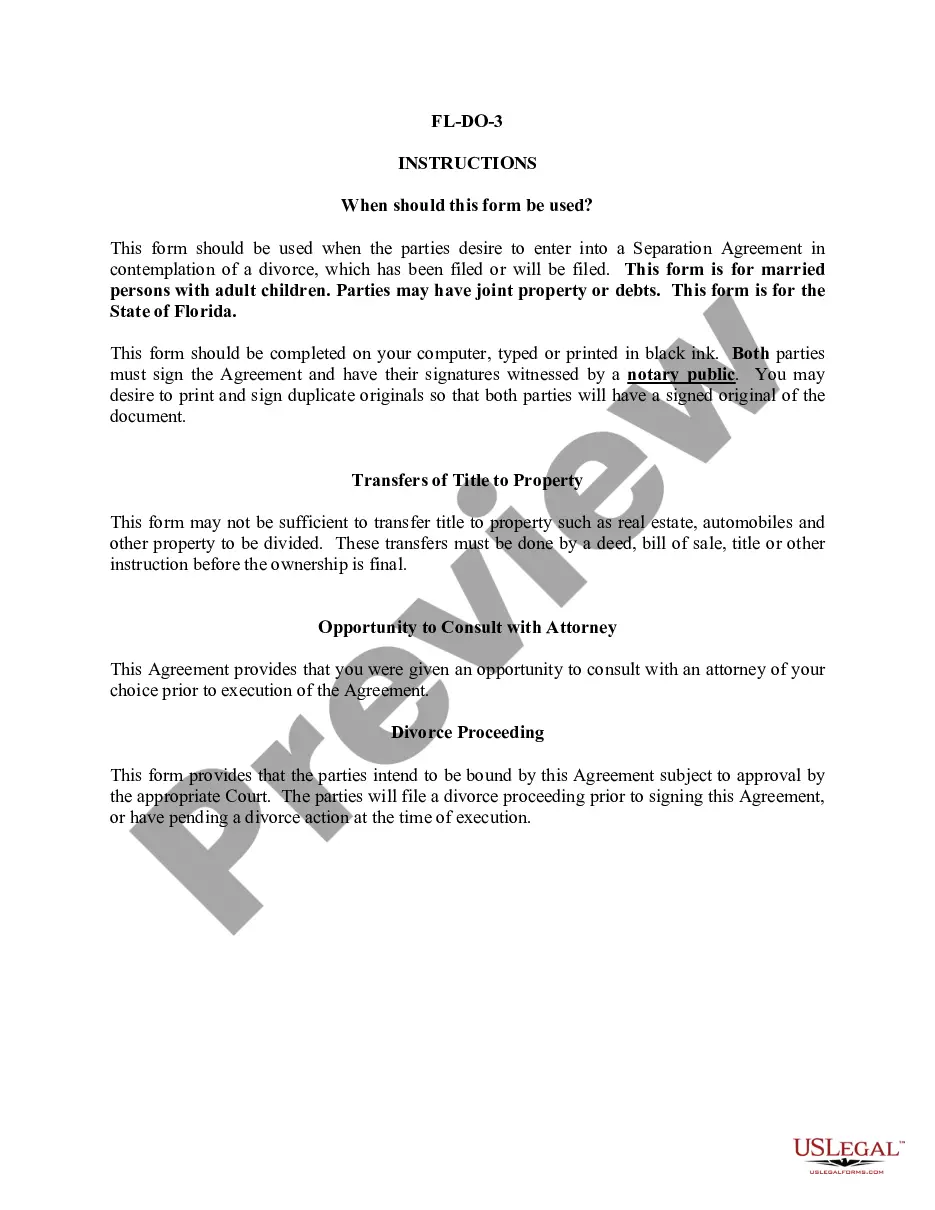
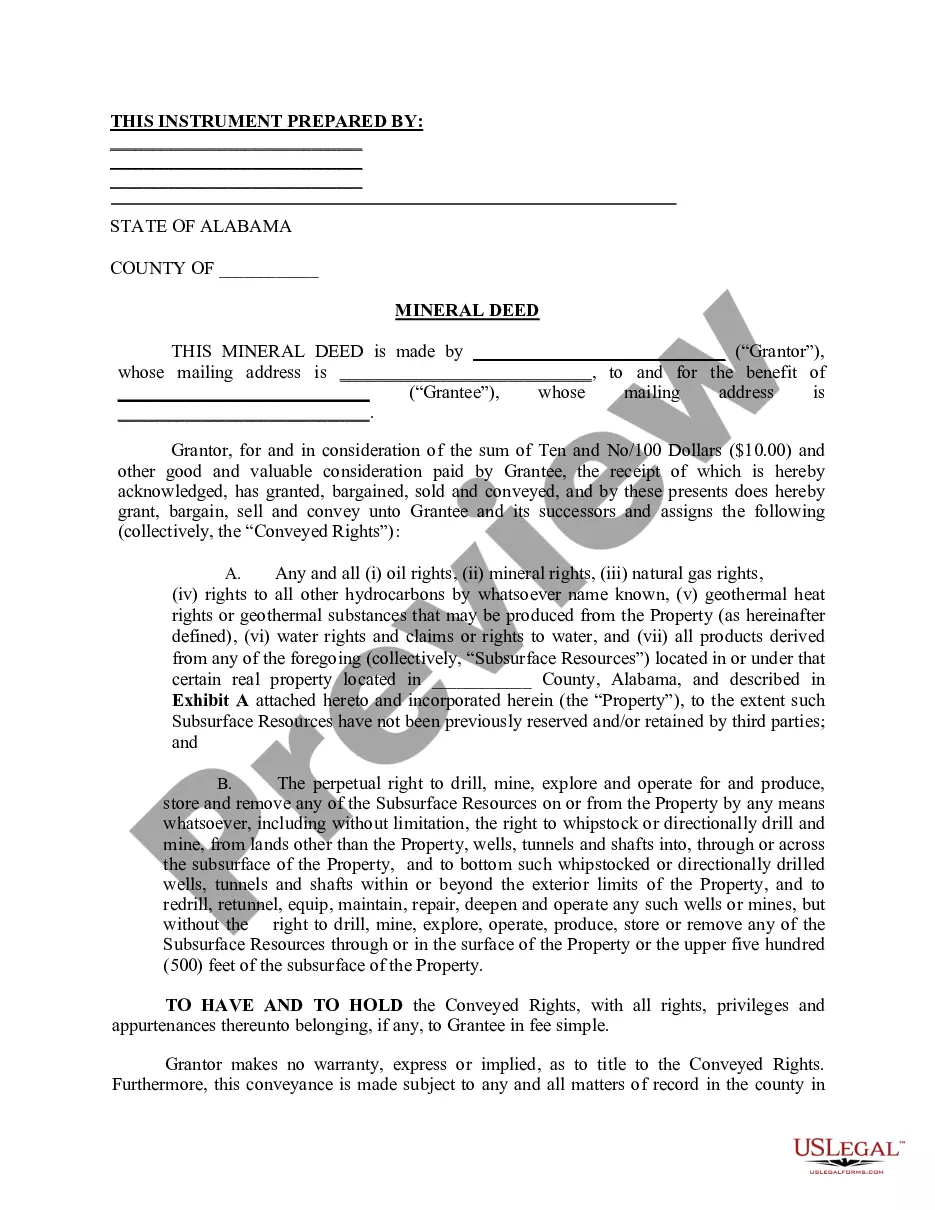
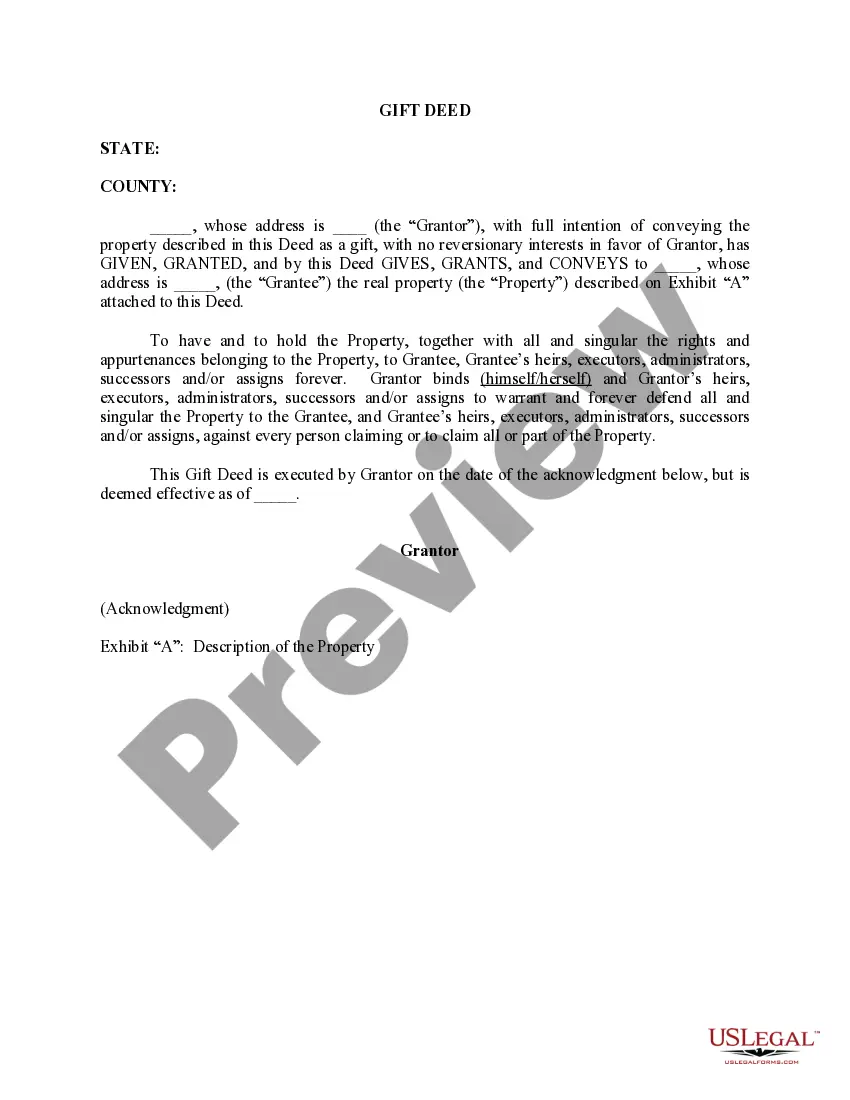
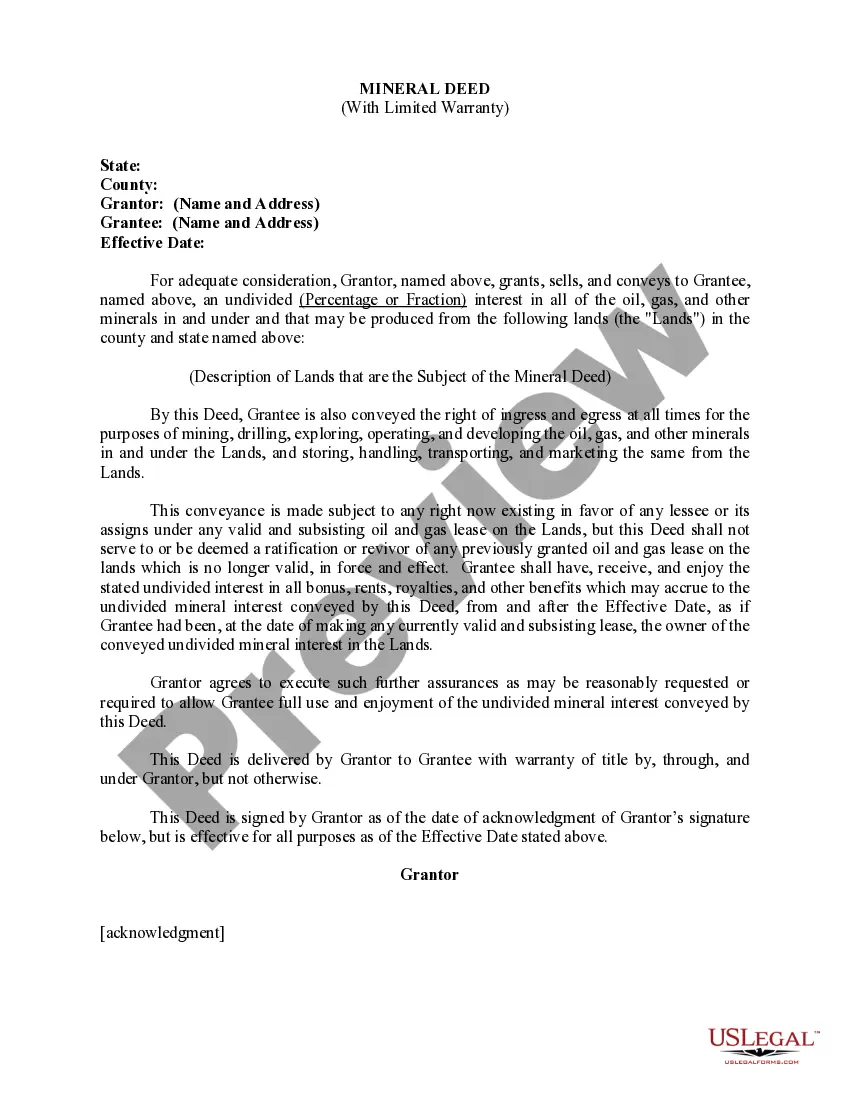
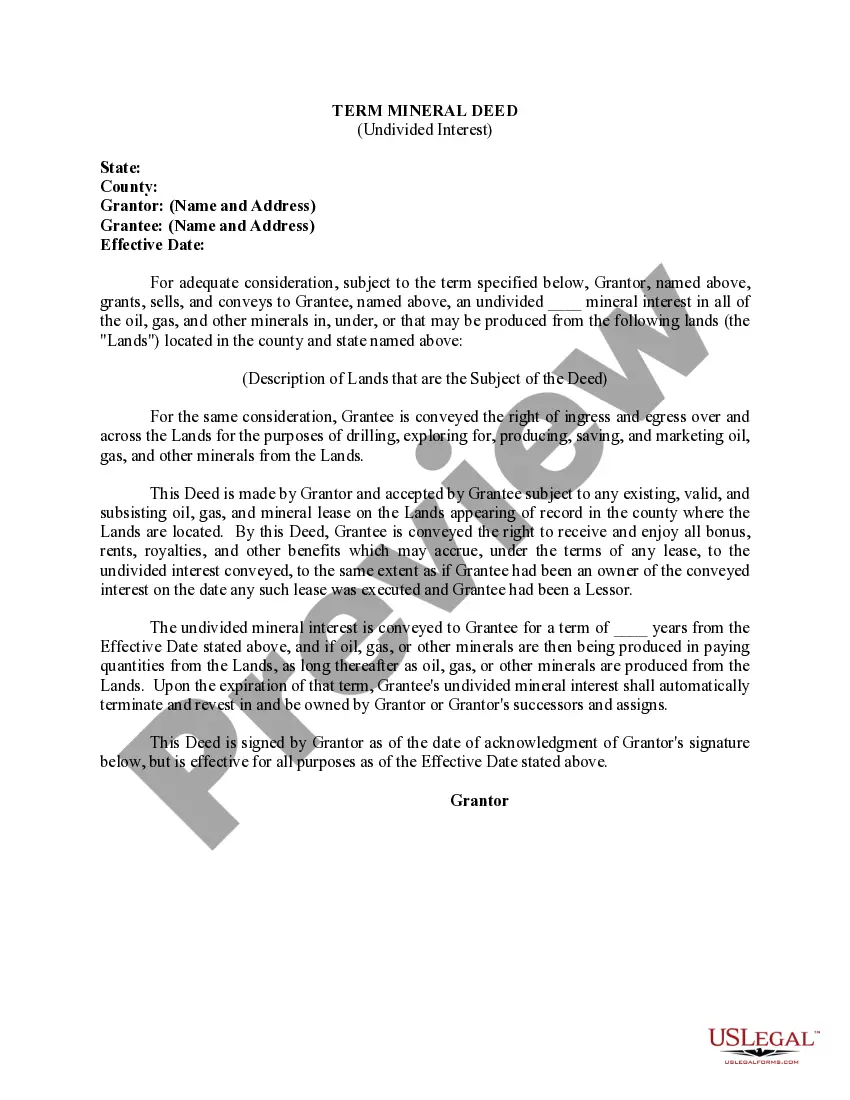
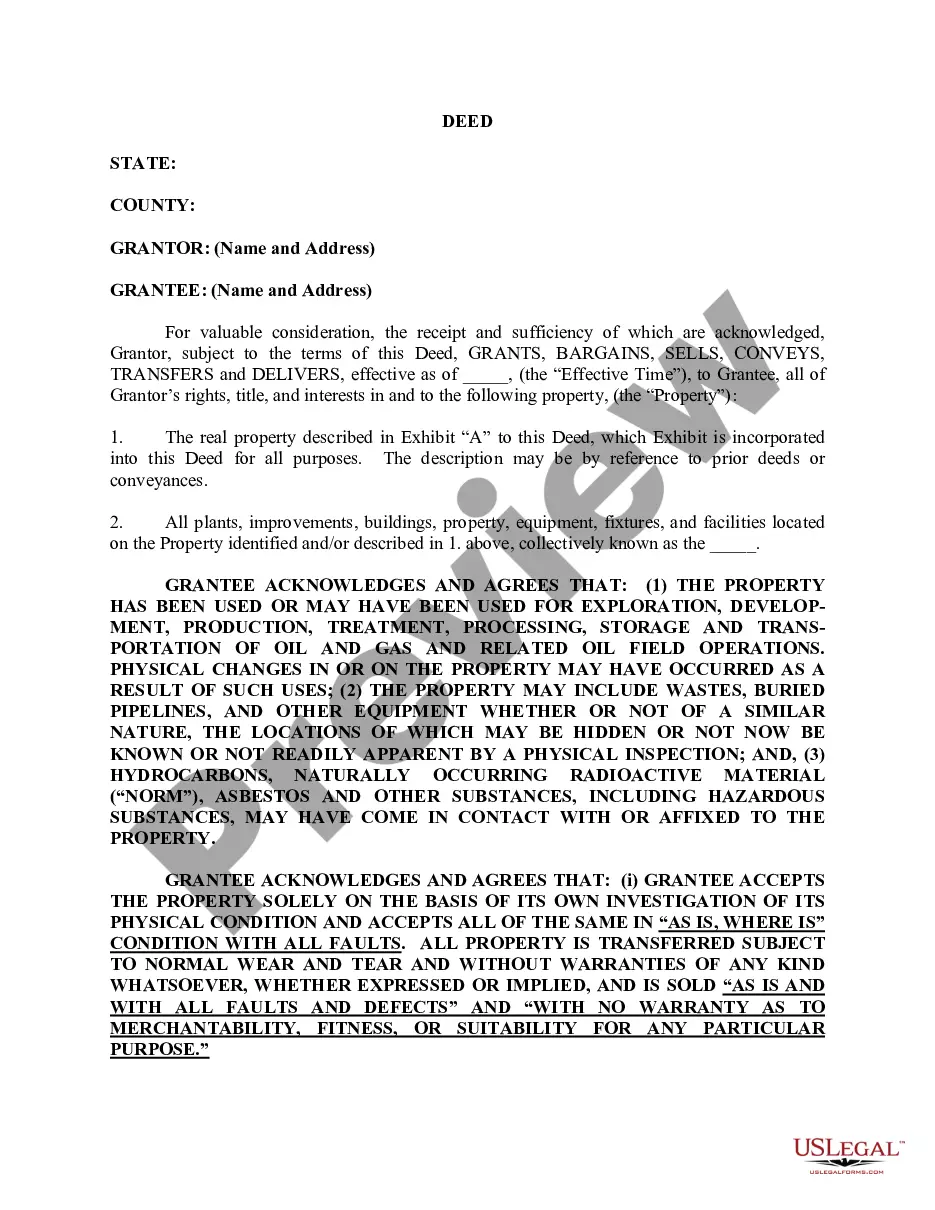
A Mineral Deed is a legal document that transfers ownership of mineral rights from one individual (the grantor) to another (the grantee). This form specifically addresses the transfer of rights to resources such as oil, gas, and other minerals beneath a property. Unlike other types of deeds, this document focuses solely on subsurface resources and does not involve the surface rights of the property.
Key parts of this document
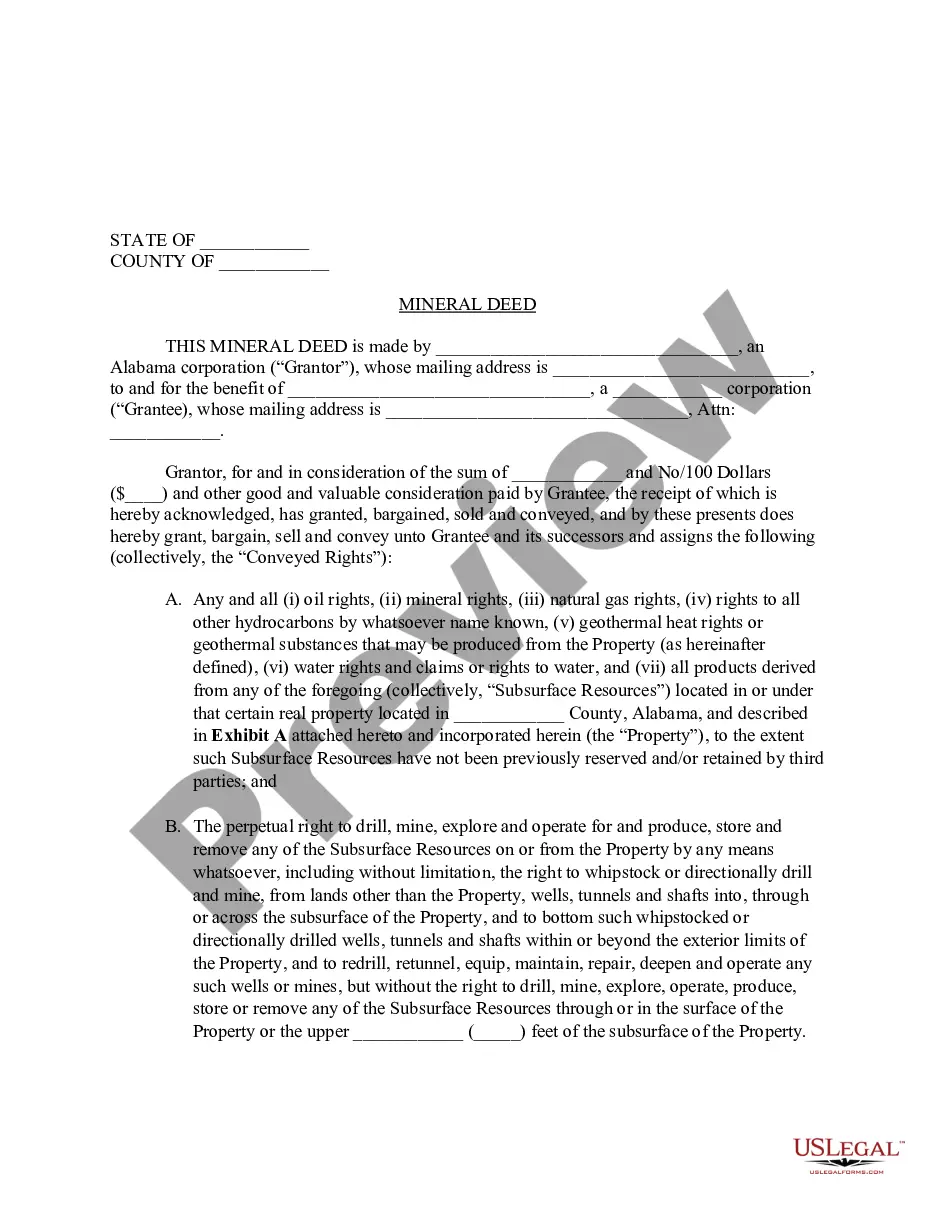
- Identification of the grantor and grantee, including mailing addresses.
- Consideration section detailing the amount paid for the mineral rights.
- Specific rights granted, including oil rights, mineral rights, and natural gas rights.
- Rights to drill, mine, and produce these subsurface resources.
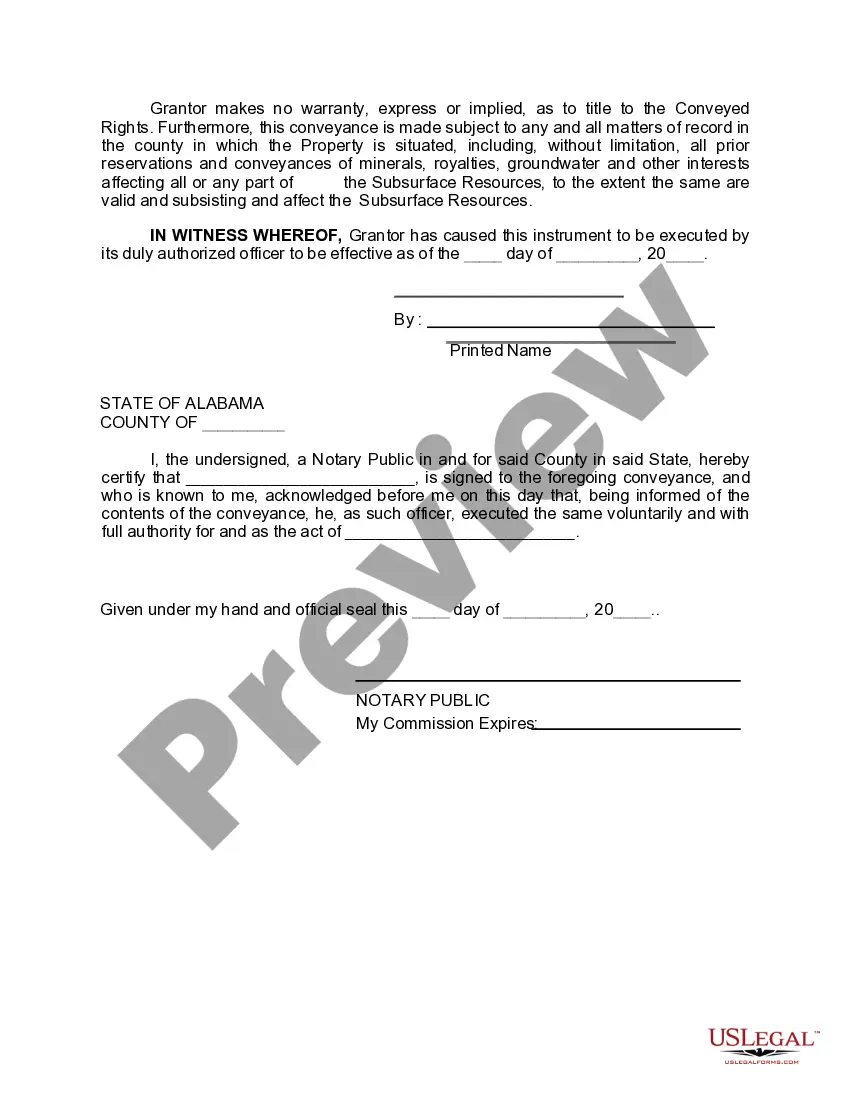
- Warranties and limitations regarding the title of the mineral rights.
- Notary acknowledgment for legal validation.
When to use this form
This form is used when an individual wants to transfer their mineral rights to another person. This may occur in a variety of situations, such as selling land while retaining ownership of minerals, gifting mineral rights to a family member, or dividing assets in a divorce settlement. In any case where mineral rights are involved, utilizing a Mineral Deed ensures clear documentation of the transfer.
Who needs this form
- Individuals looking to sell or transfer their mineral rights.
- Property owners who wish to gift mineral rights to another person.
- Individuals involved in estate planning, especially when dealing with family property.
- Anyone needing a clear record of mineral rights transfer for legal purposes.
Instructions for completing this form
- Identify the grantor by entering their full name and mailing address.
- Specify the name and address of the grantee who will receive the mineral rights.
- Indicate the monetary consideration agreed upon for the transfer.
- Clearly describe the property and the specific mineral rights being conveyed.
- Sign and date the document, obtaining a notary public's acknowledgment for validation.
Notarization guidance
Yes, this form must be notarized to be legally valid. The signature of the grantor must be acknowledged by a notary public to ensure that the document adheres to the legal requirements for property transfers. US Legal Forms provides integrated online notarization options, available 24/7, ensuring a smooth and secure process without the need for travel.
Get your form ready online
Our built-in tools help you complete, sign, share, and store your documents in one place.
Make edits, fill in missing information, and update formatting in US Legal Forms—just like you would in MS Word.
Download a copy, print it, send it by email, or mail it via USPS—whatever works best for your next step.
Sign and collect signatures with our SignNow integration. Send to multiple recipients, set reminders, and more. Go Premium to unlock E-Sign.
If this form requires notarization, complete it online through a secure video call—no need to meet a notary in person or wait for an appointment.
We protect your documents and personal data by following strict security and privacy standards.

Make edits, fill in missing information, and update formatting in US Legal Forms—just like you would in MS Word.

Download a copy, print it, send it by email, or mail it via USPS—whatever works best for your next step.

Sign and collect signatures with our SignNow integration. Send to multiple recipients, set reminders, and more. Go Premium to unlock E-Sign.

If this form requires notarization, complete it online through a secure video call—no need to meet a notary in person or wait for an appointment.

We protect your documents and personal data by following strict security and privacy standards.
Common mistakes
- Failing to include complete addresses for both grantor and grantee.
- Neglecting to specify the property description accurately.
- Not obtaining a notary confirmation, which may invalidate the deed.
- Leaving out or incorrectly entering the amount of consideration.
Advantages of online completion
- Instant access to legally vetted templates drafted by licensed attorneys.
- Convenient download and print options for immediate use.
- Easy to edit and customize for specific needs or circumstances.
- Reliable and secure method for handling important legal documents online.
Looking for another form?
Form popularity
FAQ
A deed can be deemed invalid for several reasons, such as lack of signatures, improper notarization, or failure to include necessary elements like property description. If the grantor lacked the legal capacity to transfer the property or if there was fraud involved, that also renders the deed invalid. It's important to adhere to Alabama's legal standards to prevent issues. Using services like USLegalForms can guide you in creating a valid Alabama Mineral Deed.
To ensure your Alabama Mineral Deed is valid, it must contain key elements like the names of the grantor and grantee, a clear description of the property, and the signature of the grantor. Additionally, the deed must be delivered to the grantee to be effective. Following state laws is essential for the deed to be enforceable. Consulting a reliable platform like USLegalForms can help you navigate these requirements smoothly.
In Alabama, you should record your Alabama Mineral Deed promptly, ideally within 30 days of signing. While there is no strict deadline, delays could result in challenges to your ownership. Recording helps establish your legal rights and serves as public notice of your claim. To ensure your property rights are secure, act swiftly to file your deed.
If you do not record your Alabama Mineral Deed, you risk losing legal recognition of your ownership. This means that if another party files a claim or records a competing deed, they may establish their ownership over your mineral rights. Additionally, not recording a deed can lead to disputes and complications regarding property rights. It is crucial to record your deed promptly to protect your interests.
To obtain a copy of your house deed in Alabama, you can start by utilizing your local county's online records system or by visiting their office directly. Be sure to have relevant information handy, such as your property address or your name as listed on the deed. If you want a more straightforward approach, the US Legal Forms platform can assist you in procuring the necessary documents efficiently.
Getting a copy of a deed in Alabama involves either visiting the county's recorder's office or accessing their online property records. You will likely need to provide information about the property, such as its address or parcel number. If you require specialized help or documents, consider using the US Legal Forms platform, which offers easy access to deed templates and additional resources.
To look up mineral rights in Alabama, start by searching your property records at your local county courthouse or the online records database. You can also consult the Alabama Department of Conservation and Natural Resources for additional resources. If you want a comprehensive understanding of your rights, an Alabama Mineral Deed will help clarify ownership and usage rights. Using US Legal Forms can simplify this process by providing necessary documents.
Yes, deeds are considered public records in Alabama. This means that anyone can access them, ensuring transparency in property ownership. Public records can typically be viewed at the county courthouse or through their online databases. If you are looking for a specific Alabama Mineral Deed, checking these resources will be helpful.
To obtain a copy of the deed to your house, you can start by visiting your county's online property records database. Many counties in Alabama provide online access to these records. Alternatively, you can visit the local courthouse or county recorder's office where the deed is filed. If you need further assistance, consider using the US Legal Forms platform, which can guide you through the process.
In Alabama, mineral rights allow the owner to explore, develop, and sell minerals beneath their land. These rights can be sold or leased independently from the surface rights. It's crucial to have a clear understanding of Alabama mineral deeds to ensure your rights are protected. For more detailed information, consider exploring resources on USLegalForms which provides comprehensive insights into managing mineral rights.