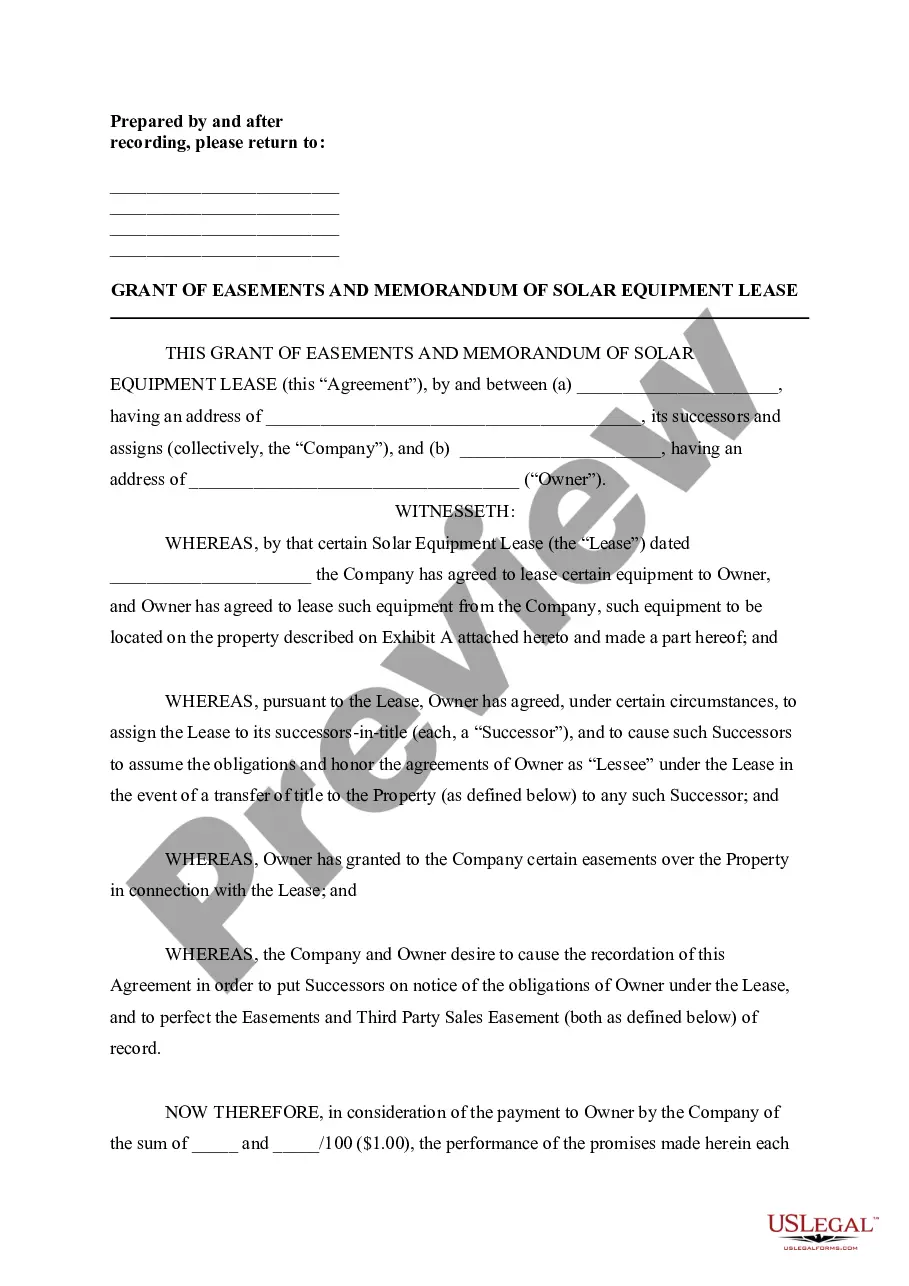
What Is a Deed of Conveyance? Understanding Property Transfers
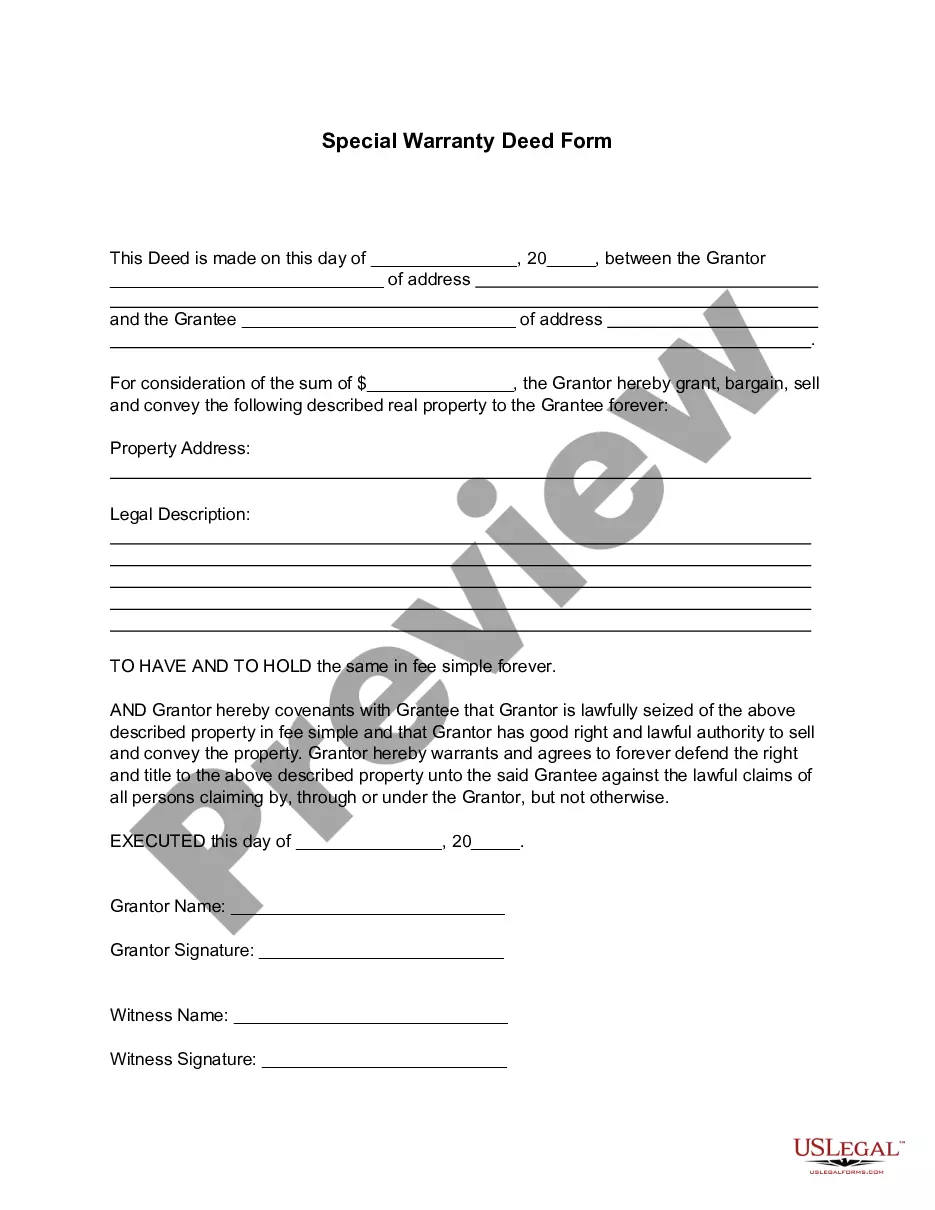
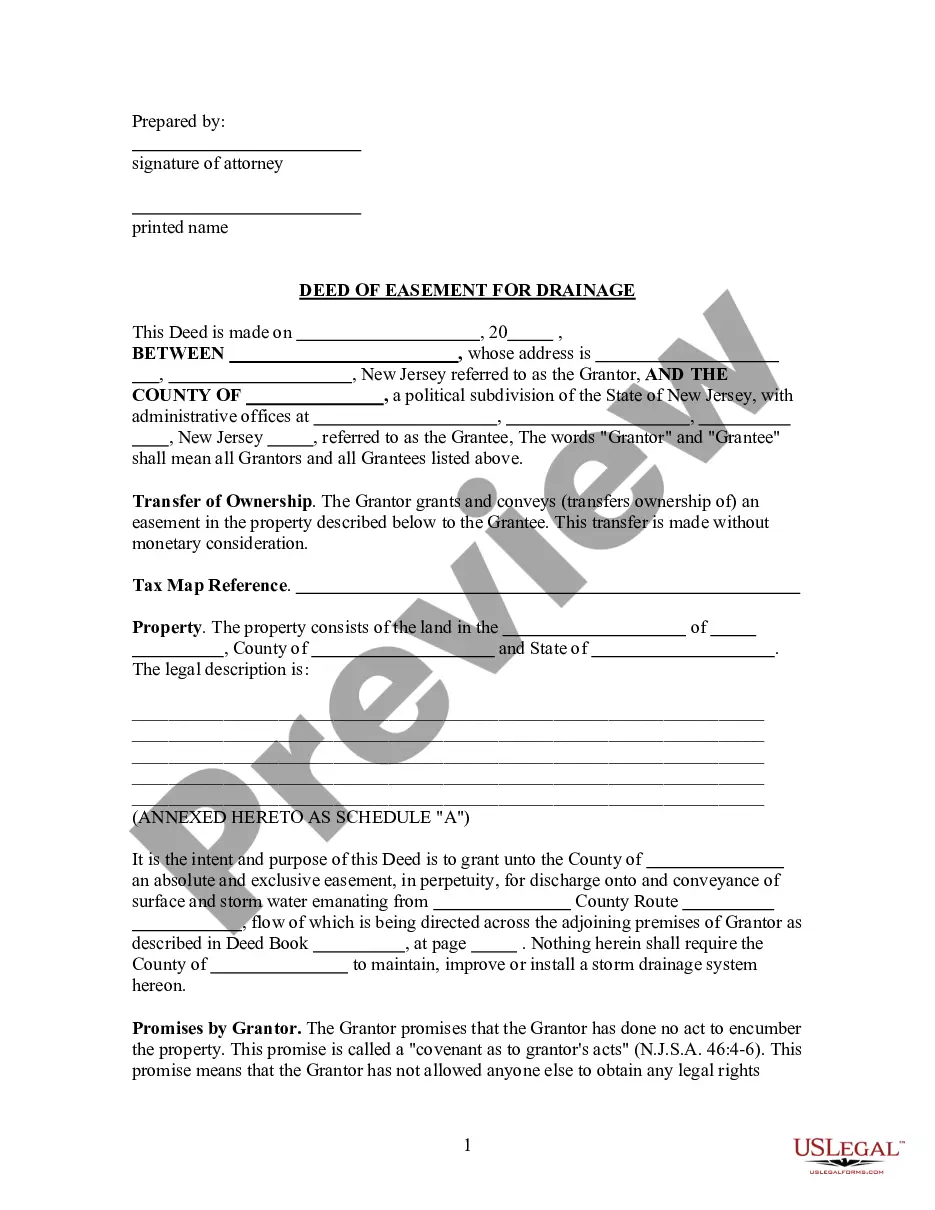
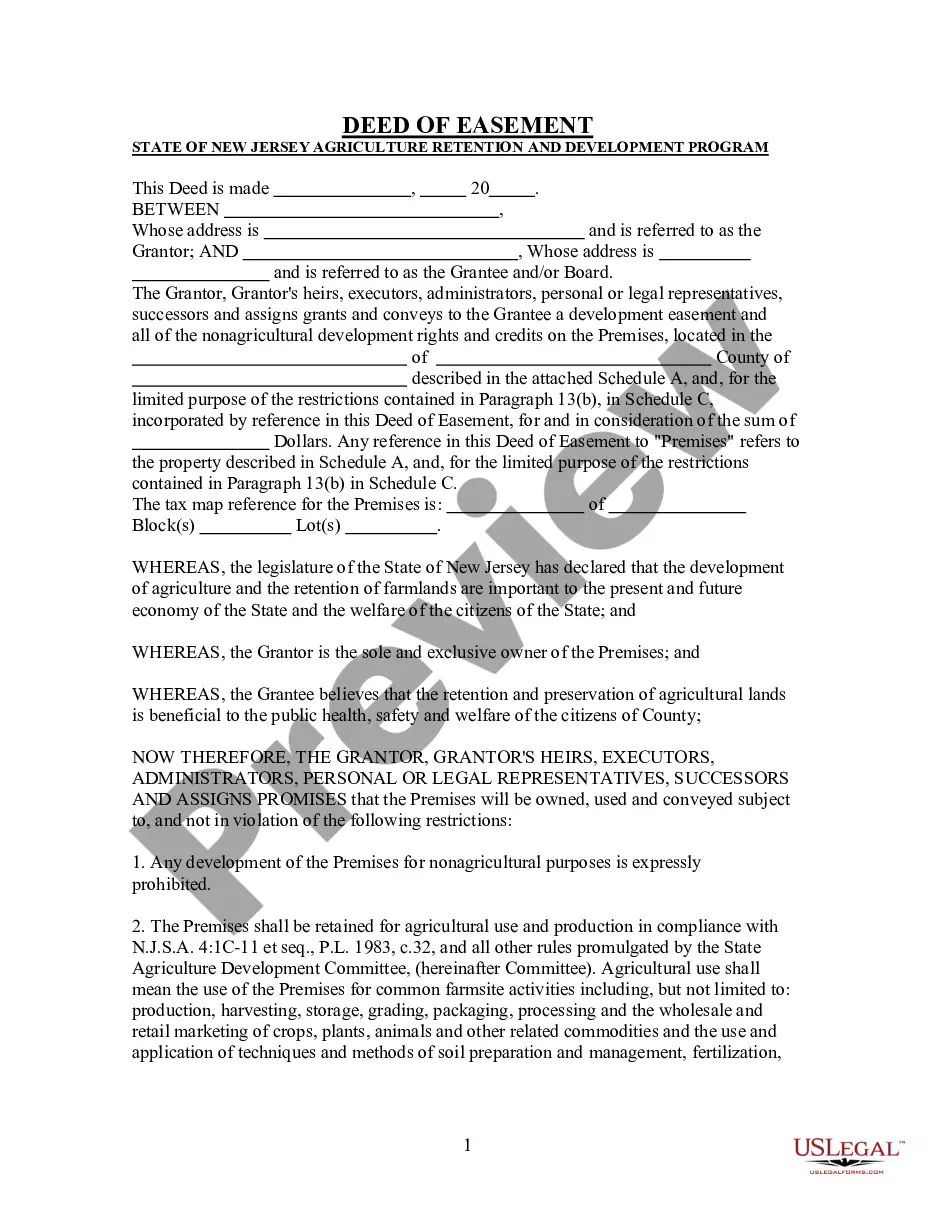
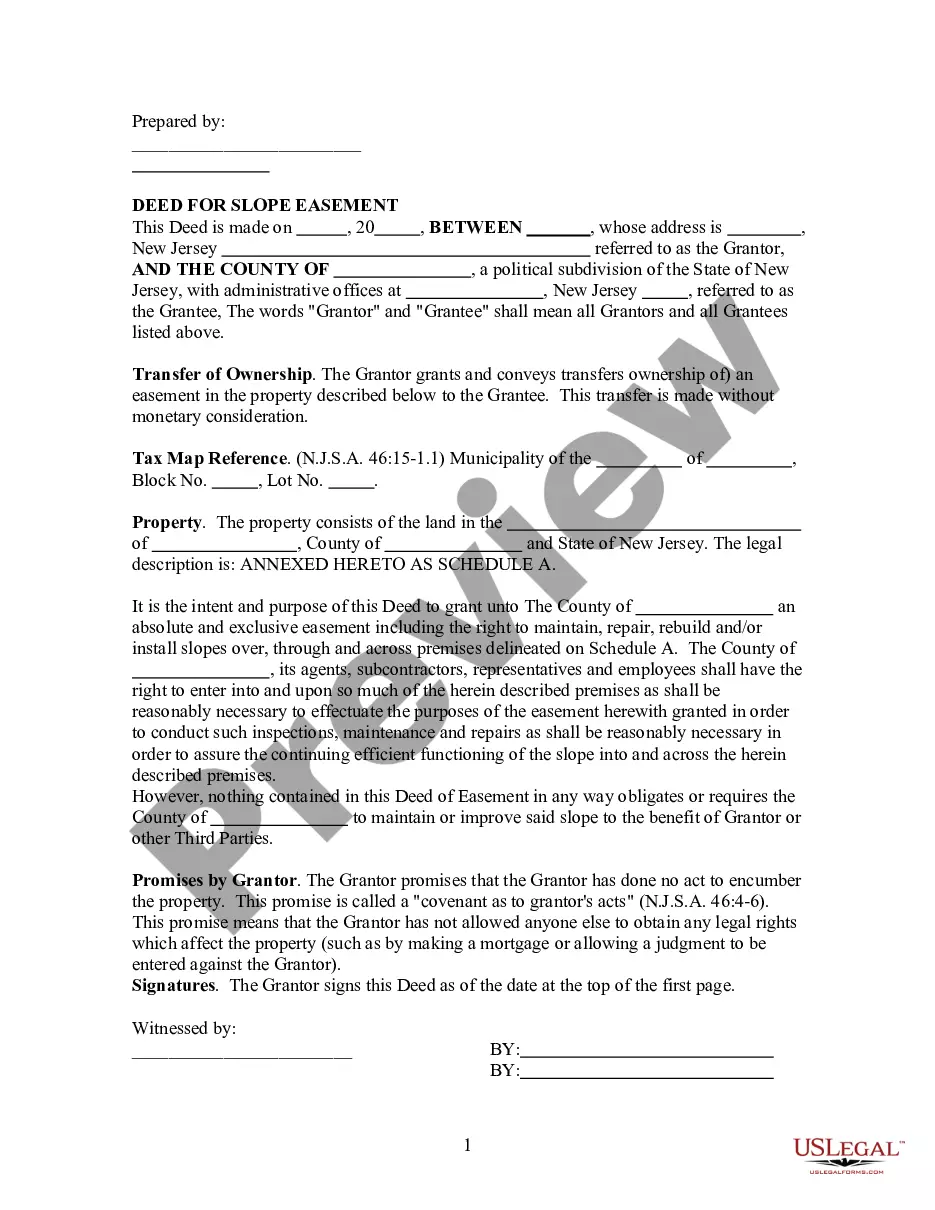
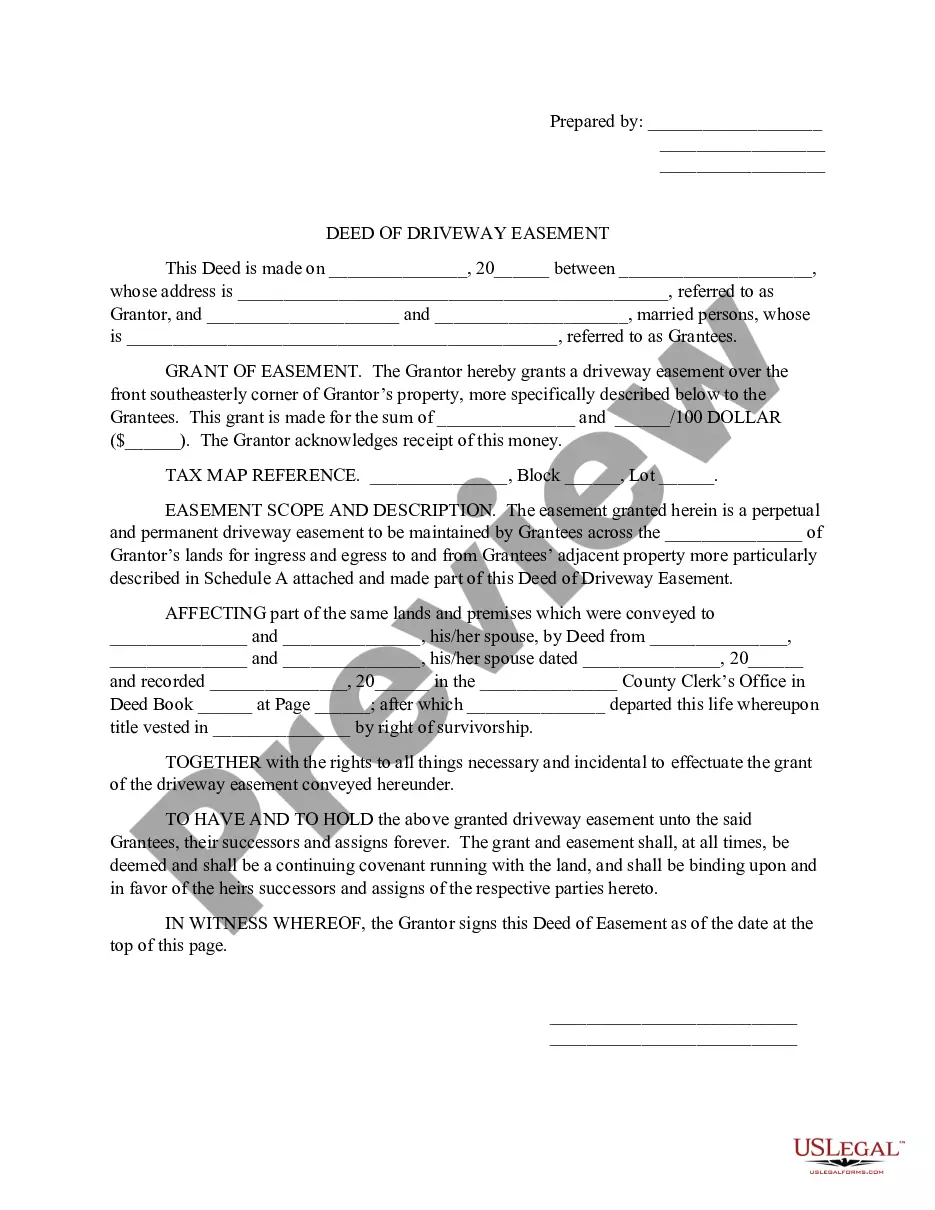
A deed of conveyance is a legal document that transfers ownership of real property from one party to another. It serves as a formal record of the transfer and contains essential information, such as the names of the grantor (seller) and grantee (buyer), the property description, and the terms under which the property is being conveyed.
Key components of the form
To understand a deed of conveyance better, it’s essential to know its key components:
- Grantor: The person or entity selling the property.
- Grantee: The person or entity receiving the property.
- Property Description: A detailed description of the real estate being transferred.
- Consideration: The amount of money or value exchanged for the property.
- Signatures: The legal signatures of the grantor, and potentially the grantee, acknowledging the transfer.
- Notarization: The process of having the document acknowledged by a notary public.
How to complete a form
To complete a deed of conveyance, follow these steps:
- Obtain the correct form: Ensure you have a valid deed of conveyance form.
- Enter the grantor’s information: Fill in the name and address of the individual selling the property.
- Fill in the grantee’s information: Provide the name and address of the individual buying the property.
- Include property details: Write a clear description of the real estate being transferred.
- State the consideration: Specify the amount of money exchanged for the property.
- Sign the document: The grantor must sign in the designated area.
- Notarize the document: Have the deed witnessed and notarized as required.
Who should use this form
A deed of conveyance should be used by individuals or entities involved in the sale or transfer of real property. This includes:
- Homeowners selling their property.
- Real estate agents facilitating a property sale.
- Companies transferring ownership of commercial property.
Anyone seeking to formalize the transfer of real estate rights should consider using a deed of conveyance.
Common mistakes to avoid when using this form
When completing a deed of conveyance, it is crucial to be aware of common pitfalls:
- Incorrect property description can lead to disputes; always double-check.
- Failure to include consideration may render the deed insufficient.
- Not obtaining notarization can invalidate the document.
- Inaccuracies in the grantor or grantee’s information can complicate the transfer.
Always review the completed form carefully to avoid these issues.
What to expect during notarization or witnessing
When getting a deed of conveyance notarized, you will experience the following:
- The notary will verify the identities of the signatories.
- All parties involved must sign the document in the presence of the notary.
- The notary will add their signature and seal to the document, indicating it has been officially recognized.
Ensure that all the required parties are present and that identification is available to streamline this process.
Legal use and context
A deed of conveyance is crucial in real estate transactions. It legally transfers property ownership, ensuring that the rights and interests of the buyer and seller are documented. This document may be required during property transactions, refinancing, and when addressing legal disputes related to ownership.
Furthermore, it is essential for individuals and entities involved in property dealings to understand the implications of signing a deed of conveyance, as it can affect future rights to the property.