What is the proposed distribution of money and property of probate estate?
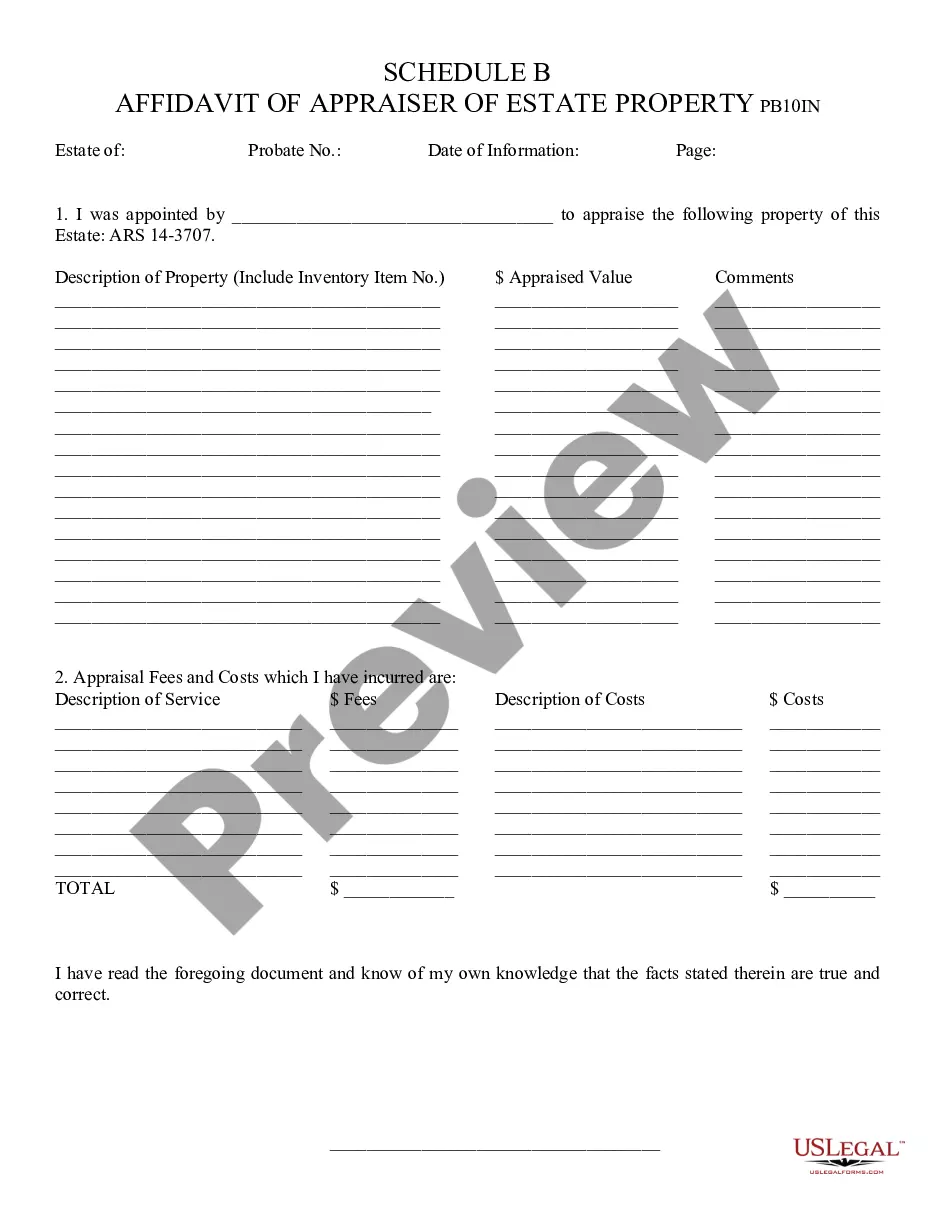
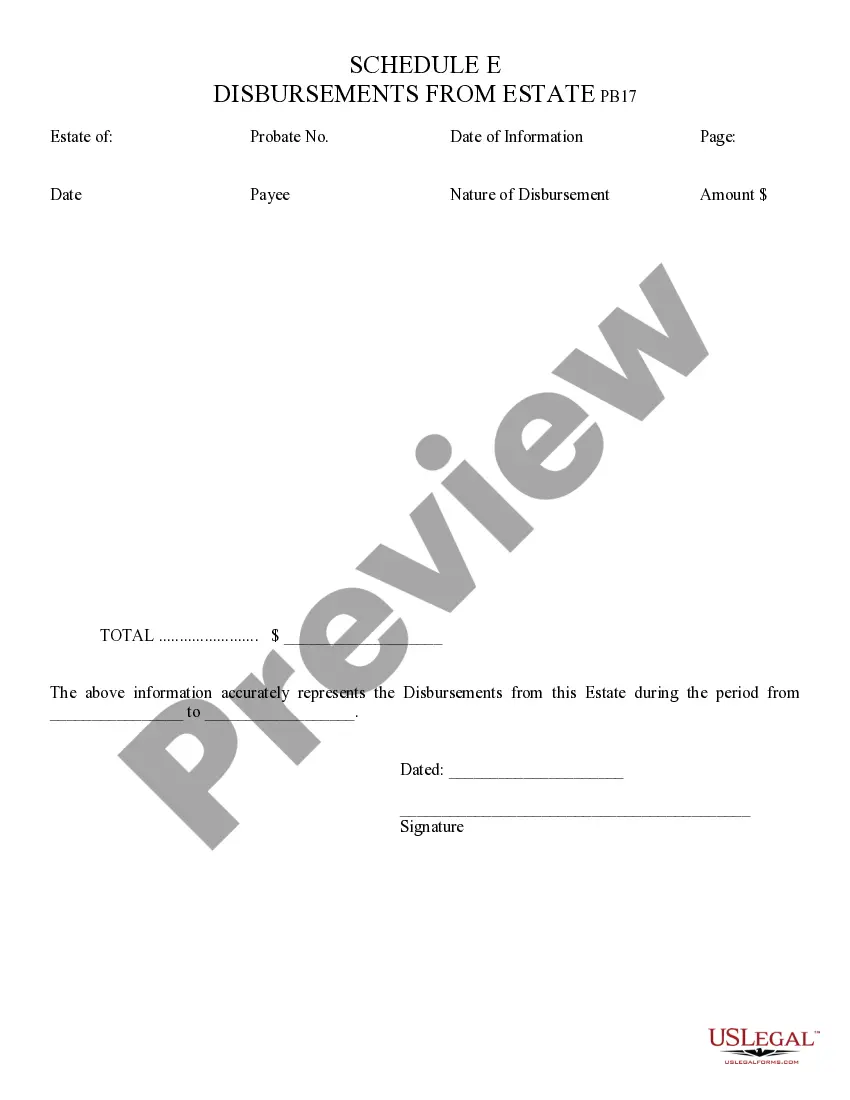
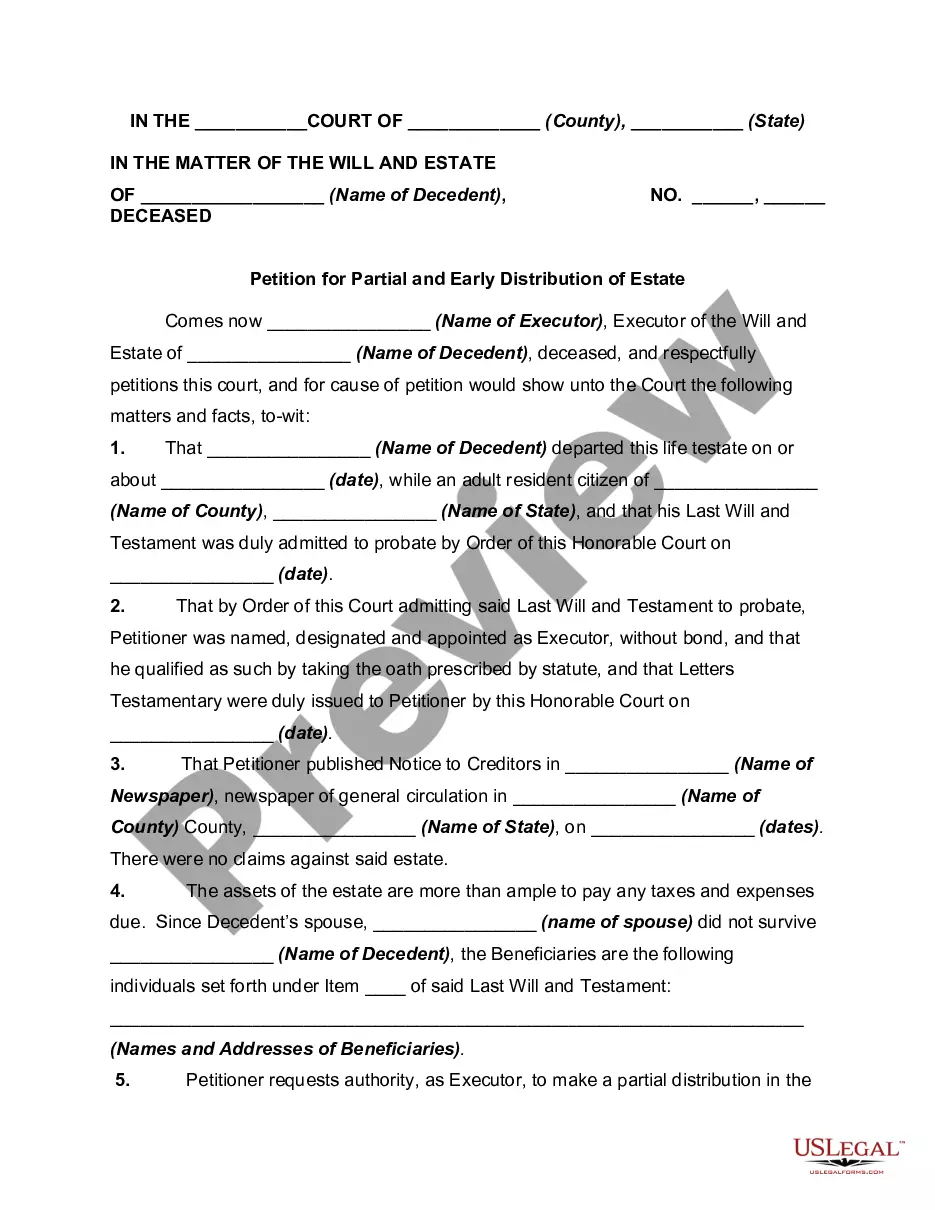
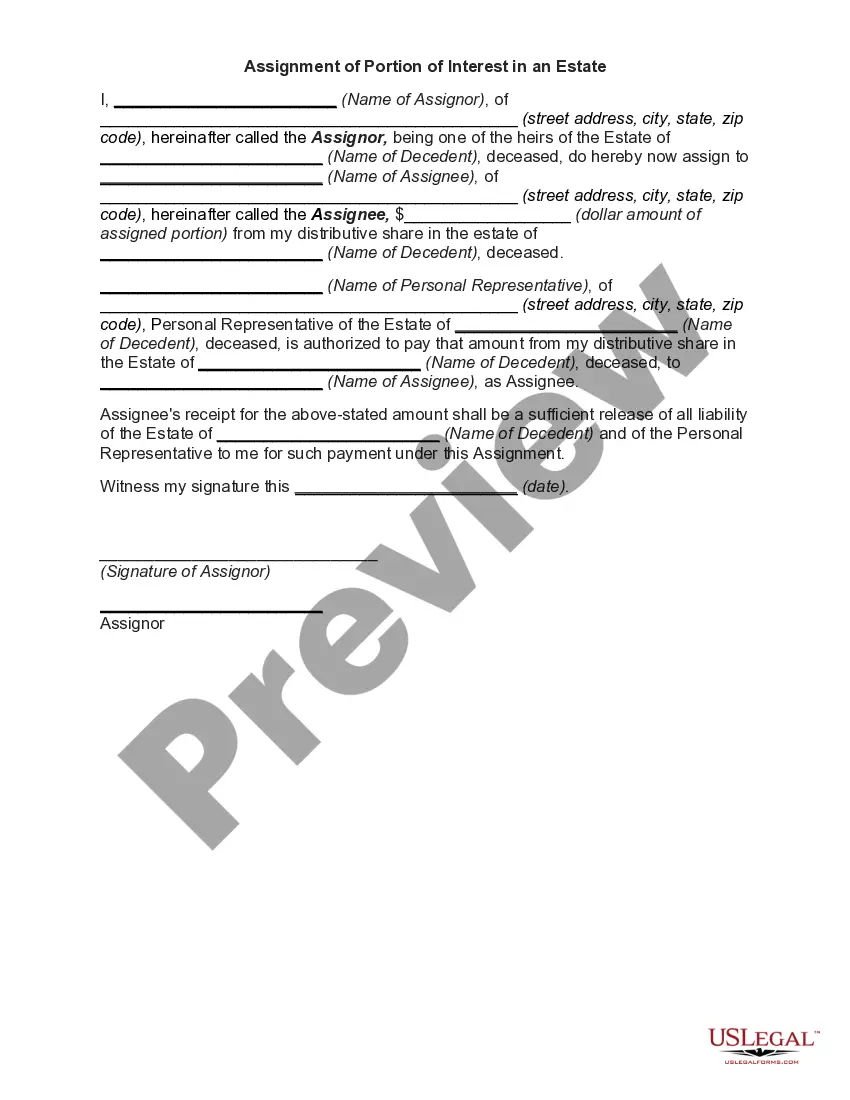
The proposed distribution of money and property of a probate estate refers to the plan outlined by the Personal Representative for how the decedent's assets will be divided among beneficiaries. This distribution takes into account debts and liabilities attached to the estate, ensuring that all parties receive their entitled portions while settling any outstanding obligations.
Key components of the form
This form typically includes several crucial elements:
- Personal information: Details of the Personal Representative and the decedent.
- List of beneficiaries: Names and addresses of individuals receiving assets from the estate.
- Property description: Detailed accounts of the property assigned to each beneficiary.
- Liabilities: Information about any money still owed related to the estate's property.
Legal use and context
This form serves as a legally binding document within probate proceedings. It is used to formalize the distribution of assets after the death of an individual. The form ensures that all distributions comply with state laws as provided in the applicable probate statutes, promoting transparency among beneficiaries and adherence to legal requirements.
Common mistakes to avoid when using this form
When completing the form, be aware of the following common pitfalls:
- Failing to include all beneficiaries and accurately stating their share of the estate.
- Omitting detailed descriptions of property, which can lead to disputes.
- Neglecting to account for any outstanding debts and liabilities.
- Errors in the personal information of the decedent or Personal Representative.
What documents you may need alongside this one
While completing the proposed distribution form, you may need the following documents:
- The decedent's will: If available, it provides direction on asset distribution.
- Death certificate: Official proof of the decedent's passing.
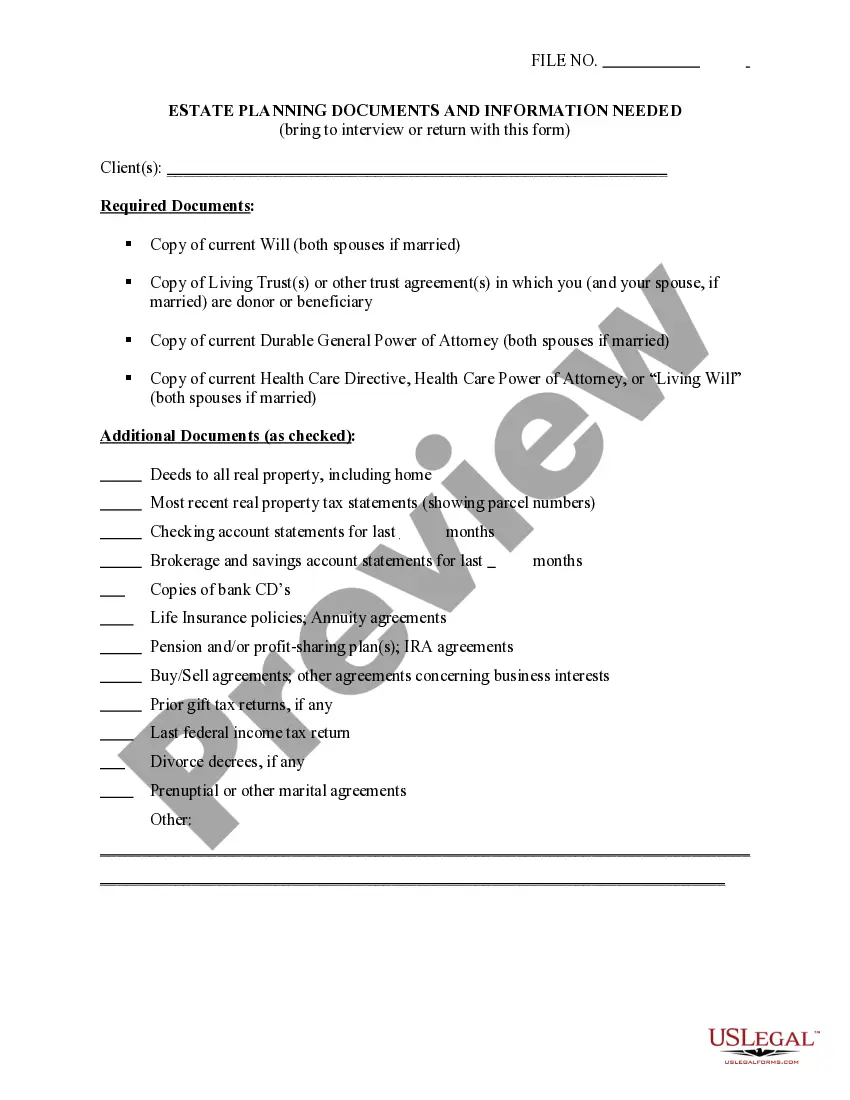
- List of assets: Comprehensive inventory of the decedent's property and debts.
Who should use this form
This form is intended for Personal Representatives appointed by a probate court to manage the decedent's estate. It is crucial for individuals responsible for distributing assets according to legal requirements and for ensuring that all debts are settled before distributions occur.
What to expect during notarization or witnessing
Depending on state requirements, you may need to have the proposed distribution form notarized or witnessed. This process typically includes:
- Presenting valid identification to the notary or witness.
- Signing the form in their presence.
- Receiving an official notarization or written statement confirming the witness's account of the signing ceremony.