How to report disbursements from an estate effectively
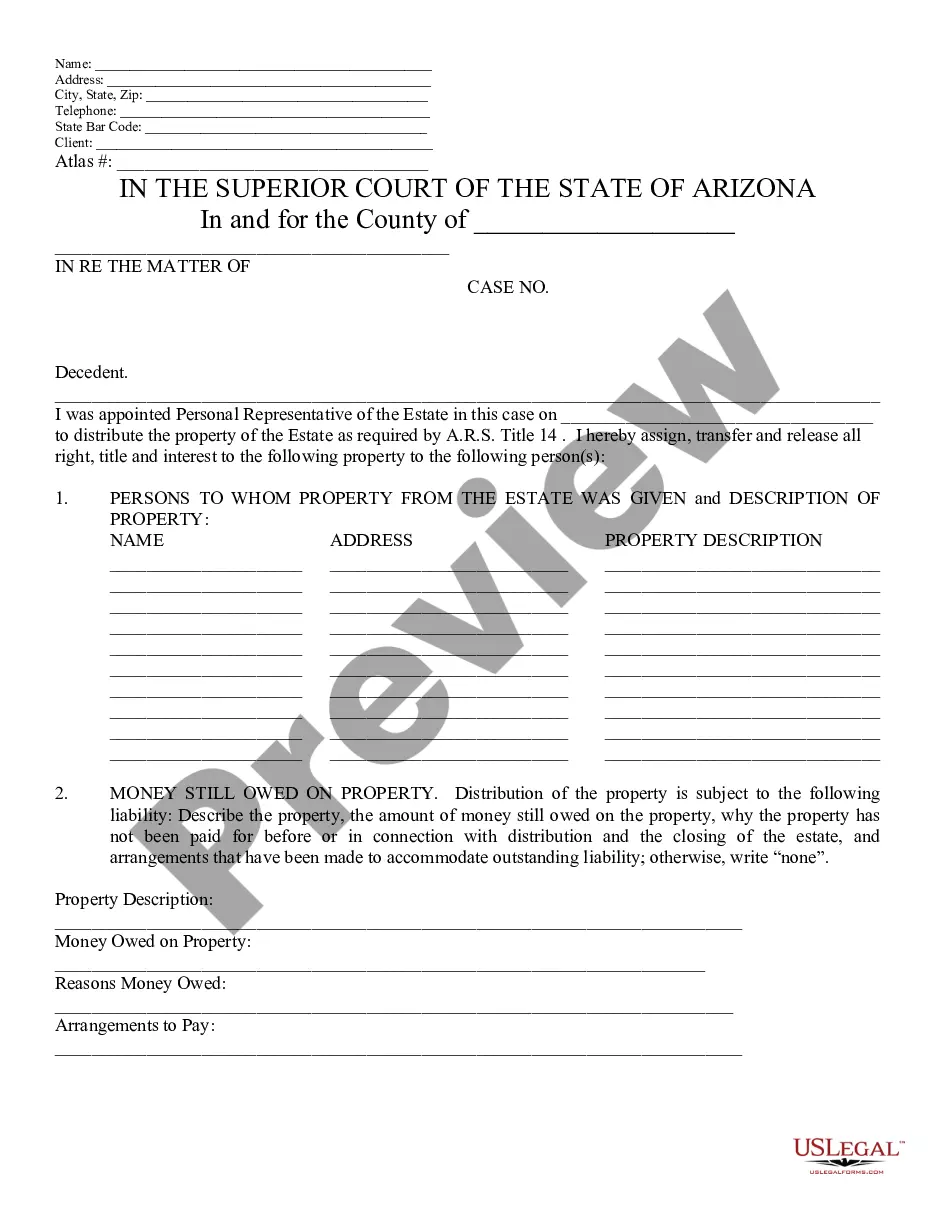
Understanding how to report disbursements from an estate is crucial for managing estate finances. Disbursements refer to payments made from an estate to beneficiaries or creditors. Proper reporting ensures transparency and compliance with legal requirements.
Key components of the form
The form for reporting disbursements generally includes several key components:
- Date: The date on which the disbursement is made.
- Payee: The individual or entity receiving the payment.
- Nature of Disbursement: A brief description of the purpose of the payment.
- Amount: The sum of money being disbursed.
Completing these sections accurately is vital for accountability and record-keeping.
How to complete a form
Follow these steps to complete the disbursement reporting form:
- Fill in the estate information: Include the estate name and probate number.
- List each disbursement: Enter the date, payee, nature, and amount for each transaction.
- Total disbursements: Sum all amounts and enter the total at the bottom of the form.
- Signature: Sign and date the form to validate it.
Common mistakes to avoid when using this form
When reporting disbursements, be cautious of these common mistakes:
- Omitting necessary details such as dates or amounts.
- Failing to total the disbursements accurately.
- Not reviewing for discrepancies between the reported amounts and supporting documents.
Avoiding these pitfalls will help maintain the integrity of your estate reporting.
What documents you may need alongside this one
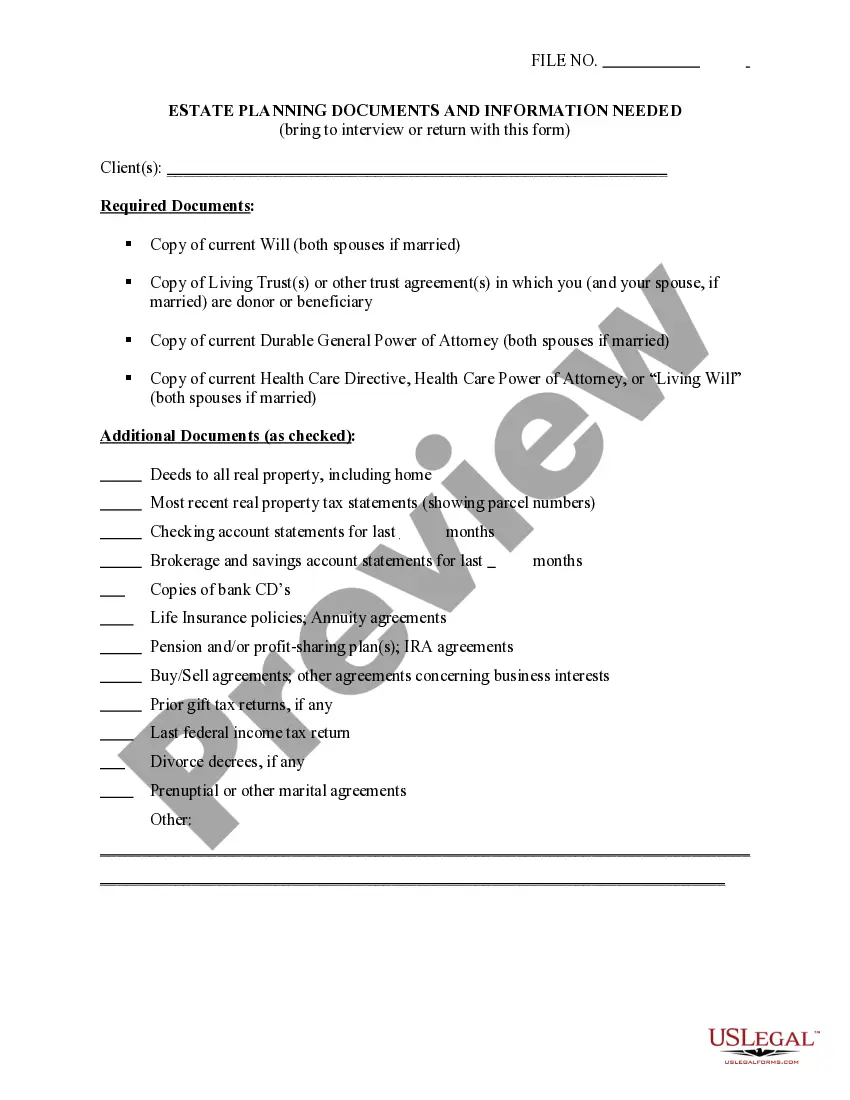
To accurately report disbursements, you may need the following documents:
- Receipts: Proof of payment for each disbursement.
- Estate ledger: A record of all financial transactions related to the estate.
- Beneficiary agreements: Documented agreements with beneficiaries to clarify disbursement terms.
Gathering these documents ahead of time can streamline the reporting process.
Who should use this form
This form should be used by personal representatives, executors, or administrators of an estate responsible for managing and distributing assets according to the will or local laws. Anyone overseeing estate disbursements should ensure compliance with legal requirements and beneficiary agreements.
Legal use and context
Reporting disbursements is a critical legal obligation during the estate administration process. It ensures that beneficiaries receive their rightful shares and that creditors are paid as required. Understanding the legal framework surrounding disbursements helps avoid potential disputes and legal complications.