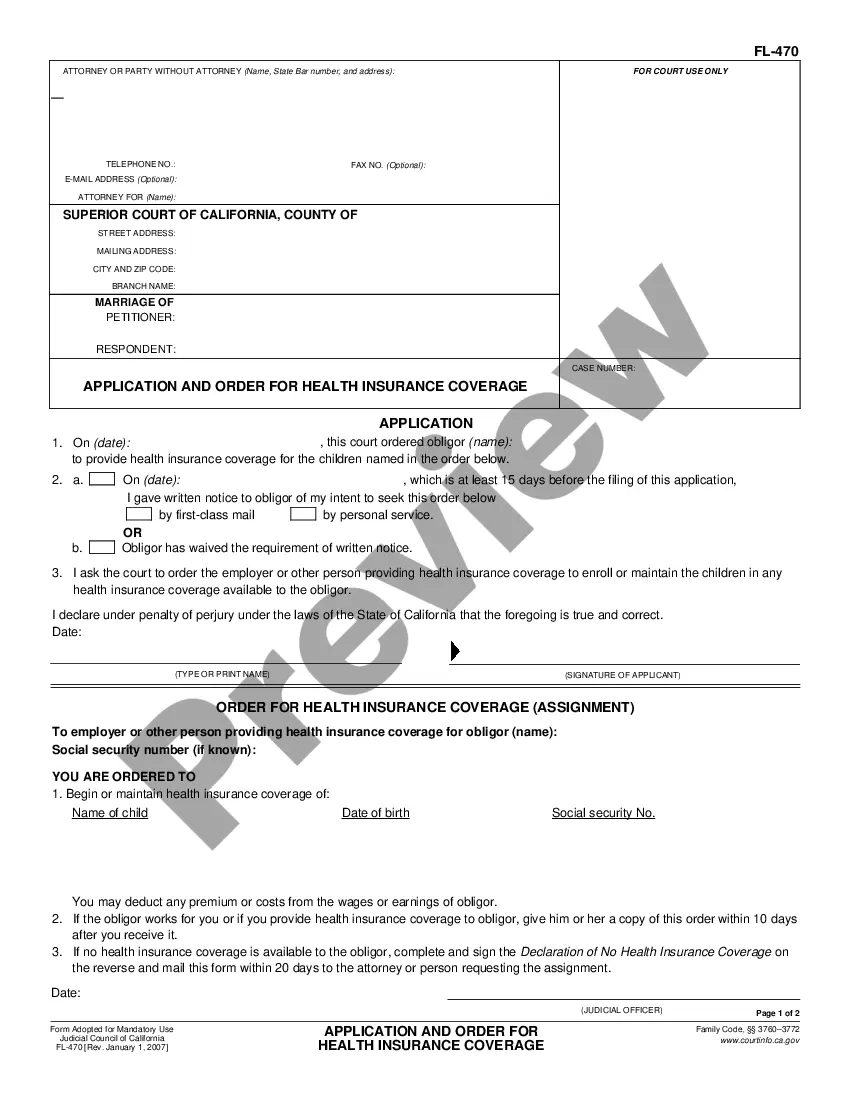
How to file an answer in court effectively
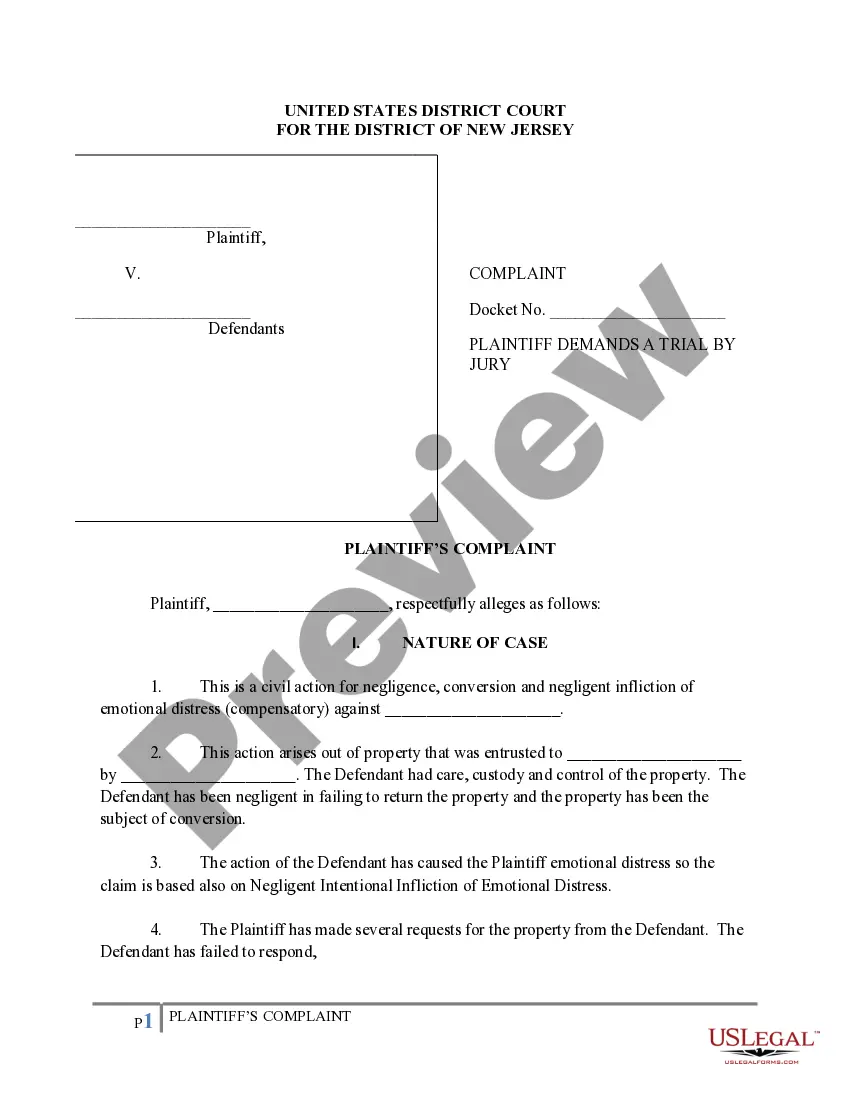
An answer is a document filed with the court in response to a complaint. It serves to inform the court and the opposing party of the defendant's stance regarding the claims made against them. Filing an answer is a critical step in legal proceedings as it allows the defendant to present their side of the case and potentially challenge or refute the allegations made in the complaint.
How to complete a form
Completing the answer form involves several key steps:
- Title the Document: Start by writing 'Answer' at the top of the form.
- Identify the Parties: Clearly state the names of the plaintiff and defendant.
- Respond to Allegations: Carefully read each allegation in the complaint and respond by either admitting, denying, or stating that you lack sufficient knowledge to answer.
- Provide Defenses: List any legal defenses you have to the claims made in the complaint.
- Signature: Sign the document and include the date.
It is essential to ensure that all responses are clear and complete to avoid any negative implications during the legal process.
Who should use this form
Individuals who have received a complaint and are being sued in a civil matter should use this form. This includes defendants in cases involving personal injury, breach of contract, divorce proceedings, or any other legal disputes where a formal response is required. Filing this answer is a crucial step for the defendant to assert their rights and present their arguments in court.
Key components of the form
When completing an answer form, there are several critical components to include:
- Case Information: Details regarding the court, case number, and parties involved.
- Admissions/Denials: Clear statements indicating whether each claim in the complaint is admitted or denied.
- Defenses: A well-articulated list of legal defenses relevant to the case.
- Signature Block: A designated area for the defendant's signature, in addition to contact information for the attorney, if applicable.
Including all these components ensures that the form meets the court's requirements.
Common mistakes to avoid when using this form
When filing an answer, it is crucial to avoid several common pitfalls:
- Inadequate Responses: Failing to respond to each claim can lead to automatic admissions.
- Missing Deadlines: Not filing the answer within the specified time can adversely affect the case.
- Arguing Instead of Answering: Providing opinions or lengthy explanations instead of clear, direct responses is unhelpful.
- Neglecting Defenses: Omitting relevant defenses may limit options during litigation.
By steering clear of these mistakes, individuals can better protect their interests during the court proceedings.
What documents you may need alongside this one
When preparing to file your answer, consider gathering the following documents:
- The Original Complaint: This is necessary for reference as you draft your answer.
- Any Correspondence: Keep relevant communications related to the case.
- Evidence: Collect any supporting evidence that may strengthen your defense.
- Previous Court Filings: If applicable, have copies of prior legal documents for context.
Having these documents on hand will assist in creating a comprehensive and informed answer.
Key takeaways
When filing an answer in court:
- Understand the importance of your response to maintain your legal rights.
- Be thorough and precise in your admissions, denials, and defenses.
- Avoid common mistakes that could weaken your position.
- Gather all relevant documents to support your case.
Following these guidelines can help you file an accurate and effective answer.