• US Legal Forms

How to create bylaws for a nonprofit organization effectively

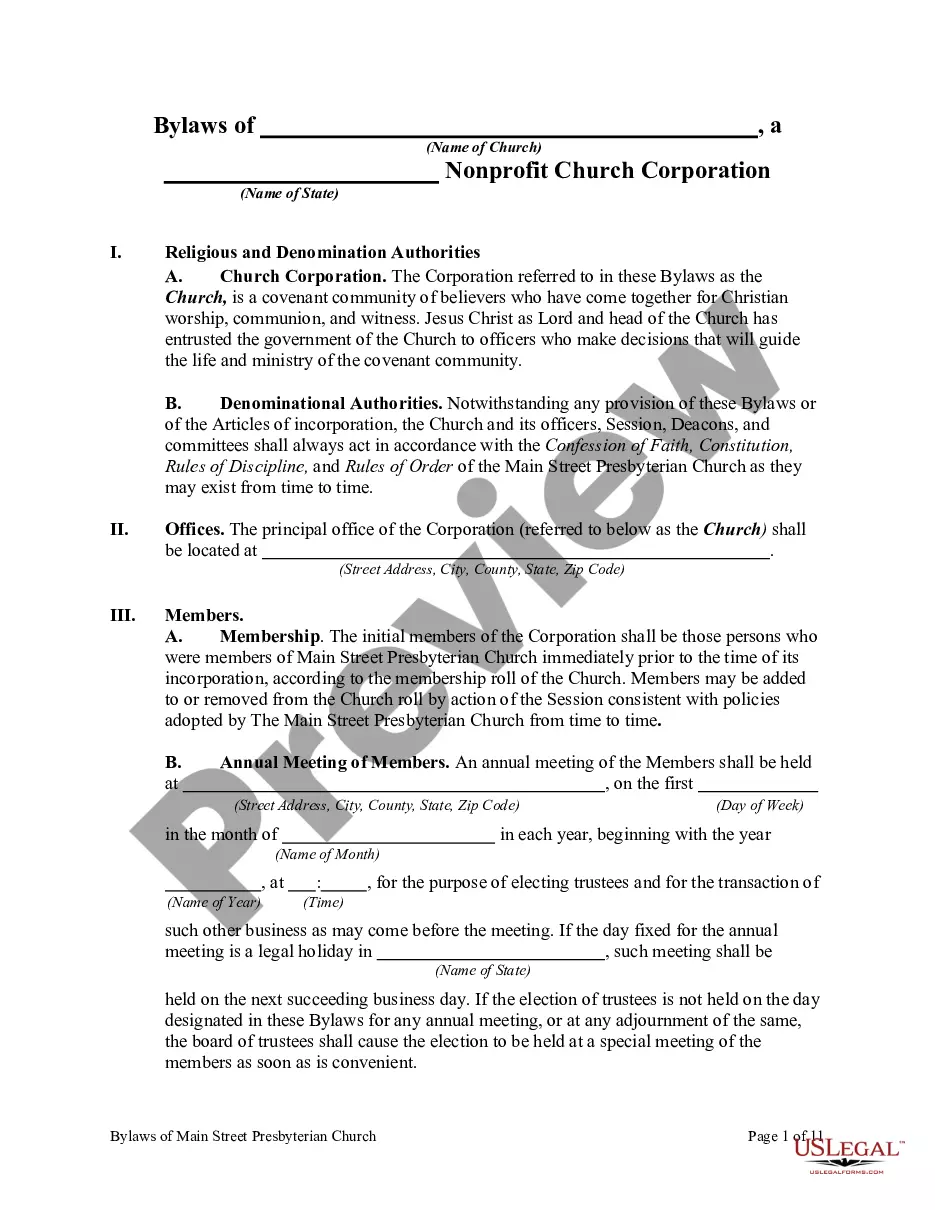
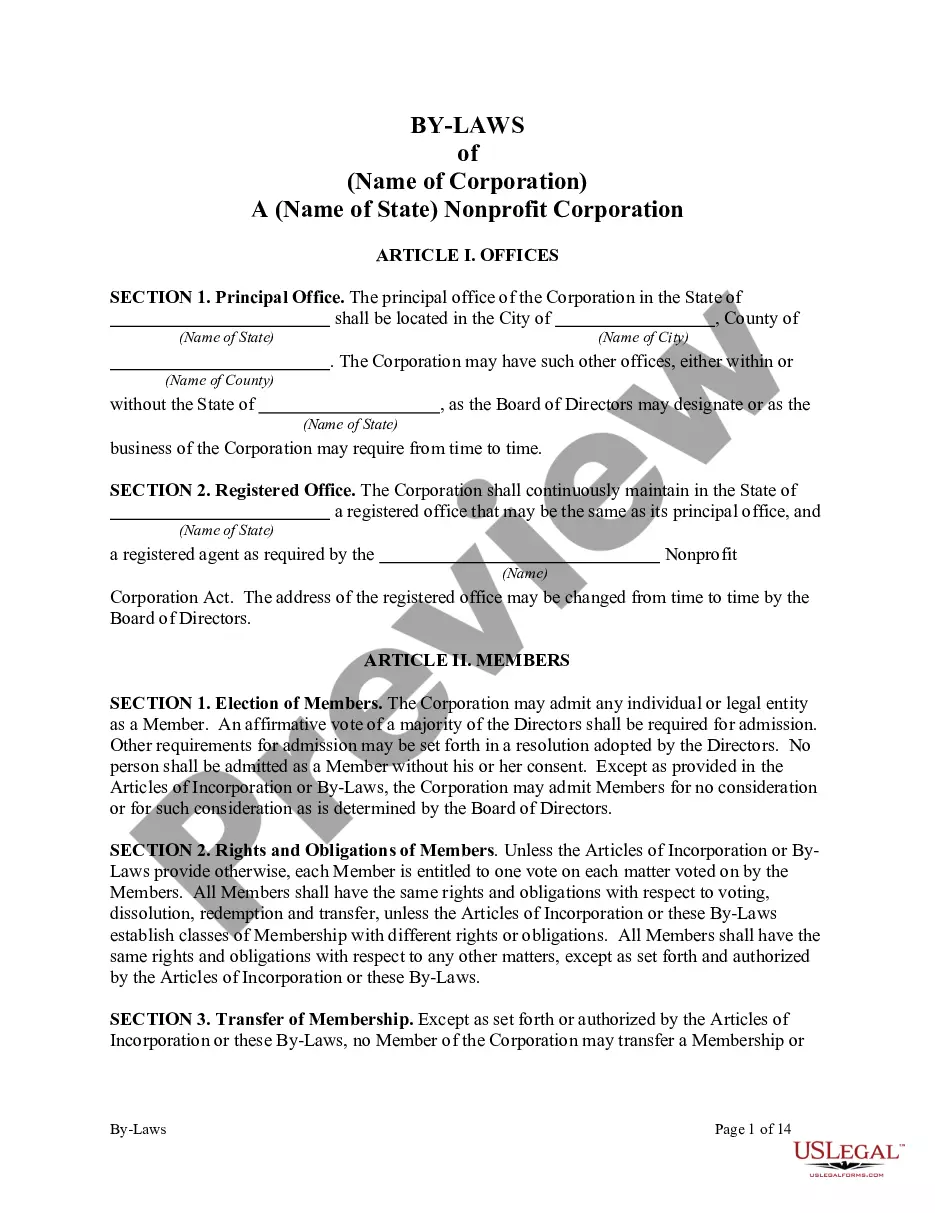
Bylaws are essential documents that outline the rules and regulations governing a nonprofit organization. They serve as the internal operating manual, detailing how the organization will function, the roles and responsibilities of its members, and the procedures for decision-making. Drafting effective bylaws is crucial as it helps ensure compliance with state and federal laws, protects the organization’s purpose, and provides a framework for accountability.

Essential components of nonprofit bylaws

A well-structured set of bylaws typically includes several key components:

  • Name and Office: The official name of the organization along with the location of its principal office.
  • Purpose: A clear statement describing the mission and objectives of the organization.
  • Board of Directors: Specifications on the composition, roles, and responsibilities of the board, as well as procedures for meetings and elections.
  • Membership: Information regarding the membership structure, if any.
  • Corporate Officers: Roles and responsibilities of officers, including the President, Secretary, and Treasurer.
  • Amendment Procedures: Guidelines on how bylaws can be amended.

Common pitfalls to avoid

While drafting bylaws, consider avoiding these common mistakes:

  • Vagueness: Ensure that each provision is clear and specific to prevent misinterpretation.
  • Non-compliance: Be aware of state-specific regulations that may affect your bylaws.
  • Neglecting Changes: Regularly review and update bylaws as the organization evolves or laws change.

Final thoughts on nonprofit bylaws

Bylaws are fundamental to the smooth operation of a nonprofit organization and should reflect its unique mission and vision. By establishing clear procedures and structures, you not only enhance governance but also increase transparency and trust among stakeholders. Ensure to revisit your bylaws regularly to keep them up-to-date with changes in leadership or statutory requirements.