Bylaws
Description Bylaw Template For Nonprofit
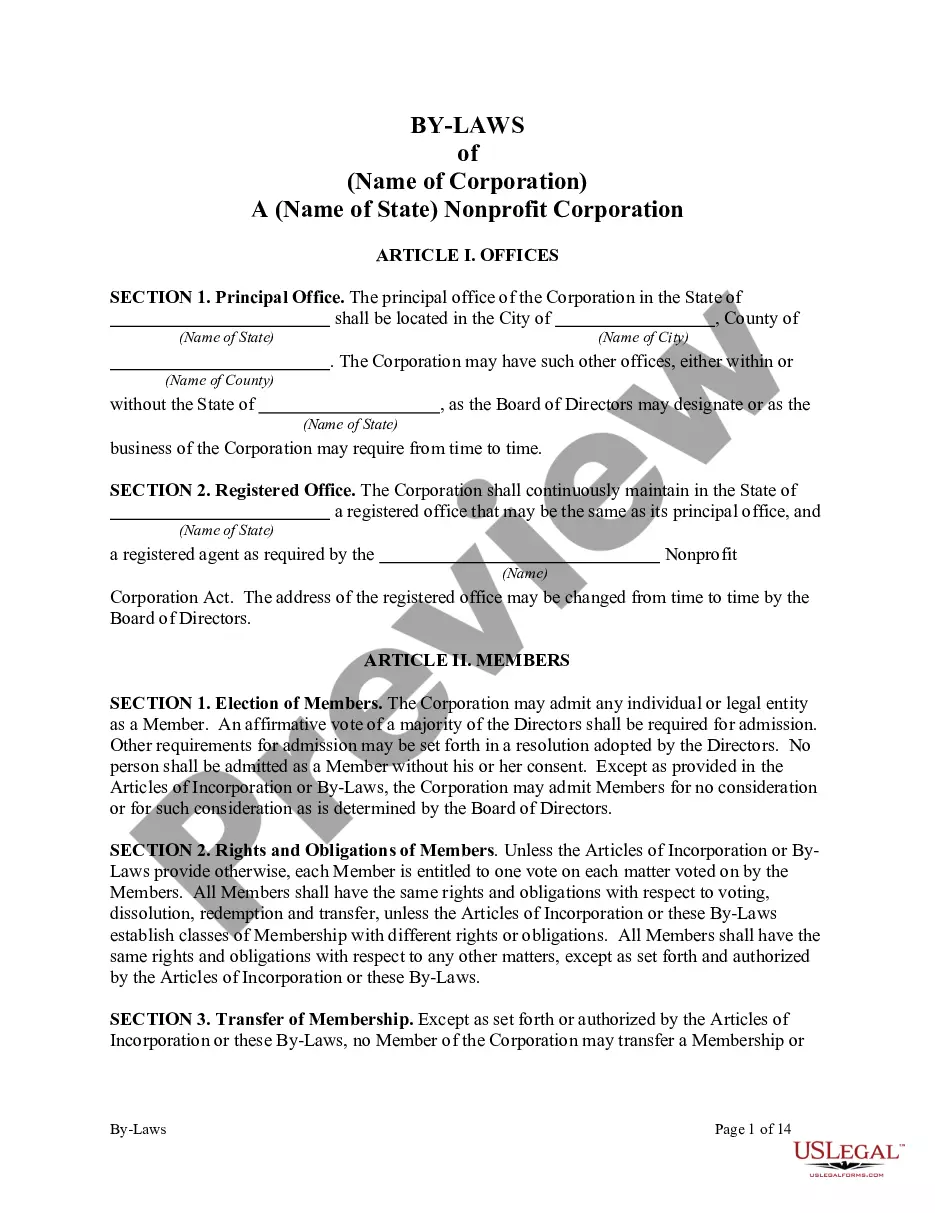
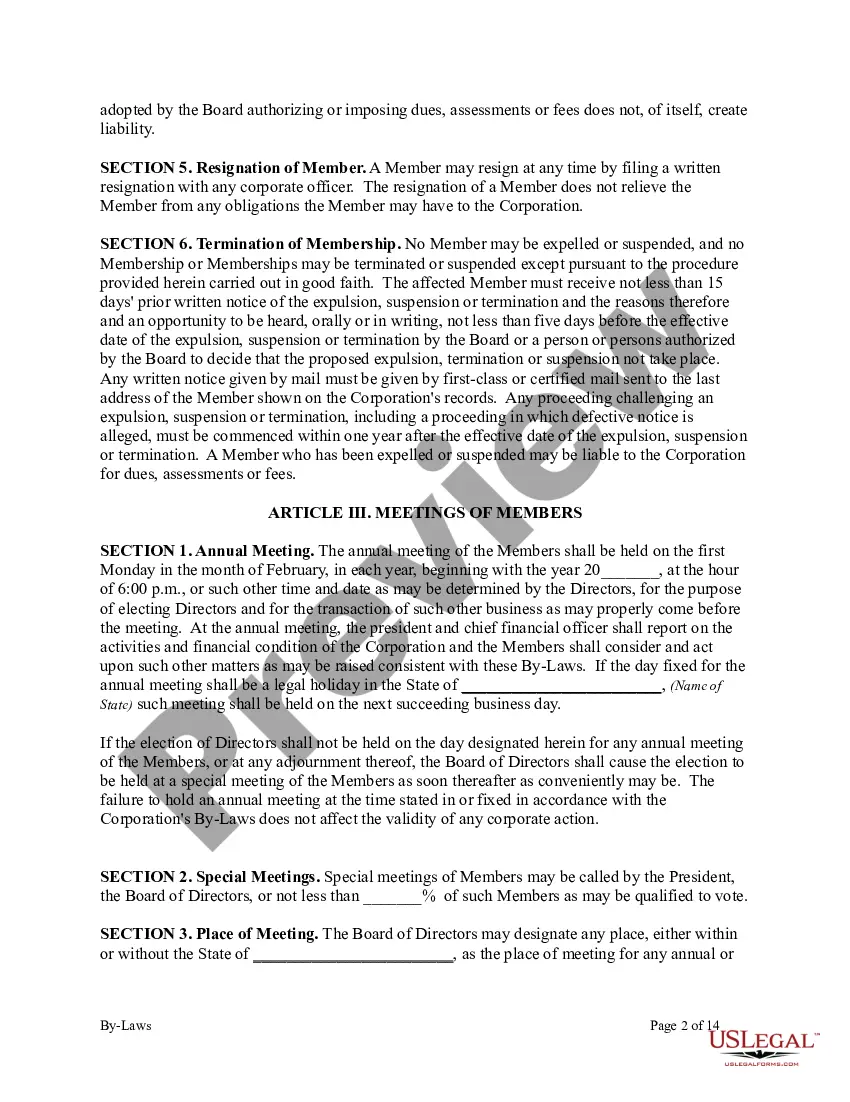
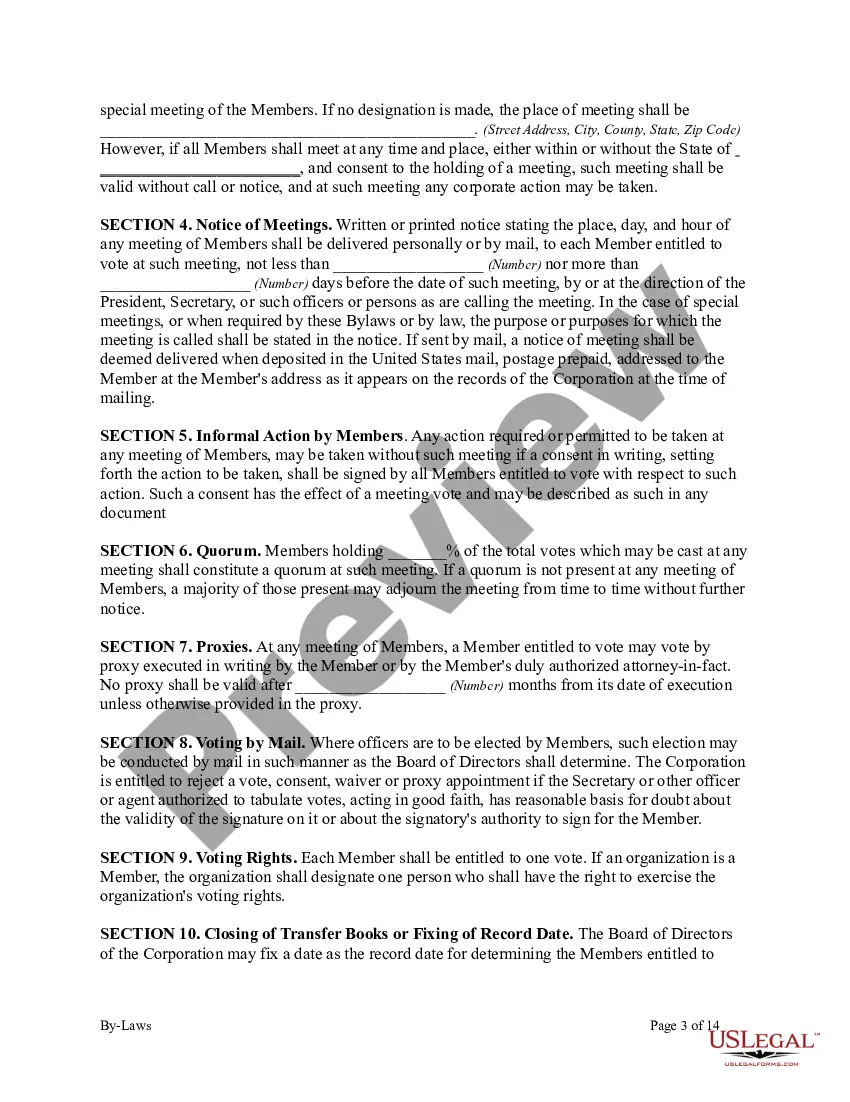
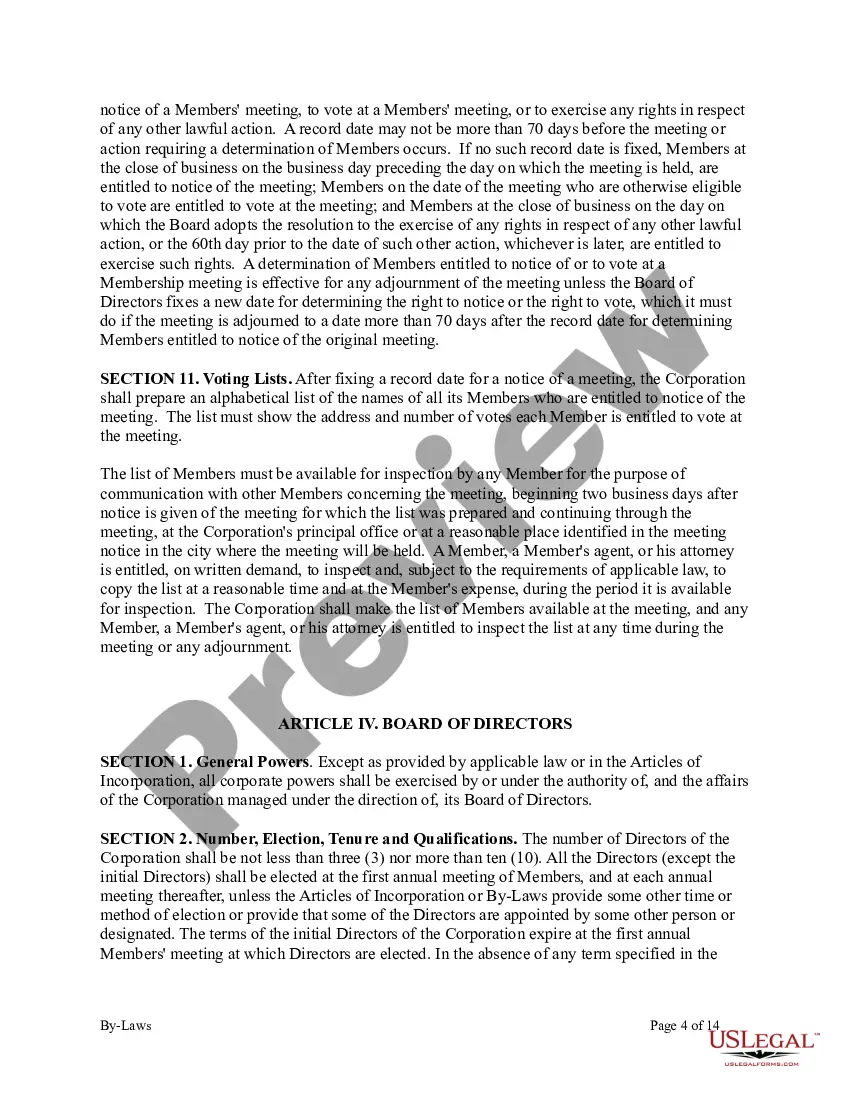
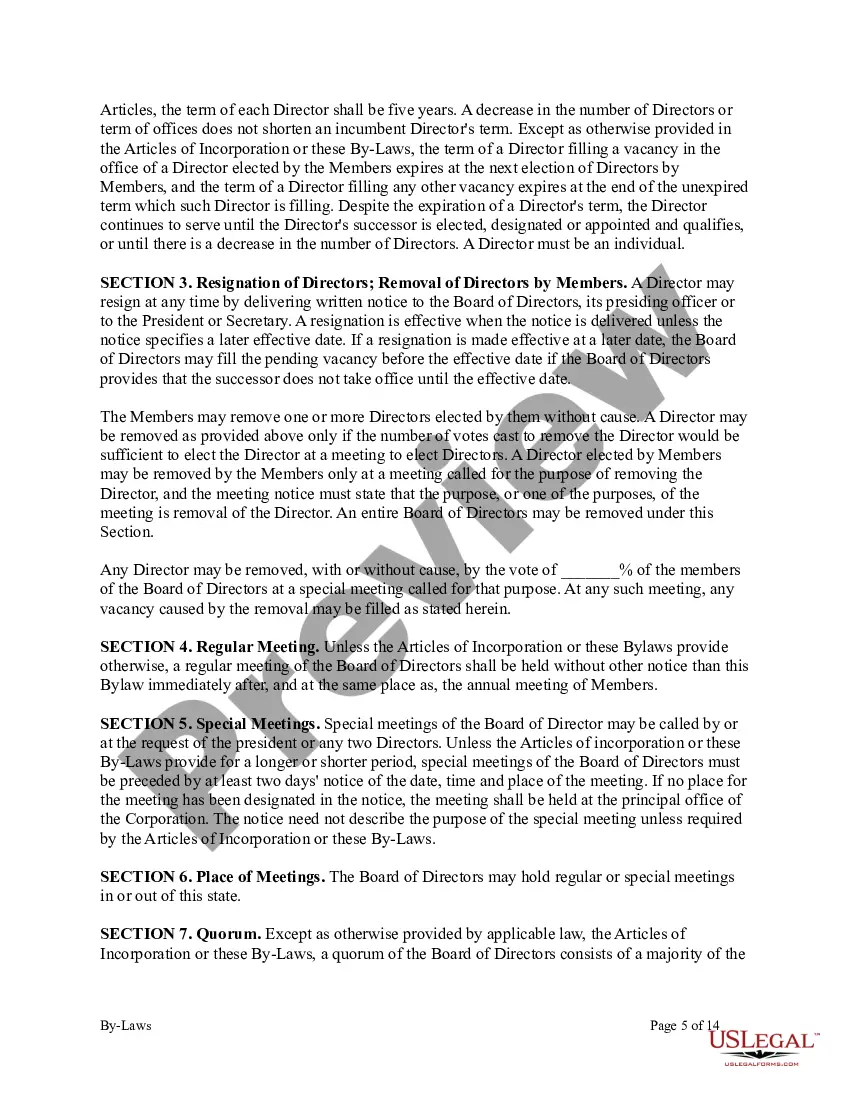
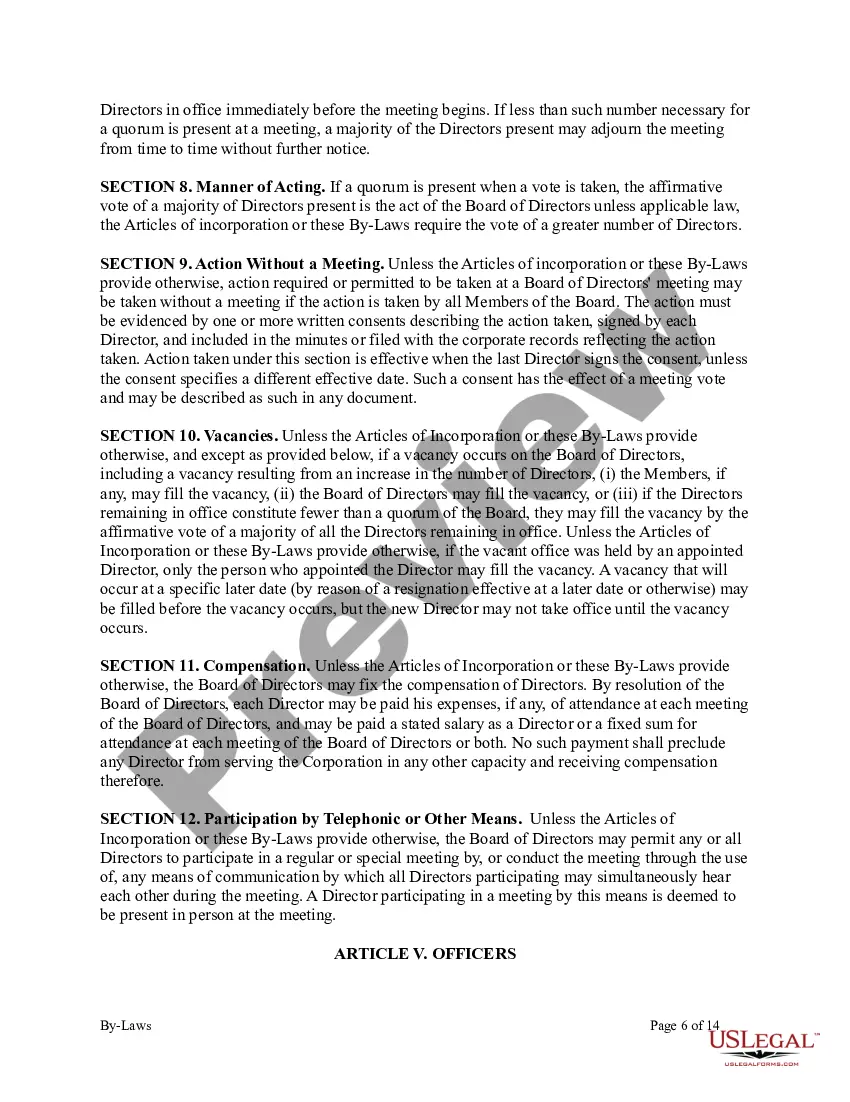
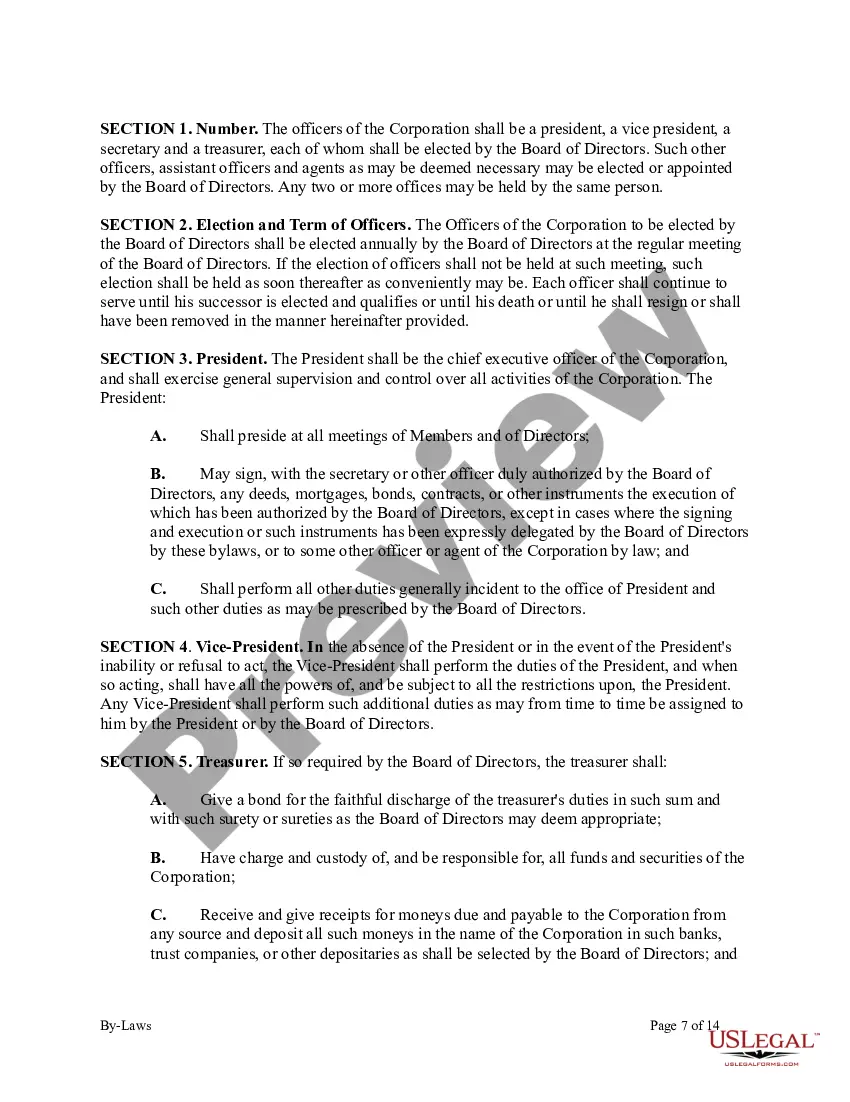
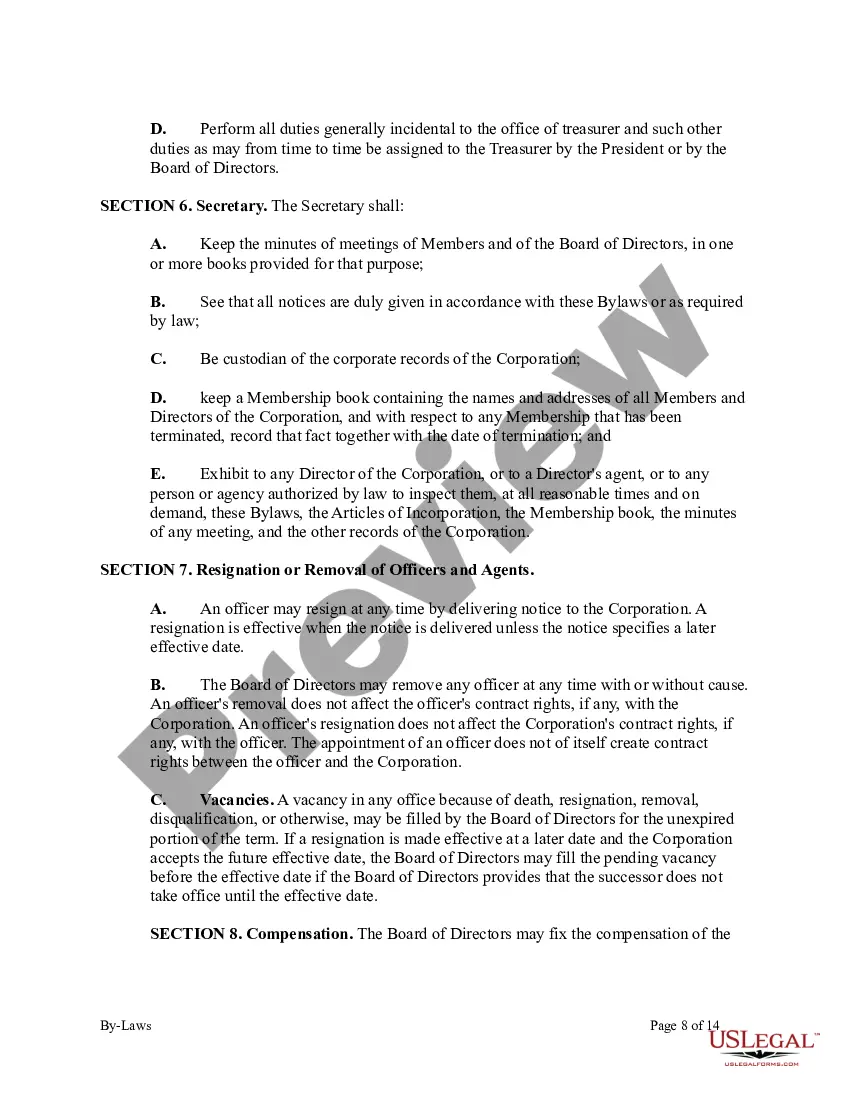

How to fill out Nonprofit Bylaw Amendment Template?
Aren't you tired of choosing from hundreds of samples every time you want to create a Bylaws of Nonprofit Corporation? US Legal Forms eliminates the lost time an incredible number of American people spend surfing around the internet for appropriate tax and legal forms. Our professional team of attorneys is constantly modernizing the state-specific Templates library, so it always has the right files for your situation.
If you’re a US Legal Forms subscriber, just log in to your account and click on the Download button. After that, the form can be found in the My Forms tab.
Users who don't have an active subscription should complete simple actions before having the capability to get access to their Bylaws of Nonprofit Corporation:
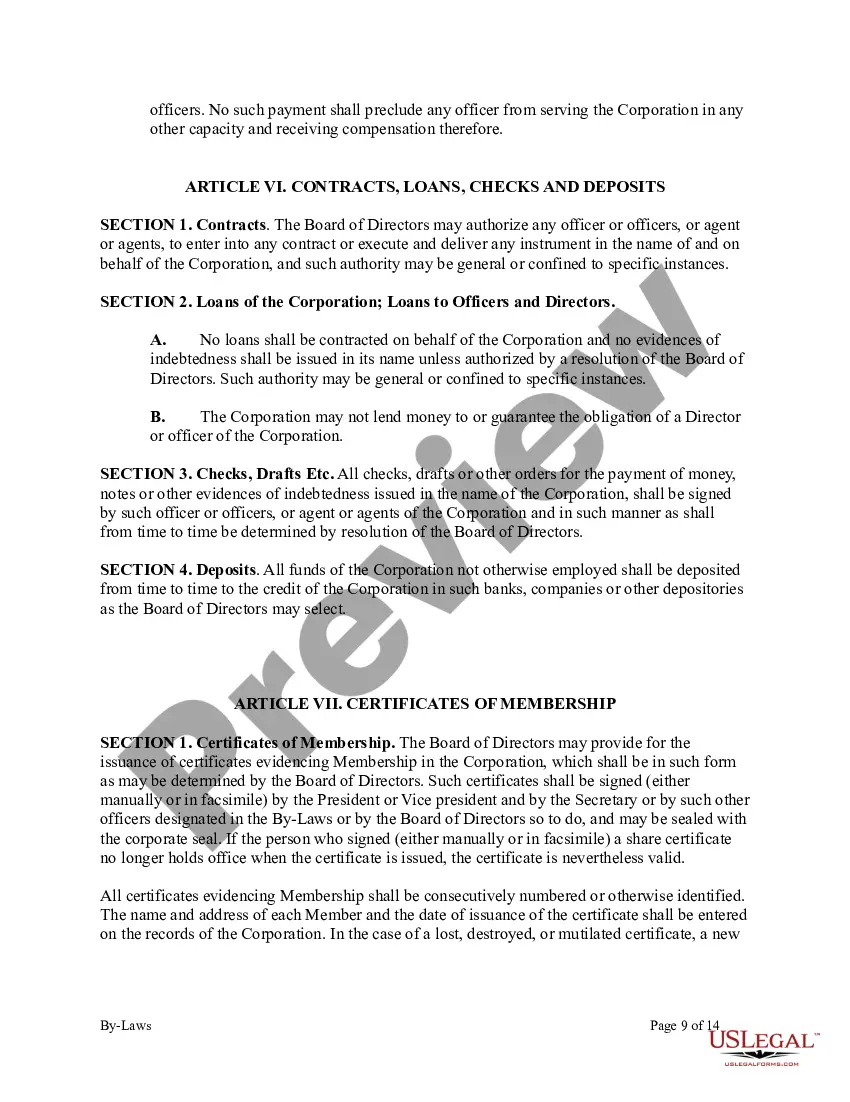
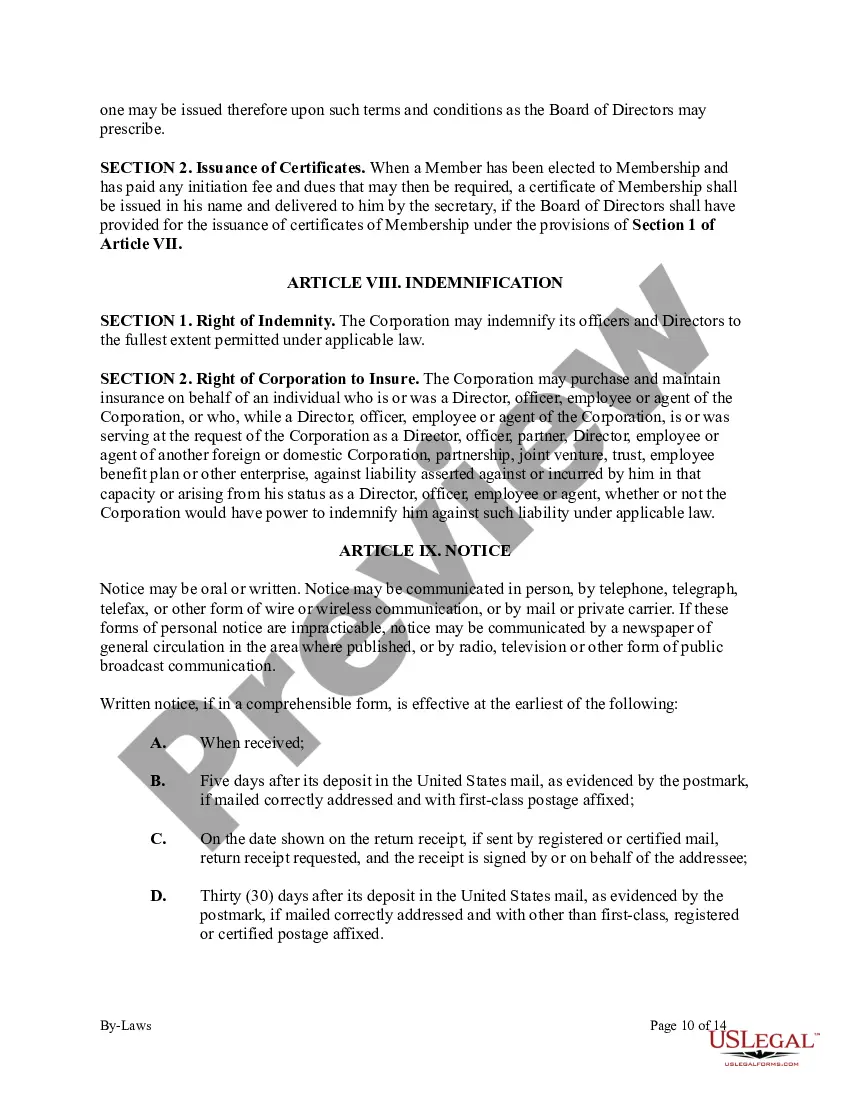
- Utilize the Preview function and look at the form description (if available) to make certain that it’s the appropriate document for what you are looking for.
- Pay attention to the applicability of the sample, meaning make sure it's the appropriate example for your state and situation.
- Utilize the Search field on top of the site if you need to look for another file.
- Click Buy Now and select an ideal pricing plan.
- Create an account and pay for the services utilizing a credit card or a PayPal.
- Download your document in a convenient format to complete, print, and sign the document.
As soon as you have followed the step-by-step recommendations above, you'll always have the ability to log in and download whatever file you require for whatever state you require it in. With US Legal Forms, finishing Bylaws of Nonprofit Corporation templates or other legal paperwork is simple. Begin now, and don't forget to look at the examples with certified attorneys!