Indiana Letter from Tenant to Landlord about Illegal entry by landlord
What this document covers
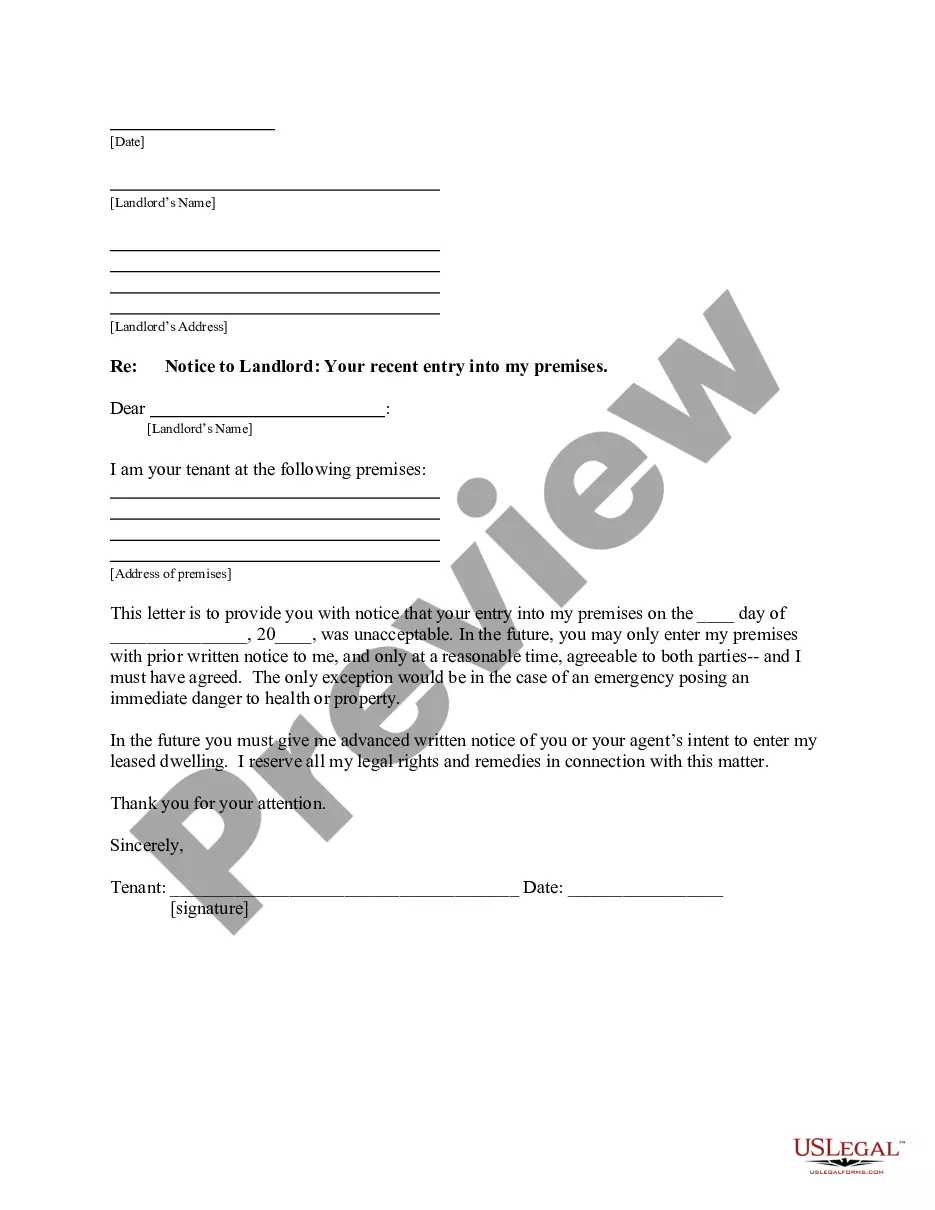
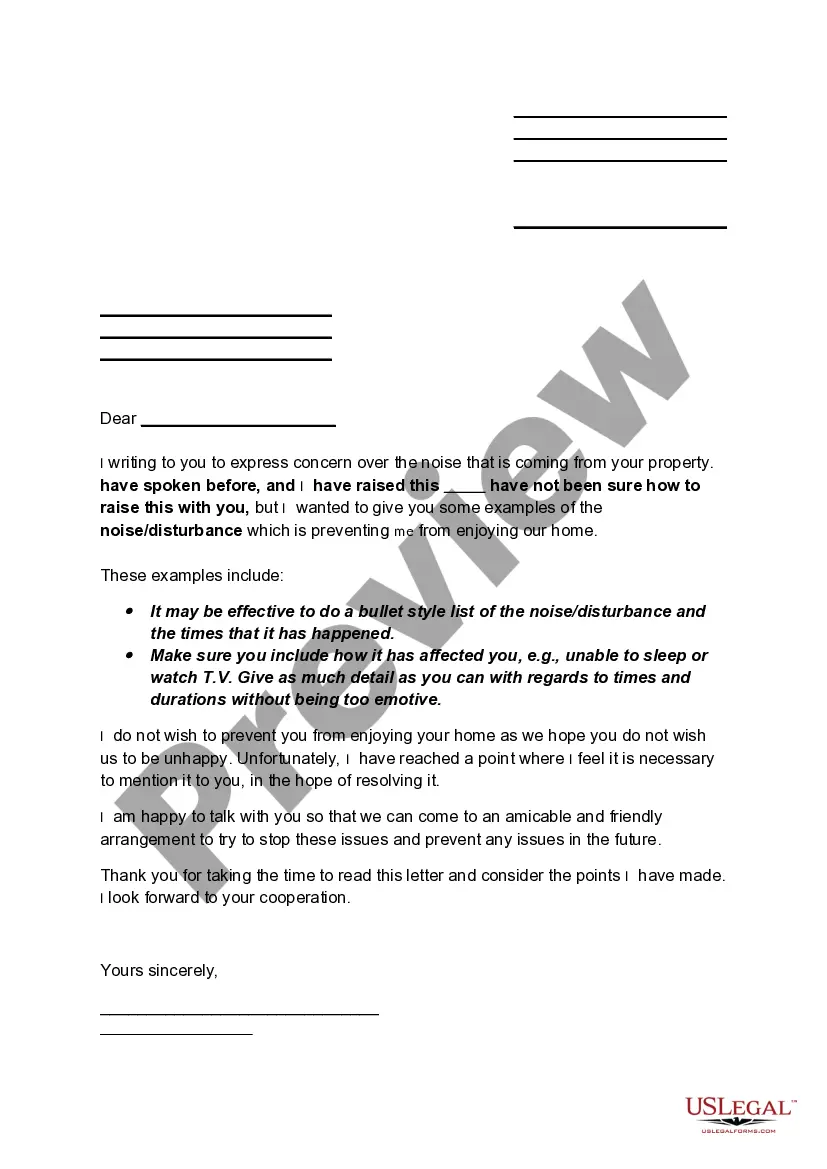
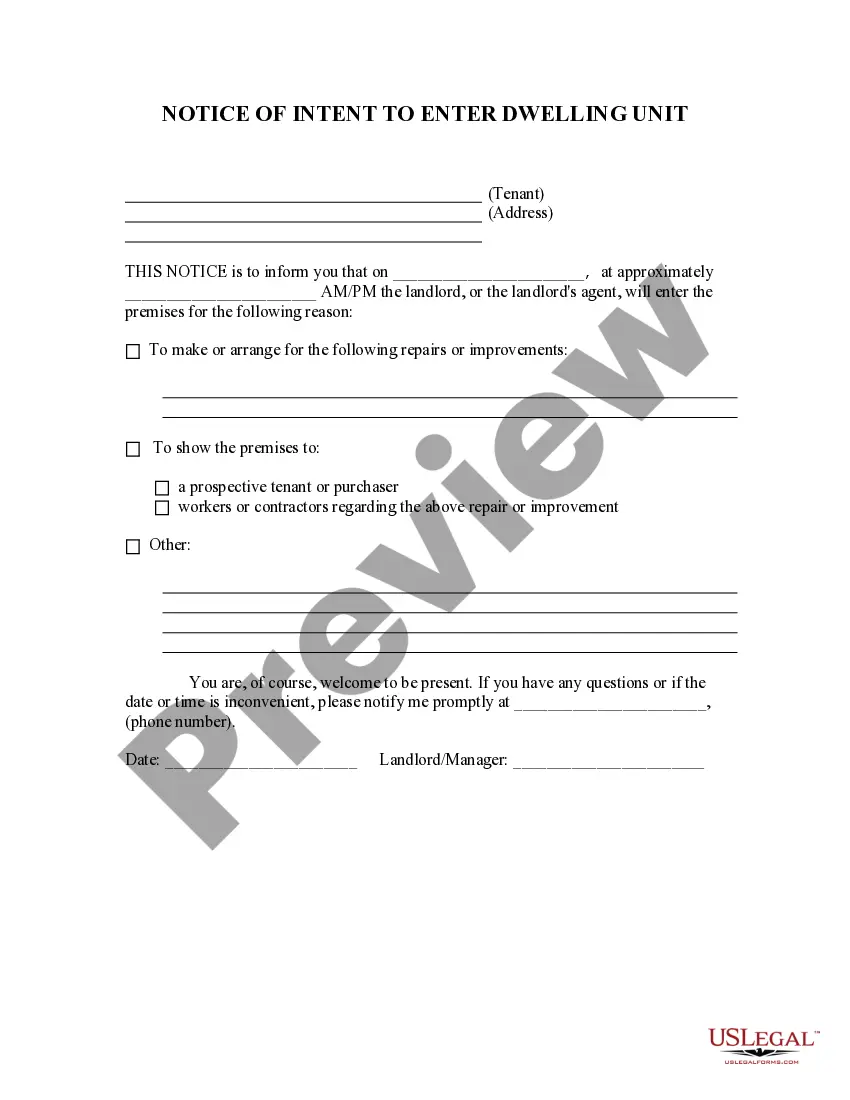
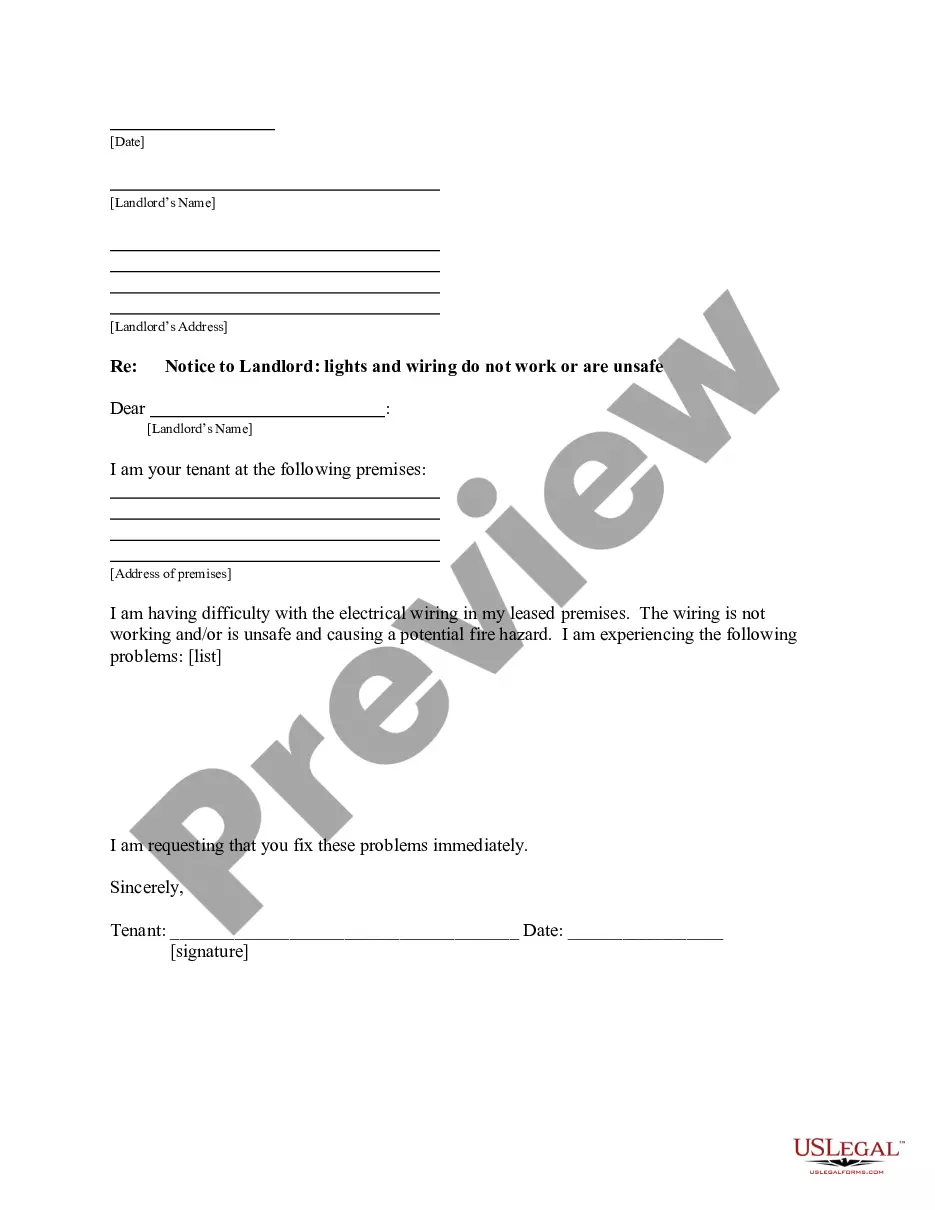
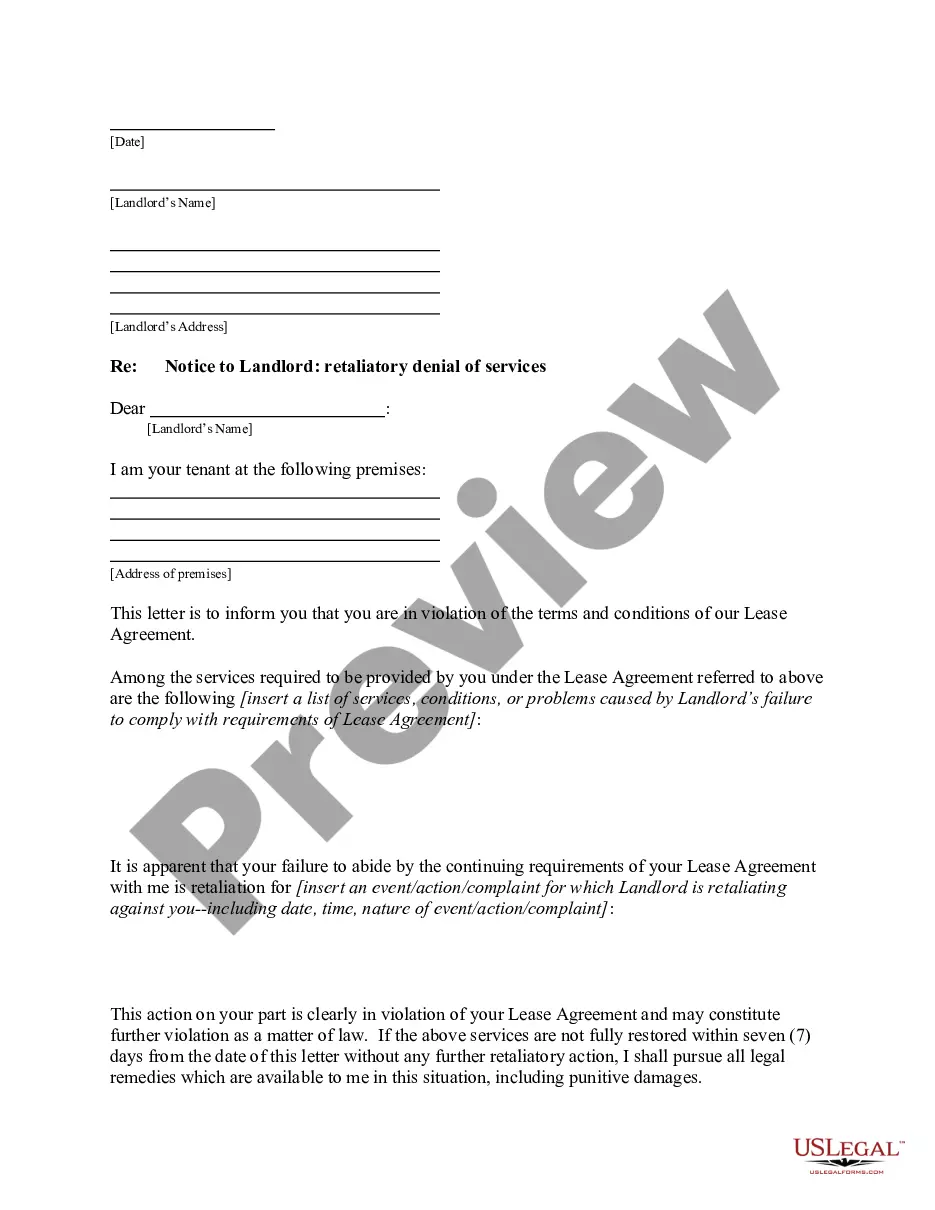
A Letter from Tenant to Landlord about Illegal Entry by Landlord is a formal communication that notifies a landlord of unauthorized entry into a tenant's leased dwelling. This letter serves as a notice of violation of their rental agreement, emphasizing the tenant's rights. It differs from other tenant-landlord correspondence by specifically addressing unauthorized access issues, ensuring that the tenant's concerns are formally documented.
Form components explained
- Identification of the tenant and landlord involved
- Statement of the illegal entry and violation of the rental agreement
- Request for advanced written notice before any future entry
- Reservation of legal rights regarding the matter
- Signature and date fields for the tenant

When to use this form
You should use this letter if your landlord or their agents have entered your rental property without proper notice or consent. This could occur during maintenance visits, inspections, or other reasons. Issuing this letter can help protect your rights and formally document the incident for future reference.
Who should use this form
This letter is intended for:
- Tenants who believe their landlord has violated their privacy
- Individuals renting residential properties
- Those seeking to formally notify their landlord of unauthorized entry
How to complete this form
- Identify yourself as the tenant and include your landlord's information.
- Describe the incident of illegal entry clearly and factually.
- Request that the landlord provide written notice before any future entry.
- Sign the letter and enter the date.
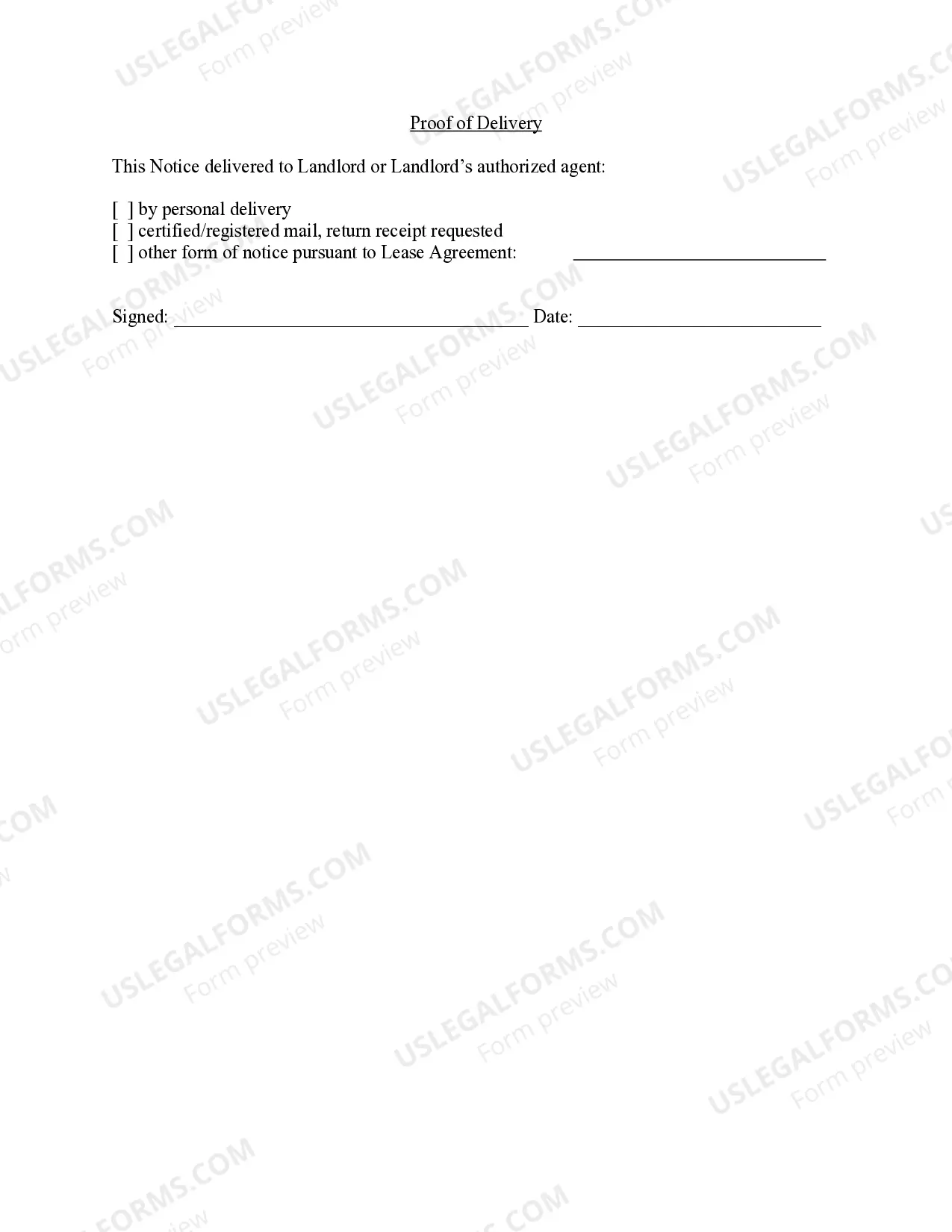
- Deliver the letter using a method that confirms receipt, such as certified mail.
Notarization requirements for this form
Notarization is not commonly needed for this form. However, certain documents or local rules may make it necessary. Our notarization service, powered by Notarize, allows you to finalize it securely online anytime, day or night.
Get your form ready online
Our built-in tools help you complete, sign, share, and store your documents in one place.
Make edits, fill in missing information, and update formatting in US Legal Forms—just like you would in MS Word.
Download a copy, print it, send it by email, or mail it via USPS—whatever works best for your next step.
Sign and collect signatures with our SignNow integration. Send to multiple recipients, set reminders, and more. Go Premium to unlock E-Sign.
If this form requires notarization, complete it online through a secure video call—no need to meet a notary in person or wait for an appointment.
We protect your documents and personal data by following strict security and privacy standards.

Make edits, fill in missing information, and update formatting in US Legal Forms—just like you would in MS Word.

Download a copy, print it, send it by email, or mail it via USPS—whatever works best for your next step.

Sign and collect signatures with our SignNow integration. Send to multiple recipients, set reminders, and more. Go Premium to unlock E-Sign.

If this form requires notarization, complete it online through a secure video call—no need to meet a notary in person or wait for an appointment.

We protect your documents and personal data by following strict security and privacy standards.
Mistakes to watch out for
- Not documenting the date and time of the illegal entry.
- Failing to keep a copy of the letter for personal records.
- Using vague language instead of specific details about the entry.
Why use this form online
- Immediate access to a legally vetted template by licensed attorneys.
- Easy customization to fit your specific situation.
- Ability to download and print the form at your convenience.
Legal use & context
- This letter serves as legal protection for tenants by documenting unauthorized entry.
- It may be used as evidence if further legal actions are pursued.
- Understanding local tenant rights can enhance the effectiveness of this letter.
Main things to remember
- This letter serves as a formal notice regarding illegal landlord entry.
- It is important to assert your rights as a tenant promptly.
- Ensure that you document all communications regarding tenancy issues.
- Use this template to protect your legal interests effectively.
Looking for another form?


Form popularity
FAQ
Apply to the Tribunal for orders: to stop the landlord/agent entering the premises. (Apply within 3 months after you become aware of the landlord's/agent's breach.) report trespass to the police. complain to NSW Fair Trading.
ENTRY WITHOUT NOTICE The landlord may enter the residential premises without permission and without giving the tenant any notice for two reasons: If the landlord believes there is an emergency; 2022 If the landlord believes the tenant has abandoned the residential premises.
In all states, a landlord can enter the property in an emergency without notice or permission.Even if your landlord gives you notice, he or she must have a good reason to enter the property. In most cases, your landlord can enter your home: In an emergency.
The big take-away is that in most circumstances a landlord cannot enter a property without agreement from the tenant. And If the landlord ignores the law and enters the property without permission, the tenant may be able to claim damages or gain an injunction to prevent the landlord doing it again.
0 A landlord has the right to enter the rental unit, although he cannot enter any time he wishes. The landlord first gives reasonable notice to visit at reasonable hours. Neither instance of reasonable is defined in the Indiana code, but most landlords give 24-hour notice and enter during normal business hours.
When you rent a property from a landlord it becomes your home. They should only enter the property without you being present, if you have given permission for them to do so, or in a genuine emergency.
In all states, a landlord can enter the property in an emergency without notice or permission.Even if your landlord gives you notice, he or she must have a good reason to enter the property. In most cases, your landlord can enter your home: In an emergency.
Your landlord or their representatives may be allowed reasonable access to carry out inspections or repairs, but must first get your permission. According to Section 11, from The Landlord and Tenant Act 1985, your landlord needs to give you at least 24 hour notice before they come around and visit for any reason.